Home / News / Industry News / A Comprehensive Guide to Electric Forklifts: From Working Principles to Buying Advice
News

A Comprehensive Guide to Electric Forklifts: From Working Principles to Buying Advice

2026-08-11

Content

Material Handling Equipment

Everything a warehouse manager, fleet operator or procurement team needs to understand how electric forklifts work, which type fits which job, what they cost to own, and how to choose the right unit.

Direct Answer

What You Need to Know About Electric Forklifts Right Away

An electric forklift is a lift truck powered by a rechargeable battery and an electric motor instead of a diesel or LPG engine. It uses stored electrical energy to drive the wheels, lift the mast and power auxiliary hydraulics. For most indoor warehouse operations, distribution centers and light to medium outdoor yard work, an electric forklift is the better choice because it produces zero tailpipe emissions, runs quieter, needs less mechanical maintenance, and typically costs less to operate over its lifetime, even though the upfront purchase price is often higher than a comparable diesel unit.

Electric forklifts are generally the right fit when you operate indoors, need to comply with air quality or noise rules, run multiple shifts with charging windows available, or want to lower long term fuel and maintenance spend. Diesel or LPG forklifts still make sense for rough outdoor terrain, continuous heavy duty cycles without charging downtime, or very high load capacity applications above roughly 10 tons, although larger electric models are closing that gap every year.

The sections below walk through the full decision process in order, starting with how the machine actually works, moving through the available types and battery technologies, comparing costs against diesel alternatives, and finishing with a practical step by step buying checklist so that by the end of this guide you will have everything needed to write an informed purchase specification.

1.0 to 8.0 t Typical load capacity range for mainstream electric forklifts
80 to 90 percent Typical energy conversion efficiency compared with roughly 40 percent for combustion engines
6 to 8 hours Common single shift battery runtime before recharging is needed
Fundamentals

What Is an Electric Forklift and How Does It Work

An electric forklift replaces the internal combustion engine of a traditional lift truck with a battery pack, one or more electric traction motors, a hydraulic pump motor, and an electronic controller. Instead of burning fuel to create motion, the battery stores direct current electricity that is converted by the controller into precisely regulated power for driving, steering, lifting and lowering.

The operating sequence is straightforward. When the operator presses the accelerator, the controller reads the input and sends a calibrated current from the battery to the drive motor, which turns the wheels through a transmission or direct drive axle. When the operator activates the lift lever, a separate hydraulic pump motor draws power from the same battery to pressurize hydraulic fluid, which extends the lift cylinders and raises the forks or mast. Braking on most modern electric forklifts uses regenerative technology, meaning the drive motor briefly acts as a generator and feeds a portion of the kinetic energy back into the battery instead of losing it as heat through friction brakes alone.

Main Functional Systems

Four systems work together in every electric forklift. The battery pack stores energy and is the single largest cost component of the machine. The traction motor and drive system convert electrical energy into forward and reverse movement. The hydraulic system controls lifting, tilting and any attachment functions. The controller and onboard computer manage power delivery, protect the battery from damage, and often log performance data for fleet management.

Why This Design Matters for Buyers

Because there is no combustion, there is no exhaust to ventilate, no fuel tank to refill, and far fewer moving parts subject to wear such as pistons, valves, fuel injectors and exhaust components. This is the underlying reason electric forklifts are associated with lower maintenance costs and are permitted to operate inside enclosed buildings, cold storage facilities and food processing plants where combustion exhaust would be a health and safety concern.

It is also worth understanding that electric forklifts are not a single uniform product. Voltage class, motor type, hydraulic pump sizing and controller software all vary between manufacturers and between truck classes, which is why two electric forklifts with the same rated capacity can perform quite differently in real world duty cycles. This is one of the reasons a proper needs assessment, covered later in the buying guide section of this article, matters as much as the headline specification sheet.

Product Range

Main Types of Electric Forklifts

Electric forklifts are built in several configurations, each suited to a different combination of load, aisle width and terrain. Choosing the wrong type is one of the most common and costly procurement mistakes.

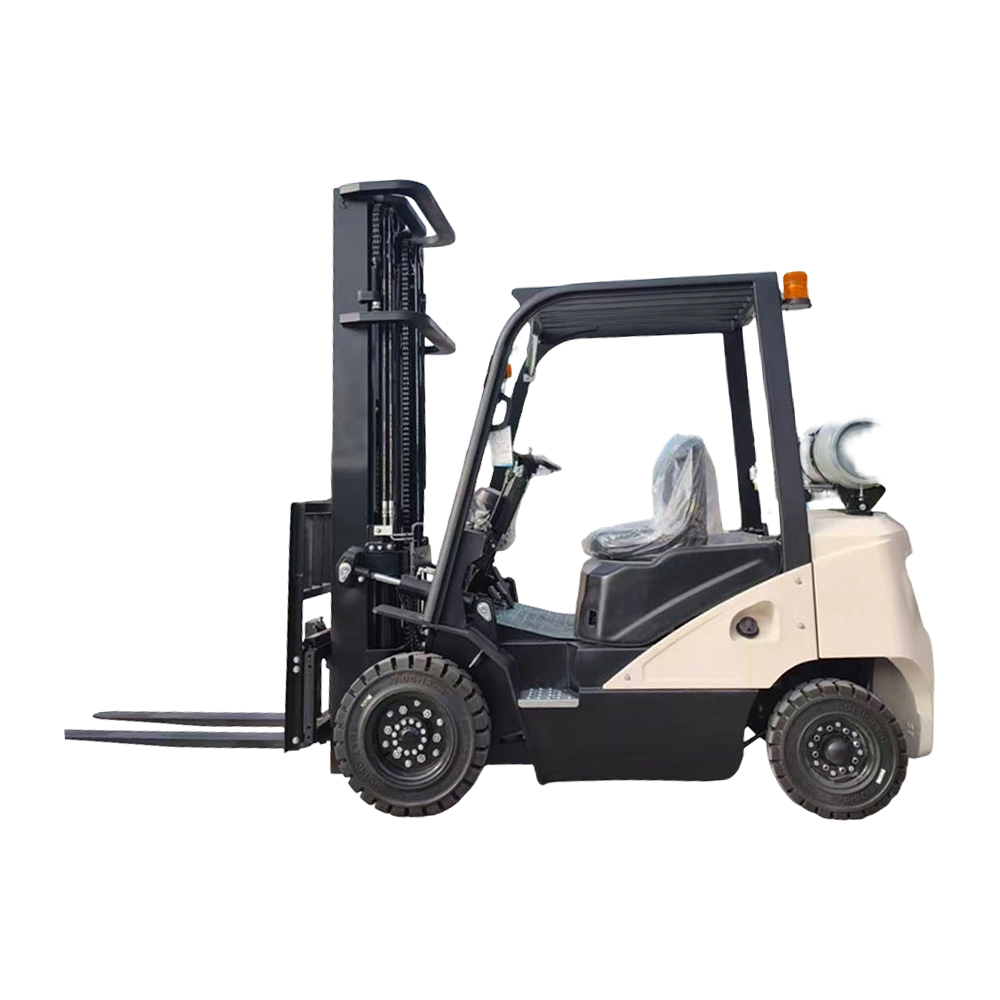
Counterbalance Electric Forklift

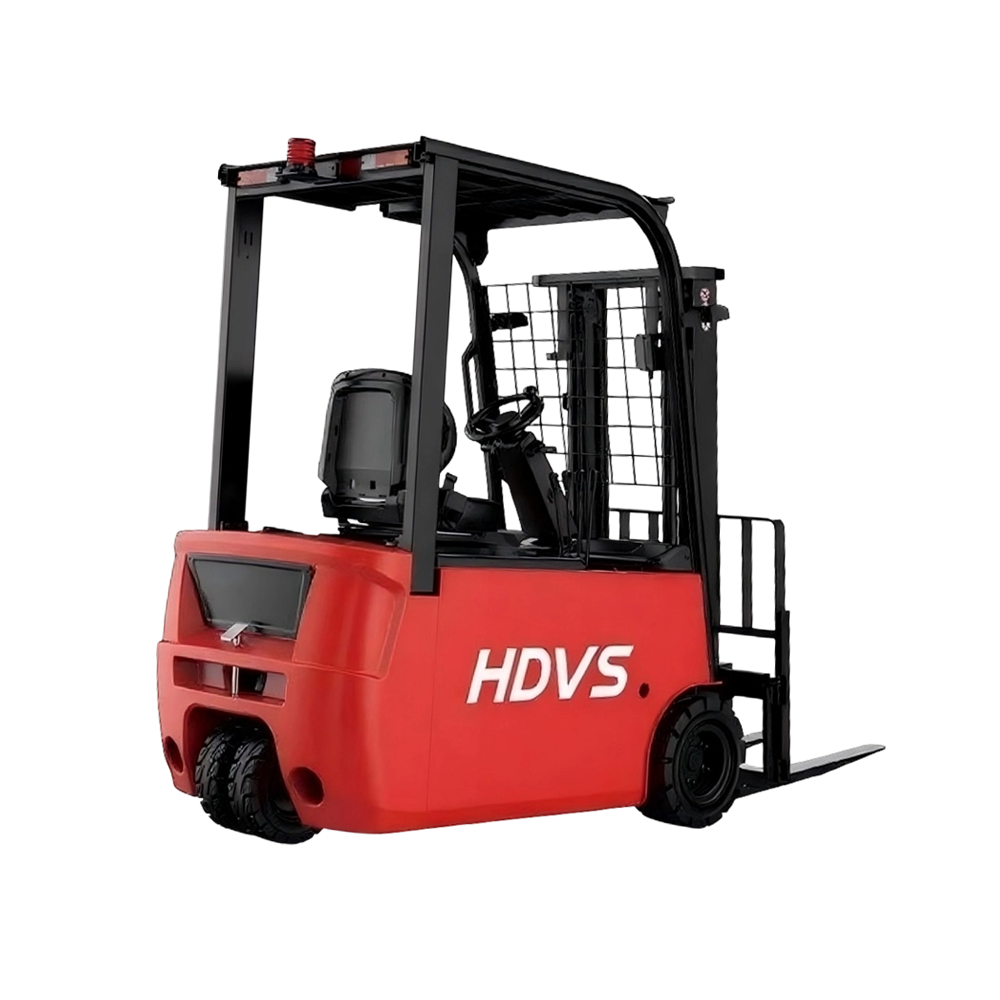
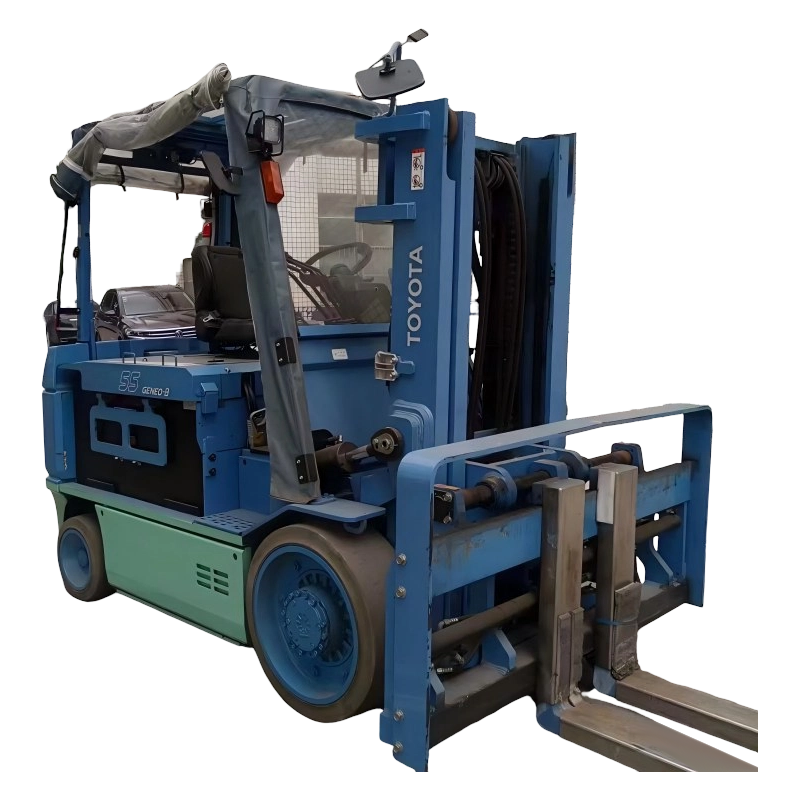
The most common type, with a weight at the rear to offset the load on the forks. No outrigger arms are needed, so it can pick up loads directly from the front. Suited to general warehouse, dock and yard work with load capacities commonly from 1.5 to 5 tons.

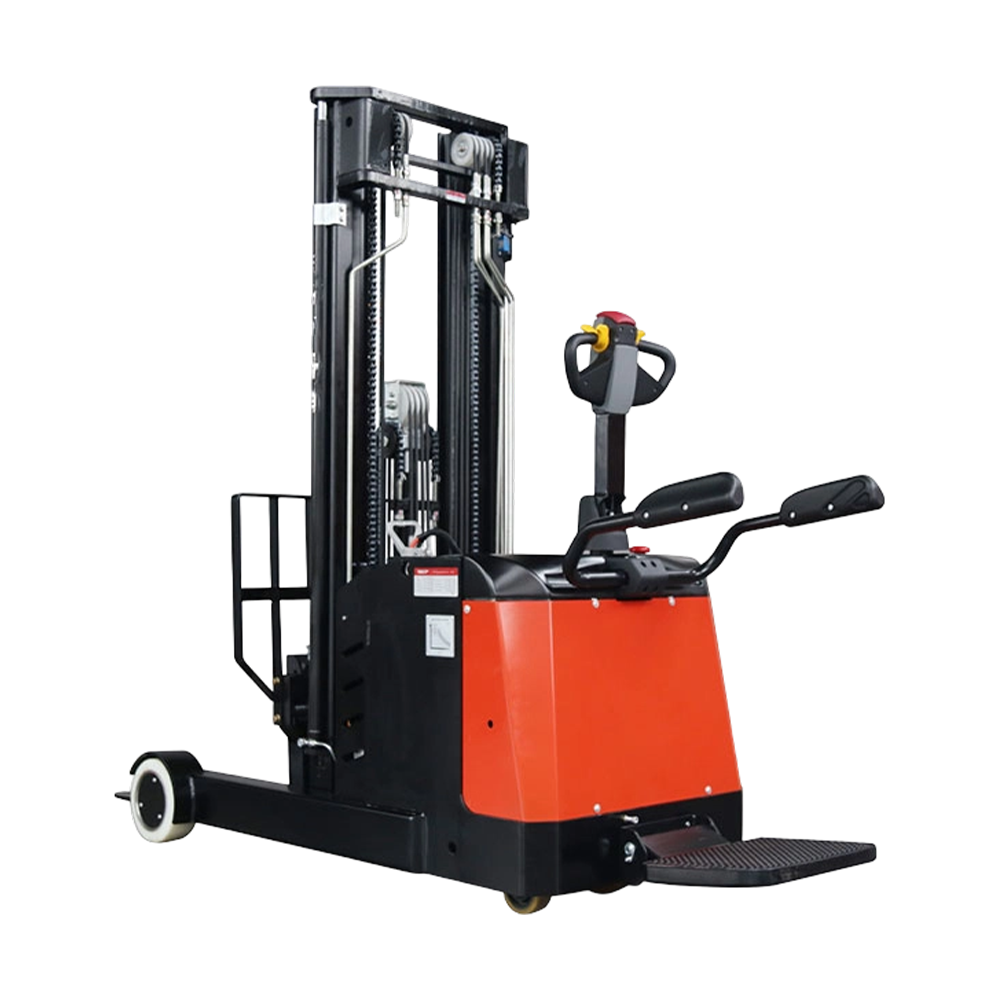
Reach Truck

Designed for narrow aisle warehouses with high racking. The mast can extend forward to reach into a rack and retract for travel, allowing aisles as narrow as roughly 2.7 to 3.0 meters and lift heights beyond 10 meters in many models.

Electric Pallet Truck

A low lift, walk behind or rider unit used to move palletized goods across flat floors, typically for loading docks, order picking staging areas and short distance transport within a facility.

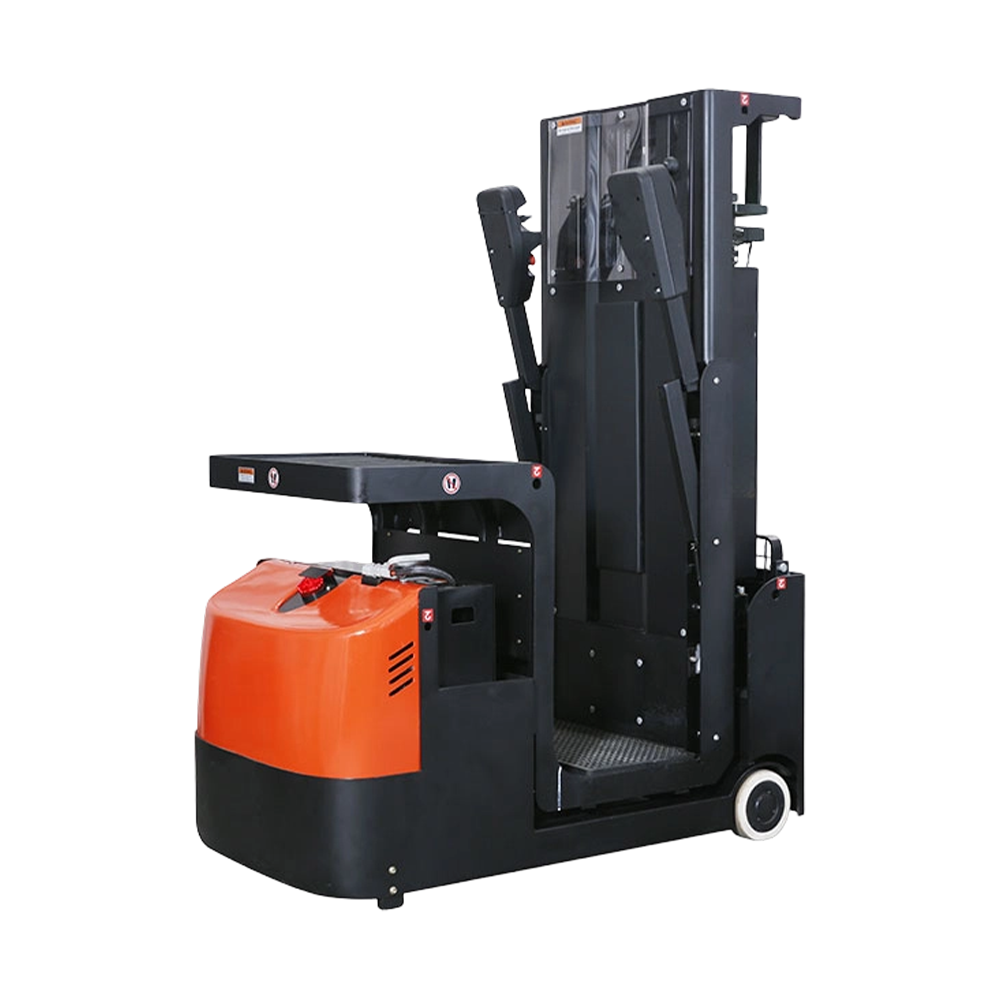
Electric Order Picker

Allows the operator to travel upward with the load to pick individual items from shelving, commonly used in e-commerce fulfillment and parts distribution centers where piece picking is frequent.

Three Wheel Electric Forklift

Uses a single rear wheel for a tighter turning radius, making it well suited to tight indoor spaces, retail backrooms and facilities with frequent direction changes.

Rough Terrain Electric Forklift

A newer category built with reinforced tires and higher ground clearance, allowing limited outdoor use on gravel or uneven yards while keeping the emission and noise benefits of electric power.

Comparison

Electric Forklift vs Internal Combustion Forklift

The table below compares the two power types across the factors that matter most to a buyer.

Factor Electric Forklift Diesel or LPG Forklift
Upfront Purchase Price Higher, mainly due to battery cost Lower initial price
Fuel or Energy Cost per Hour Generally lower Generally higher
Maintenance Complexity Fewer moving parts, no oil or filter changes Engine service, oil changes, exhaust system upkeep
Indoor Use Suitable, no exhaust emissions Requires ventilation, restricted in many facilities
Noise Level Quiet operation Noticeably louder engine noise
Continuous Duty Cycle Limited by battery runtime unless swapped or opportunity charged Runs continuously as long as fuel is available
Outdoor and Rough Terrain Improving but still more limited Strong performance on uneven ground
Typical Best Fit Warehouses, cold storage, indoor and light outdoor work Construction sites, lumber yards, heavy continuous outdoor work
Technical Breakdown

Core Components Explained: Battery, Motor and Controller

Battery Pack

The battery is the energy source and the single most expensive replaceable component on an electric forklift. It is sized by voltage, commonly 24V, 36V, 48V or 80V depending on the truck class, and by amp hour capacity, which determines how long the truck can run between charges.

Traction Motor and Drive Axle

The traction motor converts electrical current into rotational force. Most modern electric forklifts use AC induction or AC synchronous motors rather than older DC motors because AC motors deliver stronger torque control, need less maintenance since they have no brushes to replace, and support regenerative braking.

Hydraulic Pump Motor

A dedicated motor drives the hydraulic pump that powers lifting, tilting and any attachments such as side shifters or fork positioners. This is a separate circuit from the drive motor so that lifting and driving can happen at the same time without one function starving the other of power.

Controller and Onboard Electronics

The controller regulates how much current flows to each motor based on operator input, protects the battery from deep discharge, manages regenerative braking, and in many modern trucks connects to fleet management software that tracks utilization, impact events and charging patterns.

Tires and Chassis

Electric forklifts are commonly fitted with either cushion tires or pneumatic tires. Cushion tires are solid rubber, sit lower to the ground, and are best suited to smooth indoor concrete floors where a tighter turning radius matters more than ground clearance. Pneumatic or solid pneumatic tires have deeper tread and more clearance, making them a better match for light outdoor use, mixed indoor and outdoor yards, or facilities with expansion joints and uneven dock plates. Selecting the wrong tire type is a common and avoidable cause of premature tire wear and reduced stability.

Operator Safety Systems

Most modern electric forklifts include an overhead guard to protect the operator from falling objects, a seat belt interlock that prevents drive functions until the belt is fastened, and audible or visual travel alarms. Higher specification models add blue or red safety light projections that mark the truck path on the floor, rear facing cameras, and speed limiting zones that can be programmed through the onboard controller for specific areas of a facility such as pedestrian crossings or narrow aisles.

Power Source

Lead Acid vs Lithium Ion Batteries

Battery choice has a bigger effect on total cost of ownership and daily productivity than almost any other decision in the buying process.

Factor Lead Acid Battery Lithium Ion Battery
Upfront Cost Lower Higher, often 1.5 to 2 times more
Charging Time 6 to 8 hours plus cooling period 1 to 2 hours, opportunity charging possible
Battery Swapping Needed for Multi Shift Usually yes Usually no
Maintenance Regular watering, terminal cleaning, ventilation required Sealed, virtually maintenance free
Typical Lifespan Around 1,200 to 1,500 charge cycles Around 2,000 to 3,000 plus charge cycles
Space and Weight Bulkier, heavier per unit of energy Compact, lighter, frees up counterweight design
Best Fit Single shift, budget sensitive operations Multi shift, high utilization, cold storage operations

Lithium iron phosphate, often abbreviated LiFePO4, has become the dominant lithium chemistry in forklifts because of its strong safety profile and long cycle life compared with other lithium chemistries.

Infrastructure Planning

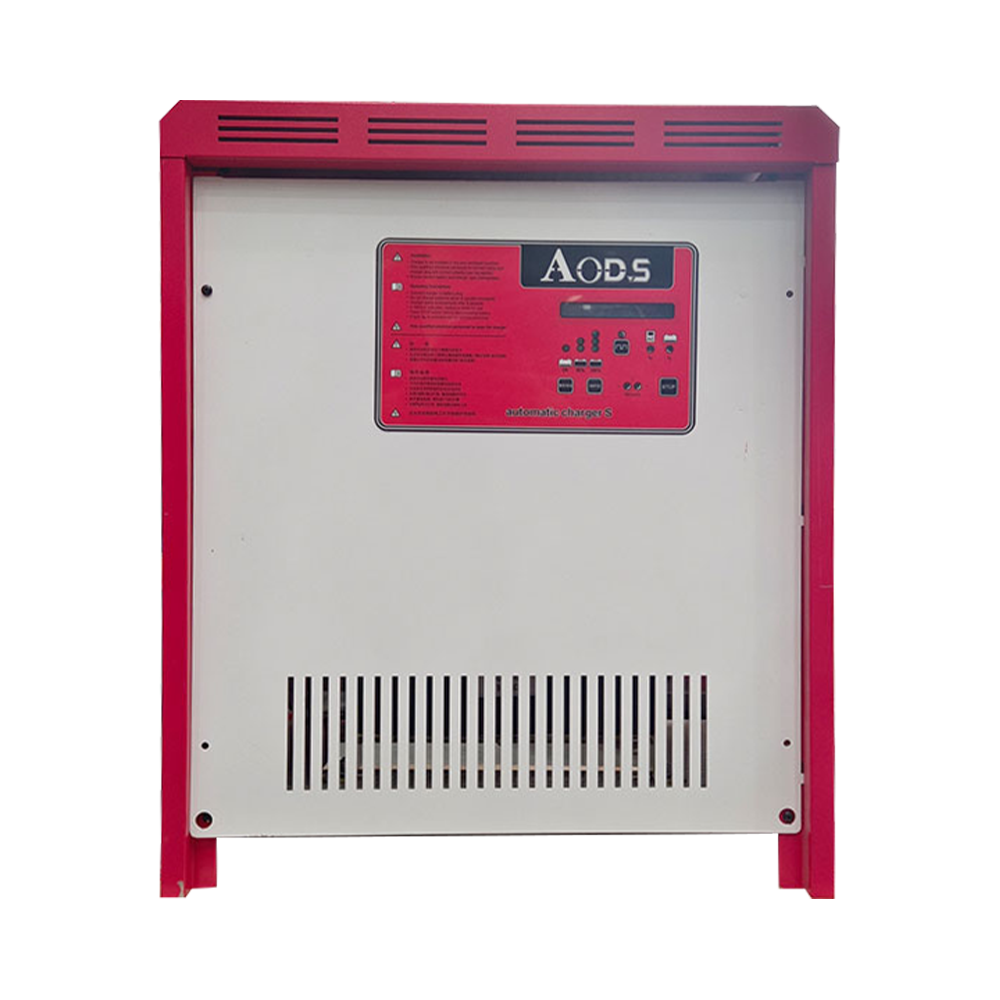
Charging Infrastructure and Charging Methods

Planning charging infrastructure is often overlooked during the equipment selection stage, yet it directly affects fleet uptime and the true cost per operating hour. There are three common charging approaches used across electric forklift fleets, and the right choice depends heavily on the battery chemistry selected earlier in this guide.

Conventional Overnight Charging

The traditional approach for lead acid batteries, where a truck is plugged into a dedicated charging bay at the end of a shift and left to charge for a full cycle, typically overnight. This method requires a designated, ventilated charging room since lead acid batteries release hydrogen gas while charging, along with eyewash stations and spill containment as a standard safety precaution.

Battery Swapping

Used in multi shift lead acid operations where a single truck cannot sit idle long enough to fully recharge between shifts. A charged spare battery is exchanged for the depleted one using a battery changing cart or crane, which keeps the truck productive but requires additional battery inventory, storage space and handling equipment, all of which add to the total investment.

Opportunity and Fast Charging

Common with lithium ion batteries, this approach allows operators to plug in during natural breaks such as lunch or shift changes rather than waiting for a full discharge cycle. Because lithium batteries tolerate partial charging without the memory effect or sulfation issues associated with lead acid, opportunity charging can keep a single battery in service across multiple shifts without swapping, which reduces both battery inventory and floor space requirements.

When budgeting for charging infrastructure, buyers should account for the electrical capacity of the facility, since adding several high output chargers can require an upgrade to the building electrical supply. It is worth requesting an electrical load assessment from a qualified electrician before finalizing a fleet expansion or a switch from lead acid to lithium ion charging systems.

Value Case

Key Benefits of Switching to Electric Forklifts

  • Lower operating cost per hour. Electricity is typically cheaper than diesel or LPG per unit of usable energy delivered to the wheels, and electric motors waste far less energy as heat.
  • Reduced maintenance spend. No oil changes, spark plugs, fuel filters, exhaust systems or radiators to service, which lowers both parts cost and technician labor hours.
  • Zero tailpipe emissions. Enables use inside enclosed buildings, cold storage rooms and food or pharmaceutical facilities without ventilation systems designed for combustion exhaust.
  • Quieter operation. Reduces noise fatigue for operators and supports compliance with workplace noise regulations, especially valuable in facilities running near residential areas or during night shifts.
  • Smoother, more precise control. Electric motors deliver instant torque and finer speed control, which many operators find easier to manage during precision placement tasks.
  • Lower total cost of ownership over time. Even though upfront price is often higher, the combined fuel and maintenance savings frequently offset the price difference within a few years of typical use.
  • Better fit with sustainability targets. Helps companies reduce onsite fuel consumption and reported emissions as part of broader environmental, social and governance reporting.
Use Cases

Common Applications and Industries

Electric forklifts are used across nearly every sector that moves palletized or containerized goods. Warehousing and third party logistics operators rely on counterbalance and reach trucks to move inbound and outbound freight and to service high bay racking. Manufacturing plants use electric forklifts to move raw materials and finished goods between production lines without introducing combustion exhaust to the shop floor.

Cold storage and food distribution facilities favor electric forklifts almost exclusively because combustion exhaust is unacceptable in refrigerated, enclosed spaces, and because electric drivetrains tolerate repeated temperature swings between cold rooms and loading docks reasonably well when specified with appropriate cold weather packages. Retail and e-commerce fulfillment centers use electric order pickers and pallet trucks for piece picking and replenishment. Port and container yard operators are increasingly adopting larger electric or hybrid electric forklifts as terminals work to reduce local air pollution near urban waterfronts.

Pharmaceutical and electronics manufacturers often specify electric forklifts for cleanroom adjacent areas, where combustion byproducts and vibration could interfere with sensitive processes or contaminate controlled environments. Beverage and consumer goods distributors frequently run large electric counterbalance fleets across multiple shifts, which is precisely the type of high utilization environment where investing in lithium ion batteries and fast charging infrastructure tends to deliver the strongest payback. Rental and leasing companies also stock significant electric forklift fleets because the equipment holds resale value well and appeals to a broad base of commercial customers who prioritize indoor air quality and lower noise on their own sites.

Municipal and public sector facilities, including recycling centers and public works depots, have also increased electric forklift adoption in recent years, often driven by local air quality regulations or procurement policies that favor lower emission equipment for publicly funded operations.

Financial Planning

Cost Breakdown: Purchase Price and Total Cost of Ownership

Total cost of ownership includes far more than the sticker price. The table below outlines the main cost categories to model before purchase.

Cost Category What It Includes Typical Time Frame
Purchase or Lease Price Base unit, battery, charger, attachments One time or monthly lease payment
Energy Cost Electricity used per charge cycle Daily to monthly
Battery Replacement Lead acid or lithium pack replacement after end of cycle life Every 3 to 8 years depending on chemistry and usage
Routine Maintenance Tire wear, hydraulic fluid, brake and safety inspections Scheduled intervals, typically every 200 to 500 operating hours
Operator Training and Certification Initial and refresher safety training Upon hire and periodically thereafter
Downtime and Availability Cost of a truck being unavailable during charging or repair Ongoing operational factor

A useful rule of thumb when comparing quotes is to calculate cost per operating hour rather than comparing purchase price alone. Divide the total expected five year cost, including purchase, energy, maintenance and any battery replacement, by the expected total operating hours over that period. This produces a single comparable number across different trucks, battery chemistries and financing options.

A Simplified Five Year Comparison Example

To illustrate how the numbers can come together, consider a simplified illustrative example comparing two counterbalance trucks of similar capacity operating a single shift, five days a week, over a five year period. These figures are for illustration only and actual results will vary by region, electricity rate, fuel price and duty cycle.

Five Year Cost Category Electric Forklift Diesel Forklift
Equipment Purchase Price Higher starting point Lower starting point
Estimated Energy or Fuel Spend Lower, electricity generally cheaper per hour of use Higher, diesel fuel and consumption combined
Estimated Maintenance Spend Lower, fewer wear components Higher, engine and exhaust servicing
Battery or Major Overhaul Reserve One battery replacement may be needed depending on chemistry Possible engine overhaul on very high hour trucks
Net Five Year Trend Higher entry cost, lower running cost, often converges or wins by year three to five Lower entry cost, higher running cost throughout

The general pattern buyers should expect is that the diesel truck looks cheaper on day one, while the electric truck typically closes and often overtakes that advantage once several years of fuel and maintenance savings are added up. The exact break even point depends on local electricity and fuel prices, how many hours per day the truck runs, and the battery chemistry chosen, which is why building a facility specific total cost of ownership model before purchase is strongly recommended rather than relying on general industry figures alone.

Step By Step

How to Choose the Right Electric Forklift

Use this sequence when evaluating options, since each step narrows the field and informs the next decision.

1

Define the load and lift requirements

Record the maximum weight to be lifted, the load center distance, and the maximum lift height needed to reach the top of the highest rack level.

2

Measure the working environment

Note aisle widths, floor surface, ramp gradients, doorway heights, and whether the truck will operate indoors, outdoors, or both.

3

Calculate daily duty cycle

Estimate how many hours per shift and how many shifts per day the truck will run, since this determines whether lead acid with a spare battery or a lithium ion pack is more practical.

4

Select the truck type

Match the duty profile to a counterbalance truck, reach truck, pallet truck, order picker or three wheel model as outlined in the types section above.

5

Choose the battery chemistry

Weigh upfront budget against charging infrastructure availability, available floor space for battery swapping, and long term maintenance capacity.

6

Compare total cost of ownership across suppliers

Request itemized quotes covering the unit, battery, charger, warranty terms, spare parts availability and after sales support before making a final comparison.

7

Confirm certification, warranty and local support

Verify the truck meets relevant safety standards for your country, check warranty length on the battery and drivetrain separately, and confirm parts and service availability in your region.

Operations

Maintenance and Safety Tips

Electric forklifts require less mechanical upkeep than combustion powered trucks, but they are not maintenance free. A consistent inspection and servicing routine protects the investment, keeps the fleet available for work, and reduces the risk of unplanned downtime during peak operating periods. The categories below cover the areas that most commonly affect uptime and safety.

Daily Checks

Inspect tires for wear and damage, check hydraulic fluid level, test brakes, horn and lights, and confirm the battery is fully charged and connectors are clean before each shift begins.

Battery Care

Avoid partial charging patterns that shorten lead acid battery life, keep lithium packs within the manufacturer recommended charge range, and never expose battery compartments to standing water or excessive dust.

Scheduled Servicing

Follow the manufacturer service interval for hydraulic fluid changes, mast chain lubrication and wheel bearing inspection, typically every few hundred operating hours.

Operator Training

Ensure all operators complete certified training covering load handling, stability triangle principles, and pedestrian safety zones before operating any electric forklift unsupervised.
Sourcing Partner

Why Source Electric Forklifts from Shanghai HanDavos International Trading Co., Ltd.

Choosing the right equipment is only half the process. Choosing a supplier who understands specification, export logistics and after sales support is just as important, particularly for buyers sourcing equipment internationally.

Shanghai HanDavos International Trading Co., Ltd. works with warehouse operators, distributors and industrial buyers to specify and export electric forklifts and related material handling equipment suited to the load, environment and duty cycle described earlier in this guide.

  • Specification support. Guidance on matching load capacity, lift height and battery chemistry to your actual operating conditions rather than a generic catalog listing.
  • Export documentation and logistics. Experience handling international shipping, customs paperwork and container loading for material handling equipment.
  • Access to a range of configurations. Counterbalance, reach, pallet truck and order picker options across common load capacity classes.
  • After sales coordination. Support connecting buyers with spare parts and service information after delivery.
Contact Shanghai HanDavos for a Quotation
Common Questions

Frequently Asked Questions

How long does an electric forklift battery last per charge

Most lead acid batteries provide around 6 to 8 hours of run time per full charge under typical duty cycles, while lithium ion batteries can often be topped up during breaks through opportunity charging, reducing the need for a full 8 hour charge window.

Can electric forklifts be used outdoors

Yes, many electric forklifts are rated for light to moderate outdoor use, particularly rough terrain electric models, though continuous heavy duty outdoor work on very uneven ground still tends to favor diesel or LPG trucks.

Is lithium ion worth the higher upfront cost

For multi shift or high utilization operations, lithium ion often pays back its higher purchase price through faster charging, no battery swapping labor, and a longer overall cycle life, while single shift low utilization operations may find lead acid more cost effective.

What load capacity do most warehouses need

Many general warehouse operations are well served by counterbalance electric forklifts in the 1.5 to 3 ton range, though the correct capacity always depends on the actual weight and dimensions of the heaviest regularly handled load.

How often should an electric forklift be serviced

Routine inspection should happen daily before each shift, with more detailed hydraulic, brake and structural servicing typically scheduled every 200 to 500 operating hours, depending on the manufacturer recommendation for the specific model.

Do electric forklifts perform as well as diesel forklifts on ramps and inclines

Mainstream electric counterbalance forklifts can handle typical dock ramp gradients found in most warehouses without difficulty, since electric motors deliver strong torque from a standstill. For steep or lengthy outdoor grades under continuous heavy load, a diesel truck may still hold an edge, so it is worth confirming maximum gradeability figures against your specific site conditions before ordering.

What certifications should an electric forklift buyer look for

Buyers should confirm the truck meets the relevant safety and design standard for their region, such as CE marking in the European Union or the applicable national standard elsewhere, along with a documented warranty covering the drivetrain, battery and hydraulic system separately, since these components often carry different warranty periods.

Can an existing diesel forklift fleet be gradually converted to electric

Yes, many operators phase in electric forklifts gradually rather than replacing an entire fleet at once, often starting with indoor duty trucks or units nearing the end of their service life, which spreads the capital cost and allows charging infrastructure to be built out in stages.

Final Takeaway

Electric forklifts have moved from a niche indoor only option to the default choice for most warehouse, distribution and light manufacturing environments. The right decision comes down to matching load capacity, lift height, duty cycle and battery chemistry to your actual operation, then comparing suppliers on total cost of ownership rather than purchase price alone. Working with an experienced sourcing partner such as Shanghai HanDavos International Trading Co., Ltd. can help translate these specifications into the correct equipment and a smooth procurement process from quotation through delivery.