


 English
 中文简体
中文简体 русский
 Español
 عربى
عربى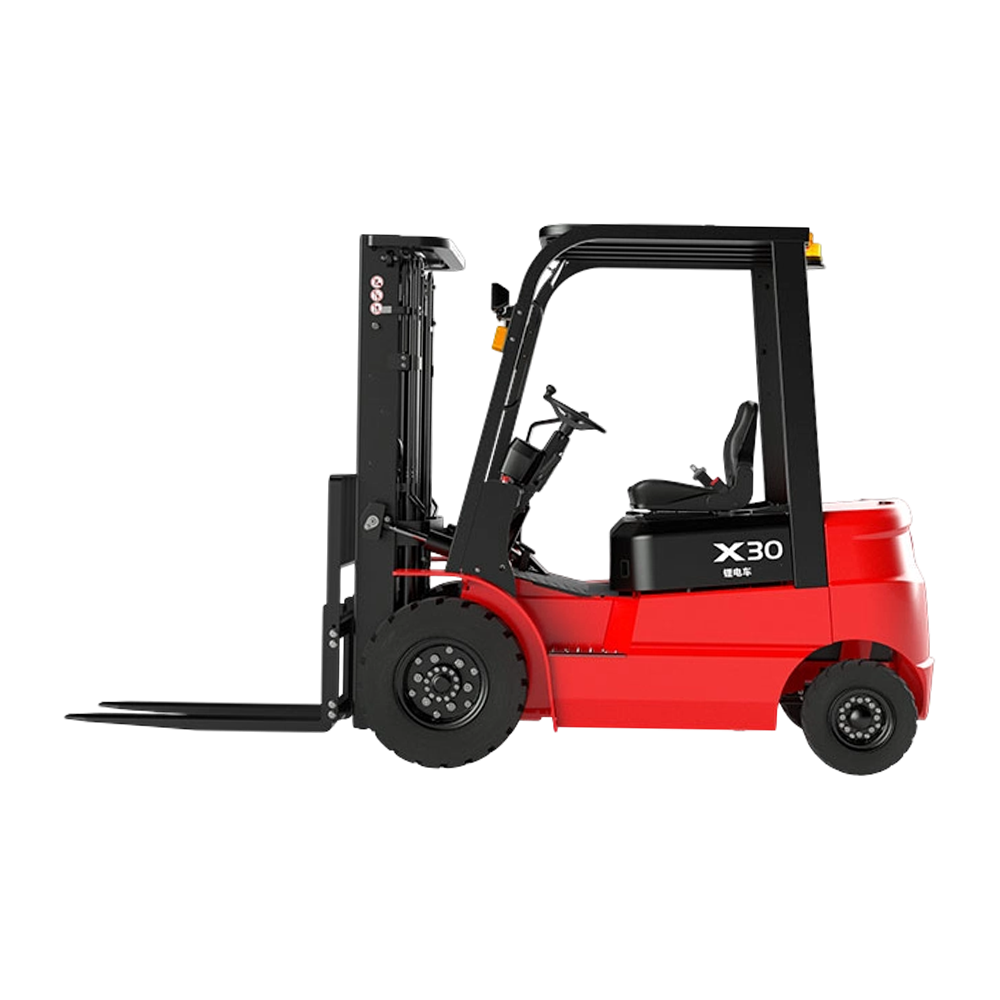
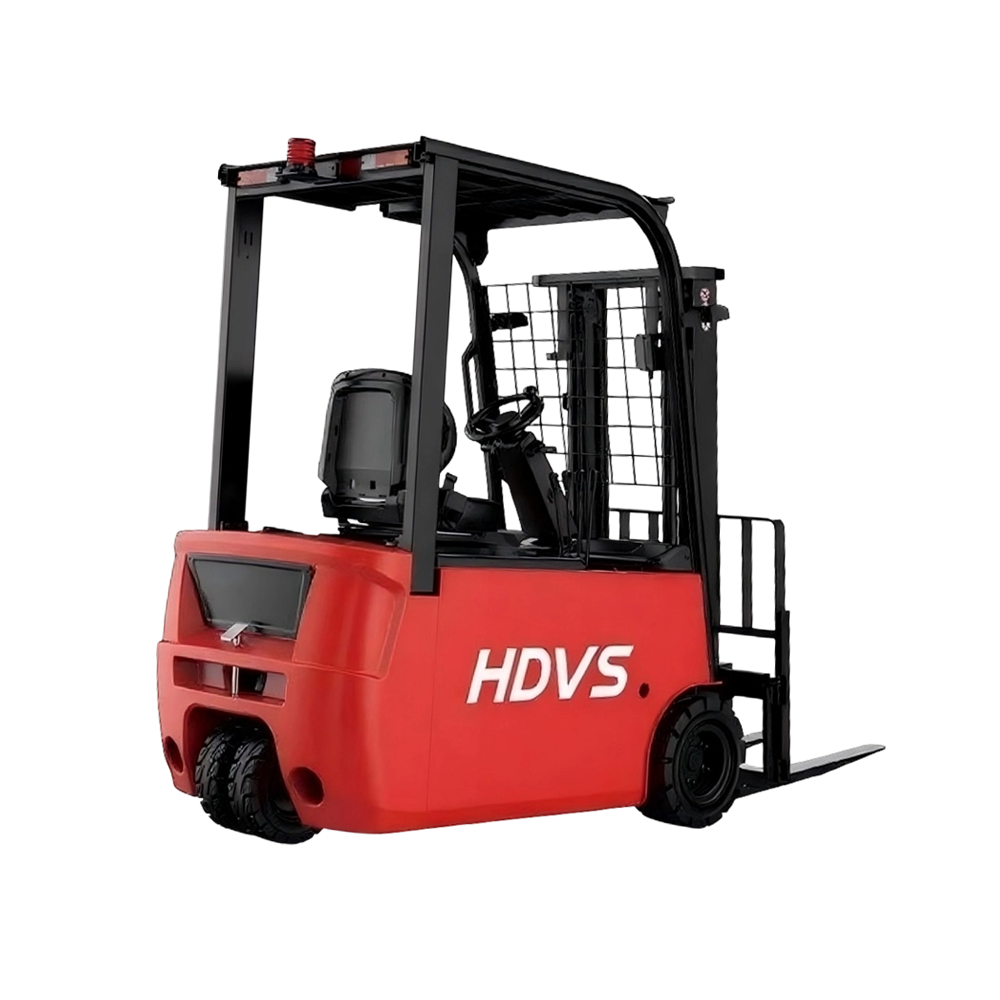
The Evolution of Material Handling: Why Industrial Fleets Are Transitioning to Lithium Battery Forklifts
In the demanding environment of modern warehousing, where throughput speeds and operational reliability define success, the power source of a fleet is no longer just a technical detail—it is a critical strategic asset. For years, industrial operations relied heavily on internal combustion engines and traditional lead-acid batteries. However, as supply chains become more complex and the necessity for "around-the-clock" productivity grows, these legacy systems are increasingly viewed as bottlenecks.
The industry is currently witnessing a decisive migration toward the Lithium Battery Forklift. This shift is not merely about choosing a different battery chemistry; it is about adopting a more efficient, sustainable, and predictable way of managing material handling assets. Shanghai HanDavos International Trading Co., Ltd., with over 20 years of expertise in this sector, has observed this transition firsthand. Through our extensive experience in both equipment sales and comprehensive leasing services, we have seen how integrating lithium technology allows facilities to bypass the logistical headaches—such as battery swapping and lengthy charging downtimes—that previously constrained output. By upgrading to a high-performance Lithium Battery Forklift, operations are effectively reclaiming lost hours and streamlining their daily workflows.
Defining the Technology: What Is a Lithium Battery Forklift?
At its simplest, a Lithium Battery Forklift utilizes Lithium Iron Phosphate (LiFePO4) chemistry, a technology engineered for high-energy density and exceptional thermal stability. Unlike lead-acid batteries, which rely on a chemical reaction that degrades quickly under heavy usage and requires extensive maintenance, lithium systems offer a consistent, high-voltage power delivery throughout the entire charge cycle.
This consistent performance is vital. In many industrial scenarios, a standard forklift may experience a noticeable drop in lifting speed and acceleration as its battery level dips below 40%. In contrast, a Lithium Battery Forklift provides a steady power curve, ensuring that the last hour of a shift is just as productive as the first. At Shanghai HanDavos International Trading Co., Ltd., we emphasize that the primary advantage of this technology lies in its "intelligent" nature. These systems are equipped with advanced Battery Management Systems (BMS) that continuously monitor cell health, voltage, and temperature. This level of technical oversight, which we provide across our massive inventory of brand-new and premium equipment, ensures that the vehicle remains at peak performance without the need for constant manual intervention.
Why Global Procurement Teams Are Prioritizing Lithium Battery Forklifts
The decision to invest in a Lithium Battery Forklift fleet is often driven by a rigorous analysis of the Total Cost of Ownership (TCO). While the initial capital expenditure may appear higher than that of traditional equipment, the long-term operational savings are significant and immediate.
For facilities operating multiple shifts, the ability to perform "opportunity charging" is a game-changer. Because lithium-ion batteries do not suffer from the "memory effect"—a common flaw where charging before a full discharge shortens the battery life—they can be topped off during short breaks, such as lunch hours or shift changes. This eliminates the need for expensive battery-swapping infrastructure, including dedicated charging rooms with ventilation systems and bulky spare batteries.
Furthermore, the environmental impact is a major consideration for modern facilities. A Lithium Battery Forklift produces zero tailpipe emissions and eliminates the risk of acid spills, which are common maintenance hazards with traditional lead-acid units. For those looking to streamline their procurement, Shanghai HanDavos International Trading Co., Ltd. leverages our strategic headquarters in Kunshan City to provide rapid order fulfillment for these high-efficiency machines. Our goal is to ensure that your facility not only meets current production targets but also aligns with long-term ESG (Environmental, Social, and Governance) goals, all while reducing the labor-intensive costs associated with battery maintenance.
Lithium Battery Forklift vs Lead-Acid Forklift: An In-Depth Comparison
To assist in making an informed decision, it is helpful to look at how these technologies stack up across the metrics that impact daily warehouse logistics.
| Performance Metric | Lithium Battery Forklift | Lead-Acid Forklift |
| Charging Time | 1–2 hours (Full Charge) | 8 hours + 8 hours cooling |
| Cycle Life | 3,000 – 4,000+ cycles | 1,000 – 1,500 cycles |
| Maintenance | Zero (Maintenance-free) | Regular watering & equalization |
| Opportunity Charging | Fully supported | Highly discouraged |
| Operational Uptime | Maximum (High efficiency) | Lower (Due to battery swaps) |
| Energy Efficiency | High (95% conversion rate) | Moderate (70-80% conversion) |
As shown in this comparison, the Lithium Battery Forklift significantly outperforms traditional models in terms of longevity and availability. For clients working with Shanghai HanDavos International Trading Co., Ltd., these figures translate into tangible operational benefits. Our team of technical engineers frequently works with partners to evaluate their current fleet, demonstrating how replacing a lead-acid unit with a lithium-powered alternative can reduce the total number of forklifts needed to maintain the same throughput, effectively optimizing capital efficiency.
Key Technical Specifications Buyers Must Evaluate
When integrating a Lithium Battery Forklift into your facility, moving beyond generic marketing claims is essential. The performance of these vehicles is dictated by how well their technical specifications align with your specific load demands and environmental conditions.
At Shanghai HanDavos International Trading Co., Ltd., our technical experts often advise clients to look closely at the voltage platform and capacity, which are the "heart" of the machine. The voltage determines the power delivery—typically ranging from 24V for light-duty warehouse reach trucks to 80V for heavy-duty outdoor-indoor hybrid units capable of handling 5 to 10 tons. Selecting the correct Ampere-hour (Ah) rating is equally vital; a system that is undersized for your specific throughput will not reach its full cycle life, while one that is oversized represents unnecessary capital tie-up.
Equally important is the Thermal Management System. Many standard lithium units struggle in extreme temperatures, leading to reduced performance or safety cut-offs. However, high-quality units come with integrated heating elements or enhanced cooling architectures that allow for consistent operation in cold storage facilities or high-ambient-temperature manufacturing floors.
The Battery Management System (BMS) acts as the brain of the Lithium Battery Forklift. It is this component that monitors every individual cell, ensuring that the charging process is balanced and that discharge is optimized. Because we handle a massive inventory of diverse equipment, Shanghai HanDavos International Trading Co., Ltd. has developed a rigorous quality-control process to ensure that the BMS in every unit we supply is fully calibrated for real-world reliability. Below are the critical parameters our engineers consider when assisting with equipment selection:
| Technical Specification | Importance for Daily Operation |
| Voltage Platform (24V–80V) | Determines peak power output and lift speed; must match duty cycle intensity. |
| BMS Intelligence Level | Real-time diagnostics for voltage, temperature, and cycle tracking to prevent unplanned downtime. |
| IP Rating (Ingress Protection) | Essential for protection against dust and moisture in harsh factory environments. |
| Charging Protocol | Determines compatibility with current electrical infrastructure and speed of replenishment. |
| Energy Capacity (Ah) | Defines how many hours of continuous operation the unit can provide before needing a top-off. |
Integrating Lithium Battery Forklifts Into Existing Fleet Infrastructure
Transitioning your fleet is not just about bringing in new equipment; it is about preparing the environment to support it. One of the most common oversights is the failure to assess the electrical infrastructure. A Lithium Battery Forklift often requires faster, high-amperage chargers to take full advantage of opportunity charging.
Before finalizing your selection, evaluate your facility's power grid capacity. Do you have the necessary load capacity at your charging points to support simultaneous charging for multiple units? At Shanghai HanDavos International Trading Co., Ltd., we go beyond simple product sales. Our specialists assist in analyzing your current electrical setup, ensuring that the chargers supplied with our new and premium used inventory are perfectly matched to your site’s electrical capabilities.
Furthermore, consider the transition management. Moving from a lead-acid fleet to lithium power requires training your operators on the new charging habits. Unlike lead-acid batteries that require a strict "deep charge" schedule, lithium technology thrives on short, frequent boosts. We have found that when operators understand that they can plug in their Lithium Battery Forklift during a ten-minute break, the fear of "running out of power" vanishes. Our technical support team often provides on-site guidance to help your staff adjust their operational habits, ensuring the transition is smooth and that the productivity gains are realized from day one. By leveraging our 20,000 square meters of warehouse space and our deep technical expertise, we help you bridge the gap between legacy systems and next-generation power efficiency.
Factory-Direct Sourcing: What Large-Scale Buyers Should Look For in a Manufacturer
When your operation relies on a steady, high-performing fleet, the relationship you have with your supplier is just as important as the machinery itself. Sourcing a Lithium Battery Forklift directly from an experienced provider ensures that you are not just buying a machine, but securing a long-term operational asset backed by accountability and technical depth.
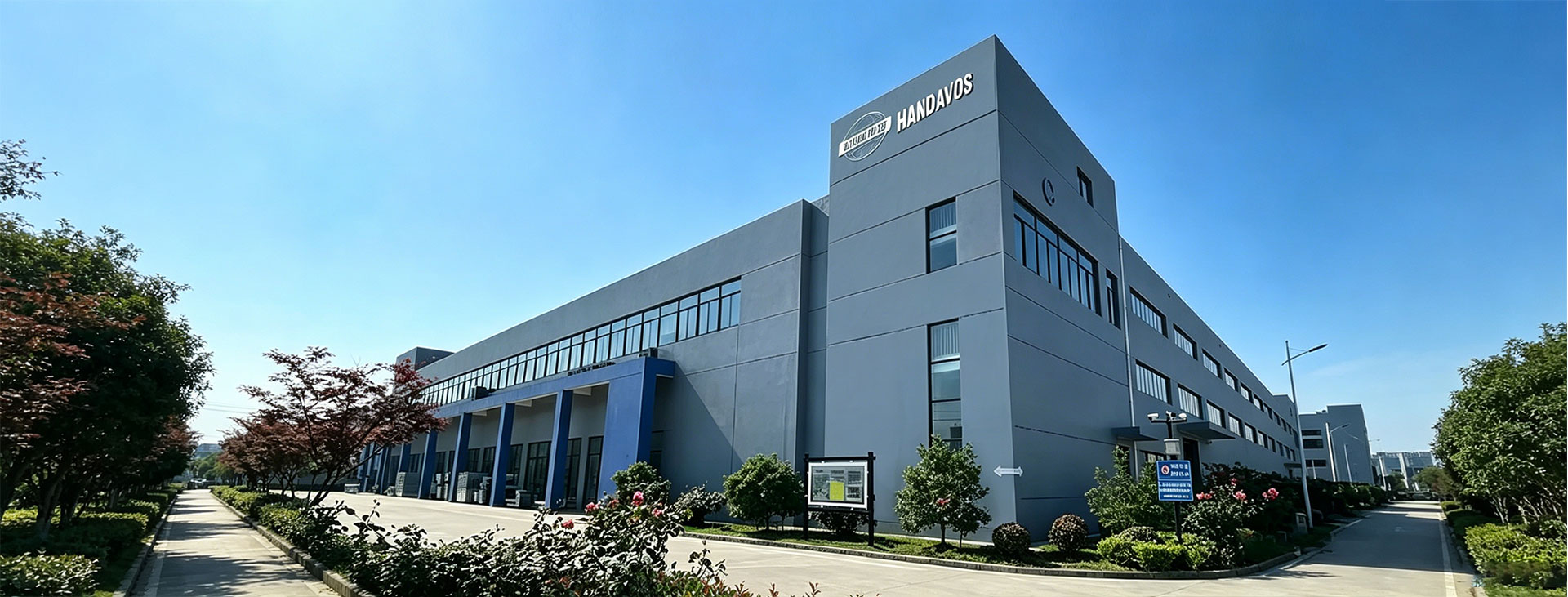
For over 20 years, Shanghai HanDavos International Trading Co., Ltd. has operated on the principle that true industrial reliability starts at the source. Based out of our strategic headquarters in Kunshan City, we maintain over 20,000 square meters of modern standardized warehouses, housing a massive inventory of brand-new units, premium used alternatives, and specialized forklift spare parts. This vast structural capability allows us to bypass middlemen and support one-stop procurement for clients who cannot afford delays in their supply chain.
When evaluating a partner for your fleet expansion, several core criteria should guide your decision-making process:
Inventory Depth and Availability: A reliable supplier must offer immediate access to a full spectrum of specifications. Whether you need a compact 24V unit for narrow-aisle warehousing or a robust 80V heavy-duty machine, having immediate access to diverse stock ensures rapid order fulfillment.
Comprehensive Support Infrastructure: Equipment requires maintenance, parts replacement, and occasional troubleshooting. Look for providers with dedicated after-sales specialists and technical engineers. At Shanghai HanDavos International Trading Co., Ltd., our professional team provides end-to-end support—from initial pre-sales consultation and technical guidance to comprehensive maintenance solutions—ensuring your operation experiences zero preventable downtime.
Customization and Adaptability: Every industrial floor layout and load requirement is unique. A dependable source should offer tailored solutions, complete with specialized attachments and custom configurations to match your exact workflow demands.
Frequently Asked Questions (FAQ)
What is the typical lifespan of a Lithium Battery Forklift power system, and how does it compare to lead-acid alternatives?
A high-quality lithium-ion power system typically delivers between 3,000 and 4,000 charge cycles while retaining over 80% of its original capacity. In contrast, traditional lead-acid batteries generally last between 1,000 and 1,500 cycles. Because lithium chemistry does not degrade from partial charging, its functional lifespan easily outlasts multiple lead-acid replacements, providing significantly better long-term value.
Can existing lead-acid forklift fleets be retrofitted with lithium technology?
Yes, in many cases, existing fleets can be retrofitted. However, it requires careful engineering evaluation. The new lithium battery must match the physical dimensions, weight distribution, and voltage requirements of the original compartment to ensure the forklift's stability and braking system remain balanced. Shanghai HanDavos International Trading Co., Ltd. frequently assists clients with technical evaluations to determine whether a retrofit or a complete unit upgrade is the safest and most cost-effective path forward.
How does opportunity charging affect the daily operations of a multi-shift facility?
Opportunity charging eliminates the need for battery swapping. Operators can plug in the Lithium Battery Forklift during standard 15-to-30-minute breaks (such as lunch or shift handovers). Because these batteries accept high current without suffering from memory effects, a few short top-offs throughout the day keep the machine running continuously across multiple shifts without ever needing to remove the battery from the chassis.
What safety features are integrated into modern industrial lithium-ion batteries?
Modern lithium systems are heavily safeguarded by an intelligent Battery Management System (BMS). The BMS continuously monitors individual cell voltages, current, and internal temperatures. It automatically triggers protective measures—such as short-circuit protection, overcharge prevention, and thermal cut-offs—if any operating parameter moves outside safe thresholds, ensuring absolute protection for both the operator and the facility.
