


 English
 中文简体
中文简体 русский
 Español
 عربى
عربى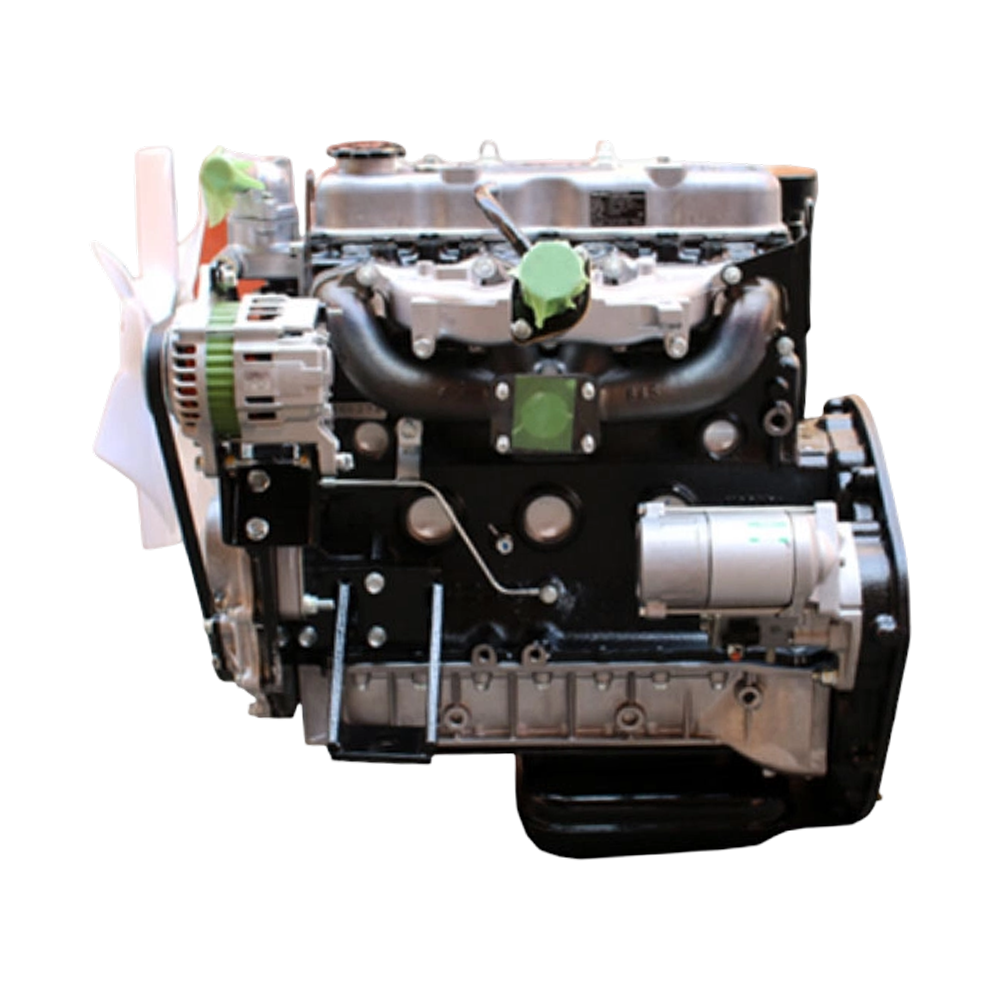
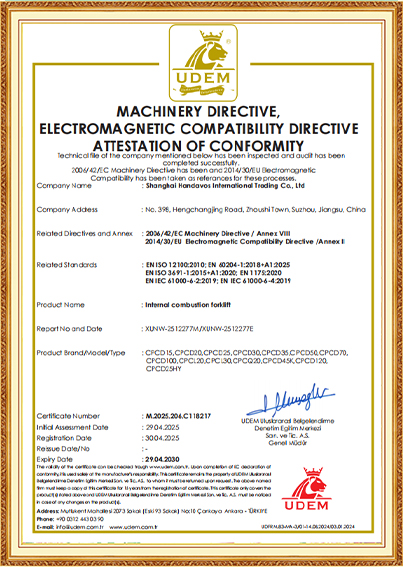
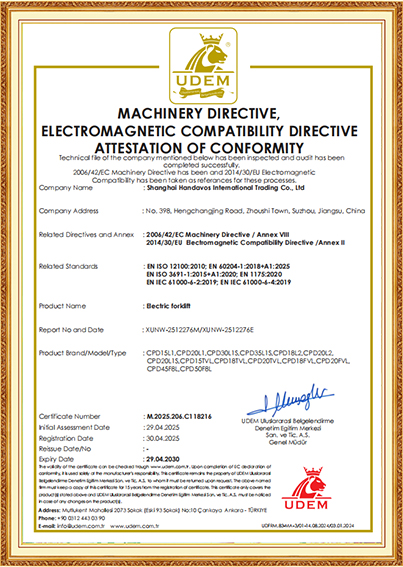
Understanding Forklift Parts: Essential Components for Industrial Efficiency
Comprehensive overview of the role industrial machinery components play in maximizing fleet uptime across distribution centers and manufacturing plants.
Direct alignment with heavy-duty material handling demands for industrial enterprise operations and professional fleet management teams.
Maintaining a high-performing fleet is the cornerstone of efficient material handling. Whether managing a centralized logistics hub or a heavy manufacturing plant, the reliability of each unit depends directly on the quality of its individual components. As a core branch of Kunshan Hanzhi, Shanghai HanDavos International Trading Co., Ltd. has spent over 20 years observing how the precise integration of high-grade components directly correlates with extended equipment lifespans and consistent operational uptime.
Modern material handling requires more than just functional equipment; it demands a deep understanding of how specific parts—from hydraulic seals to transmission gears—interact under load. By focusing on quality-oriented replacements, facility managers ensure that their machinery maintains peak performance, ultimately reducing the frequency of unexpected stalls and costly interventions.
Why High-Quality Replacement Components Matter for Fleet Management
Minimizing operational downtime and preventing catastrophic supply chain bottlenecks in high-volume warehouse environments.
Total Cost of Ownership (TCO): Balancing initial component investment against long-term operational durability and performance reliability.
Safety compliance, structural integrity standards, and minimizing liability risks during intensive daily material handling operations.
Equipment downtime is the primary enemy of productivity. When a component fails, the resulting bottleneck can halt an entire production line or distribution process. Choosing premium components is an investment in stability.
Minimizing Operational Downtime: Utilizing parts engineered to original equipment standards prevents the domino effect where one failing seal or sensor compromises the entire hydraulic or electrical system.
Total Cost of Ownership (TCO): While budget-friendly options exist, high-durability parts significantly reduce the frequency of labor-intensive repairs. At Shanghai HanDavos International Trading Co., Ltd., we emphasize that the long-term value lies in parts that withstand rigorous, multi-shift environments without premature degradation.
Safety and Compliance: Industrial environments demand strict adherence to safety standards. Using certified, high-grade components ensures that braking, steering, and mast-lifting systems operate within their intended safety parameters, minimizing liability and protecting personnel on the warehouse floor.
Critical Categories of Industrial Lift Equipment Components
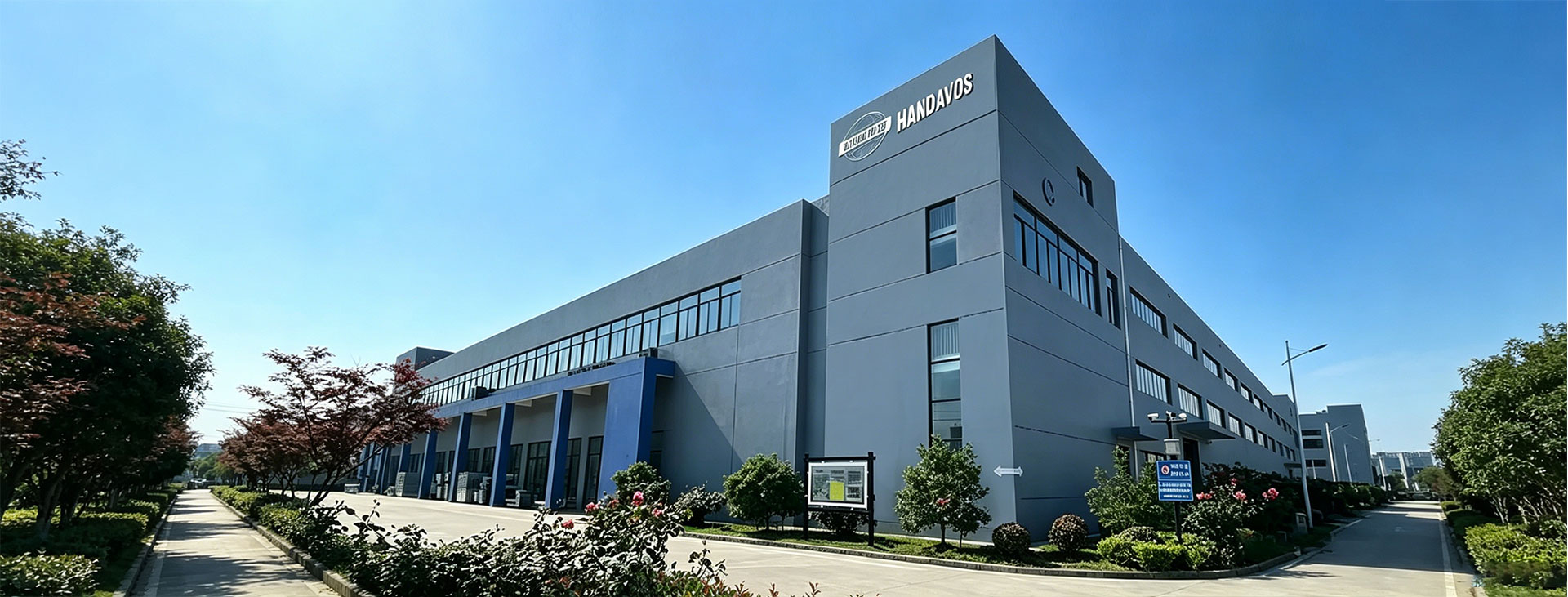
To maintain a fleet effectively, it is helpful to categorize components by their operational role. Shanghai HanDavos International Trading Co., Ltd. operates out of over 20,000 square meters of modern, standardized warehouses, allowing us to maintain a massive inventory that categorizes these vital parts for rapid identification and dispatch.
Engine and Powertrain Assemblies
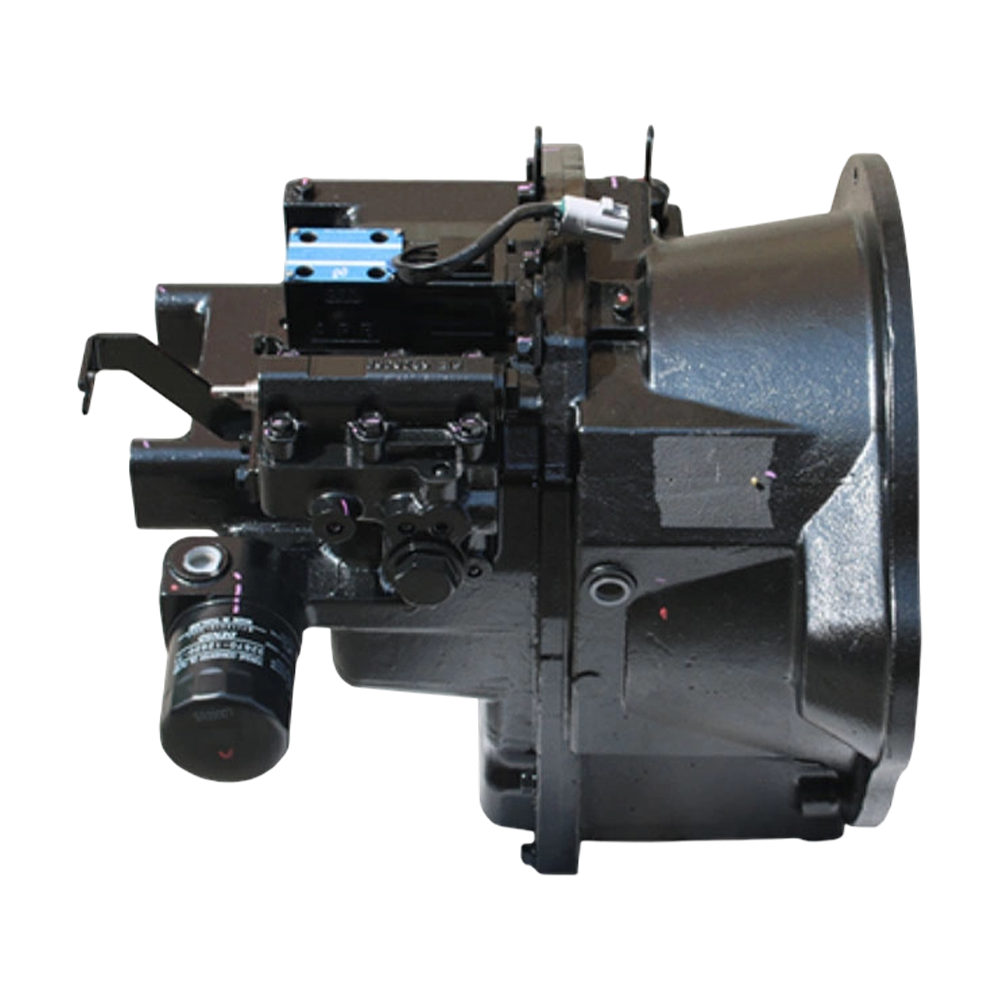
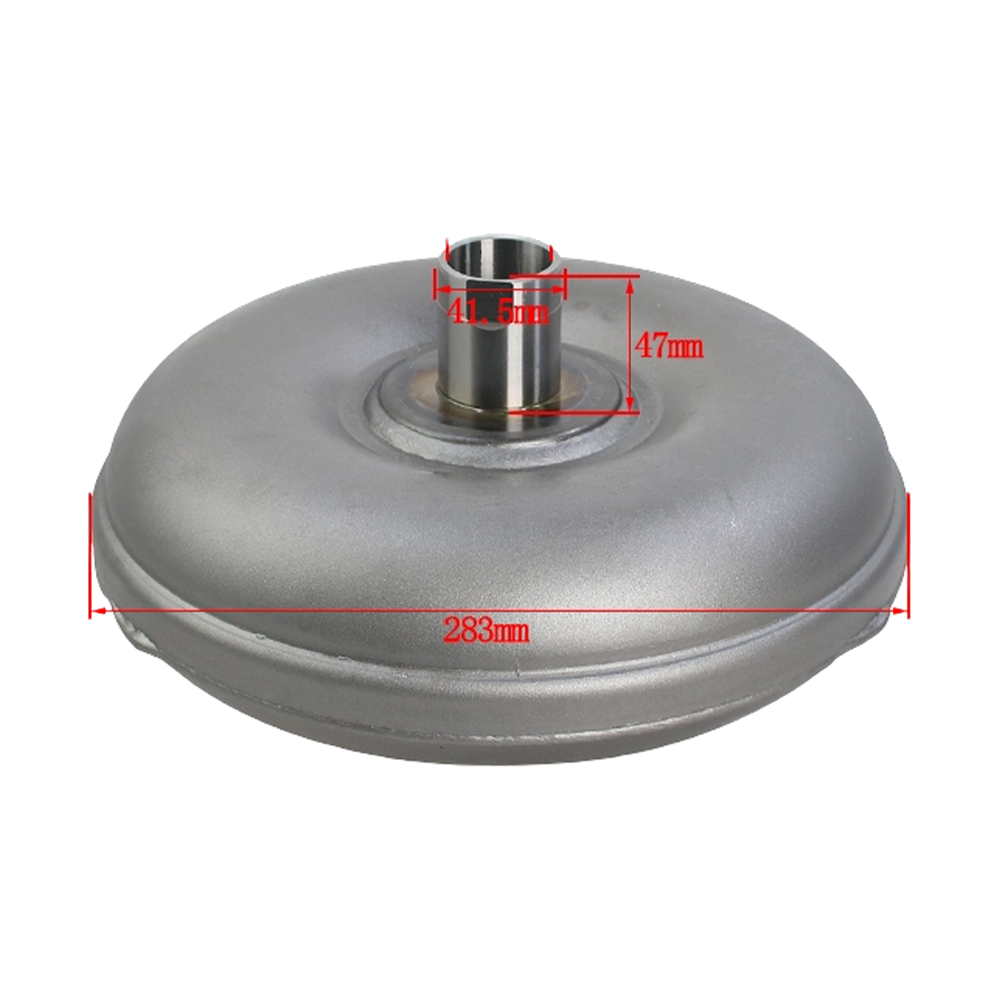
Internal combustion engine blocks, transmission kits, torque converters, and heavy-duty cooling systems.
Fuel efficiency and power output metrics designed for continuous multi-shift industrial usage.
The engine and powertrain are the heart of the machine. Reliability here dictates the pace of operations.
| Transmission Kits | Torque Transfer Efficiency | Fluid Contamination Checks |
| Engine Blocks | Thermal Resistance | Cooling System Integrity |
| Torque Converters | Fluid Pressure Stability | Seal Wear Patterns |
Hydraulic System Components
Lift cylinders, tilt cylinders, gear pumps, control valves, and high-pressure reinforced hoses.
Ensuring optimal load stability, smooth vertical movement, and leak-prevention under maximum rated lifting capacities.
Hydraulics handle the heavy lifting. Precision in these components is non-negotiable.
Lift and Tilt Cylinders: These require high-grade chrome plating and industrial-strength seals to prevent leaks under peak pressure.
Gear Pumps: Engineered for precise flow rates to ensure smooth mast movement regardless of the load weight.
Control Valves: Must provide instantaneous response time to ensure operator precision during pallet placement.
Steering and Axle Infrastructure
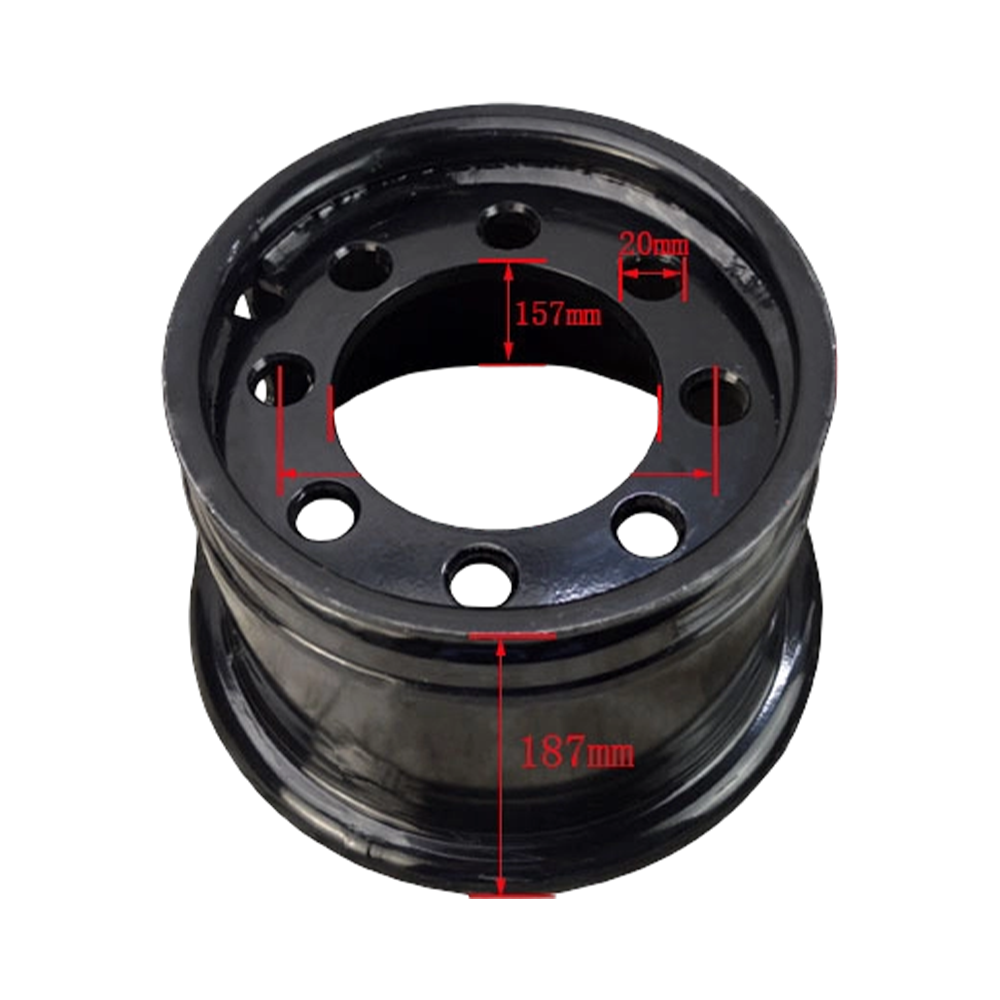
Steering cylinders, kingpin kits, heavy-duty drive axles, and precision-engineered wheel hubs.
Maintaining superior maneuverability and load-bearing strength across rough outdoor terrain and smooth indoor flooring.
Stability on uneven surfaces or tight turns depends on the integrity of the drive axle and steering components. Kingpin kits and wheel hubs must be forged to endure high vibration levels, a standard we enforce across our entire inventory at Shanghai HanDavos International Trading Co., Ltd. to ensure our clients receive components that mirror the durability of new machinery.
Electrical and Control Units
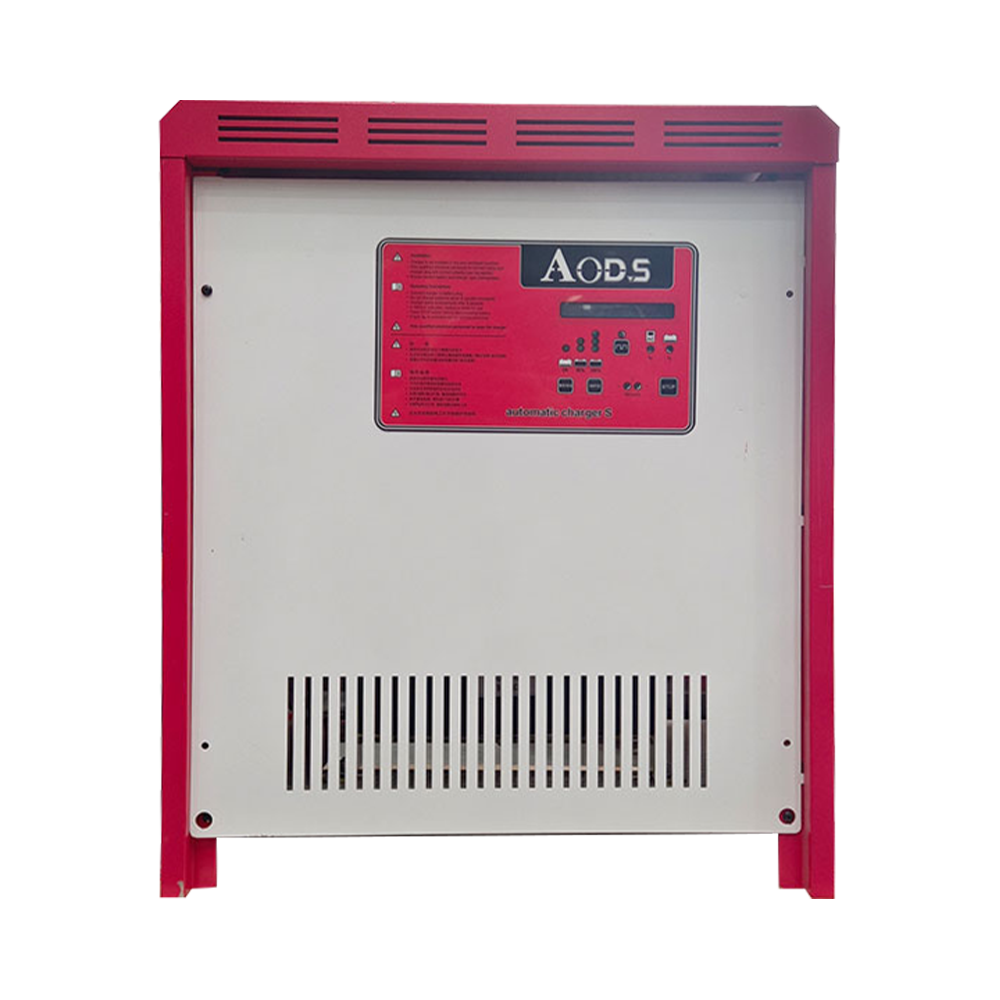
Alternators, starter motors, electronic control units (ECUs), dashboard instrumentation, and weather-sealed wiring harnesses.
Electrical reliability and consistent performance in demanding indoor and outdoor weather conditions.
Modern equipment relies on sophisticated electronics. From starter motors to complex wiring harnesses, electrical components must be weather-sealed and vibration-resistant to function consistently in varying facility conditions.
Undercarriage, Masts, and Load-Handling Attachments
Heavy-duty mast channels, precision roller bearings, high-tensile leaf chains, and reinforced carriage plates.
Forged steel fork tines, sideshifters, fork positioners, and specialized clamp attachments designed for diverse industrial cargo profiles.
The interface between the machine and the load is where structural integrity matters most. Warehouse operations dealing with high-bay racking or heavy palletized goods place immense mechanical stress on the mast and carriage assemblies. When maintaining these sections, precision fitment is mandatory to prevent uneven wear on the mast channels and rollers.
For facilities handling non-standard cargo profiles, upgrading or replacing load-handling attachments requires components designed for high tensile strength. Through over 20 years of industry experience, Shanghai HanDavos International Trading Co., Ltd. has supplied comprehensive attachment solutions—ranging from standard fork tines to specialized sideshifters and fork positioners—ensuring that every component integrates seamlessly with major equipment platforms.
Key Structural Specifications
| Mast Channels | Rolled High-Tensile Structural Steel | Designed to withstand high lateral bending moments under maximum lift height |
| Leaf Chains | Precision Heat-Treated Alloy Steel | High breaking strength engineered for millions of continuous lifting cycles |
| Fork Tines | Forged Boron-Carbon Steel (ISO 2328 compliant) | Load-tested to maintain structural safety factors well above nominal capacity |
| Carriage Plates | Heavy-Gauge Reinforced Steel Welds | Resists twisting and deformation during asymmetrical load placement |
Wear-and-Tear Maintenance Items
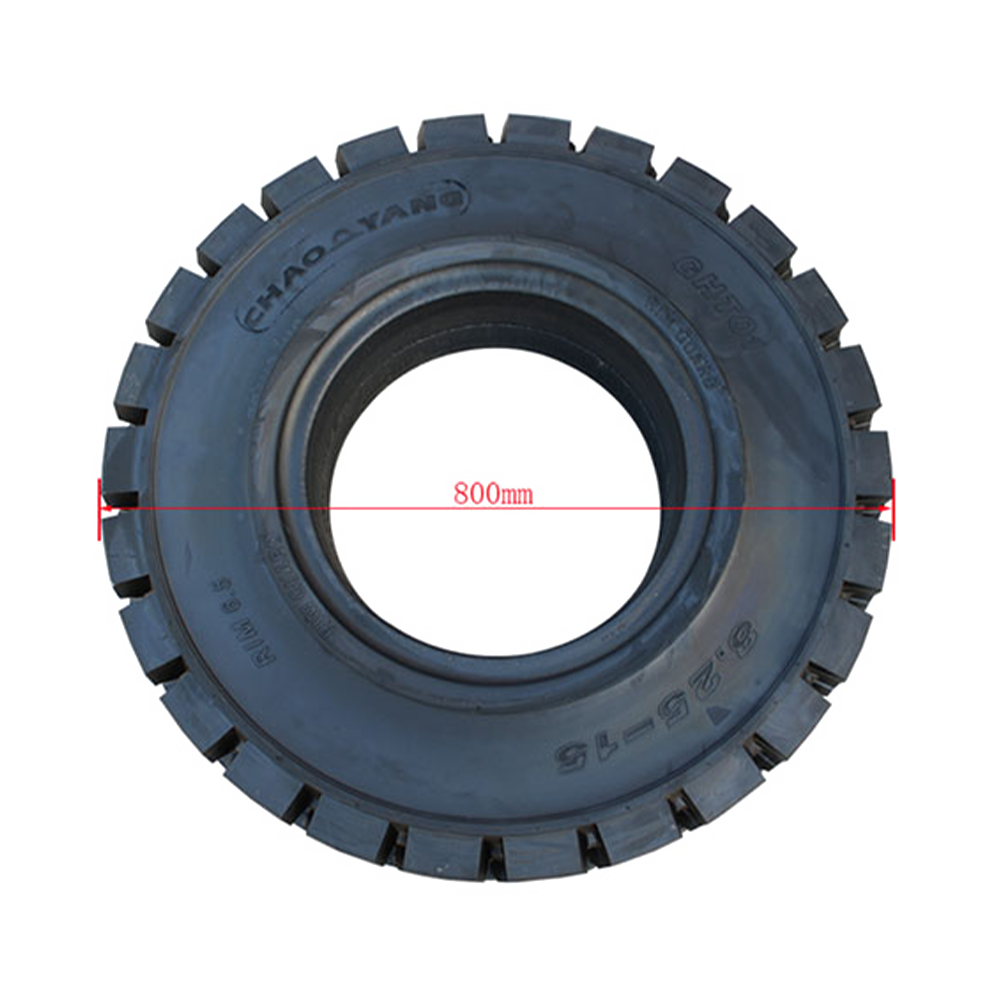
Solid and pneumatic replacement tires, industrial brake shoes, wheel cylinders, high-efficiency filters (air, oil, fuel, hydraulic), and ignition components.
Recommended preventive replacement schedules to extend the operational lifespan of heavy-duty industrial machinery fleets.
Even the most robust industrial machinery requires regular replacement of consumable items. Establishing a disciplined preventive maintenance schedule significantly extends the operational lifespan of the entire fleet. Operating out of a massive inventory stocked within our 20,000-square-meter modern standardized warehouses, Shanghai HanDavos International Trading Co., Ltd. provides rapid access to the essential high-wear items required to keep multi-shift fleets running without interruption.
High-Wear Component Breakdown
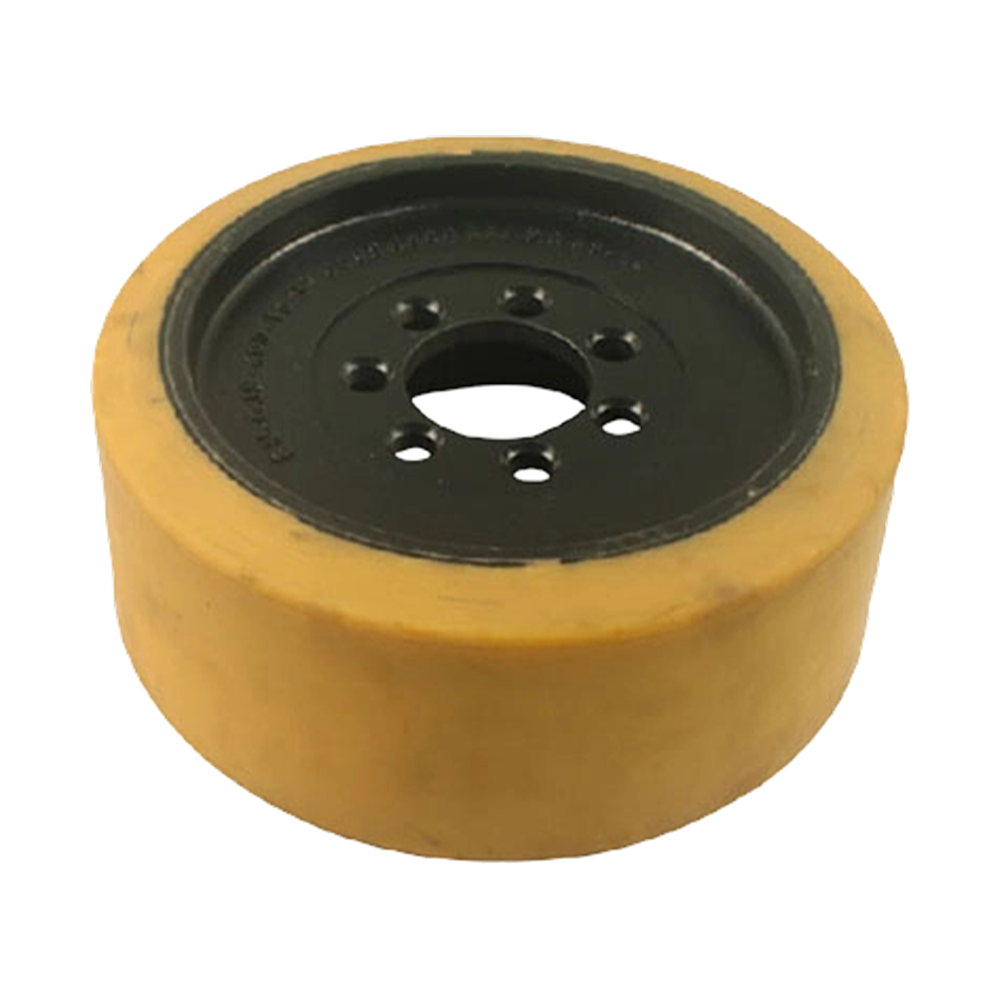
Tires and Wheels: Choosing between solid resilient tires and pneumatic tires depends directly on operating surfaces. Solid tires eliminate puncture risks in indoor concrete facilities, while pneumatic tires absorb shock on rough outdoor yards.
Braking Systems: Brake shoes, master cylinders, and wheel cylinders require periodic inspection for friction material thickness and hydraulic pressure retention to ensure immediate stopping power.
Filtration Kits: Air, oil, fuel, and hydraulic filters act as the primary defense against internal contamination. High-efficiency synthetic media filters trap microscopic debris, protecting pumps and injectors from premature scoring.
Regular inspection of these consumables prevents minor friction points from escalating into major overhauls, ensuring steady workflow continuity across all operational hours.
Key Criteria for Sourcing Heavy-Duty Industrial Equipment Components
OEM vs. High-Performance Aftermarket: Evaluating performance reliability, factory warranty coverage, and cost-efficiency trade-offs.
Material specifications, metallurgical purity standards, and ISO-certified manufacturing processes.
Verification of part numbers, equipment serial number matching, and strict cross-reference compatibility for specialized machinery models.
Selecting the right replacement components involves more than just matching a part number; it requires a rigorous evaluation of metallurgical standards, manufacturing precision, and structural reliability. Facility managers often face the critical decision of choosing between original equipment manufacturer (OEM) components and high-performance aftermarket alternatives. Understanding the balance between upfront expenditure and long-term durability is vital for maintaining steady operational workflows across demanding industrial environments.
To navigate these choices effectively, engineering and maintenance teams rely on established benchmarks. Shanghai HanDavos International Trading Co., Ltd. leverages its extensive two-decade background in the material handling sector to assist clients in vetting component specifications, ensuring every replacement part meets stringent ISO-certified manufacturing standards.
Component Sourcing Comparison Matrix
| Evaluation Factor | Original Equipment Manufacturer (OEM) | High-Performance Aftermarket |
| Fitment Precision | Exact factory tolerances tailored to specific machinery designs | Engineered to match or exceed original equipment specifications |
| Material Composition | Standardized proprietary metallurgical grades | Often utilizes enhanced alloy blends for improved wear resistance |
| Cost-Efficiency | Higher initial investment tied to brand specifications | Optimized cost structure for large-scale fleet maintenance |
| Warranty & Support | Backed directly by equipment manufacturing guidelines | Supported by dedicated supplier quality assurances |
Beyond brand tiers, verifying precise part numbers, equipment serial number matching, and cross-reference compatibility prevents costly installation delays. When sourcing components for diverse fleets, partnering with an established enterprise group like Shanghai HanDavos International Trading Co., Ltd. ensures access to comprehensive technical support and rigorous pre-sales consultation, helping maintenance teams resolve complex compatibility challenges before installation.
Factory-Direct Supply Solutions for Volume Requirements
Advantages of partnering directly with certified manufacturing facilities for large-volume component orders.
Supply Chain Stability: Production lead times, optimized container loading, and international ocean freight logistics management.
Custom manufacturing capabilities, private-label packaging options, and comprehensive factory technical support for industrial clients.
Maintaining high fleet availability requires a stable, uninterrupted supply chain. Relying on fragmented suppliers often leads to extended lead times and unpredictable delivery schedules, which can disrupt daily logistics operations. Partnering directly with a specialized enterprise group streamline the entire acquisition process, from initial inquiry to final container delivery.
Strategically positioned in Kunshan City with exceptional transportation accessibility, Shanghai HanDavos International Trading Co., Ltd. operates more than 20,000 square meters of modern standardized warehouses. This massive infrastructural capacity allows for the maintenance of a diverse, high-volume inventory, ensuring rapid order fulfillment and seamless one-stop equipment procurement for global partners.
Core Advantages of Direct Factory Sourcing
Optimized Supply Chain Stability: Substantially reduced lead times through direct warehouse consolidation and efficient container loading logistics.
Comprehensive Customization: Flexible manufacturing capabilities, bespoke component engineering, and private-label packaging options tailored to specific operational requirements.
Technical Integration Support: Dedicated engineering and after-sales specialists providing hands-on guidance for complex retrofits and multi-shift maintenance frameworks.
Frequently Asked Questions
How do facility managers verify exact part compatibility for specialized machinery models?
Explanation of equipment serial number matching, parts manual cross-referencing, and engineering specification verification.
What is the typical warranty coverage for factory-direct replacement components?
Standard industry benchmarks covering manufacturing defects, expected operational lifespans, and formal replacement policies.
How are large-volume orders packaged and prepped for international ocean freight?
Overview of export-grade wooden crating, anti-corrosion treatments, and secure container consolidation standards.
What is the recommended replacement interval for high-wear items like hydraulic filters and brake assemblies?
Operational hour thresholds and environmental factors—such as dust and extreme temperatures—influencing maintenance schedules.
Can manufacturing facilities supply custom-engineered components for non-standard or legacy machinery?
Engineering review processes, prototype sample testing, and production guidelines for bespoke industrial requirements.
How do facility managers verify exact part compatibility for specialized machinery models?
Verifying correct part fitment relies heavily on cross-referencing equipment serial numbers with official parts manuals rather than depending solely on general visual similarities. Because minor engineering revisions can occur even within the same product generation, maintaining close technical communication with experienced suppliers is essential. Shanghai HanDavos International Trading Co., Ltd. provides dedicated pre-sales technical consultation through its expert engineering team, helping maintenance personnel cross-check blueprints, part numbers, and technical specifications to guarantee precise installation on the first attempt.
What is the typical warranty coverage for factory-direct replacement components?
Warranty standards generally reflect the manufacturing precision and material quality of the component. Industrial-grade replacement parts typically carry coverage ranging from six months to one year against structural defects and material failures. Partnering with an established enterprise group like Shanghai HanDavos International Trading Co., Ltd. ensures that every shipped component is backed by rigorous quality control protocols and dependable after-sales support, giving facility operators confidence in long-term reliability.
How are large-volume orders packaged and prepped for international ocean freight?
International transit exposes cargo to shifting moisture levels, severe vibrations, and heavy stacking forces. Proper export-grade packaging is therefore vital to prevent transit damage. Standard preparation includes moisture-barrier wrapping, anti-corrosion chemical treatments for bare metal surfaces, and secure fumigated wooden crating or palletization. Leveraging optimized container loading layouts within our expansive warehouse facilities, Shanghai HanDavos International Trading Co., Ltd. ensures that large-volume shipments arrive at international destinations structurally intact and ready for immediate deployment.
What is the recommended replacement interval for high-wear items like hydraulic filters and brake assemblies?
Maintenance schedules depend heavily on operating intensity, environmental dust levels, and duty-cycle demands. As a general operational benchmark:
Hydraulic and Air Filters: Typically inspected every 250 operating hours and replaced between 500 to 1,000 hours, depending on atmospheric debris levels.
Brake Shoes and Master Cylinders: Subject to periodic physical inspection every 500 hours, with replacement triggered when friction material drops below specified minimum thickness thresholds.
Industrial Tires: Monitored continuously for rubber chunking, tread wear limits, and sidewall cracking, with replacement scheduled before structural cord layers become exposed.
Can manufacturing facilities supply custom-engineered components for non-standard or legacy machinery?
Sourcing components for older or modified equipment often presents unique challenges due to discontinued factory lines. Custom engineering solutions bridge this gap through precise reverse engineering and sample testing. Shanghai HanDavos International Trading Co., Ltd. leverages comprehensive industry expertise and flexible supply networks to assist clients with specialized custom components, ensuring legacy systems continue operating at peak efficiency without costly premature equipment replacement.
