


 English
 中文简体
中文简体 русский
 Español
 عربى
عربى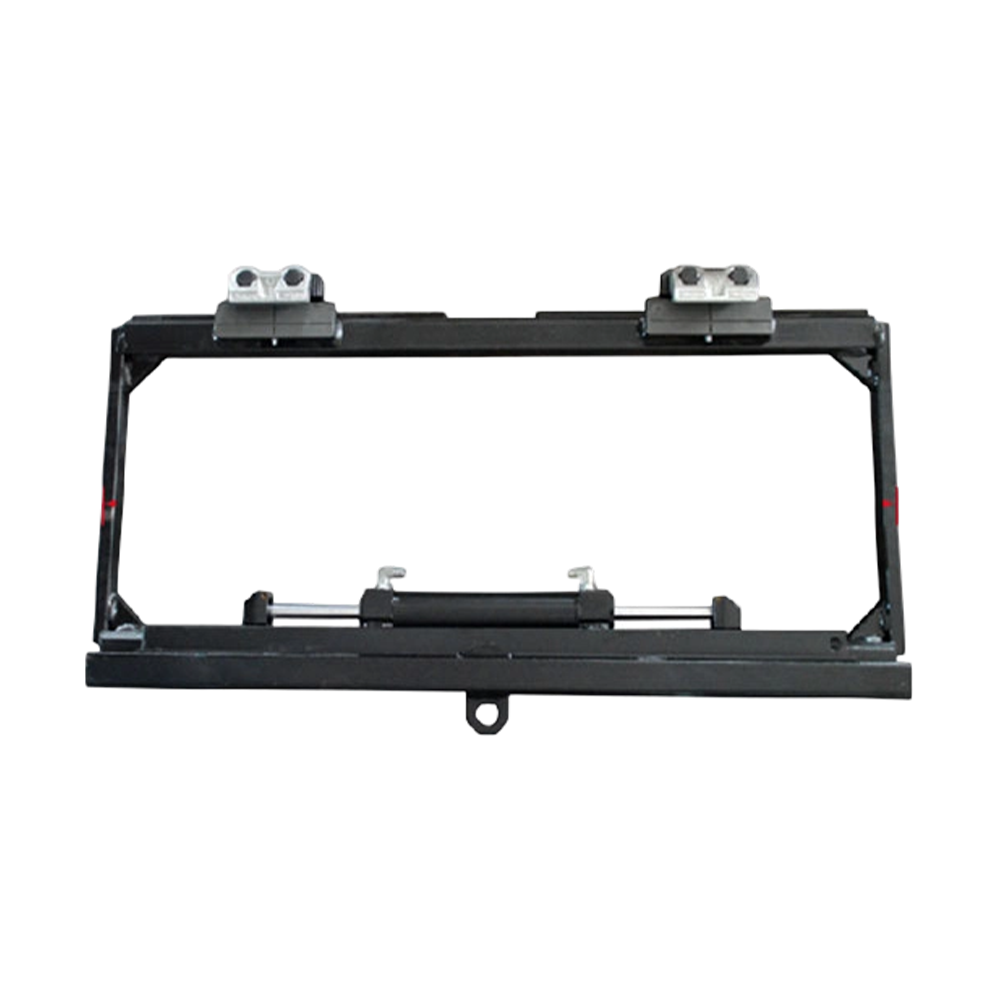
Maximizing Material Handling Efficiency with a Forklift Side Shifter
In today’s fast-paced industrial landscape, the speed and precision of material handling directly dictate the overall productivity of a facility. Every second spent maneuvering a forklift into the perfect position to pick up or deposit a load is a second that could be better spent on productive movement. This is where the integration of a high-quality Forklift Side Shifter becomes a strategic asset for any warehouse or manufacturing operation. By allowing the operator to shift the fork carriage laterally—typically up to 100mm or more in either direction—this attachment effectively eliminates the need for repetitive, micro-adjustments of the truck itself.
As an organization with over 20 years of experience in the material handling industry, Shanghai HanDavos International Trading Co., Ltd. recognizes that optimized equipment is the foundation of high-throughput operations. Whether managing heavy machinery in a large-scale manufacturing plant or organizing high-density storage, the objective remains the same: reducing transit cycles and enhancing agility. By integrating a reliable Forklift Side Shifter, operators can achieve a significantly higher level of accuracy, reducing the risk of collisions and structural damage to palletized goods, which in turn safeguards the integrity of the entire supply chain.
What is a Forklift Side Shifter and How Does It Work?
At its core, a Forklift Side Shifter is a hydraulic attachment designed to provide lateral movement to the forklift’s carriage. Rather than relying on the vehicle’s engine to reposition the entire chassis, the operator utilizes a simple hydraulic control to slide the forks left or right. This mechanical flexibility is essential when working in narrow-aisle environments or when loading vehicles where precise placement is mandatory.
The mechanism relies on a heavy-duty hydraulic cylinder integrated into the carriage frame. When the operator engages the auxiliary valve, fluid pressure forces the carriage to glide smoothly along a set of wear-resistant sliding bars. The precision of this movement is critical; it is the reason why Shanghai HanDavos International Trading Co., Ltd. prioritizes rigorous manufacturing standards for all the attachments we distribute. Because we operate over 20,000 square meters of warehousing space, we understand that high-frequency use demands components that do not sacrifice structural integrity for mobility. A well-engineered Forklift Side Shifter not only minimizes floor wear by reducing the need for aggressive steering but also ensures that every pallet is positioned with professional accuracy, thereby streamlining the high-density stacking process essential for modern storage facilities.
Key Technical Specifications to Evaluate When Sourcing a Forklift Side Shifter
Selecting the correct Forklift Side Shifter requires a technical assessment of the truck’s operational requirements and the physical constraints of the work environment. To ensure peak performance, it is vital to match the attachment’s specifications to the forklift’s capacity and carriage design.
Below is a comparison of typical technical parameters that should be considered to ensure compatibility and performance:
| Feature | Class II Side Shifter | Class III Side Shifter | Class IV Side Shifter |
| Forklift Capacity | 1,000kg – 2,500kg | 2,500kg – 5,000kg | 5,000kg – 8,000kg |
| Typical Travel Range | ±100mm | ±100mm – ±150mm | ±150mm – ±200mm |
| Mounting Standard | ISO 2328 Class II | ISO 2328 Class III | ISO 2328 Class IV |
| Hydraulic Pressure | 140 – 160 bar | 160 – 180 bar | 180 – 200 bar |
Beyond these base parameters, compatibility with the truck’s auxiliary hydraulic circuits is paramount. At Shanghai HanDavos International Trading Co., Ltd., our technical engineering team emphasizes the importance of verifying the hydraulic flow and pressure requirements before installation. Ensuring that the attachment matches the existing valve functions prevents pressure drops and ensures fluid, consistent movement. Whether retrofitting an existing fleet or outfitting new equipment, we assist partners in verifying that the carriage width and fork compatibility are perfectly aligned with the specific pallet sizes handled by the facility, as mismatching these can lead to premature wear and reduced load stability.
Major Industrial Applications and Operating Environments
The versatility of a Forklift Side Shifter makes it an indispensable asset across a wide range of demanding industrial sectors. When operating heavy machinery in high-throughput environments, the ability to make micro-adjustments without repositioning the vehicle prevents unnecessary wear on tires, flooring, and the chassis itself.
Different industries place unique mechanical demands on material handling attachments, requiring specific design adaptations:
High-Density Warehousing and Narrow-Aisle Facilities: In operations where space is at a premium, storage racks are placed close together to maximize cubic capacity. A Forklift Side Shifter allows operators to align pallets perfectly within narrow racking slots, significantly reducing placement times and preventing costly impacts with upright frame columns.
Heavy Manufacturing and Logistics Hubs: Assembly lines and distribution centers require constant movement of bulky raw materials and finished goods. The attachment streamlines the staging and loading processes, ensuring that heavy components are positioned with millimeter precision.
Construction Material Yards: Handling rough, heavy loads such as timber bundles, structural steel elements, and palletized masonry demands exceptional structural resilience. Equipment in these environments must withstand heavy shock loads and abrasive outdoor conditions without compromising operational smoothness.
Cold Storage and Specialized Facilities: Low-temperature environments require specialized seals and hydraulic fluids that prevent freezing and pressure loss.
To support diverse operational demands, Shanghai HanDavos International Trading Co., Ltd. leverages its 20 years of industry expertise to provide attachments engineered for these exact working conditions. Operating from a headquarters in Kunshan City with over 20,000 square meters of modern standardized warehousing, a massive inventory of material handling equipment and attachments is readily maintained. This robust infrastructure allows the technical and engineering support teams to help facilities match the correct Forklift Side Shifter configuration to specific operational environments, ensuring long-term durability and reliable performance under rigorous, continuous work cycles.
Evaluation Criteria for Selecting High-Performance Attachments
Investing in material handling attachments requires a rigorous evaluation of manufacturing standards, structural integrity, and long-term reliability. Selecting a subpar component can lead to frequent hydraulic leaks, uneven sliding motion, and costly operational downtime. When evaluating a Forklift Side Shifter, technical teams must examine the underlying manufacturing processes and quality validation protocols to ensure the equipment can withstand intense, multi-shift daily operations.
Below is a comparison of standard versus heavy-duty industrial benchmarks that should guide the selection process:
| Evaluation Metric | Standard Grade | Heavy-Duty Industrial Grade |
| Plate Steel Thickness | Standard gauge structural steel | High-tensile, reinforced alloy steel for enhanced impact resistance |
| Durability Testing Cycles | Standard factory test (approx. 50,000 cycles) | Extended fatigue testing (exceeding 100,000 continuous cycles) |
| Surface Treatment | Standard industrial paint coating | Multi-layer anti-corrosion primer with wear-resistant powder finish |
| Seal Integrity | Standard rubber compound | High-temperature, high-pressure resistant polyurethane wiper seals |
To eliminate guesswork during the sourcing process, Shanghai HanDavos International Trading Co., Ltd. maintains strict quality control protocols across all supplied attachments. Backed by over 20 years of expertise in the material handling sector, the enterprise ensures that every Forklift Side Shifter undergoes rigorous factory testing—including structural stress validation and burst pressure checks—before entering inventory.
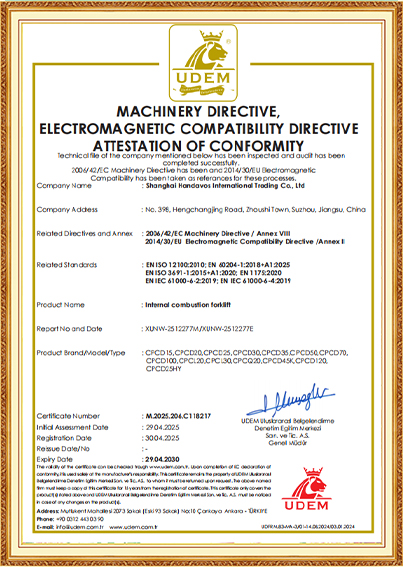
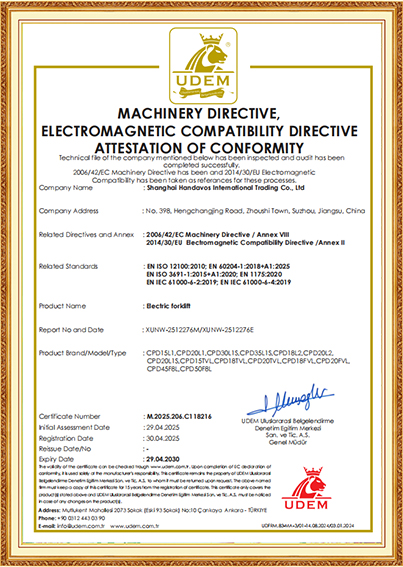
Furthermore, having access to a comprehensive stock housed within more than 20,000 square meters of modern standardized warehousing in Kunshan City allows technical specialists to offer rapid order fulfillment and tailored customization options. Whether an operation requires specialized mounting configurations, private labeling, or detailed documentation including ISO and CE certifications, the experienced after-sales and technical teams at Shanghai HanDavos International Trading Co., Ltd. provide complete pre-sales consultation and reliable spare seal kit availability to ensure seamless long-term fleet integration.
Installation, Routine Maintenance, and Troubleshooting Best Practices
Ensuring the longevity and safety of material handling equipment depends heavily on correct installation and a disciplined preventive maintenance routine. Because a Forklift Side Shifter operates under high hydraulic pressures and constant mechanical friction, neglecting basic upkeep can lead to premature wear, sluggish movement, and potential safety hazards on the warehouse floor.
Implementing a systematic approach to maintenance keeps operations running smoothly and protects the capital investment in the equipment. Below is a recommended maintenance and inspection schedule for fleet management teams:
| Maintenance Interval | Action Item | Key Focus Area |
| Daily Pre-Operation | Visual Inspection | Check for hydraulic oil leaks around cylinders and fittings; inspect sliding bars and wear pads for foreign debris or cracking. |
| Weekly (Every 50 Hours) | Lubrication & Cleaning | Apply high-grade grease to sliding contact surfaces and grease fittings; clean out accumulated dust and grit from carriage channels. |
| Monthly (Every 200 Hours) | Fastener & Pressure Check | Verify torque on all mounting bolts and ISO class brackets; check auxiliary hydraulic line pressure and hose integrity. |
| Semi-Annually (Every 1000 Hours) | Clearance & Seal Evaluation | Measure wear pad thickness to ensure side-play remains within safe tolerances; inspect internal hydraulic cylinder seals for bypass or weeping. |
When technical challenges arise in the field—such as uneven side-shifting movement, pressure drops, or jerky sliding action—quick diagnosis is essential. Common issues often trace back to air trapped in the auxiliary hydraulic lines, insufficient lubrication on the guide bars, or worn-out composite wear pads that require immediate replacement.
To help technical teams minimize downtime, Shanghai HanDavos International Trading Co., Ltd. provides comprehensive after-sales support and technical guidance. Leveraging over 20 years of industry experience, the technical engineers at the Kunshan headquarters are fully equipped to assist clients with troubleshooting complex operational issues, offering timely advice on replacement parts and proper maintenance procedures. Additionally, with an extensive inventory of forklift spare parts and complete replacement components stocked across more than 20,000 square meters of modern warehousing, clients have rapid access to necessary seal kits, replacement wear pads, and hydraulic hoses to keep their fleets operating at peak efficiency.
Frequently Asked Questions About Forklift Side Shifters
How does a Forklift Side Shifter affect the overall residual load capacity of a forklift?
Installing any front-end attachment shifts the center of gravity forward and adds dead weight to the carriage. Typically, a standard Forklift Side Shifter reduces the nominal lifting capacity of the truck by a small percentage (often between 5% to 10%) and slightly extends the load center distance. Fleet operators must consult the truck manufacturer’s updated capacity plate or partner with engineering specialists to calculate exact residual capacities before handling maximum-load tiers.
What is the structural and operational difference between an integrated side shifter and a hang-on hook-type side shifter?
Choosing between design configurations depends on the specific intensity of the material handling operations. The table below outlines the primary structural differences:
| Feature | Integrated Side Shifter | Hang-On (Hook-Type) Side Shifter |
| Carriage Integration | Built directly into the forklift mast carriage assembly as a unified structure | Mounted onto the existing fork carriage via standard ISO hooks |
| Lost Load Center | Minimal forward extension, maximizing residual lifting capacity | Slightly larger forward extension, resulting in a minor reduction in capacity |
| Installation & Removal | Factory-installed or permanent modification; higher rigidity | Easily mounted or dismounted using standard manual locking pins |
| Typical Application | Dedicated high-intensity fleets requiring maximum stability | Versatile operations where attachments need frequent swapping |
How often should sliding wear pads and high-pressure hydraulic hoses be inspected and replaced in heavy-duty cycles?
In demanding multi-shift environments, composite wear pads and hydraulic lines experience continuous mechanical friction and pressure fluctuations. Sliding wear pads should be physically measured every 500 operating hours and replaced before thickness drops below manufacturer-specified tolerances (usually around 3mm to 4mm). Hydraulic hoses should undergo a thorough visual and pressure check monthly, with a recommended full replacement interval every 12 to 18 months to prevent sudden rupture under peak load pressure.
Can a standard Forklift Side Shifter be easily retrofitted onto older electric or internal combustion engine forklifts?
Yes, retrofitting is widely practiced across existing industrial fleets. The primary requirement is verifying that the forklift’s carriage conforms to standard ISO dimensions (such as Class II or Class III) and that the truck features a functional auxiliary hydraulic circuit to drive the side-shifting cylinder. When operators or fleet maintenance teams require assistance with compatibility assessments, Shanghai HanDavos International Trading Co., Ltd. leverages over 20 years of profound industry experience to provide technical guidance. Backed by an extensive inventory of complete spare parts and attachments stocked across more than 20,000 square meters of modern standardized warehousing in Kunshan City, technical specialists help match the exact retrofitting components needed for various machinery configurations.
What manufacturing quality documentation, commercial shipment terms, and volume production thresholds apply for bulk factory orders?
Bulk equipment and attachment orders typically require strict adherence to international standards, including ISO and CE compliance certificates, burst pressure testing reports, and material traceability sheets. For shipping and logistics, standard commercial terms such as FOB (Free On Board) or CIF (Cost, Insurance, and Freight) are commonly utilized to manage container-load dispatches smoothly. To support global distribution, Shanghai HanDavos International Trading Co., Ltd. maintains a robust operational structure from its headquarters, ensuring transparent volume production thresholds, reliable lead times, and comprehensive after-sales support designed to meet large-scale equipment management demands.
