2026-08-11
Content
Warehouse operators, cold storage facilities and manufacturing plants rely on an Electric Forklift for daily material handling tasks. This equipment category covers a wide range of load capacities, mast configurations and battery systems. Buyers researching electric forklifts often ask about battery life, correct operating procedures, real-world value and the difference between electric and combustion-powered units. This page brings together technical details, comparison data and practical guidance drawn from factory production standards and field usage across warehousing, logistics, retail distribution and heavy manufacturing environments.
An electric forklift replaces the diesel or LPG engine found on traditional lift trucks with a battery pack and electric drive motor. The result is a machine built for indoor operation, food-grade facilities, pharmaceutical warehouses and any environment where exhaust emissions and combustion noise are not acceptable. Production teams building electric forklifts focus on motor efficiency, battery compartment design, hydraulic response and chassis stability across every model in the lineup. Understanding how these systems work together helps operations managers select equipment that matches shift length, aisle width, floor surface and load characteristics specific to their facility.
This guide walks through the mechanical components that define electric forklift performance, the battery chemistries available today, correct operating sequences for daily use, a full specification comparison table, and answers to the questions most frequently raised by warehouse managers evaluating a switch from combustion equipment to electric power.
Every electric forklift is built around four core systems: the battery pack, the drive motor, the hydraulic lift assembly and the control unit that manages power delivery. The way these four systems are engineered together determines lift speed, travel speed, load stability and total service life. Facilities comparing models from different production lines should look closely at how each of these systems is specified, since two forklifts with identical rated load capacity can perform very differently depending on motor type and controller programming.
Hydraulic lift assemblies on electric forklifts are powered by a dedicated pump motor separate from the drive motor, allowing the mast to raise and lower a load while the truck remains stationary or in motion without a drop in travel speed. This dual-motor arrangement is one of the clearest mechanical differences between electric and combustion forklifts, where a single engine handles both propulsion and hydraulic pressure through a shared belt or gear system. Separating these two functions on an electric forklift results in more consistent lift speed regardless of engine load, and it simplifies diagnostic work when a technician needs to isolate a hydraulic fault from a drivetrain fault.
Tire selection also plays a direct role in how an electric forklift performs across different floor surfaces. Cushion tires, built from solid rubber compound bonded to a steel band, are standard on indoor warehouse models and provide a lower overall vehicle height along with a tighter turning circle. Pneumatic tires, either solid-fill or air-filled, are specified for outdoor yard work or uneven concrete surfaces, trading some maneuverability for shock absorption and traction. Polyurethane tires sit between these two categories and are common on reach trucks and narrow-aisle equipment where floor protection and low rolling resistance matter more than outdoor durability.
Load capacity, mast lift height and battery voltage vary across electric forklift model ranges. The table below lists common configurations produced across standard factory model lines, useful for matching equipment to warehouse rack height and pallet weight requirements. Facility managers should cross-reference this table against actual pallet weights, since rated capacity typically applies at a standard 500mm load center and drops as load center distance increases.
| Model Class | Rated Load Capacity | Battery Voltage | Standard Lift Height | Travel Speed (Loaded) |
|---|---|---|---|---|
| Light Duty | 1.0 - 1.5 Ton | 24V / 48V | 3.0 - 4.5 m | 10 - 12 km/h |
| Standard Duty | 1.5 - 2.5 Ton | 48V / 80V | 3.0 - 6.0 m | 12 - 15 km/h |
| Heavy Duty | 3.0 - 5.0 Ton | 80V | 4.5 - 6.5 m | 15 - 18 km/h |
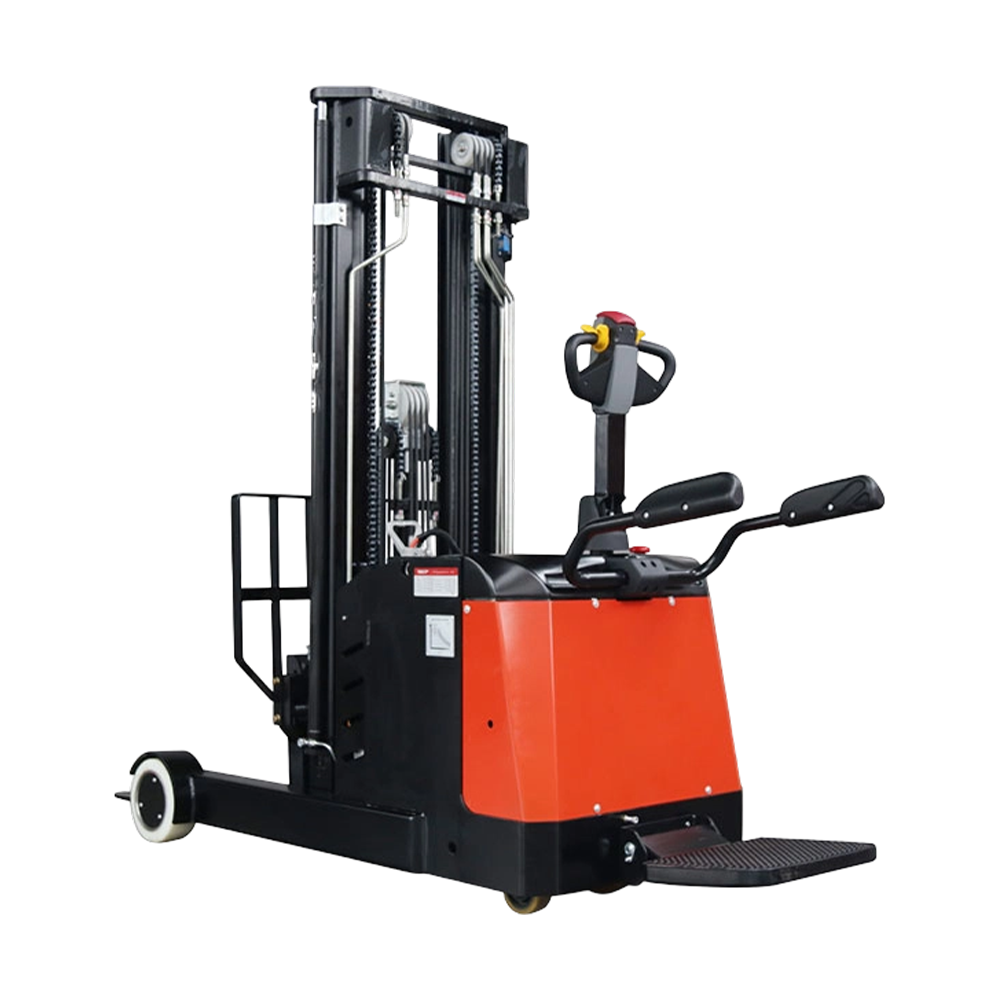
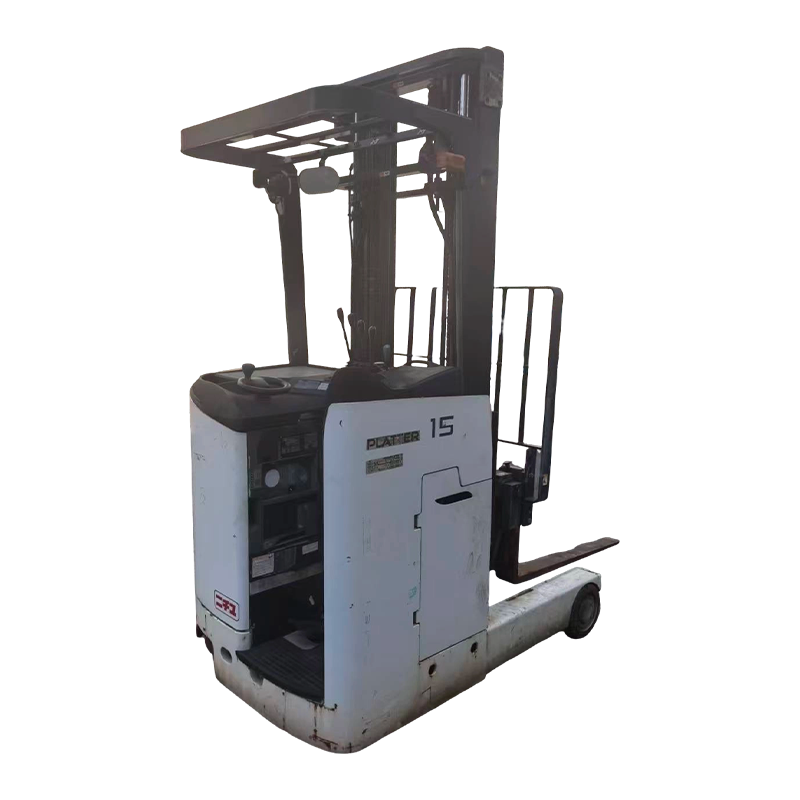
| Reach Truck Class | 1.4 - 2.0 Ton | 48V / 80V | 6.0 - 11.0 m | 10 - 14 km/h |
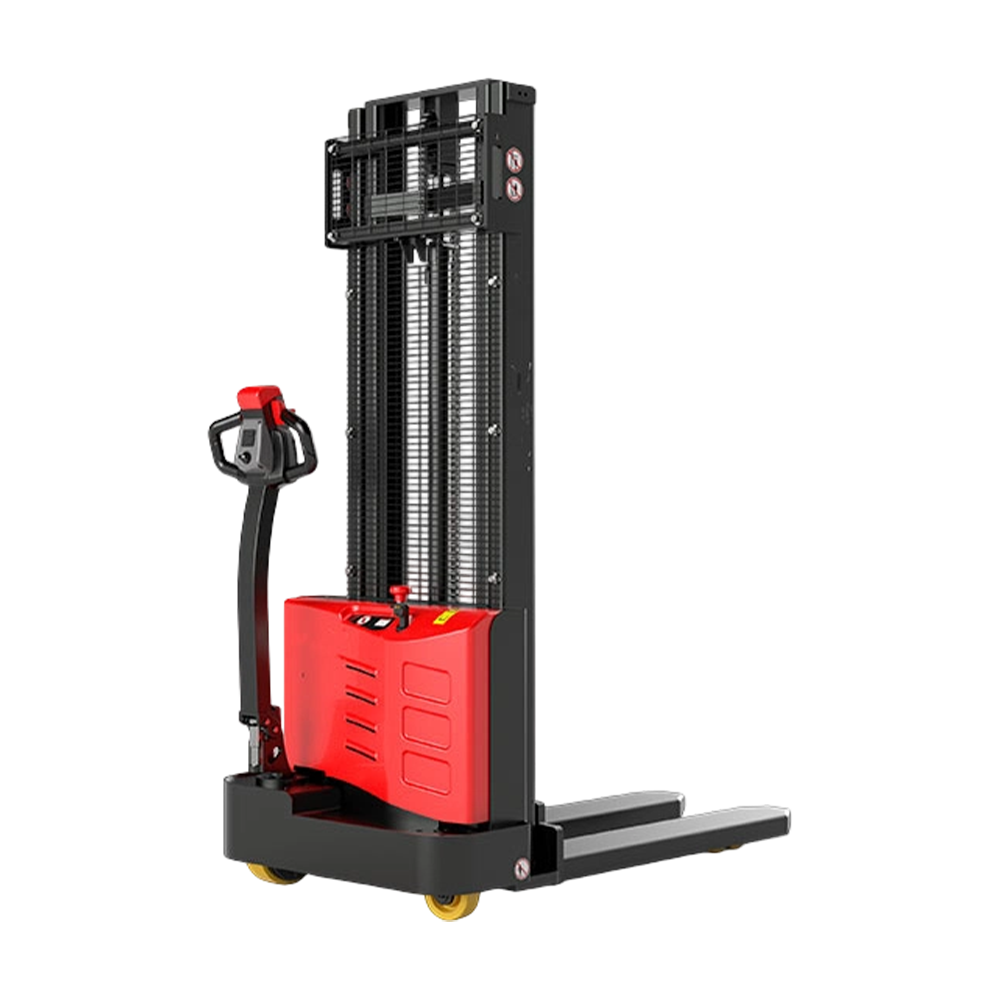
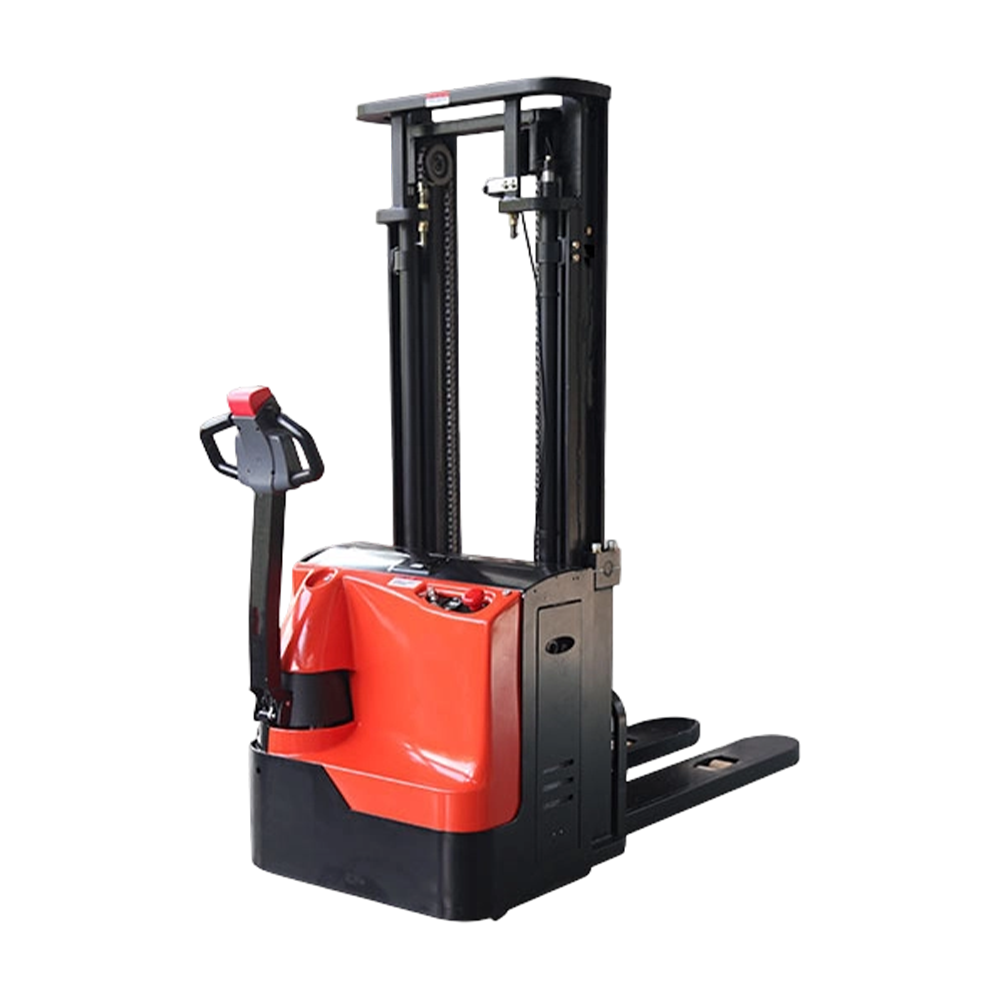
| Pallet Stacker Class | 1.0 - 2.0 Ton | 24V / 48V | 2.5 - 5.5 m | 6 - 9 km/h |
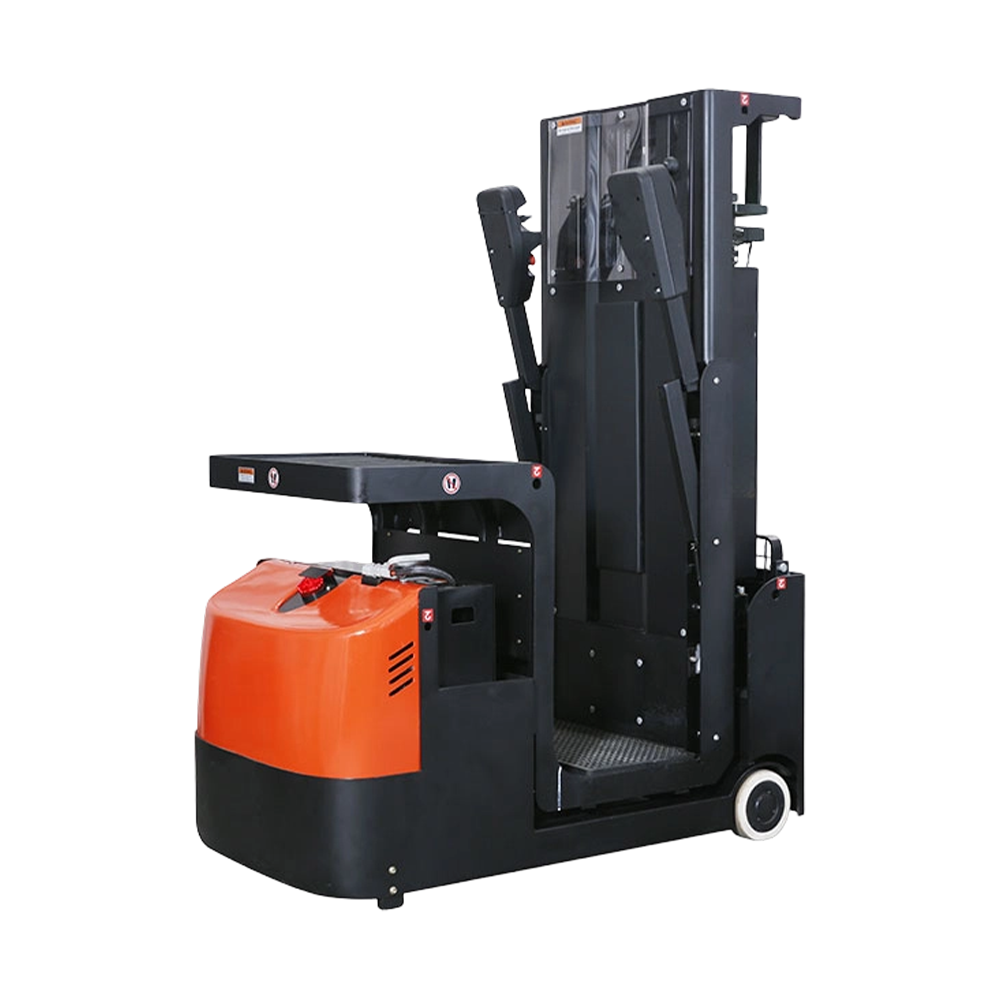
| Order Picker Class | 0.5 - 1.0 Ton | 24V / 48V | 4.0 - 9.0 m | 6 - 10 km/h |
Wheelbase length and overall chassis width also shift across these classes. Heavy duty electric forklifts rated above 3 tons typically use a four-wheel counterbalance layout for stability under load, while standard and light duty models often use a three-wheel layout to achieve a tighter turning radius suited to aisle widths below three meters. Reach truck and order picker classes are purpose-built for narrow-aisle racking systems and are rarely used outside of structured warehouse environments due to their reduced ground clearance and lower top travel speed.
Lead-acid battery packs installed on standard electric forklifts support roughly 1,500 charge cycles across a service life of four to five years under a single daily charging routine. A fully charged pack typically sustains six to eight hours of continuous work depending on load weight, ramp gradient and lift frequency. Lead-acid cells also lose a portion of usable capacity as ambient temperature drops, which matters for facilities running cold storage aisles below 0°C.
Lithium-ion packs extend the cycle count to 3,000-5,000 charges, pushing usable battery life toward eight to ten years. Opportunity charging during shift breaks is possible with lithium packs without shortening battery lifespan, a limitation that applies to lead-acid systems, where partial charging accelerates plate sulfation and shortens overall pack life.
Battery capacity is measured in amp-hours, and the amp-hour rating combined with pack voltage determines total energy storage available for a shift. A 48V pack rated at 620 amp-hours stores roughly 30 kilowatt-hours of usable energy, enough to support a single eight-hour shift under moderate load conditions. Facilities running two or three shifts per day should evaluate either a larger amp-hour pack, a battery swap station, or a lithium pack with opportunity charging capability to avoid mid-shift downtime.
Charging infrastructure also factors into total battery lifespan. A dedicated charging room with ventilation, eyewash stations and spill containment is standard practice for lead-acid battery fleets due to hydrogen off-gassing during the charge cycle. Lithium-ion packs remove most of these infrastructure requirements since they do not off-gas under normal charging conditions, allowing charging stations to be placed closer to the active work floor and reducing the distance operators travel during a battery swap or charge cycle. This placement flexibility often improves overall fleet utilization, since operators spend less time walking to and from a charging area.
Correct operating procedure protects the operator, nearby staff and the load being transported. Factory training documentation for electric forklift units generally covers the following operating stages, and most facilities require operators to complete a certification course covering both classroom instruction and supervised practical driving hours before independent operation.
Operators should also be trained on load capacity plates specific to each electric forklift, since rated capacity changes based on lift height and load center distance. A forklift rated for 2,000 kg at a 500mm load center may only safely lift a reduced weight once the mast is extended to its maximum height, and understanding this derating curve prevents overloading incidents that account for a significant share of warehouse equipment accidents. Facilities should post capacity charts near charging stations and include this material in recurring refresher training sessions.
Maintenance scope is another factor that separates electric forklifts from combustion equipment in daily operation. A typical electric forklift service schedule covers hydraulic fluid checks, brake inspection, tire wear, battery terminal cleaning and electrical connection torque checks. Combustion forklifts add engine oil changes, air filter replacement, fuel system inspection, spark plug or glow plug service, and exhaust system checks to that same list. Fewer service points on an electric forklift generally translate into fewer scheduled downtime hours across a calendar year, which matters most for facilities running equipment across multiple shifts with limited spare units.
Purchase price for an electric forklift generally runs higher than a comparable combustion unit, tied to battery pack and controller cost. Total cost across a five-year ownership period shifts in favor of the electric model once fuel savings, reduced maintenance labor and longer component life are factored in. Facilities running multiple shifts per day, or operating inside temperature-controlled storage, see the fastest return given the restrictions combustion trucks face in those environments.
Fuel and energy cost comparisons vary by region and utility rate, but the general pattern holds across most markets: a combustion forklift burning diesel or LPG across an eight-hour shift consumes fuel priced per liter or per gallon, with cost scaling directly against engine load and idle time. An electric forklift drawing power from a standard industrial charger consumes electricity priced per kilowatt-hour, and because the drive motor only consumes power during active movement or lifting rather than continuous combustion, energy cost per operating hour tends to run lower across comparable duty cycles. Facilities evaluating a fleet transition should calculate this comparison against their own utility rate and current fuel purchase price rather than relying on general industry averages, since local energy pricing varies significantly.
Resale value also factors into the total ownership calculation. Electric forklifts with well-maintained battery packs and low accumulated hour meters tend to hold resale value reasonably well, particularly units under 5 years of age with lithium battery systems still within their primary service life. Battery replacement cost should be factored into any resale value estimate on older lead-acid equipment, since a buyer purchasing a unit near the end of its original battery life will need to budget for pack replacement shortly after acquisition.
Fleet composition data from warehouse and distribution facilities shows electric units dominating the sub-3-ton capacity segment, tied to aisle width restrictions and indoor air quality rules in modern distribution centers. Combustion forklifts retain a share of outdoor yard work, construction sites and rough-terrain applications where ground clearance and continuous refueling matter more than battery charge scheduling. A forklift electric forklift comparison at the fleet level typically separates indoor pallet handling tasks from outdoor bulk material tasks, with each power source matched to its operating environment.
Facilities that operate both indoor and outdoor zones often run a mixed fleet, assigning electric forklifts to climate-controlled storage, order picking and dock-to-rack transfers, while reserving combustion or rough-terrain equipment for yard consolidation, container unloading and outdoor lumber or steel handling. This mixed approach allows a facility to match each unit's strengths to the task rather than forcing a single power source across every application, and it is one of the more common configurations found in mid-size and large distribution operations.
Factory production lines configure electric powered forklifts across multiple chassis types beyond the standard counterbalance design. Reach trucks extend lift height inside narrow-aisle racking systems. Pallet stackers handle lighter loads across retail and small-warehouse floor plans. Order pickers raise the operator platform alongside the load for case-picking tasks. Each configuration shares the same core battery and motor technology while adapting mast geometry, fork spacing and chassis width to the target application.
A structured maintenance calendar keeps an electric forklift running at rated performance across its full service life and prevents the small issues that lead to unplanned downtime. Daily checks fall to the operator, while weekly, monthly and quarterly checks are typically handled by a maintenance technician or an outside service provider.
| Interval | Check Points | Responsible Party |
|---|---|---|
| Daily | Battery charge, hydraulic fluid level, tire condition, horn, warning lights, fork condition | Operator |
| Weekly | Battery terminal cleaning, brake pedal travel, mast chain lubrication | Maintenance Technician |
| Monthly | Hydraulic hose inspection, wheel bearing check, seat belt and overhead guard bolts | Maintenance Technician |
| Quarterly | Battery load test, motor brush inspection (DC models), controller diagnostic scan | Service Provider |
| Annual | Full mast disassembly and chain replacement evaluation, capacity plate verification | Service Provider |
Skipping scheduled checks is one of the most common causes of premature electric forklift failure, particularly around battery terminal corrosion, which increases electrical resistance and reduces both charging efficiency and available power under load. A quarterly battery load test catches capacity loss before it becomes severe enough to interrupt a shift, giving maintenance planners time to schedule pack replacement during a planned downtime window rather than reacting to an unexpected failure on the floor.
Different facility types place different demands on an electric forklift, and matching equipment specification to the actual working environment improves both productivity and equipment longevity.
Recommended Products
Recommended NEWS



 English
 中文简体
中文简体 русский
 Español
 عربى
عربى