2026-08-11
Content
A Warehouse Forklift is one of the most capital-intensive purchases a distribution facility will make, and the decision rarely stops at price. Floor layout, rack height, aisle clearance, duty cycle, and even the composition of the warehouse floor all determine which chassis, mast, and drivetrain configuration will actually perform reliably over a multi-year service life. As a manufacturing facility that engineers and produces material handling equipment directly, we approach this differently than a general equipment catalog — every specification below reflects what our engineering and testing teams actually validate on the production floor before a unit ships, not marketing figures pulled from a brochure.
Most operations teams evaluate forklifts on capacity and price alone, then discover months later that the unit cannot clear a rack aisle, cannot sustain a second shift without voltage sag, or wears out hydraulic seals faster than expected in a cold storage environment. This page is written from the manufacturing side of that gap — the engineering constraints, build materials, and testing procedures that determine whether a forklift actually performs the way its spec sheet claims once it is deployed on a real warehouse floor.
Most buying guides describe forklifts by category alone — counterbalance, reach truck, narrow aisle — without explaining why those categories exist in the first place. From a manufacturing standpoint, every configuration decision traces back to three engineering constraints: chassis weight distribution, hydraulic lift capacity at height, and drivetrain thermal management under continuous cycling. A forklift rated for 3,000 kg at ground level does not carry the same 3,000 kg rating at a 9-meter lift height — load capacity de-rates as mast extension increases, and this de-rating curve is exactly what separates a well-engineered unit from an underpowered one.
Our production line tests every chassis against a rated capacity curve, not a single peak number. This matters directly to facility operators because published "maximum capacity" figures on a spec sheet are frequently measured at minimum lift height and standard load center — conditions that rarely match real warehouse operations where loads are lifted to rack height three, four, or five meters up. Understanding this de-rating relationship is the single most useful piece of technical knowledge a buyer can apply before comparing units.
Chassis weight distribution follows the same logic. Counterweight placement at the rear of the frame exists specifically to offset the load moment created when forks extend forward under a raised mast. If the counterweight is undersized relative to mast height and rated capacity, the unit becomes unstable at full extension long before it reaches its printed capacity limit — a failure mode that rarely shows up in a showroom demonstration but appears quickly once a facility runs the equipment at full rack height under real load conditions.
Capacity is measured at a standard 500mm load center. Loads with a longer center of gravity reduce effective lifting capacity, sometimes by 15–20%. Our spec sheets list capacity across three load centers, not one.
Free-lift height (before the mast extends outward) determines whether a unit can operate under low ceiling beams or trailer interiors without overhead clearance issues.
Duty cycle defines how many operating hours per shift a drivetrain and hydraulic pump are engineered to sustain without thermal derating. Continuous multi-shift facilities require a heavier-duty rating than single-shift operations.
Tire contact area and chassis weight determine pressure exerted on the warehouse floor. Mezzanine and raised-floor facilities need this figure verified before deployment, not after.
Outer turning radius, not chassis length alone, determines the minimum working aisle. A shorter wheelbase reduces radius but can affect stability at full lift height.
Electric units are commonly built around 24V, 48V, or 80V systems. Higher voltage architectures generally sustain heavier loads across longer shifts with less voltage sag.
Facility layout is the starting point for configuration, not an afterthought applied after a unit is already purchased. Four layout variables carry the most weight in this decision: working aisle width, rack height, floor surface condition, and dock-to-storage travel distance. Each variable interacts with the others, which is why a configuration that works well in one facility can perform poorly in another with a similar rack height but a different aisle width or floor grade.
Travel distance between the loading dock and storage racks is frequently underweighted in configuration decisions. A facility with long travel runs benefits from a higher top speed and a drivetrain built for sustained motion rather than the frequent stop-start cycling typical of tight-aisle picking operations. Selecting a chassis tuned for stop-start responsiveness in a long-run facility results in unnecessary drivetrain wear and slower cycle times than a unit engineered for sustained travel.
Aisles above 3.2 meters accommodate counterbalance configurations with standard turning geometry, simplifying maintenance access and allowing a single unit to handle both storage and dock-to-stock movement.
Aisles between 1.6 and 2.7 meters require reach or narrow-aisle mast configurations with side-shifting carriages, trading turning flexibility for storage density gains of up to 40%.
Facilities running both floor storage and high-rack storage often deploy two chassis types in parallel rather than compromising on a single mid-range unit for both tasks.
Facilities with floor grade variation or expansion joints benefit from reinforced axle mounting and larger-diameter tires, reducing chassis stress from repeated impact loading during travel.
The table below reflects the specification ranges our engineering team validates across standard production runs. Figures represent tested ranges rather than single-point marketing figures, since actual performance depends on load center, ambient temperature, and floor condition. Buyers comparing units from different sources should request the same range-based data rather than accepting a single peak figure, since peak figures alone are a poor predictor of real-world performance.
| Specification | Standard Duty Class | Heavy Duty Class | High-Rack Class |
| Rated Capacity | 1.5–2.5 t | 3.0–5.0 t | 1.2–2.0 t |
| Max Lift Height | 4.5–6.0 m | 3.5–5.0 m | 9.0–13.0 m |
| Working Aisle | 3.2–3.6 m | 3.8–4.2 m | 1.6–2.3 m |
| Drivetrain | Electric / IC | IC / Diesel | Electric |
| Duty Cycle | Single–Double Shift | Continuous | Single–Double Shift |
| Ground Pressure | Moderate | High | Low–Moderate |
| Typical Travel Speed | 14–17 km/h | 18–22 km/h | 8–11 km/h |
| Battery / Fuel System | 48V–80V Electric | Diesel / LPG | 48V–80V Electric |
Drivetrain choice affects far more than fuel cost. Electric drivetrains eliminate exhaust output entirely, which reduces ventilation infrastructure requirements in enclosed facilities and lowers ambient noise levels enough to meaningfully improve communication safety on a busy warehouse floor. Internal combustion units, by contrast, deliver sustained power output without the runtime limitations tied to battery charge cycles, which remains relevant for facilities running continuous multi-shift operations without dedicated charging infrastructure.
Battery chemistry adds a further layer of decision-making within electric configurations. Flooded lead-acid batteries remain the most common choice due to lower upfront cost and well-understood maintenance procedures, but they require a full charge-and-cooldown cycle and periodic water level checks. Sealed maintenance-free batteries reduce servicing requirements at a higher upfront cost, while fast-charge compatible systems allow opportunity charging during shift breaks, reducing the need for battery swap infrastructure in multi-shift facilities.
Zero exhaust emissions, lower noise output, reduced vibration, and fewer scheduled maintenance intervals compared to combustion drivetrains, making electric configurations well suited to enclosed, temperature-controlled facilities.
Sustained power delivery without charge-cycle downtime, faster refueling compared to battery charging, and stronger performance in outdoor or mixed indoor-outdoor yard operations.
Larger facilities frequently deploy electric units for indoor rack operations and internal combustion units for outdoor yard and trailer loading, matching drivetrain strengths to specific work zones.
Beyond published specifications, structural build quality determines total cost of ownership far more than the sticker price. Four areas deserve direct scrutiny during evaluation, since these components experience the highest cumulative stress across a multi-year service life and are the most expensive to replace after premature failure.
Mast channels experience repeated flex loading through thousands of lift cycles. Fully welded steel channel sections with reinforced cross-bracing resist fatigue cracking far longer than bolted or lighter-gauge alternatives, particularly in continuous-shift environments.
Polyurethane hydraulic seals maintain performance across a wider temperature range than standard rubber compounds, which matters significantly for cold storage or outdoor-adjacent loading dock environments.
E-coat priming followed by powder-coat finishing provides substantially longer corrosion resistance than single-layer painted frames, especially relevant for facilities near coastal regions or with high ambient humidity.
Forks manufactured from higher carbon steel with proper heat treatment resist bending under repeated point-load stress far better than lower-grade alternatives, reducing the risk of fork deformation under rated capacity.
Purchase price represents a fraction of total lifetime cost for a warehouse forklift operating across a five-to-seven year service life. Scheduled maintenance intervals, replacement part availability, and drivetrain-specific servicing requirements determine ongoing operating cost far more significantly than the initial capital outlay. Facilities that build a maintenance schedule around actual duty cycle — rather than a generic manufacturer default — consistently report longer service intervals between major component replacement.
Hydraulic system maintenance follows a predictable pattern tied to operating hours rather than calendar time. Fluid contamination from seal wear accelerates component degradation across the entire hydraulic circuit, which is why fluid inspection at regular hour intervals, rather than annual inspection alone, produces measurably longer pump and cylinder life. Tire wear follows a similar hour-based pattern, with solid press-on tires typically requiring replacement at a longer interval than pneumatic tires in high-cycle indoor operations.
Hydraulic fluid level check, tire wear inspection, brake system function test, and battery terminal inspection for electric configurations.
Full hydraulic fluid and filter change, mast chain lubrication and tension check, and drive axle bearing inspection.
Transmission fluid change for internal combustion units, comprehensive mast roller inspection, and structural weld point re-inspection.
Operator protection systems are engineered into the chassis rather than added as an afterthought. Overhead guard structures are load-rated to protect against falling debris in rack storage environments, while the operator restraint system, including seat belt interlock circuitry, prevents drivetrain engagement until the operator is properly secured. Load backrest extensions prevent goods from shifting backward toward the operator compartment during transport, a detail that becomes especially relevant when handling stacked or irregularly shaped loads.
Stability control systems monitor mast angle, load weight, and travel speed simultaneously, automatically limiting lift height or travel speed when the combination of these factors approaches the chassis stability threshold. This type of active safety monitoring has become increasingly standard across mid-range and heavy-duty configurations, reducing tip-over risk during turning maneuvers at partial or full lift height.
What load capacity does a standard warehouse forklift need?
For general pallet handling with standard 1,000–1,200 kg pallets, a 1.5–2.5 tonne rated unit covers most warehouse operations. Facilities handling heavier industrial loads should size to at least 25% above their maximum expected pallet weight to account for load center variation.
How is lift height different from mast height?
Lift height refers to the maximum fork elevation, while mast height refers to the collapsed or extended physical mast structure. A mast can extend to 9 meters of lift height while collapsing to under 2.3 meters for overhead clearance during transport or low-ceiling operation.
What aisle width is required for a reach truck?
Reach trucks typically require a working aisle between 2.3 and 2.7 meters, compared to 3.2–3.6 meters for standard counterbalance units, allowing significantly denser rack layouts in the same floor footprint.
Is electric or internal combustion better for indoor warehouse use?
Electric drivetrains are generally preferred indoors due to zero exhaust emissions, lower noise levels, and reduced ventilation requirements. Internal combustion units remain relevant for outdoor yard work or continuous heavy-duty cycling where charging downtime is impractical.
How often should hydraulic fluid be inspected on a warehouse forklift?
Hydraulic fluid levels should be checked at every 250 operating hours, with a full fluid and filter change scheduled at 1,000–1,500 hours depending on duty cycle and ambient operating temperature.
Can one forklift handle both floor storage and high-rack storage?
A mid-range reach configuration can service moderate rack heights up to roughly 7–8 meters, but facilities with racks above 9 meters typically require a dedicated high-rack unit for stable, code-compliant operation.
What floor conditions limit forklift selection?
Uneven flooring, expansion joints, and raised or mezzanine floors with limited load ratings all restrict which chassis weight and tire type can be safely deployed. Ground bearing pressure should always be verified against facility floor load documentation.
How long does battery charging take on an electric warehouse forklift?
Standard lead-acid battery systems typically require 8 hours for a full charge plus an 8-hour cooldown period. Fast-charge compatible systems can reduce this significantly, allowing opportunity charging during shift breaks without full battery swaps.
What is the typical service life of a warehouse forklift?
Under standard single or double-shift operation with scheduled maintenance, a well-built unit typically delivers 10,000 to 15,000 operating hours before major component overhaul, equivalent to roughly five to seven years of continuous operational use.
Do solid tires or pneumatic tires last longer indoors?
Solid press-on tires generally outlast pneumatic tires in indoor concrete floor environments, since they are not subject to puncture risk and experience slower tread wear under repeated stop-start cycling.
What attachments are commonly added to a warehouse forklift?
Side shifters, fork positioners, load stabilizers, and rotating clamps are the most commonly requested attachments, each mounted directly to the carriage plate during production rather than retrofitted afterward.
How does ambient temperature affect forklift performance?
Cold storage environments reduce battery capacity and stiffen hydraulic fluid viscosity, both of which slow lift response time. Units intended for cold storage deployment typically require low-temperature rated seals and battery insulation packages.
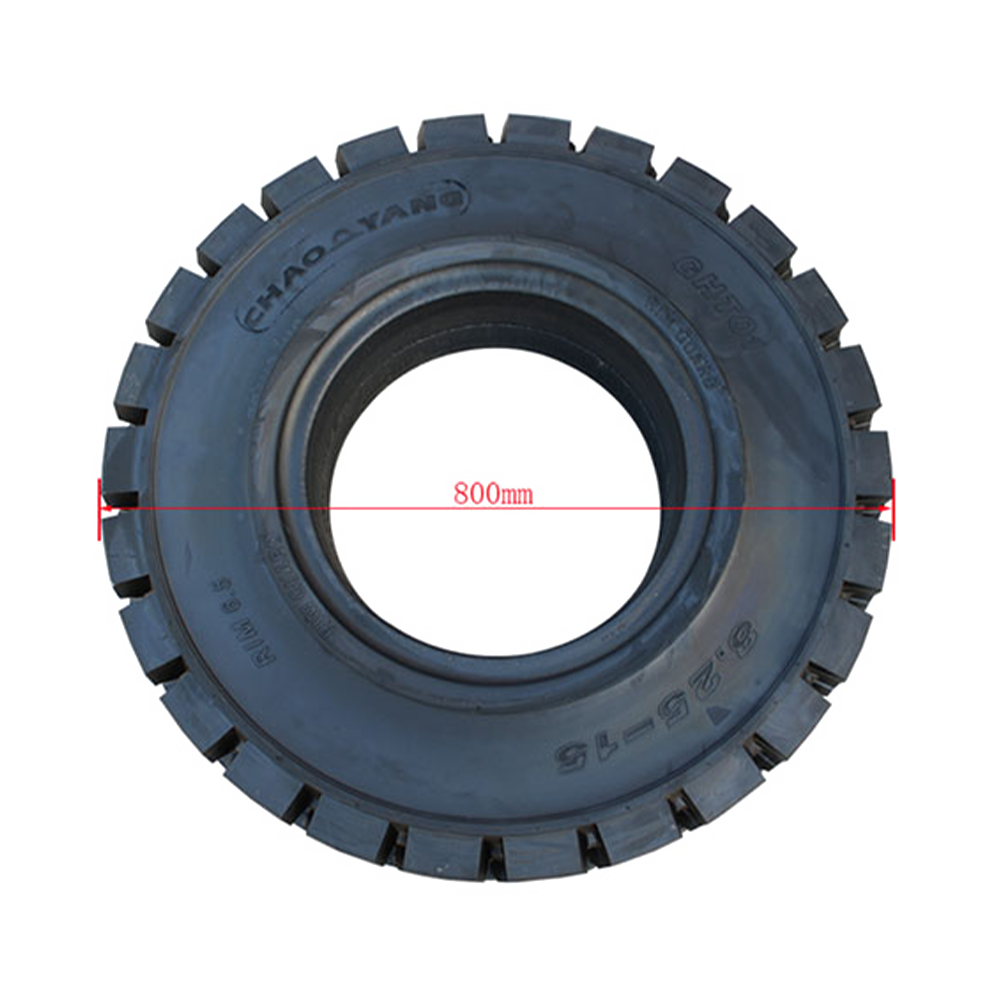
Tire compound and construction affect ride stability, floor surface protection, and energy efficiency more than most buyers initially account for during specification. Solid press-on tires resist puncture damage entirely and hold their shape under heavy point loading, making them the standard choice for concrete floor indoor operations with high cycle counts. Pneumatic and cushion tire options trade some of that puncture resistance for improved shock absorption, which becomes relevant on facilities with expansion joints, dock plate transitions, or minor surface irregularities where ride comfort affects long-shift operator fatigue.
Tire diameter and width also influence ground bearing pressure independently of chassis weight. A wider tire footprint distributes chassis weight across a larger contact area, reducing point pressure on raised or mezzanine flooring where load rating per square meter is a fixed constraint. Facilities operating on epoxy-coated or resin flooring should additionally confirm tire compound compatibility, since certain rubber formulations can mark or degrade specialty floor coatings under repeated contact and turning friction.
Attachment compatibility is determined by carriage class rather than fork length alone, and mismatched carriage classes are one of the most common configuration errors in facilities sourcing attachments separately from the base unit. Class II and Class III carriage mounts correspond to specific hydraulic flow rates and mounting bracket dimensions, meaning an attachment rated for one carriage class will not integrate correctly, or safely, onto a different class without modification.
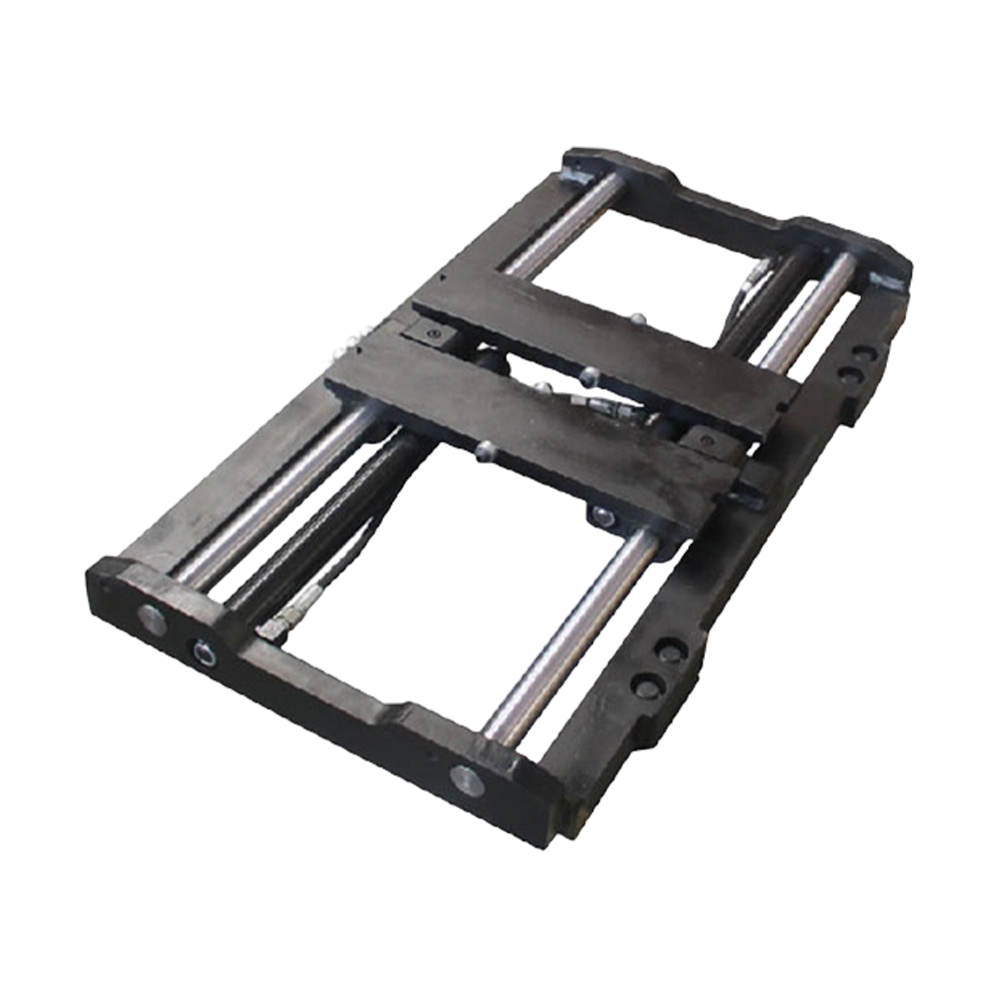
Side shifters allow lateral fork adjustment without repositioning the entire chassis, reducing cycle time in tight aisle picking operations where repeated fine alignment against a rack face would otherwise slow throughput. Fork positioners extend this further by allowing fork spacing adjustment from the operator seat, useful in facilities handling variable pallet widths across a single shift. Rotating clamps and load stabilizers address specialized handling needs such as drum or roll-format goods, and are typically specified at the production stage so hydraulic circuit capacity is sized correctly for the added attachment load from the outset.
Every chassis produced on our line passes through a structured quality control sequence before leaving the facility. Frame welds are inspected under load testing prior to paint application, hydraulic systems undergo pressure testing at 1.5x rated operating pressure, and completed units are cycle-tested at full rated capacity across the full mast extension range before final inspection sign-off. Production is certified to ISO 9001 quality management standards, and units intended for regulated markets are built to CE compliance requirements covering structural safety, electrical systems, and operator protection standards.
Component traceability is maintained across the full production run, with weld inspection records, hydraulic pressure test results, and final cycle test data logged against each chassis serial number. This traceability becomes particularly relevant for facilities operating under internal safety audit requirements, where documented testing history supports equipment certification and insurance compliance reviews.
Because manufacturing happens directly on our production floor, configuration changes — mast height, fork length, tire compound, attachment mounting, voltage system — can be specified at the production stage rather than retrofitted afterward. This is particularly relevant for facilities with non-standard rack heights, unusual load dimensions, or specific attachment requirements such as fork positioners, side shifters, or rotating clamps.
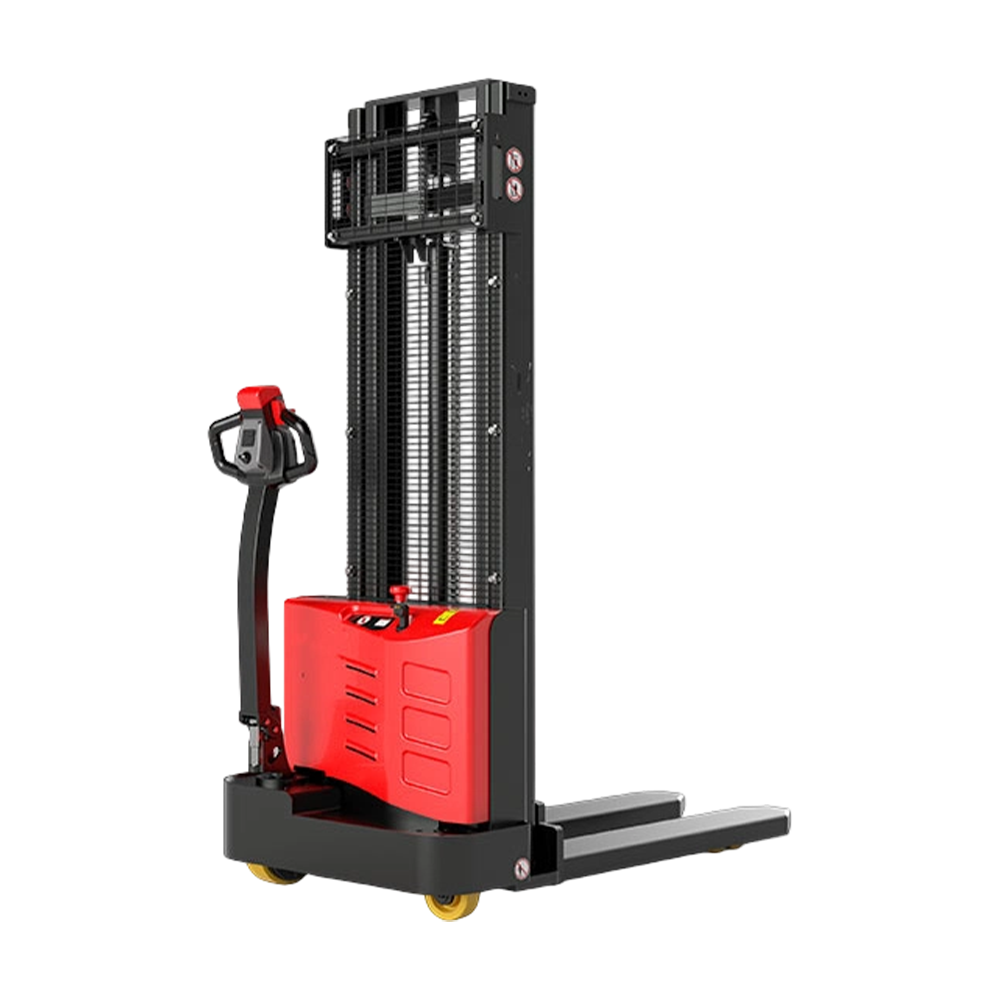
Built on 48V or 80V architecture with AC drive motors, sized from 1.5 to 3.5 tonnes, engineered for indoor multi-shift operation with minimal noise and zero emissions output.
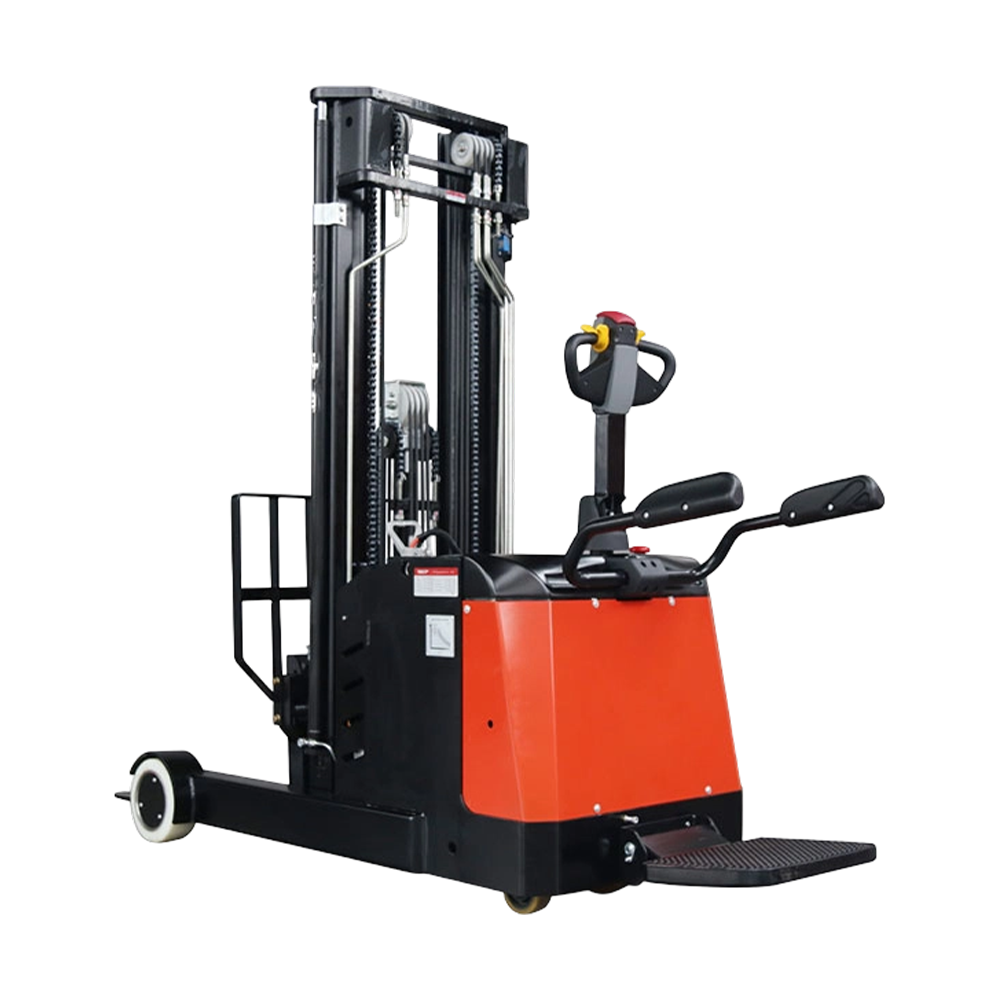
View configuration optionsNarrow-chassis mast design engineered for aisle widths from 2.3 meters, with lift heights up to 11 meters for high-density rack storage applications.
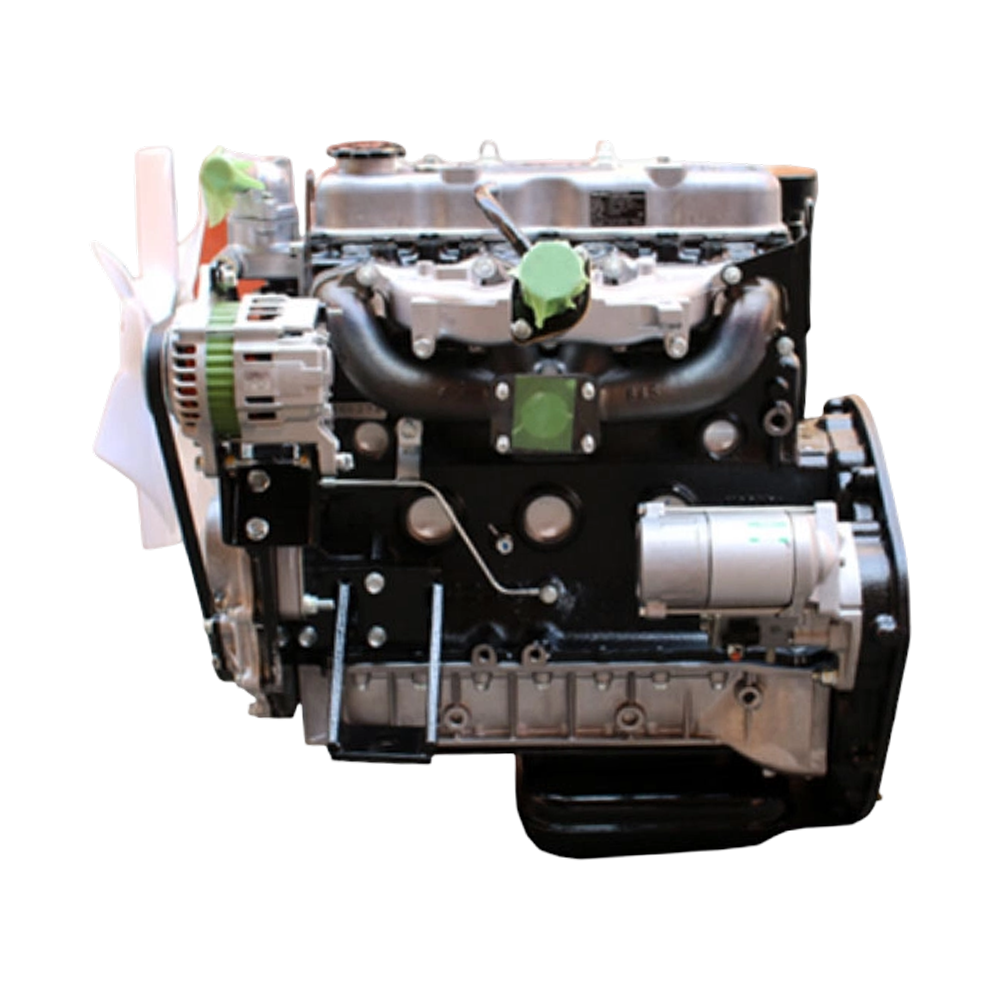
View configuration optionsDiesel and LPG drivetrain options built for continuous-shift outdoor yard and mixed indoor-outdoor operation, rated from 3 to 5 tonnes with reinforced frame construction.
View configuration optionsLow-temperature rated hydraulic seals, insulated battery compartments, and corrosion-resistant frame coatings engineered for sustained sub-zero warehouse operation.
View configuration optionsFacilities with non-standard requirements — extended fork length, custom voltage systems, specialized attachments, or regional compliance certifications — can request configuration adjustments directly at the production stage. Our engineering team works from facility specifications, including aisle measurements, rack height documentation, and floor load ratings, to recommend a chassis configuration matched to the actual operating environment rather than a generic catalog listing.
Bulk order production runs are scheduled with dedicated line time, allowing consistent build specification across the full order quantity, along with unified testing and inspection documentation for each unit produced in the run. Lead times vary based on configuration complexity and order volume, and are confirmed during the specification review stage prior to production scheduling. Facilities coordinating multi-site fleet standardization benefit from this approach, since identical build specifications across a production run reduce cross-site maintenance complexity and simplify spare parts inventory planning.
Regional compliance requirements are addressed at the specification stage rather than through post-production modification. Electrical system configuration, safety labeling, and structural certification documentation are aligned to the destination market's regulatory framework during the initial build planning phase, avoiding the delays and added cost associated with retrofitting compliance features onto a completed unit.
Facilities evaluating replacement or fleet expansion should document current aisle widths, rack heights, floor load ratings, and shift duty cycle before requesting configuration recommendations — this information determines chassis class, mast height, and drivetrain selection more reliably than capacity figures alone.
Recommended Products
Recommended NEWS



 English
 中文简体
中文简体 русский
 Español
 عربى
عربى