


 English
 中文简体
中文简体 русский
 Español
 عربى
عربى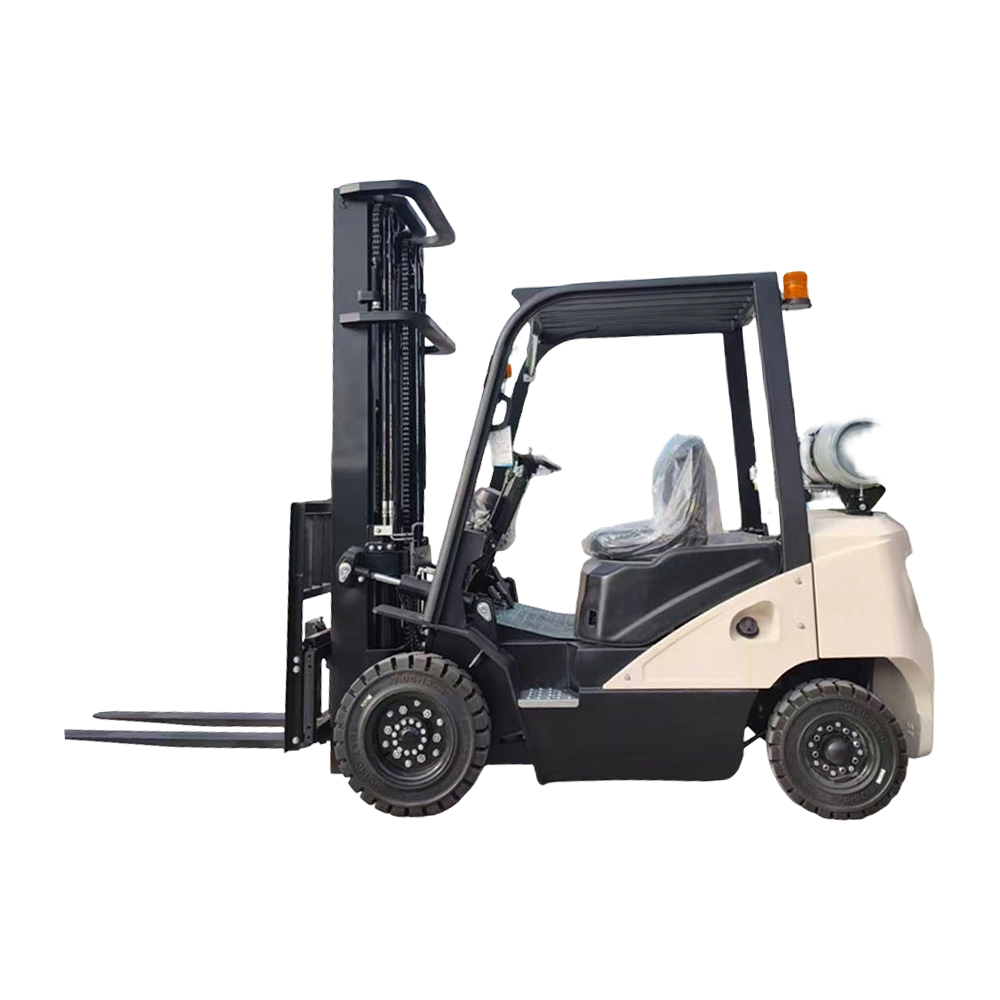
Industrial Material Handling with the LPG Forklift
The modern industrial landscape demands equipment that can keep pace with relentless operational cycles. Among the diverse array of material handling solutions, the LPG forklift stands out as a versatile workhorse, bridging the gap between heavy-duty outdoor power and the cleaner requirements of indoor warehouse environments. Unlike units tethered to long charging cables, these machines utilize Liquefied Petroleum Gas, offering a rare combination of consistent high torque and rapid turnaround times.
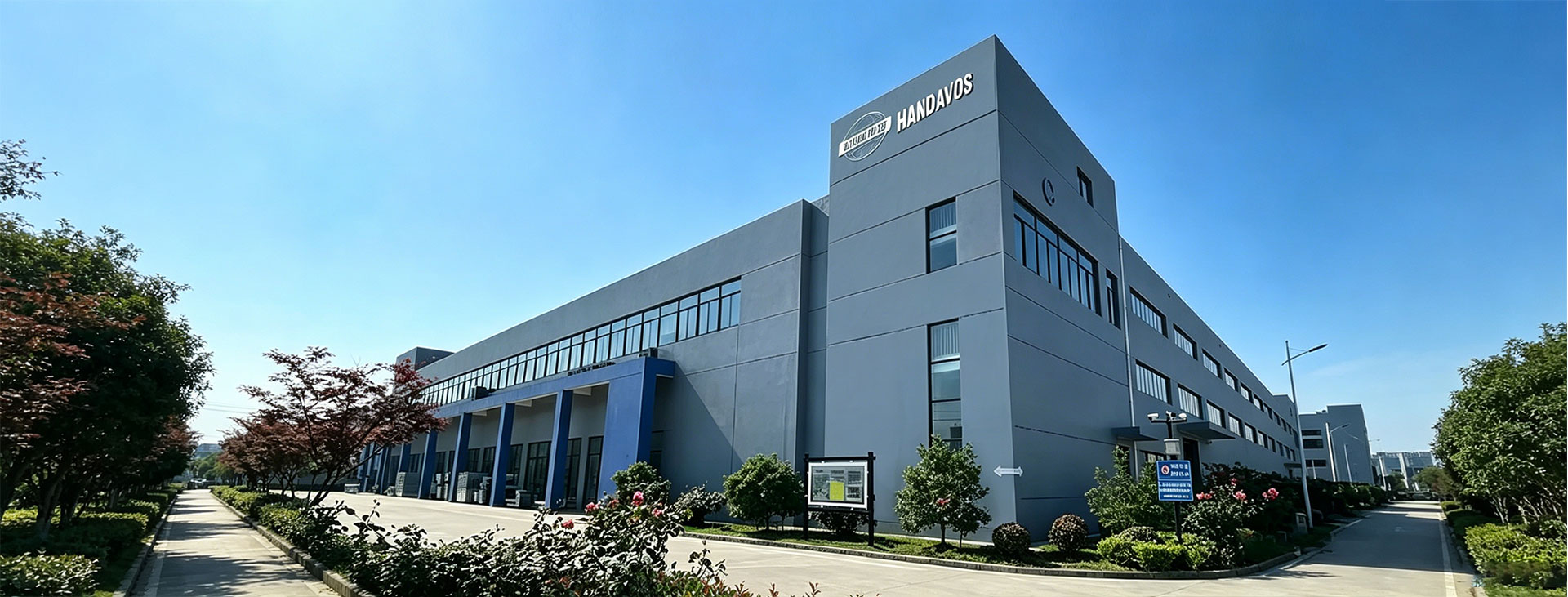
For large-scale facilities managing multiple shifts, the ability to maintain peak performance without a decline in power output is a critical necessity. It is here that the LPG forklift demonstrates its true value, providing the sustained intensity required for demanding logistics and manufacturing applications. Companies like Shanghai HanDavos International Trading Co., Ltd., which has cultivated over 20 years of expertise in material handling, have observed that facilities integrating these units often see a significant improvement in operational fluidity, largely due to the machine's ability to remain productive for as long as there is fuel in the tank.
What is an LPG Forklift and How Does It Work?
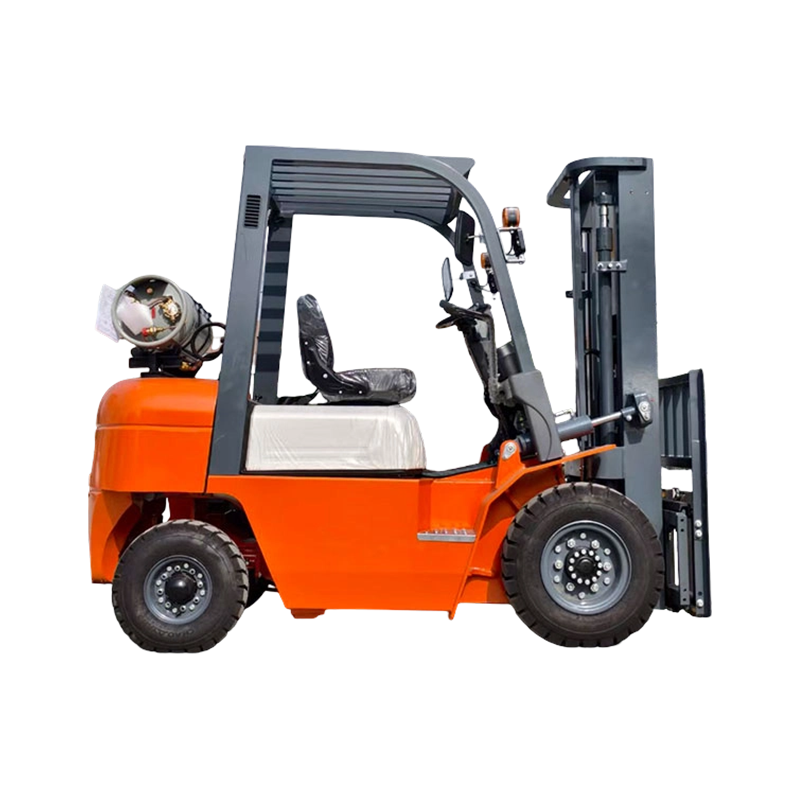
At its core, an LPG forklift is an internal combustion truck engineered to run on clean-burning propane. The engine architecture functions similarly to a gasoline motor but is specifically calibrated for the unique properties of liquid propane, which is stored under pressure in a steel cylinder mounted directly on the frame.
The mechanism relies on a pressure-regulated fuel system that converts liquid propane into a vapor before it enters the intake manifold. This ensures a highly efficient combustion process that produces fewer harmful byproducts than traditional diesel-powered counterparts. Shanghai HanDavos International Trading Co., Ltd. emphasizes that this mechanical reliability is why these units remain a staple in their expansive inventory, which spans over 20,000 square meters of warehouse space. The design simplicity also means that maintenance teams can often resolve mechanical issues faster, keeping the machinery in circulation rather than sitting in a repair bay.
Key Performance Advantages for Industrial Operations
The primary appeal of the LPG forklift lies in its capability to support non-stop industrial output. When a tank runs low, a new cylinder can be swapped in under two minutes, allowing the machine to return to the floor immediately. This is a stark contrast to electric alternatives, which may require hours of downtime to recharge or replace heavy batteries.
Furthermore, the torque curve of a propane-powered engine remains steady even under heavy loads. Whether navigating steep loading ramps or lifting maximum-capacity pallets, the LPG forklift does not suffer from the "sluggishness" sometimes associated with battery-powered units as their energy levels drop. From a long-term operational perspective, this stability translates into a more predictable and efficient workflow across large manufacturing complexes.
Performance Comparison: LPG vs. Alternatives
| Feature | LPG Forklift | Diesel Forklift | Electric Forklift |
| Refueling Time | 2 Minutes | 5-10 Minutes | 6-8 Hours |
| Power Consistency | High/Stable | High/Stable | Variable (Lowers with charge) |
| Indoor Usage | Excellent (with venting) | Limited (due to smoke) | Excellent |
| Torque/Power | High | High | Moderate/High |
| Operating Cost | Moderate | High (Fuel) | Moderate (Initial capital) |
Indoor vs. Outdoor Operational Versatility
A common misconception is that internal combustion trucks are unsuitable for enclosed spaces. However, modern LPG forklift models are equipped with advanced emission-control systems and catalytic converters that drastically reduce carbon monoxide and nitrogen oxide output. This enables them to operate in well-ventilated warehouse settings while maintaining the rugged durability required for outdoor loading yards.
The versatility is further enhanced by tire options and frame protection that allow these machines to traverse uneven asphalt or concrete loading docks without losing traction. Shanghai HanDavos International Trading Co., Ltd. routinely assists operations in selecting the right mast and tire configuration to ensure their units are as effective inside a high-ceiling warehouse as they are in an open-air terminal. This "all-terrain" adaptability means that a facility can often reduce its total fleet size by relying on a single, high-performance model type rather than maintaining separate machines for indoor and outdoor zones.
Essential Technical Specifications to Evaluate
Selecting the right machine requires a technical look at the operational requirements of the facility. The capacity of an LPG forklift can range from compact 1.5-ton units ideal for narrow aisles to 7-ton giants designed for heavy container handling.
Load Capacity: Ensure the unit handles the maximum anticipated pallet weight plus a safety margin.
Mast Configuration: Triplex masts are often preferred for facilities with varying ceiling heights and the need for high-reach stacking, while Duplex masts offer greater visibility.
Hydraulic Attachments: The integration of side-shifters, rotators, or paper roll clamps can transform a standard LPG forklift into a specialized tool for specific sectors like automotive or pulp and paper.
Ergonomics: For operators working long shifts, features like adjustable suspension seats and intuitive control levers are vital for maintaining focus and reducing fatigue.
The technical engineers at Shanghai HanDavos International Trading Co., Ltd. are instrumental in helping partners navigate these specifications, ensuring that the final choice aligns perfectly with the physical constraints and load requirements of the specific work environment.
Fleet Management, Safety, and Regulatory Compliance
Managing an LPG forklift fleet requires a focus on both equipment health and operator safety. Modern units are designed with comprehensive safety features, including secure, vibration-resistant tank mounting, automatic shut-off valves in the event of a pressure loss, and high-visibility masts to prevent accidental collisions.
Regular maintenance is the most effective way to ensure safety and longevity. This includes periodic inspections of the fuel delivery system, hose integrity, and engine tuning. Shanghai HanDavos International Trading Co., Ltd. supports global partners by providing not just the machinery, but also the technical guidance required for long-term fleet management. By leveraging their deep industry experience, facility managers can establish preventive maintenance schedules that extend the service life of their equipment well beyond standard expectations.
Equipment Procurement and Customization for Scale
Scaling operations involves more than just buying machines; it involves securing a supply chain that provides ongoing support. Reliable access to parts and technical expertise is essential. Whether a facility needs a single high-spec unit or an entire fleet refresh, the process should be centered on quality and long-term value.
At Shanghai HanDavos International Trading Co., Ltd., the focus is on a one-stop model. By maintaining a vast inventory of brand-new and premium used forklifts, alongside a massive stock of attachments and spare parts, the company ensures that any operational gaps are filled quickly. Their team provides comprehensive pre-sales consultation, ensuring that the equipment selected is perfectly tailored to the specific industrial scenario—whether it's high-speed logistics, heavy-duty manufacturing, or complex supply chain management. This commitment to delivering cost-effective, high-value solutions helps partners maximize the return on their equipment investment while minimizing operational downtime.
Frequently Asked Questions (FAQ)
How long does a standard LPG tank last on a forklift during continuous operation?
Typically, a standard 15-20kg propane cylinder provides 6 to 8 hours of continuous operation. However, this varies significantly depending on the load weight, the frequency of lifting, and the intensity of the driving cycle.
Can an LPG forklift be safely operated inside a closed warehouse?
Yes, provided the facility has adequate ventilation. Modern engines with integrated catalytic converters produce very low emissions, making them safe for most indoor environments, though local environmental regulations regarding indoor air quality should always be reviewed.
What is the typical lifespan of an industrial LPG forklift with proper maintenance?
With a strict preventive maintenance schedule, a well-cared-for machine can operate reliably for 10,000 to 15,000 engine hours before requiring a major overhaul.
How do the maintenance costs of an LPG forklift compare to electric and diesel models?
LPG models generally have lower maintenance costs than diesel units due to a cleaner fuel burn that results in less engine sludge. While electric units have fewer moving parts, the cost of replacing aging battery banks can be significantly higher than the maintenance required for an internal combustion propane engine.
What safety precautions are necessary when storing and handling propane cylinders?
Propane tanks should always be stored in a well-ventilated, secure outdoor cage protected from direct sunlight and extreme heat. When swapping, operators must ensure the engine is off, the parking brake is engaged, and the tank valve is fully closed before disconnecting the fuel line to prevent leaks.
