2026-11-10
Content
A 3-ton electric forklift and a 3-ton diesel forklift can look almost identical at the loading dock. The difference shows up in the budget: one machine carries a higher purchase price and lower energy cost, while the other refuels in minutes and keeps working where power lines stop. For a warehouse running two or three shifts, the electric truck usually has the lower five-year cost. For a lumber yard, port shed, or construction site with long runs and no charging room, diesel often remains the practical choice.
The decision is not a fuel debate. It is a duty-cycle calculation. Hours per shift, floor conditions, lift height, attachment weight, ambient temperature, charging window, fuel delivery, local electricity price, and service response time all move the answer. A clean 8,000 m² distribution centre and a muddy aggregate yard can use the same 3-ton load rating and still need different power types.
The sections below show where the cost gap comes from, which applications fit each power type, and how to compare a new electric unit against a diesel truck without hiding infrastructure, battery replacement, or downtime inside the machine price.
Start with the work profile. A forklift that lifts 800 loads per shift in a clean warehouse is not the same asset as a truck that pushes 3-ton pallets through gravel and dust. Electric power rewards predictable routes, short travel distances, and a charging window. Diesel power rewards long continuous runs, rapid refuelling, high hydraulic demand, and sites where grid power is unavailable or expensive to bring in.
Use four numbers before comparing prices: annual operating hours, average load, maximum lift height, and available charging or refuelling time. A 3-ton electric counterbalance with a 500 Ah lead-acid battery may need an eight-hour charge and a battery change for a three-shift operation. A lithium truck can opportunity-charge during breaks, but the charger and power supply still have to be sized correctly. Diesel needs fuel storage, delivery, and engine service access, but it does not need a charging bay.
Write the duty cycle down and give the same sheet to every supplier. If one quote assumes 1,200 hours and another assumes 2,000, the lower price may simply reflect a lighter workload.
Diesel forklifts usually carry a lower sticker price for the same load capacity. That advantage can disappear once a project adds charging infrastructure, ventilation, fire protection, and electrical capacity. A new electric truck may require a dedicated charger, upgraded panel, cable routing, battery handling equipment, and a wash bay for lead-acid batteries. A diesel truck may require fuel storage, spill containment, and exhaust ventilation. Neither number belongs in a hidden line item.
For a single-shift warehouse with an existing 400 V supply and a spare charging bay, the electric premium may pay back in energy and maintenance. For a remote yard with no reliable grid, the cost of bringing power to the site can wipe out the energy savings. The right comparison includes the full installed cost, not only the machine invoice.
Ask for the charger quote in writing. A 48 V lithium charger, a lead-acid charger with equalise cycle, and a fast opportunity charger are not interchangeable. Check the input voltage, phase, current, connector type, and ventilation requirement. If the site has a weak supply, the charger may need a transformer or a load-management system, and that changes the payback period.
Diesel infrastructure has its own risks. Fuel quality, water contamination, and cold-weather gelling can cause injector and filter problems. A cheap fuel tank without proper containment can create a compliance issue. The lower purchase price is only a real advantage when the site can store and dispense fuel safely.
Electricity is usually cheaper per unit of work than diesel, but the gap varies by country and tariff. A 3-ton electric forklift may use 8 to 12 kWh per operating hour depending on load, lift height, and travel distance. A diesel truck of similar capacity may burn 2.5 to 4 litres per hour. At local prices, the electric energy cost can be 50% to 70% lower, but the result changes with duty cycle and charger efficiency.
The chart below is an illustrative comparison, not a quotation. It shows why the energy line matters over 1,500 hours per year, and why a high-fuel-price site reaches payback faster.
Do not compare diesel litres with electricity kWh directly. Convert both to cost per operating hour and include charger losses, battery efficiency, fuel delivery, and idle time. A truck that idles 20 minutes per shift can erase part of the diesel penalty; a truck that runs at high hydraulic demand can narrow the electric advantage. Also check the tariff: peak-demand charges, time-of-use rates, and site power factor can change the energy cost more than the forklift model does.
For a two-shift operation at 1,500 hours per year, a 10 kWh average consumption and a local electricity price of USD 0.15 per kWh gives about USD 2,250 in annual energy cost. A diesel truck at 3 litres per hour and USD 1.20 per litre gives about USD 5,400. The gap is real, but it is not the whole story: battery replacement, charger maintenance, and downtime still have to be added.
Electric drivetrains have fewer routine engine tasks: no oil changes, no fuel filters, no glow plugs, no exhaust treatment. That does not make them maintenance-free. Brakes, tyres, hydraulic hoses, mast chains, forks, and bearings still wear. Battery care becomes the new discipline. Lead-acid batteries need watering, equalising, and controlled charging. Lithium batteries need correct charging profiles and thermal management, especially in cold storage.
Diesel trucks carry engine service, fuel system, cooling system, and exhaust after-treatment. In dusty or high-hour applications, service intervals matter as much as parts prices. Downtime is the hidden cost. A diesel truck with a failed injector may wait for a specialist; an electric truck with a charger fault may sit until the electrical contractor arrives. The better choice is the one your local service network can support quickly.
Ask for a service schedule with hours and parts included. A low purchase price with a two-week parts lead time can cost more than a higher-priced truck with local support. For a multi-shift operation, the cost of one lost shift often exceeds the annual difference in routine service parts.
Battery chemistry changes the ownership model. Lead-acid is mature and lower in initial cost, but it needs a dedicated charging room, watering, ventilation, and battery changes for multi-shift work. Lithium has a higher upfront price, but it accepts opportunity charging, holds voltage better, and often removes the battery-change crew. For cold storage, the battery and charger must be specified for low temperature; a standard warehouse truck may derate or fail to charge reliably.
Ask for the usable capacity, not only the nominal amp-hour rating. A 48 V lithium pack that can discharge deeply may deliver more productive hours than a lead-acid pack of the same label. Check the warranty terms, cycle life, and whether the charger is included in the quote. The battery is not an accessory; it is the fuel tank.
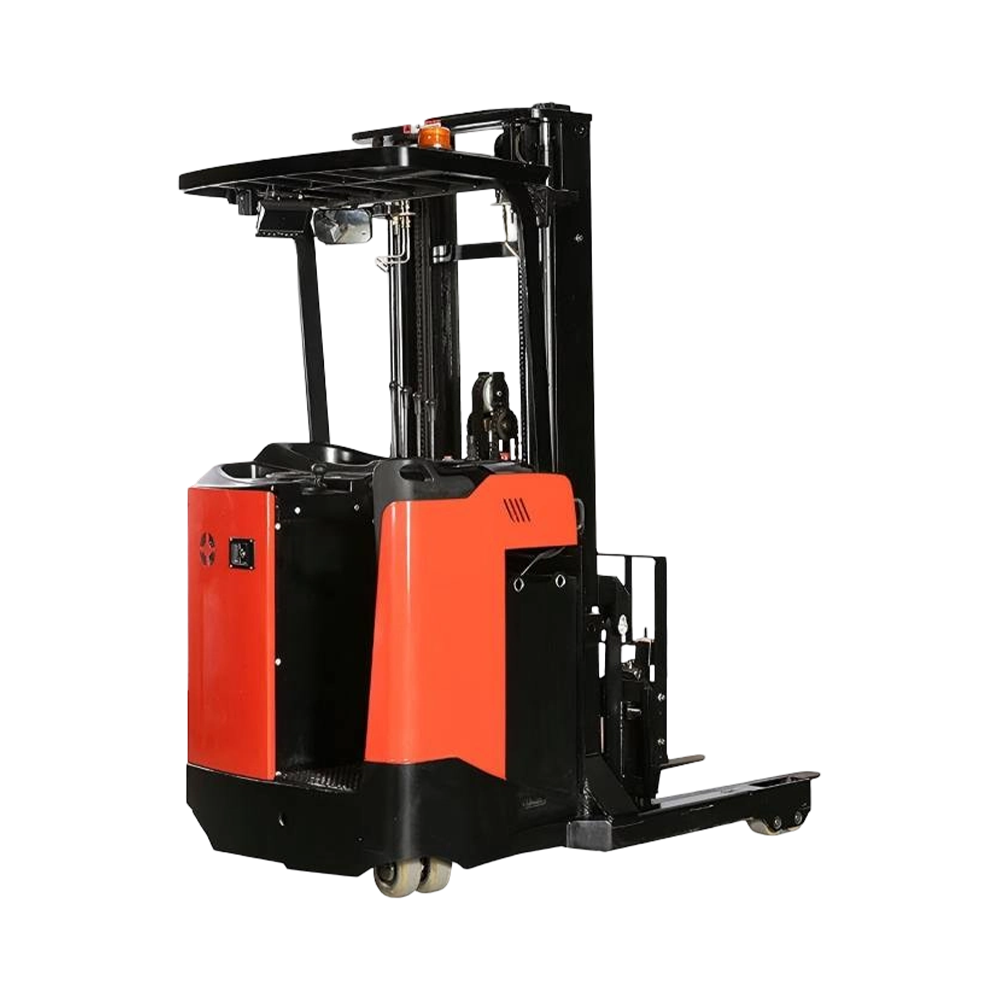
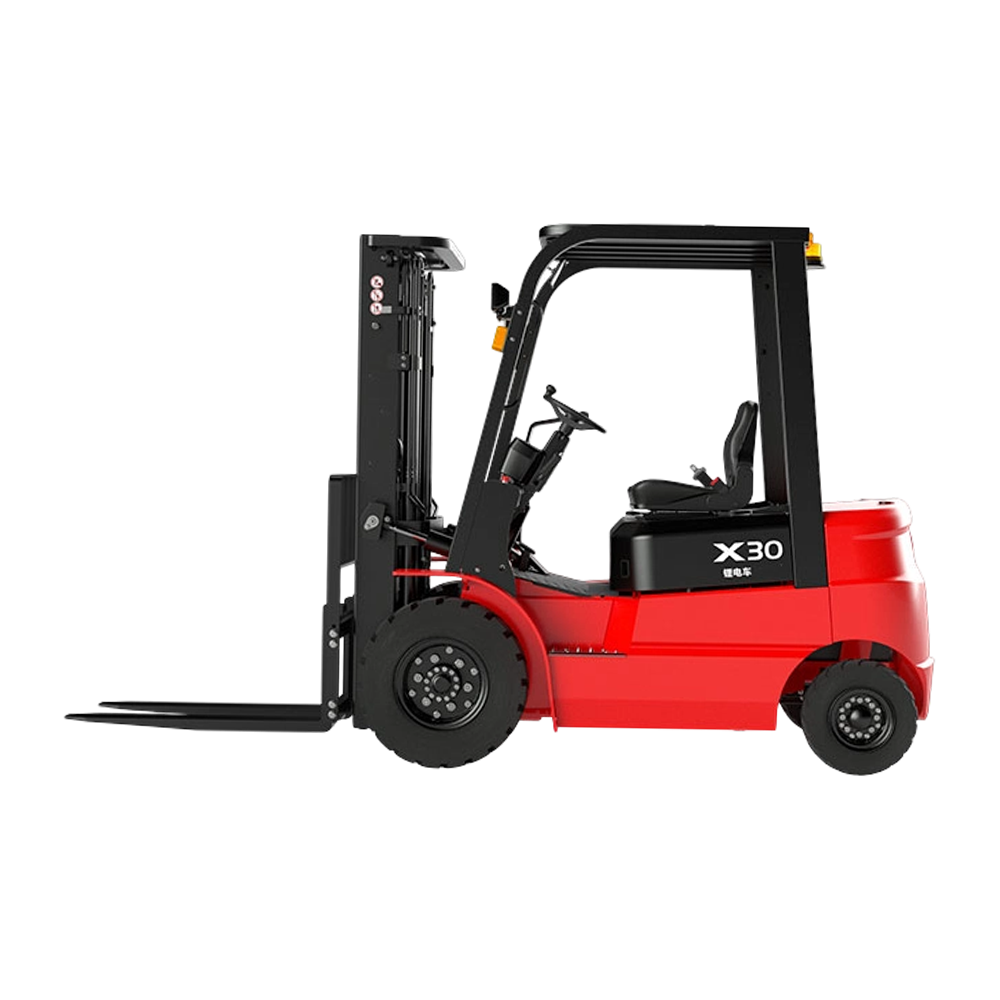
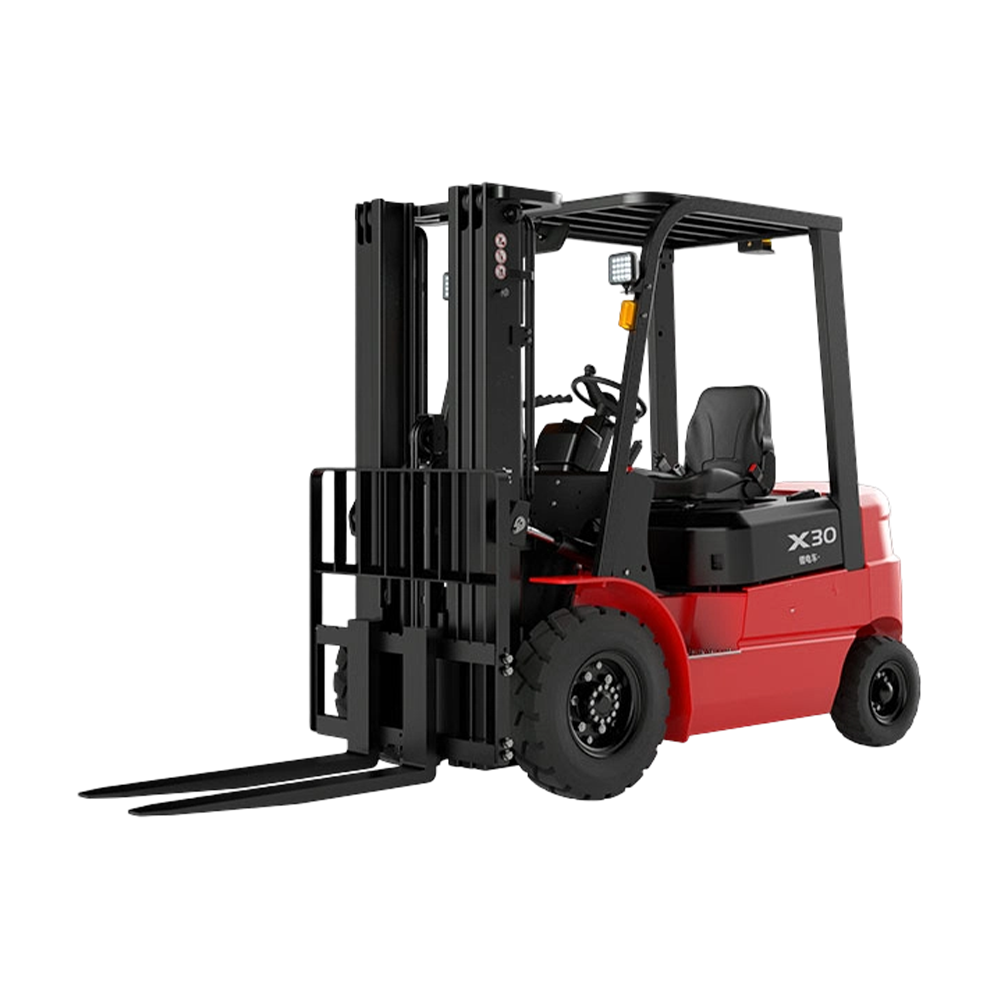 3.2 Ton Lithium Electric Counterbalance ForkliftCompare run time, charger size, and battery warranty for this 3–3.2 tonne lithium counterbalance, with quick-swap 100–230 Ah packs and a five-year battery warranty.View Product →
For a 3–3.2 ton electric counterbalance, the matching lithium model above is the reference point for comparing run time, charger size, and battery warranty. Check whether the site needs a cold-store specification, a high-capacity charger, or a second battery for shift changes.
Lead-acid still makes sense for single-shift warehouses with a low annual hour count and an existing charging room. The lower initial cost can be the deciding factor when the truck runs less than 1,000 hours per year and the battery can charge overnight. The mistake is to buy lead-acid for a three-shift operation and then add battery changes, spare batteries, and handling equipment that bring the total close to lithium.
Diesel remains strong where the truck must work hard, refuel fast, and operate away from a charging point. Construction sites, lumber yards, ports, and agricultural operations often choose diesel for torque, ground clearance, and tolerance of dust. A diesel truck can run a full shift, refuel in minutes, and keep going. That matters when a 30-minute charge break stops a production line or a loading schedule.
Fuel storage and exhaust management are part of the cost. Check local emissions rules, ventilation, and fire code. In some ports and urban warehouses, diesel operation is restricted or requires after-treatment. A lower purchase price is not a saving if the truck cannot be used in the target zone.
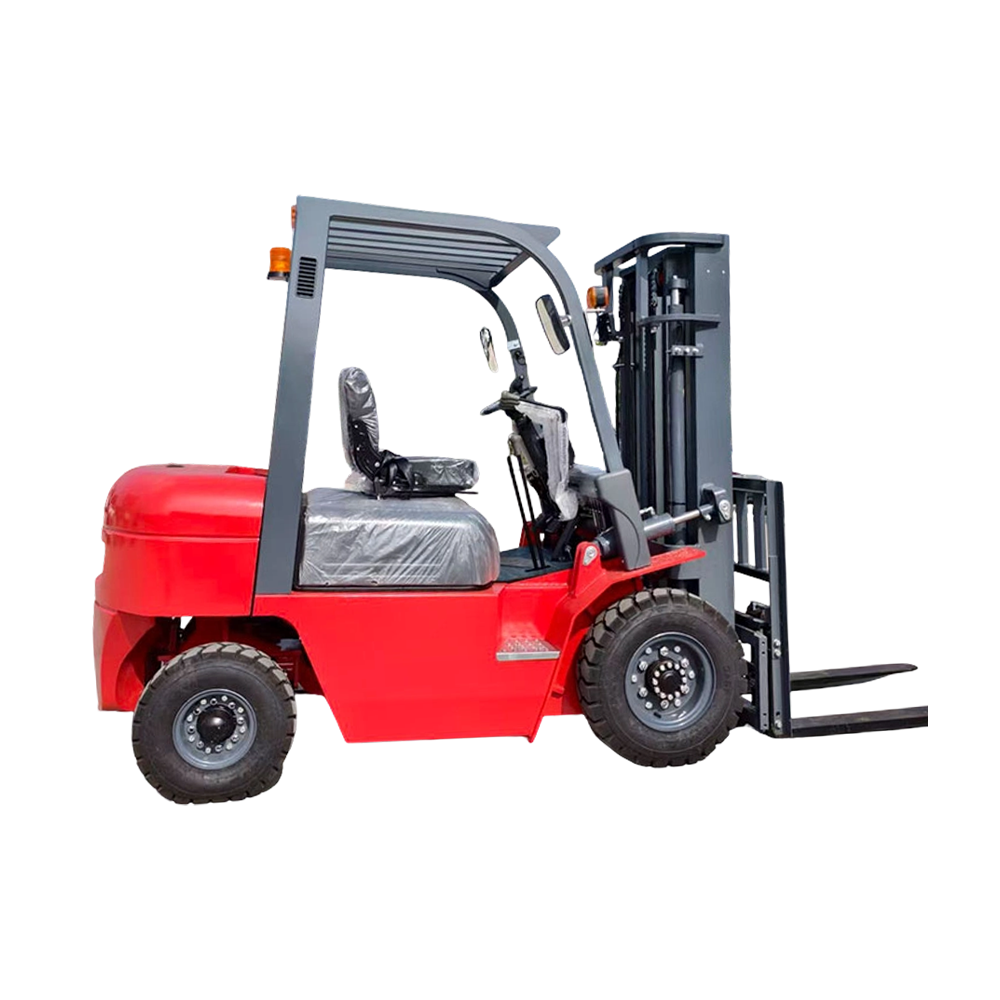
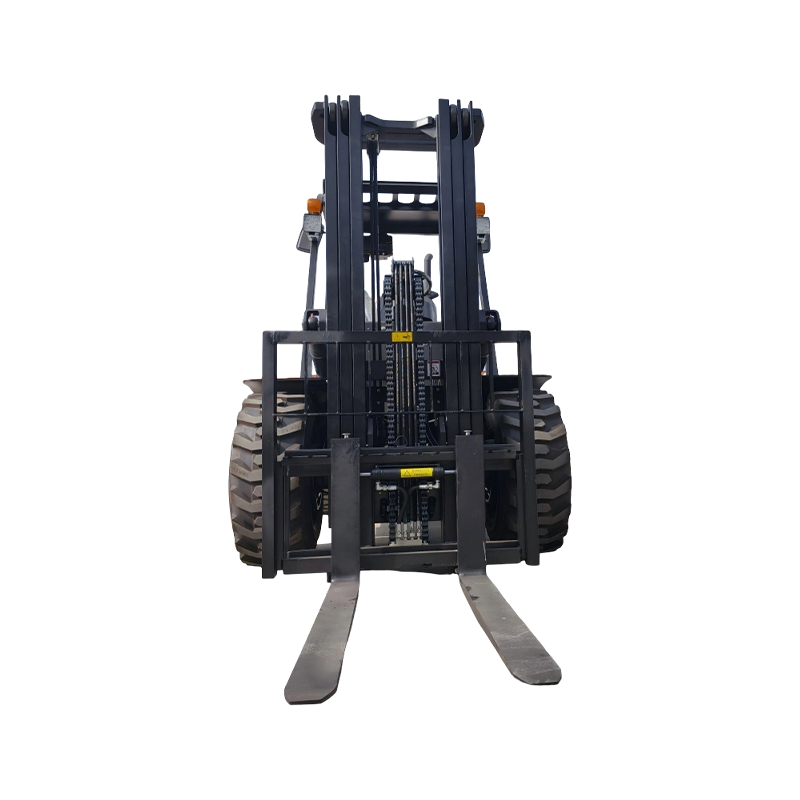 All-Terrain 3.5 Ton Diesel Forklift with Triple MastFor dusty or sloped yards, this 3.5-ton diesel forklift pairs pneumatic tyres and a side shifter with a 4.8 m triple mast for outdoor stacking.View Product →
The all-terrain 3–5 ton diesel model is the right comparison for sites where traction and ground clearance matter more than energy cost per hour. Check tyre type, mast protection, air filter service, and cooling capacity before placing it on a dusty or sloped site.
Diesel also has an advantage in high-cycle hydraulic work with large attachments. If the truck spends most of its shift clamping, rotating, or pushing heavy loads, the engine-driven hydraulic system may be more stable than a battery system that is already managing traction and lift. That is not a reason to rule out electric; it is a reason to request a duty-cycle test with the actual attachment.
Electric is usually the default for indoor warehousing, food and beverage, retail distribution, and cold storage. Diesel is usually the default for construction, agriculture, timber, and heavy outdoor yards. Ports can use either, but the choice depends on duty cycle, emissions rules, and refuelling logistics. The table below gives a practical fit matrix; it is not a substitute for a site survey.
| Environment | Electric fit | Diesel fit | Main reason |
|---|---|---|---|
| Indoor warehouse | Strong | Poor | No exhaust, lower noise, good for food and retail. |
| Cold storage | Strong with cold-store spec | Limited | Battery and charger must be rated for low temperature. |
| Construction site | Limited | Strong | Ground clearance, traction, dust, and long runs. |
| Port shed or yard | Possible | Strong | Refuelling speed and heavy continuous duty. |
| Retail and supermarket | Strong | Poor | Emissions, noise, and indoor air quality. |
| Agriculture | Limited | Strong | Remote sites, rough ground, and fuel availability. |
For warehousing and logistics operations, electric reach trucks, stackers, and pallet trucks reduce emissions and noise. For construction and building sites, diesel or all-terrain models often handle mud, slopes, and long runs better. The final check is the worst condition, not the average day: the ramp at full load, the coldest room, the dustiest yard, and the busiest shift.
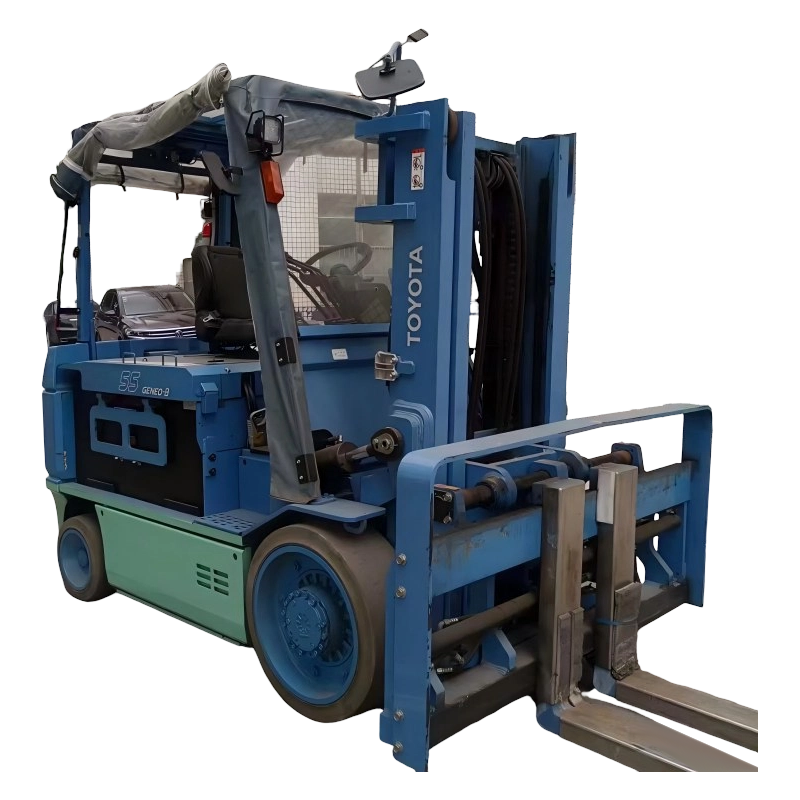
A used diesel forklift can cut the entry price, but it carries engine history, emissions compliance, and parts availability risk. A used electric reach truck can be a strong fit for a warehouse that needs narrow-aisle storage without a new-machine budget. The key is to verify battery age, charger compatibility, mast wear, and controller history. A low-hour machine that sat unused for years may need more service than a high-hour unit with records.
Mixed fleets are common. A warehouse may run lithium electric trucks indoors and keep one diesel truck for the yard. That can be efficient, but it adds fuel storage, service training, and spare-parts complexity. Standardise where the work is similar; keep a specialist unit only where the duty cycle truly requires it.
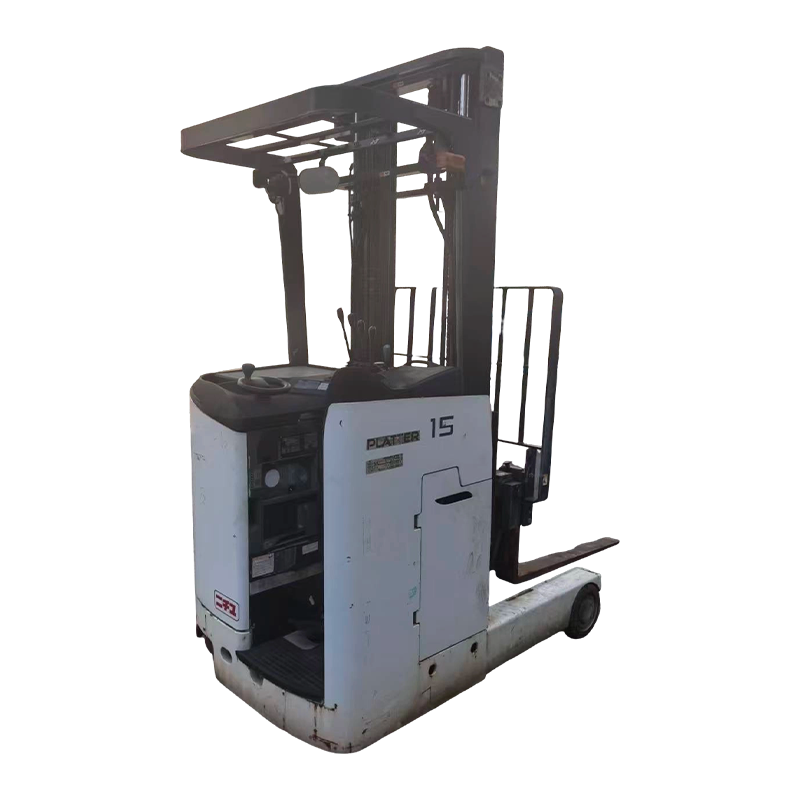
 Used 1.5 Ton Nichiyu Reach TruckA narrow-aisle benchmark for medium-volume storage, this used 1.5-ton electric reach truck offers 3,000 mm lift, solid tyres, and no exhaust emissions.View Product →
The used 1.5 t Nichiyu reach truck is a useful benchmark for narrow-aisle work when a new electric unit is not justified by current throughput. Check the battery test report, charger type, mast chain condition, and whether the controller has any fault history.
For used diesel units, compression test, injector condition, coolant quality, and exhaust smoke are basic checks. For used electric units, battery capacity, charger compatibility, and wiring condition matter more than the hour meter alone. A 4,000-hour truck with a healthy battery can be a better buy than a 2,000-hour truck with a tired pack.
The table below uses a mid-size 3-ton counterbalance truck at 1,500 hours per year. It is an illustrative model, not a quotation. The point is to show which lines move the total and where a buyer should ask for local numbers. Purchase price, energy, maintenance, battery replacement, downtime, and resale all belong in the same sheet.
| Cost line | Electric | Diesel | What to verify |
|---|---|---|---|
| Purchase price | Higher | Lower | Compare like-for-like capacity, mast, tyres, and attachment. |
| Energy or fuel | Lower per hour | Higher per hour | Use local tariff, fuel price, and idle time. |
| Routine service | Lower | Higher | Check dealer labour rate and parts lead time. |
| Battery or engine major | Battery replacement | Engine and fuel system | Use cycle life, warranty, and rebuild cost. |
| Infrastructure | Charger and power supply | Fuel storage and ventilation | Get written quotes, not estimates. |
| Downtime | Charger or battery fault | Engine or fuel fault | Check local service response time. |
| Resale | Battery age matters | Engine hours matter | Use local auction and dealer data. |
The electric truck often wins on energy and routine service, but the battery and charger can absorb the first years of saving. The diesel truck often wins on purchase price and refuelling speed, but fuel and engine service compound over time. A high-hour, multi-shift operation gives the electric advantage more room to work. A low-hour, remote site may never recover the infrastructure cost.
Run the model three times: base case, high fuel price, and high electricity price. If the choice flips in the high-electricity case, the site is sensitive to tariff risk. If it flips in the high-fuel case, the diesel case is fragile. The goal is not a single perfect number; it is to see which assumptions decide the answer.
Use a checklist that forces the hidden costs into the open. The goal is not to prove one power type is better; it is to find the lowest cost per productive hour for the actual work.
Ask for a written charger or fuel-storage quote, a battery warranty summary, and a service response time. A low machine price with a long service lead time is not a low ownership cost. The best quote is the one that states its assumptions clearly enough for you to challenge them.
No. It is often cheaper in high-hour, indoor, multi-shift operations with existing charging capacity. A low-hour site, a remote yard, or a facility with expensive electrical upgrades can make diesel cheaper. The result depends on energy price, annual hours, battery choice, and local service cost.
There is no universal threshold. As a practical starting point, a single-shift warehouse below 800 hours per year may struggle to recover the electric premium, while a two-shift operation above 1,500 hours usually has a stronger case. The duty cycle and local prices matter more than the hour count alone.
Only with proper ventilation and local compliance. Diesel exhaust contains pollutants that are unsuitable for enclosed food, retail, or cold-store environments. Electric is usually the safer default for indoor work. If diesel is used indoors, check exhaust extraction, air quality monitoring, and fire rules.
No. Lithium is better for opportunity charging, multi-shift work, and sites that want to avoid battery changes. Lead-acid can be the lower-cost choice for single-shift, low-hour warehouses with an existing charging room. Check usable capacity, cycle life, warranty, and charger compatibility before deciding.
Charging infrastructure and battery replacement are the two most common surprises. A charger quote may exclude panel upgrades, cable routing, ventilation, or fire protection. A battery quote may assume a shorter life than the truck. Put both into the five-year model.
Fuel storage, exhaust ventilation, and engine service are common hidden costs. Fuel quality problems can also cause injector and filter failures. If the site is in a regulated emissions zone, after-treatment or a newer engine may be required, and that changes the purchase price.
Recommended Products
Recommended NEWS



 English
 中文简体
 русский
 Español
 عربى