


 English
 中文简体
中文简体 русский
 Español
 عربى
عربى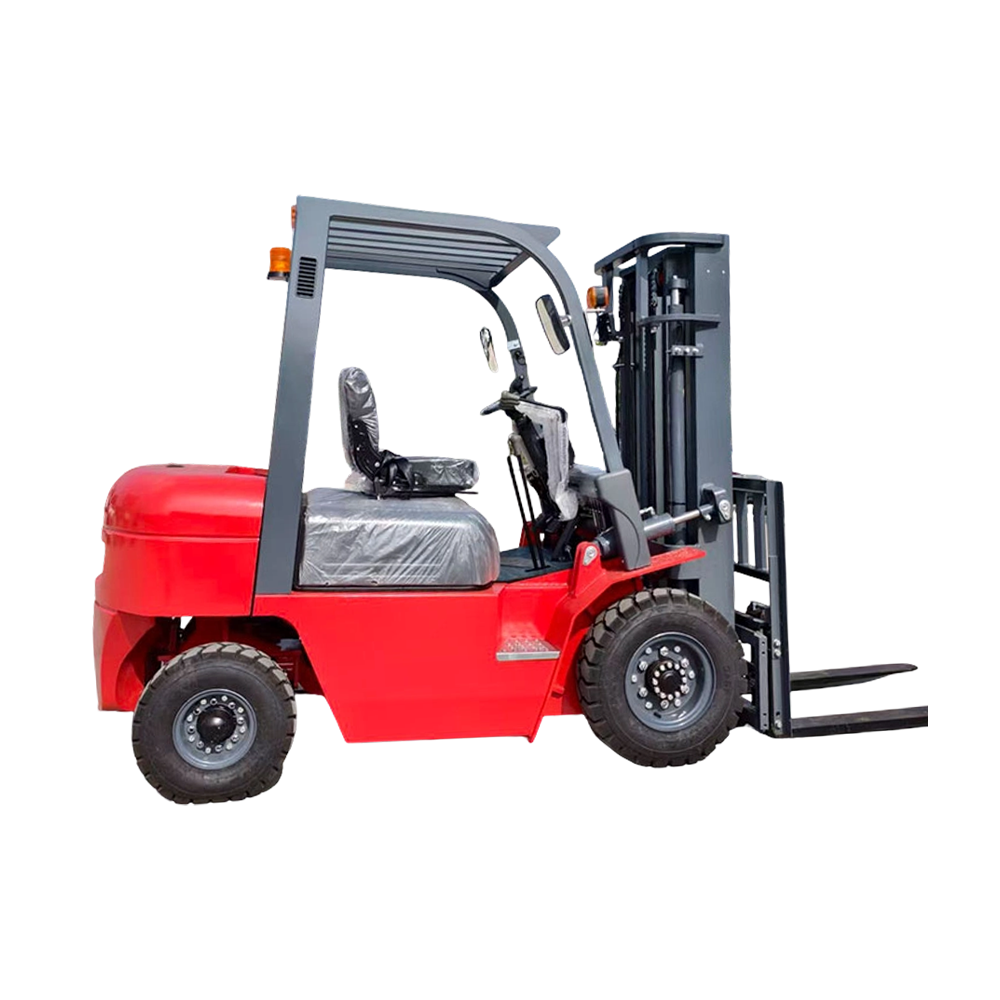
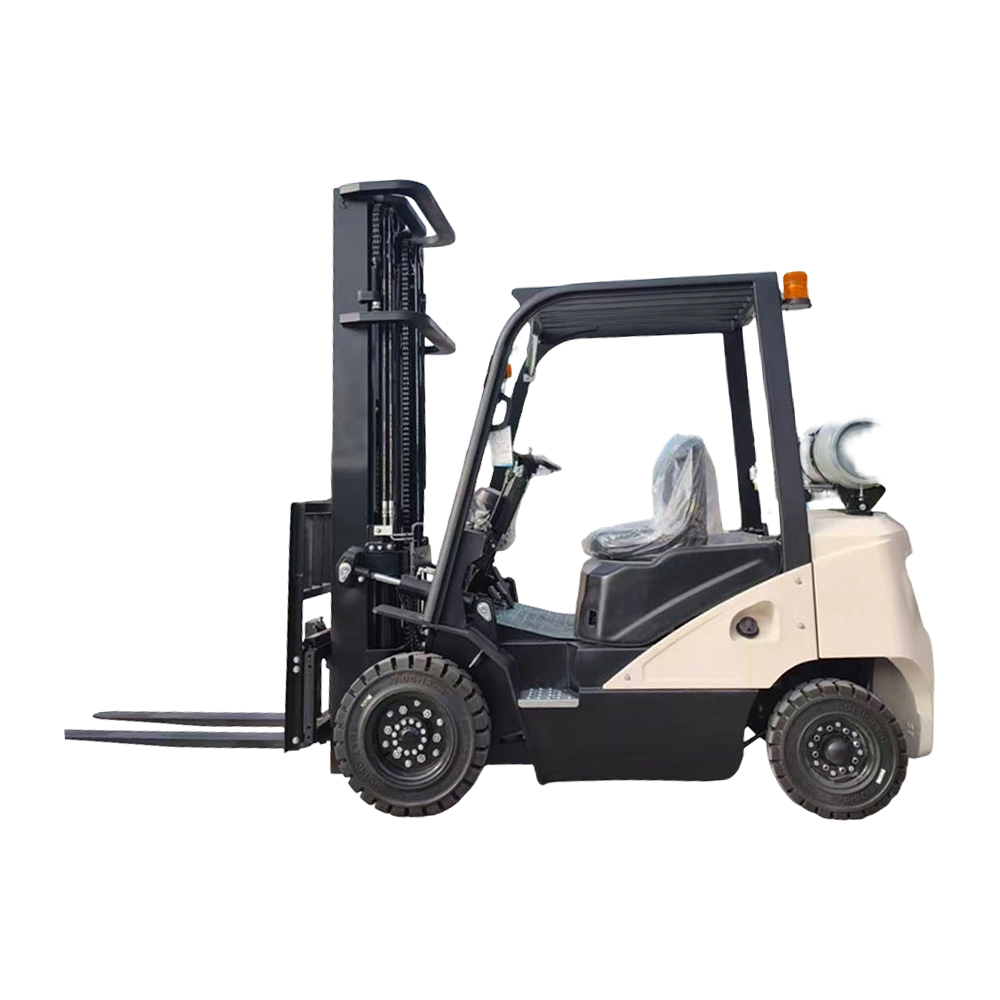
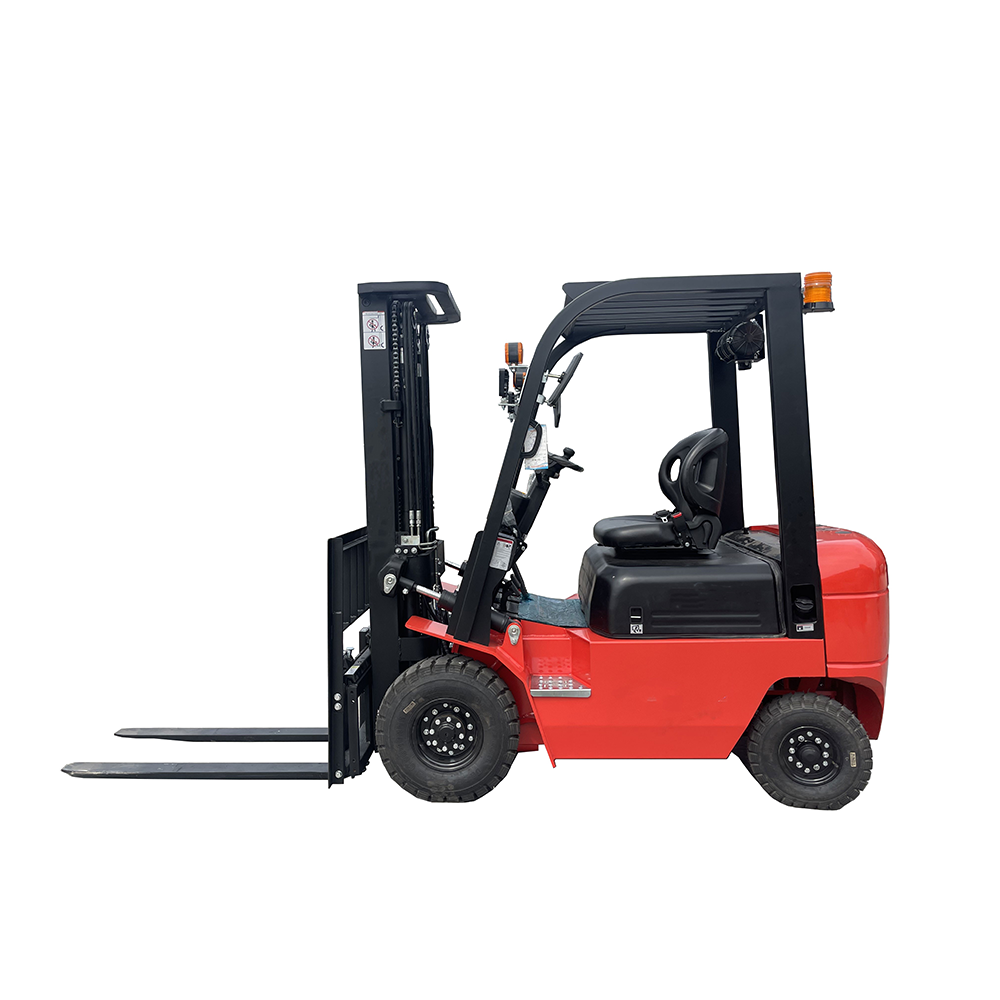
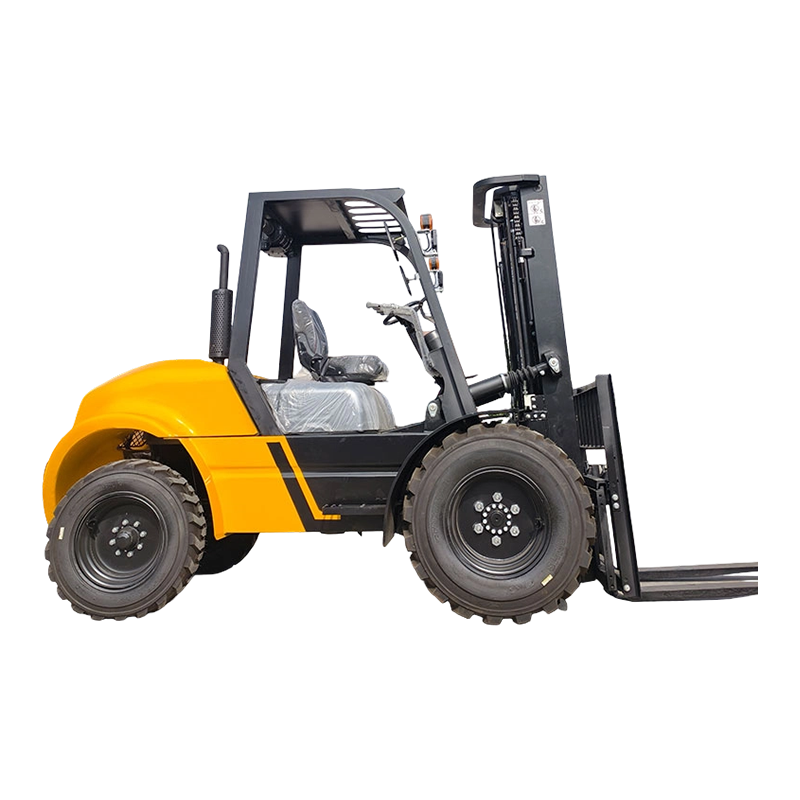
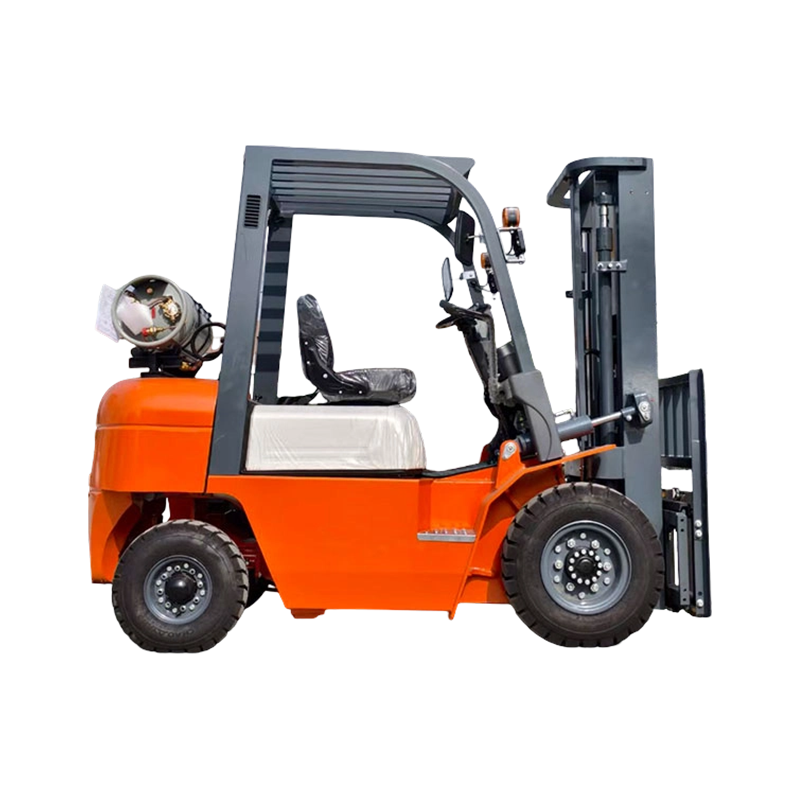
What Is an IC Forklift? Understanding Internal Combustion Engine Lift Trucks
An IC forklift, or Internal Combustion forklift, remains the backbone of modern industrial logistics and material handling. At its core, an IC forklift operates using an engine that burns fuel—typically diesel, liquefied petroleum gas (LPG), or gasoline—to generate the mechanical power necessary for lifting, tilting, and transporting heavy loads. Unlike electric models that rely on battery power, these machines are designed to provide consistent, high-torque performance that remains unaffected by the charge level of a battery.
The primary operational advantage of an IC forklift lies in its ability to handle continuous, multi-shift workloads without the downtime associated with recharging. When facilities need to move heavy materials across vast warehouse floors or demanding outdoor terrain, the robust nature of an IC forklift ensures steady productivity.
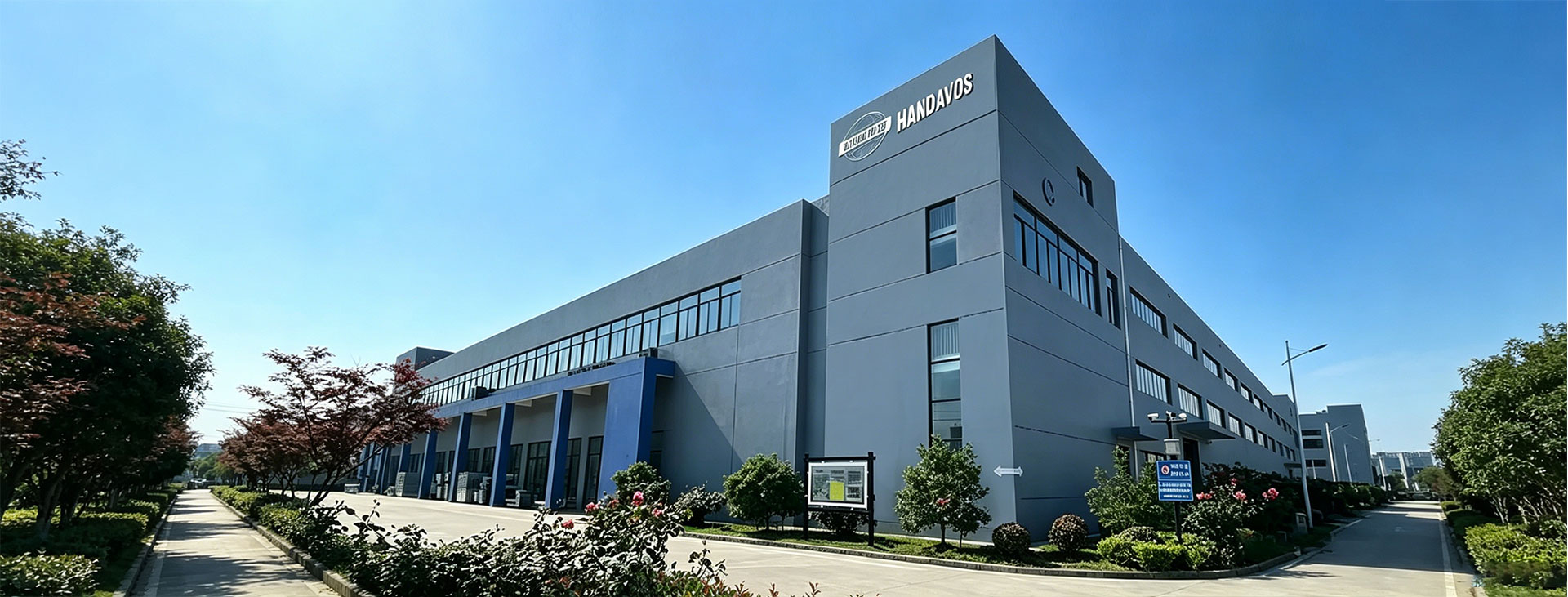
Distinguishing an IC forklift from electric alternatives often comes down to the operational environment and the specific duty cycle required. While electric trucks are frequently lauded for their quiet, emission-free operation in confined, clean-room environments, the IC forklift excels in high-intensity settings where power output and rapid refueling are paramount. For those managing massive industrial inventories, Shanghai HanDavos International Trading Co., Ltd. leverages over 20 years of industry experience to assist in identifying whether the raw power of an IC forklift or the quiet efficiency of electric alternatives better aligns with specific facility throughput requirements. By maintaining over 20,000 square meters of warehouse space, the team at Shanghai HanDavos International Trading Co., Ltd. provides a comprehensive view of how these different machine types integrate into varied supply chain infrastructures.
Core Technical Specifications and Performance Metrics for Enterprise Facility Operations
Understanding the performance capabilities of an IC forklift is essential for optimizing facility output. These machines are engineered for strength and longevity, with technical specifications that vary based on the fuel type and intended load requirements.
Engine Types and Fuel Performance
Diesel: Known for superior torque and fuel efficiency, ideal for heavy-duty, outdoor, and long-distance applications.
LPG (Propane): Offers a cleaner-burning profile with the flexibility of quick cylinder replacement, making it suitable for mixed indoor/outdoor operations.
Dual-Fuel: Provides operational versatility, allowing the machine to switch between fuel sources to maximize uptime during extended shifts.
Comparative Technical Metrics
To assist in evaluating equipment for heavy industrial sites, the following table outlines the standard performance thresholds typically associated with high-capacity IC forklifts:
| Metric | Typical Range (Medium Duty) | Typical Range (Heavy Duty) |
| Load Capacity | 2.5 Tons to 3.5 Tons | 5.0 Tons to 10+ Tons |
| Lift Height | 3,000 mm to 4,500 mm | 4,500 mm to 6,000+ mm |
| Primary Fuel | LPG / Diesel | Diesel |
| Transmission | Automatic (Powershift) | Heavy-Duty Automatic |
| Turning Radius | 2,200 mm to 2,500 mm | 3,000 mm to 4,000+ mm |
The technical specialists at Shanghai HanDavos International Trading Co., Ltd. emphasize that these parameters are not just numbers; they dictate the efficiency of the entire factory flow. With a vast inventory stocked across modern, standardized warehouses, Shanghai HanDavos International Trading Co., Ltd. enables facility managers to inspect these specifications firsthand, ensuring the chosen IC forklift is perfectly matched to the structural demands of the workplace. Whether the application requires high-mast stacking or heavy-load horizontal transport, having access to such a diverse inventory allows for a precise match between machine capabilities and task requirements.
Critical Factors for Industrial Decision-Makers: Total Cost of Ownership (TCO) and ROI
When evaluating heavy material handling assets for a large-scale industrial facility, looking past the initial price tag is critical. Calculating the True Total Cost of Ownership (TCO) for an IC forklift requires a comprehensive analysis that balances capital expenditure with long-term operational efficiency. Facility directors must weigh fuel consumption rates, maintenance intervals, and asset longevity against the demands of a high-throughput work environment.
Initial Investment vs. Long-Term Operational Efficiency
An IC forklift generally offers a lower initial capital expenditure compared to high-capacity lithium-ion electric trucks while delivering immediate, uninterrupted power. However, the ongoing TCO is heavily influenced by how the machine is maintained and fueled. To help industrial operations optimize their equipment expenditures, Shanghai HanDavos International Trading Co., Ltd. utilizes its two decades of industry expertise to provide detailed cost-benefit breakdowns. Backed by its extensive inventory in Kunshan City, Shanghai HanDavos International Trading Co., Ltd. offers both brand-new units and premium used alternatives, giving facility planners financial flexibility without sacrificing operational reliability.
Key Financial and Operational Parameters
The following table illustrates the operational factors that directly impact the long-term TCO and return on investment for an IC forklift fleet:
| Cost and Operational Factor | IC Forklift Impact | Management Considerations |
| Fuel and Energy Refueling | Rapid cylinder swap (LPG) or pump refuel (Diesel) takes under 3 minutes. | Eliminatse charging downtime, maximizing equipment utilization across multi-shift schedules. |
| Routine Maintenance | Requires regular engine oil changes, filter replacements, and tune-ups. | Predictable service intervals; supported directly by the experienced technical engineers at Shanghai HanDavos International Trading Co., Ltd. |
| Spare Parts Availability | High availability of standard mechanical parts, filters, and hydraulic components. | Quick access to spare parts minimizes repair turnaround times and prevents costly production bottlenecks. |
| Asset Depreciation and Resale | Retains steady residual value when subjected to structured preventive maintenance programs. | Long-term asset tracking and prompt part replacements safeguard the residual value of the IC forklift fleet. |
Fleet Management and Parts Support
Maintaining peak efficiency across a busy factory floor demands reliable access to replacement components and expert guidance. Delays in servicing can disrupt entire logistics chains. To eliminate these operational risks, Shanghai HanDavos International Trading Co., Ltd. maintains a massive stock of comprehensive spare parts and diverse forklift attachments within its 20,000-square-meter modern standardized warehouses. Whether an operation requires specialized hydraulic attachments or routine maintenance kits, the integrated support team—comprising seasoned technical engineers and after-sales specialists—ensures that every IC forklift remains in service, reducing downtime and protecting overall operational ROI.
Applications and Operational Environments Best Suited for IC Forklifts
The raw mechanical power and heavy-duty design of an IC forklift make it the go-to solution for industrial sectors that demand continuous, high-intensity material handling. Unlike indoor-focused electric equipment, internal combustion models thrive in environments characterized by rough terrain, heavy loads, and punishing multi-shift schedules where recharging batteries is simply impractical.
Heavy Manufacturing, Metal Fabrication, and Automotive Plants
In heavy industrial manufacturing, production lines never sleep, and the materials moving through them are dense and weighty. Steel coils, automotive chassis, and raw metal castings require lifting solutions that deliver unyielding torque and stability. An IC forklift handles these extreme demands effortlessly. When heavy manufacturing plants need to scale their floor capacity quickly, Shanghai HanDavos International Trading Co., Ltd. draws on its more than 20 years of profound industry experience to supply robust units capable of sustaining continuous production cycles without performance degradation.
Outdoor Storage Yards, Rough Terrains, and Unpaved Sites
Weather conditions and uneven ground present major challenges for standard warehouse equipment. Outdoor storage yards, lumber yards, and construction staging areas require machinery with high ground clearance, powerful pneumatic or solid-pneumatic tires, and rugged chassis designs.
The following parameters highlight why an IC forklift is tailored for these harsh outdoor and mixed environments:
| Environmental Factor | IC Forklift Advantage | Operational Benefit |
| Ground Conditions | High ground clearance and robust tire options (pneumatic or solid) | Navigates gravel, mud, and unpaved outdoor yards without getting stuck. |
| Gradeability | High-torque engines provide steep climbing capability (20 percent to 30 percent plus gradient) | Easily moves heavy loads up loading ramps and inclined terrain. |
| Weather Resistance | Sealed engine components and heavy-duty steel construction | Withstands rain, dust, and temperature extremes during round-the-clock operations. |
| Refueling Speed | Instant diesel top-off or LPG tank exchange (approximately 3 minutes) | Zero downtime lost to battery charging, ensuring uninterrupted outdoor logistics. |
Continuous High-Intensity Operations
When facilities operate across two or three heavy shifts every single day, equipment availability is the difference between meeting delivery deadlines and costly bottlenecks. Waiting hours for a battery to recharge can paralyze a supply chain. An IC forklift solves this by offering instant refueling—either pumping diesel or swapping an LPG tank in minutes. To support facilities requiring this level of continuous output, Shanghai HanDavos International Trading Co., Ltd. operates over 20,000 square meters of modern standardized warehouses stocked with a massive inventory of brand-new and premium used units. Located strategically in Kunshan City with exceptional transportation networks, Shanghai HanDavos International Trading Co., Ltd. ensures rapid order fulfillment and seamless one-stop equipment sourcing for industrial facilities worldwide.
Environmental Regulations, Emissions, and Safety Features
Operating heavy industrial equipment requires a strict balance between high productivity and compliance with modern environmental standards. As global regulations tighten around industrial emissions, the engineering behind an IC forklift has evolved significantly. Modern internal combustion engines are no longer the heavy polluters of the past; instead, they incorporate advanced filtration and combustion technologies designed to meet stringent ecological frameworks.
Meeting Tier 4 Final and Stage V Emissions Standards
For enterprise facilities operating diesel or LPG equipment, navigating emissions compliance is a top priority. Modern clean-diesel and propane engines incorporate technologies such as Diesel Oxidation Catalysts (DOC), Selective Catalytic Reduction (SCR), and Diesel Particulate Filters (DPF) to drastically reduce particulate matter and nitrogen oxide emissions.
To help facility managers align with local environmental mandates without sacrificing mechanical muscle, Shanghai HanDavos International Trading Co., Ltd. provides expert pre-sales consultation and technical guidance. Leveraging over 20 years of industry experience, the technical team at Shanghai HanDavos International Trading Co., Ltd. helps clients select compliant units from a massive inventory housed within their 20,000-square-meter modern standardized warehouses in Kunshan City, ensuring full adherence to regional air quality standards.
Indoor vs. Outdoor Ventilation and Exhaust Management
While an IC forklift is built primarily for outdoor and heavy industrial spaces, mixed-indoor-outdoor operations require careful ventilation planning.
The following table contrasts emissions control strategies and operating environments for different fuel variants:
| Fuel Type | Primary Emissions Byproducts | Ideal Operating Environment | Ventilation and Exhaust Management Requirements |
| LPG (Propane) | Lower carbon monoxide, negligible soot, clean-burning | Semi-outdoor, loading docks, well-ventilated warehouses | Requires standard warehouse airflow; occasional use of catalytic exhaust mufflers. |
| Diesel (Tier 4 or Stage V) | Low nitrogen oxides and particulate matter via DPF or SCR | Heavy outdoor yards, metal fabrication plants, unpaved sites | Best suited for open-air environments; requires strict adherence to outdoor emission protocols. |
| Gasoline or Dual-Fuel | Hydrocarbons, carbon monoxide | Mixed industrial sites, maintenance bays | Requires active exhaust monitoring and proper facility air exchange systems. |
Advanced Safety Systems and Operator Ergonomics
Safety on the factory floor is non-negotiable, especially when moving multi-ton loads. Modern internal combustion lift trucks integrate a suite of electronic and mechanical safeguards to protect operators and surrounding personnel.
Key safety and ergonomic parameters integrated into contemporary IC forklift designs include:
Operator Presence Sensing System (OPSS): Automatically disables hydraulic lifting and driving functions if the operator leaves the seat, preventing accidental movement.
Active Mast Control and Stability Systems: Automatically modulates rear axle lock or tilt speeds based on load weight and lift height to prevent tipping.
Ergonomic Cabins: Features vibration-damped suspension seats, adjustable steering columns, and high-visibility mast layouts to minimize operator fatigue during long shifts.
To ensure these safety systems remain in peak working condition over years of rugged service, Shanghai HanDavos International Trading Co., Ltd. backs its equipment sales with comprehensive after-sales support. Their experienced technical engineers and after-sales specialists are always available to provide routine maintenance advice, specialized forklift attachments, and rapid spare parts fulfillment, ensuring every IC forklift operates safely and reliably across demanding industrial landscapes.
Frequently Asked Questions (FAQ)
What is the typical lifespan of a heavy-duty IC forklift under continuous industrial use?
A well-maintained IC forklift typically achieves an operational lifespan ranging from 10,000 to 20,000 working hours, depending heavily on the intensity of the work environment and the rigor of the preventive maintenance schedule. In multi-shift factory settings where engines run continuously, routine oil changes, filter replacements, and timely overhauls are vital. To maximize this asset lifecycle, Shanghai HanDavos International Trading Co., Ltd. utilizes its over 20 years of material handling expertise to supply both durable brand-new units and premium used forklifts, alongside a massive stock of comprehensive spare parts to keep heavy machinery running smoothly for years.
How do I choose between a Diesel and an LPG IC forklift for my facility?
The choice depends entirely on your primary operating environment and workload characteristics. Diesel models provide massive torque and fuel efficiency, making them the superior choice for heavy outdoor yards, metal fabrication, and rough terrain. LPG propane units offer cleaner emissions and the convenience of quick cylinder swaps, making them ideal for mixed indoor-outdoor loading docks.
The following comparison highlights the core performance factors to consider when selecting your fuel type:
| Decision Factor | Diesel IC Forklift | LPG (Propane) IC Forklift |
| Primary Terrain | Heavy outdoor, unpaved surfaces, gravel yards | Paved outdoor areas, loading docks, semi-open bays |
| Torque and Pulling Power | Extremely high; ideal for massive weight classes (5 plus tons) | High; excellent acceleration and lifting speed |
| Refueling Method | Pump diesel into the fuel tank (approximately 3 minutes) | Swap propane cylinder tank (approximately 2 minutes) |
| Emissions Profile | Requires DPF or SCR aftertreatment (Tier 4 or Stage V) | Naturally cleaner-burning; minimal soot output |
For operations navigating these choices, the experienced technical engineers at Shanghai HanDavos International Trading Co., Ltd. provide tailored pre-sales consultations, helping facility managers evaluate exact site requirements from their extensive inventory based in Kunshan City.
What are the standard lead times and warranty terms for large-volume industrial equipment orders?
When enterprise facilities require a fleet expansion or equipment replacement, minimizing downtime is essential. Standard factory-direct lead times for a new IC forklift typically range from immediate dispatch for in-stock inventory to a few weeks for customized specifications. Warranty terms generally cover major powertrain components—such as the engine, transmission, and drive axle—for a specified period or operating hours.
To streamline this process, Shanghai HanDavos International Trading Co., Ltd. leverages its strategic location in Kunshan City and over 20,000 square meters of modern standardized warehouses to support rapid order fulfillment and one-stop equipment procurement. Their dedicated after-sales specialists ensure that comprehensive service level agreements and warranty supports are executed without delay.
Can IC forklifts be operated safely in enclosed warehouse spaces?
Generally, standard diesel and gas-powered trucks are restricted from operating in tightly enclosed, poorly ventilated indoor warehouses due to exhaust accumulation. However, modern LPG-powered models equipped with high-efficiency catalytic converters and strict emission controls can operate safely in semi-enclosed spaces or loading docks provided the facility maintains robust mechanical ventilation or active air exchange systems.
When facility designs cannot accommodate internal combustion emissions indoors, alternative material handling solutions become necessary. To assist with complex facility layouts, Shanghai HanDavos International Trading Co., Ltd. offers a diverse portfolio of material handling options—including electric trucks and specialized forklift attachments—backed by professional technical guidance to ensure optimal safety and regulatory compliance across every corner of your industrial site.
