


 English
 中文简体
中文简体 русский
 Español
 عربى
عربى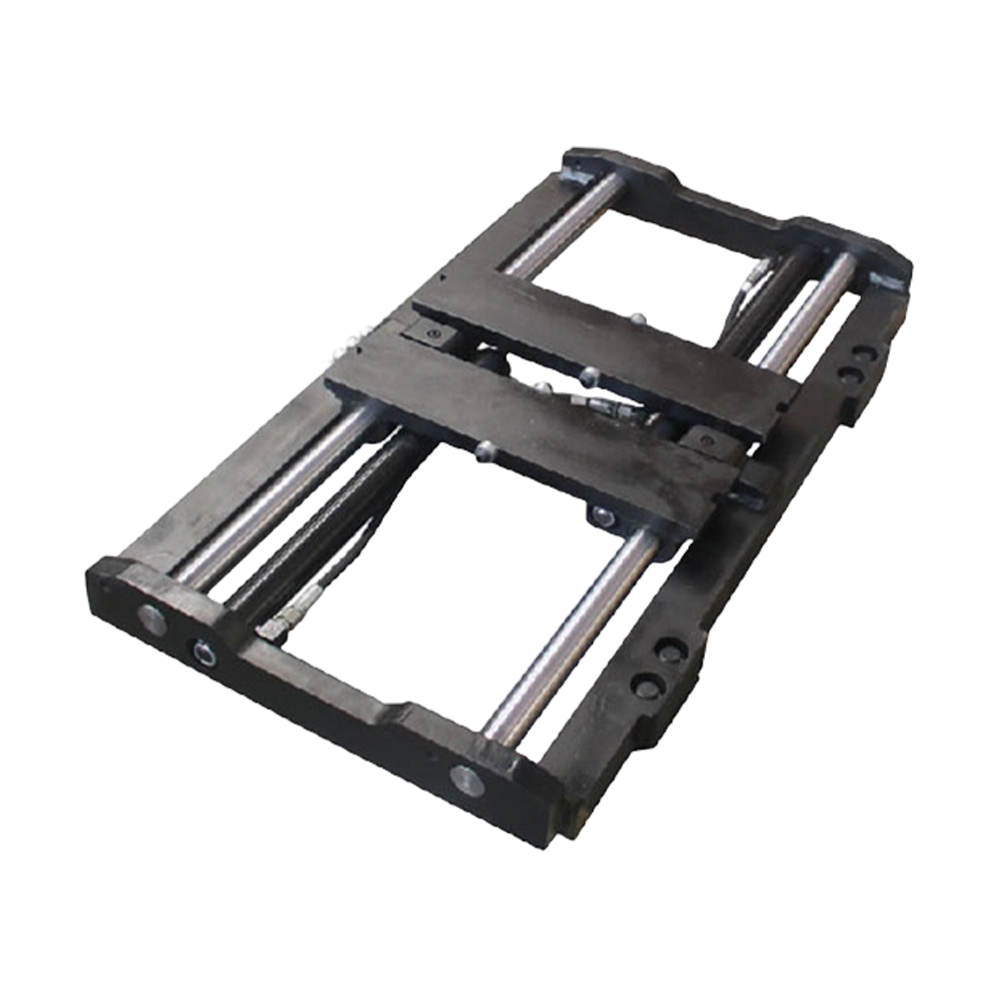
Understanding Fork Positioners: Key Functions and Operational Value
In the fast-paced environment of modern industrial logistics, the efficiency of material handling equipment often hinges on the versatility of the attachments being used. A Fork Positioner serves as a vital hydraulic tool that allows operators to adjust the width between forks directly from the forklift seat. By eliminating the need for manual, time-consuming adjustments, this attachment transforms how varied loads are handled across the warehouse floor.
The primary function of a Fork Positioner is to enable precise, synchronized, or independent lateral movement of the fork blades. This capability is engineered to adapt to different pallet sizes and load widths instantly. When operating a facility that handles everything from standard Euro pallets to irregularly shaped containers, the ability to fine-tune fork spacing without stopping the machine is a significant operational advantage.
At Shanghai HanDavos International Trading Co., Ltd., we have observed over two decades of evolution in material handling. Through our deep engagement with diverse industrial sectors, it is clear that the integration of these positioners is no longer just an optional upgrade; it is a necessity for facilities aiming to streamline cycle times. Because we manage a massive inventory—spanning over 20,000 square meters—we understand that the right attachment does more than just move products; it enhances fleet utilization.
Beyond mere speed, the safety implications of utilizing a Fork Positioner are profound. Manual fork adjustment often forces operators into awkward lifting positions, creating unnecessary physical strain and increasing the risk of workplace injuries. By automating this task, enterprises can maintain a safer working environment, reducing driver fatigue throughout demanding shifts. With our technical team’s background in supporting everything from equipment sales to complex maintenance solutions, we emphasize that a well-chosen positioner is one of the most effective ways to protect both your workforce and your valuable inventory from the risks associated with manual handling errors.
Essential Technical Specifications for Industrial Procurement
Selecting the appropriate Fork Positioner requires a precise understanding of the equipment’s mechanical limitations and the operational environment. To ensure peak performance, several technical parameters must be aligned with the forklift's existing configuration.
Critical Performance Parameters
When evaluating options, the following specifications are essential to avoid performance bottlenecks:
| Parameter | Importance in Selection |
| Rated Capacity | Must match or exceed the forklift’s residual capacity to maintain load safety. |
| ISO Mounting Class | Determines carriage compatibility (e.g., Class II, III, or IV). |
| Hydraulic Flow Rate | Dictates the speed at which forks move; must align with auxiliary valve capacity. |
| Opening Range | The minimum to maximum spread; determines the range of pallet sizes manageable. |
At Shanghai HanDavos International Trading Co., Ltd., our technical engineers prioritize these specs during the consultation process. Whether you are dealing with heavy-duty manufacturing or high-density warehousing, matching the correct Fork Positioner to your specific hydraulic flow and carriage class is a standard procedure our specialists perform to prevent premature wear on hydraulic seals and slide bearings.
Furthermore, the choice of mounting is critical. ISO-style hook-on attachments are common, but for unique applications, pin-type mountings may be necessary to ensure maximum stability. Our team at Shanghai HanDavos International Trading Co., Ltd. leverages years of industry expertise to guide facility managers through these complex technical requirements, ensuring that every attachment integrated into your fleet is fully compatible with your existing hardware, including our extensive range of forklift models.
Fork Positioner vs. Standard Sideshifter: Making the Right Investment
For many operations, the decision often comes down to choosing between a standard sideshifter and a Fork Positioner. While both attachments increase productivity, their mechanical intents are distinct.
A standard sideshifter allows the entire fork carriage to move laterally by a few inches, which is excellent for aligning loads precisely without maneuvering the entire forklift. However, a Fork Positioner takes this functionality significantly further by allowing the forks to move toward or away from each other.
Operational Comparison
Sideshifter: Best for minor adjustments in load placement, helping drivers tuck loads into tight racking spaces. It does not change the spacing between the forks.
Fork Positioner: Essential for facilities that handle mixed-dimension loads. It provides the flexibility to widen forks for large, wide items or narrow them for smaller, lightweight packages, significantly reducing the downtime associated with manual fork adjustment.
Investing in a Fork Positioner effectively transforms the versatility of your equipment. While the initial capital expenditure is higher than a simple sideshifter, the long-term gains in labor efficiency and the reduction in pallet damage—often caused by poorly spaced forks—provide a compelling case for this upgrade. At Shanghai HanDavos International Trading Co., Ltd., our experts often assist in conducting a cost-benefit analysis for clients looking to optimize their workflow. By assessing the frequency of pallet size changes in your day-to-day operations, we help you determine whether the advanced capabilities of a positioner are the right investment for your specific site requirements, ensuring your fleet remains agile and highly productive.
Key Industry Applications and Pallet Handling Versatility
The true value of a Fork Positioner becomes evident when observing how it performs across diverse, demanding work environments. Different industries present unique logistical challenges, and the ability to dynamically adjust fork spread allows material handlers to transition between varied tasks without missing a beat.
Warehousing and Distribution Centers
In high-throughput distribution hubs, facilities rarely deal with just one standard pallet size. Operations frequently cycle between standard GMA pallets, European pallets, and oversized crated goods. Without a Fork Positioner, drivers are forced to manually reposition heavy steel forks by hand, a process that severely eats into daily cycle times. With hydraulic positioning enabled, operators adjust the span instantly from the driver's seat, maintaining a steady, uninterrupted workflow.
Drawing from over two decades of experience across the material handling sector, Shanghai HanDavos International Trading Co., Ltd. frequently supplies attachment solutions tailored for rapid distribution environments. Whether a facility operates electric counterbalance units or robust warehouse machinery, equipping trucks with the right attachment ensures that mixed-load management remains smooth and efficient.
Heavy Manufacturing and Metal Processing
Industrial manufacturing plants present entirely different stressors. Facilities dealing with structural steel, sheet metal, and awkward machinery components require attachments built to withstand severe side-loading and abrasive wear.
| Industry Sector | Primary Load Type | Operational Challenge | Fork Positioner Advantage |
| Warehousing & Logistics | Mixed Pallets (Euro, GMA) | Frequent size changes slowing down cycle times | Instant hydraulic adjustment from the cab |
| Metal Processing | Steel Sheets, Pipes, Beams | Irregular weight distribution and wide loads | Secure, stable clamping and precise width spacing |
| Agriculture & Lumber | Bulky Crates, Timber Bundles | Unstable loads over uneven ground | Enhanced balance and reduced product tipping |
Handling these demanding materials requires robust structural integrity. At Shanghai HanDavos International Trading Co., Ltd., our extensive inventory and deep technical background allow us to support industrial facilities with attachments specifically engineered for heavy-duty applications. Our technical support team works closely with site managers to ensure that the chosen Fork Positioner matches the rigorous duty cycles of heavy manufacturing, minimizing structural stress on the forklift mast.
Critical Selection Criteria for Enterprise Buyers
When upgrading material handling fleets with a Fork Positioner, facility decision-makers must look beyond basic pricing and focus on structural integrity, operational longevity, and serviceability. Choosing an attachment that cannot withstand harsh industrial duty cycles leads to premature component failure and costly maintenance downtime.
Durability and Build Quality
The structural backbone of any high-performance Fork Positioner relies heavily on high-strength steel construction and wear-resistant materials. Slide arms and guide profiles endure immense friction and stress during daily operation.
| Design Feature | Substandard Design | Premium Industrial Design |
| Slide Bearings | Low-grade composite or metal pads that wear out rapidly | Replaceable, high-abrasion-resistant nylon or composite wear strips |
| Cylinder Protection | Exposed hydraulic cylinders vulnerable to debris | Integrated or shielded cylinder routing to prevent impact damage |
| Frame Construction | Thin-walled steel prone to twisting under eccentric loads | Heavy-duty welded box-section frames for maximum torsional rigidity |
At Shanghai HanDavos International Trading Co., Ltd., our extensive two-decade background in the material handling sector has shown us that equipment reliability starts with superior manufacturing standards. Because we maintain over 20,000 square meters of modern warehousing stocked with complete spare parts and diverse attachments, our technical team carefully evaluates these structural nuances before recommending any hardware to our clients.
Visibility Optimization and Serviceability
Operator safety and productivity heavily depend on clear forward visibility. A poorly engineered attachment frame can create dangerous blind spots through the mast and carriage, increasing the risk of accidents in tight warehouse aisles. Modern, high-grade units feature streamlined frame designs and well-routed hydraulic lines that maximize the field of vision for the driver.
Equally important is routine maintenance access. Equipment that requires complex disassembly for basic greasing or seal replacements will inevitably suffer from neglected upkeep. Sourcing equipment through an established enterprise like Shanghai HanDavos International Trading Co., Ltd. ensures that maintenance teams have access to readily available hydraulic seal kits, replacement wear pads, and comprehensive technical guidance from experienced engineers, keeping your material handling operations running smoothly with minimal interruption.
Integration, Customization, and Factory Sourcing Considerations
Integrating a new Fork Positioner into an existing machinery fleet requires careful coordination between site engineering requirements and manufacturing capabilities. No two industrial facilities operate under identical conditions, which often makes off-the-shelf attachments insufficient for specialized tasks.
Customization Options for Unique Industrial Needs
When standard dimensions do not meet specific operational demands, customization becomes a vital factor. Facility managers often require tailored solutions to handle non-standard loads efficiently.
| Customization Area | Standard Specification | Tailored Industrial Solution |
| Fork Lengths | Standard lengths (e.g., 1070mm to 1220mm) | Extended or shortened fork blades designed for specialized crates |
| Mounting Configurations | Standard ISO hook-on carriage classes | Pin-type or custom-welded mountings for specialized industrial trucks |
| Arm Coatings | Bare steel or standard painted finish | Anti-abrasion, non-marking, or spark-resistant coatings for sensitive materials |
Direct-from-Factory Advantages and Partnership Value
Sourcing attachments through a trusted, established partner streamlines the acquisition process, ensuring that technical support and quality control meet rigorous industry standards. Operating from a strategic headquarters in Kunshan City with more than 20,000 square meters of modern standardized warehouses, Shanghai HanDavos International Trading Co., Ltd. leverages over 20 years of profound expertise in the material handling equipment industry to bridge the gap between heavy manufacturing and enterprise fleet needs.
Whether an operation requires brand-new or premium pre-owned equipment, or specialized attachments supported by a comprehensive inventory of spare parts, having access to integrated support is invaluable. The seasoned technical engineers and after-sales specialists at Shanghai HanDavos International Trading Co., Ltd. provide timely pre-sales consultations and meticulous technical guidance. This full-spectrum approach ensures that every custom modification, from unique hydraulic valve adjustments to specialized load-center calculations, is executed seamlessly, minimizing downtime and maximizing the return on your capital investment.
Frequently Asked Questions (FAQ) for Industrial Buyers
Navigating the technical and operational nuances of material handling attachments often brings up specific engineering and maintenance questions. Below are answers to some of the most common inquiries regarding the selection, integration, and upkeep of a Fork Positioner.
What maintenance schedule is recommended to ensure optimal performance of a hydraulic fork positioner?
Routine maintenance is critical to extending the operational lifespan of any hydraulic attachment.
Daily Checks: Perform a visual inspection of hydraulic hoses, fittings, and cylinder seals for any signs of leaks or wear. Check the slide bars for foreign debris.
Weekly Service: Apply fresh grease to all designated slide guides, pins, and pivot points to prevent metal-on-metal friction.
Monthly/Quarterly Inspection: Test the hydraulic pressure relief valves and verify that the mounting bolts and retaining pins remain fully secured to the carriage.
Drawing from over two decades of industry experience, the technical support team at Shanghai HanDavos International Trading Co., Ltd. regularly advises facility maintenance crews on preventative care routines, ensuring that spare parts like seal kits and replacement wear pads are readily available to prevent unexpected downtime.
How do I determine the correct ISO mounting class for my existing forklift fleet?
Matching the attachment to the correct carriage class ensures structural safety and prevents load tipping. The classification is determined primarily by the vertical height of the carriage bar.
| ISO Carriage Class | Carriage Height | Typical Forklift Capacity Range |
| Class II | 15 inches (approx. 381 mm) | 1,000 kg to 2,500 kg |
| Class III | 20 inches (approx. 508 mm) | 3,000 kg to 5,500 kg |
| Class IV | 25 inches (approx. 635 mm) | 6,000 kg to 10,000+ kg |
Measuring the distance from the top of the upper carriage hook to the bottom of the lower carriage hook will accurately identify your required class before sourcing a new unit.
Can a fork positioner be retrofitted onto a forklift that currently only has a standard sideshifter?
Yes, in most cases a retrofit is entirely feasible, but it depends heavily on your forklift's hydraulic infrastructure. A standard sideshifter typically requires a single auxiliary hydraulic function (one set of hydraulic lines). A standard Fork Positioner requires an additional function to control the independent or synchronized widening and narrowing of the forks.
| Hydraulic Requirement | Standard Sideshifter | Hydraulic Fork Positioner |
| Auxiliary Functions Needed | 1 Function (Side-to-side movement) | 2 Functions (Side-to-side + Fork spreading) |
| Valve Configuration | Single auxiliary control lever/switch | Dual auxiliary control levers or a solenoid-operated selector valve |
If your forklift currently lacks the second auxiliary circuit, our engineering specialists at Shanghai HanDavos International Trading Co., Ltd. can assist in evaluating your hydraulic valve setup and providing the necessary conversion components or multi-function kits from our comprehensive parts inventory.
What factors influence the lifespan of the hydraulic cylinders and slide bearings?
The longevity of internal hydraulic seals and external slide guides is largely determined by operating conditions and load distribution. Factors such as eccentric loading (placing heavy weights off-center on a single fork), operating in corrosive or abrasive environments (like chemical plants or dusty construction yards), and inadequate lubrication accelerate wear significantly. Utilizing high-strength steel positioners equipped with robust wear strips and maintaining a disciplined greasing routine will maximize component durability.
What are the standard warranty terms and spare parts availability when sourcing directly from a factory?
When acquiring heavy-duty material handling attachments, reliable after-sales support and warranty coverage are essential safeguards. Standard industry warranties typically cover structural steel frames and hydraulic cylinders against manufacturing defects for a defined operational period.
At Shanghai HanDavos International Trading Co., Ltd., our headquarters in Kunshan City operates alongside more than 20,000 square meters of modern standardized warehouses, housing an extensive inventory of brand-new and pre-owned equipment, complete spare parts, and attachments. This robust infrastructure allows us to support global clients with rapid order fulfillment, comprehensive after-sales solutions, and readily available replacement parts to keep your facility operating at peak efficiency.
