


 English
 中文简体
中文简体 русский
 Español
 عربى
عربى
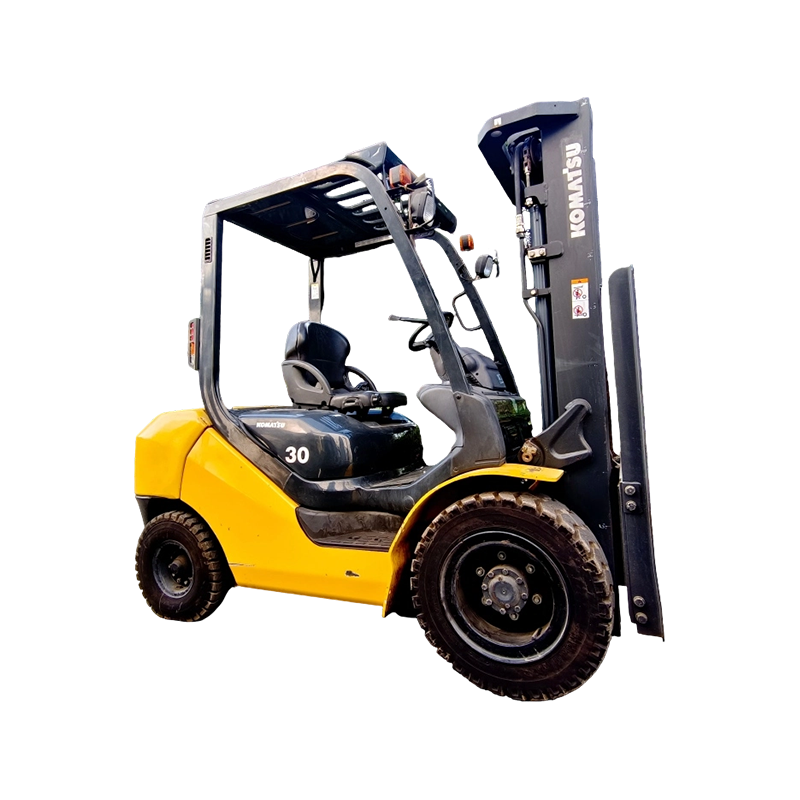
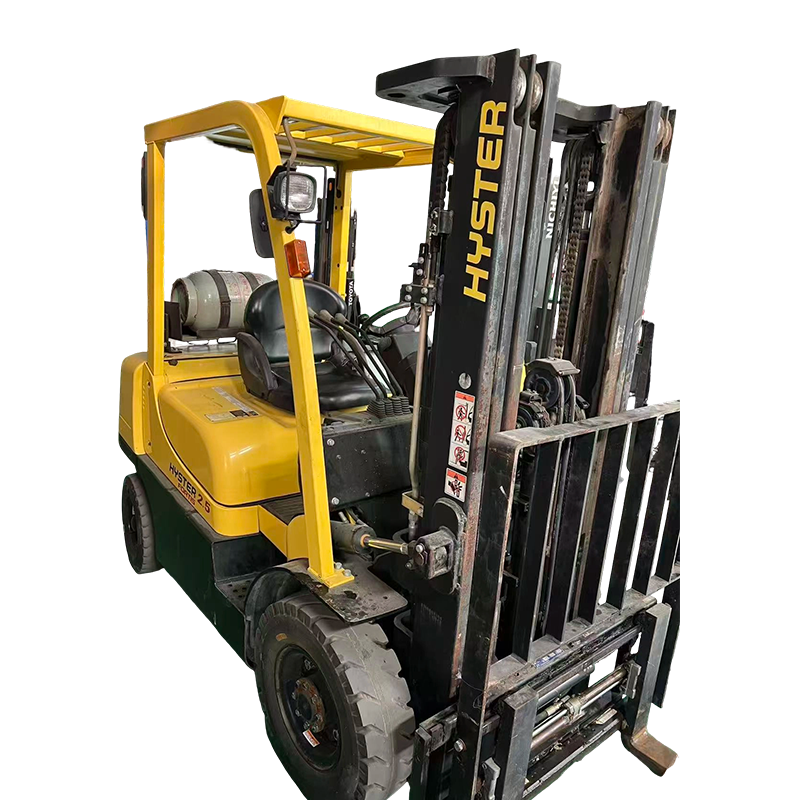
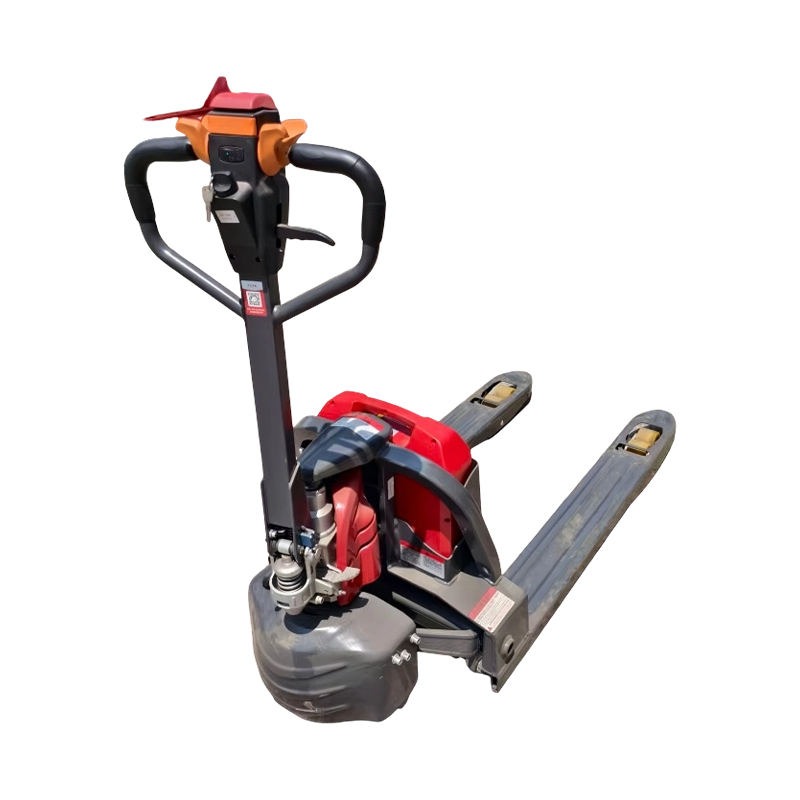
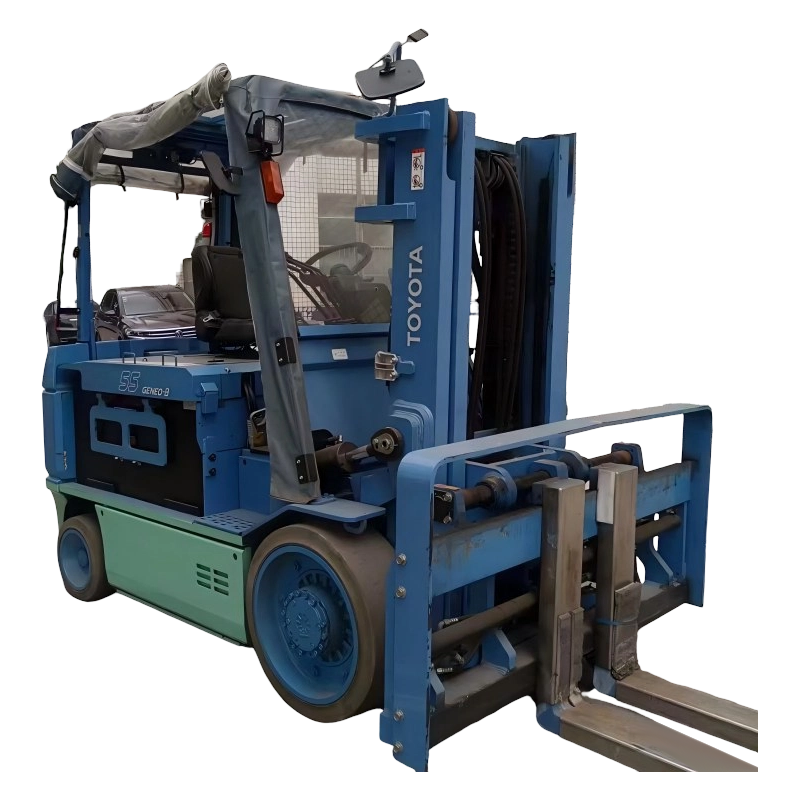
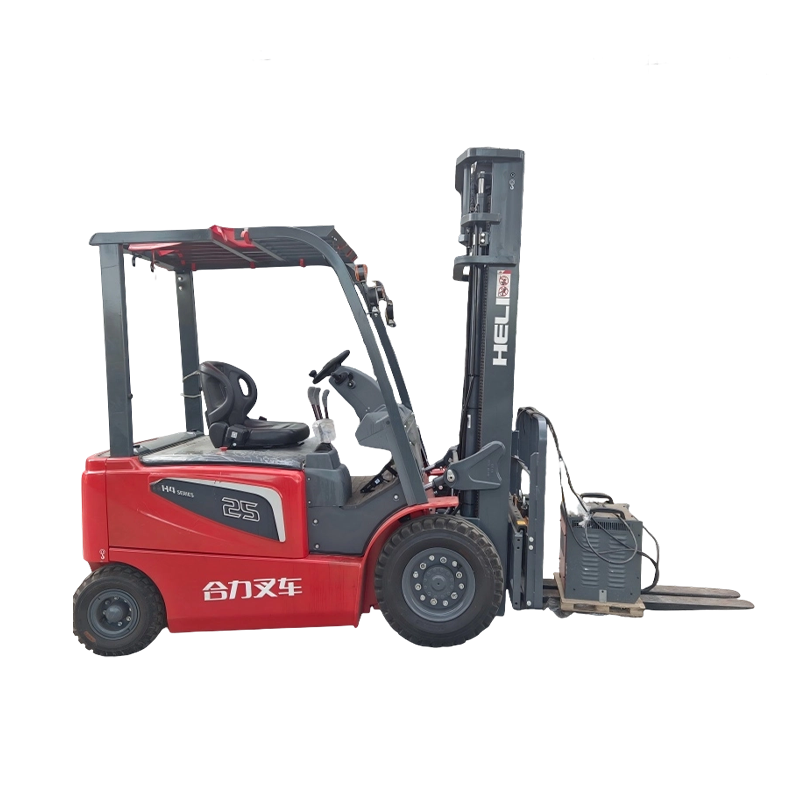
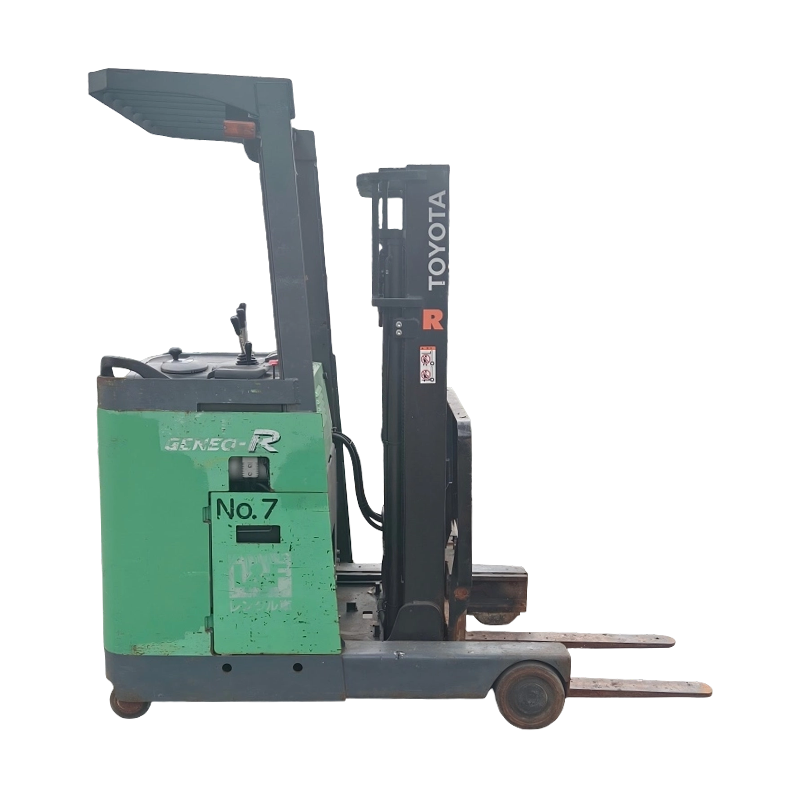
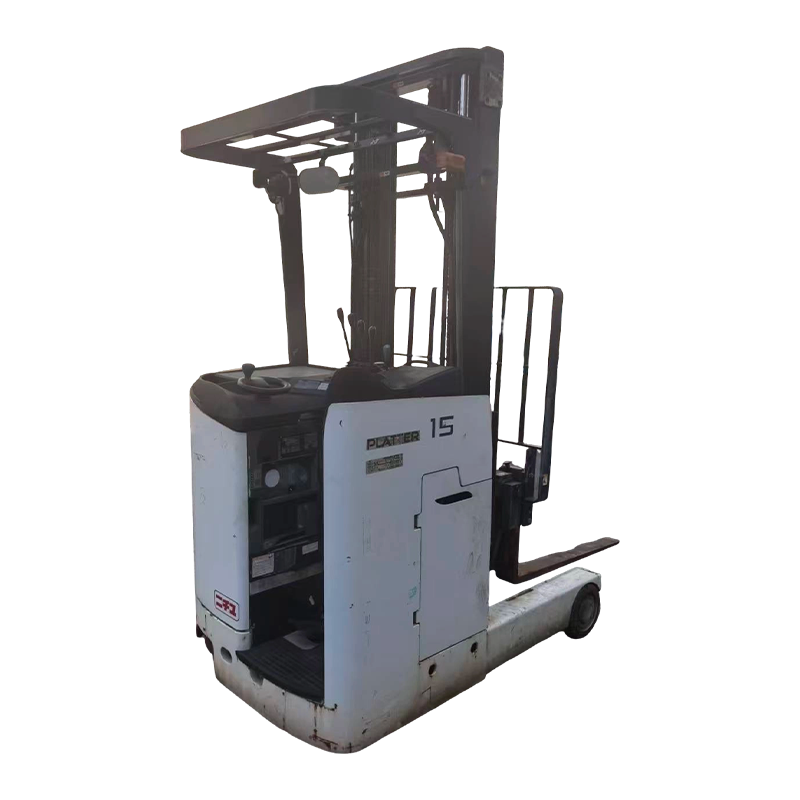
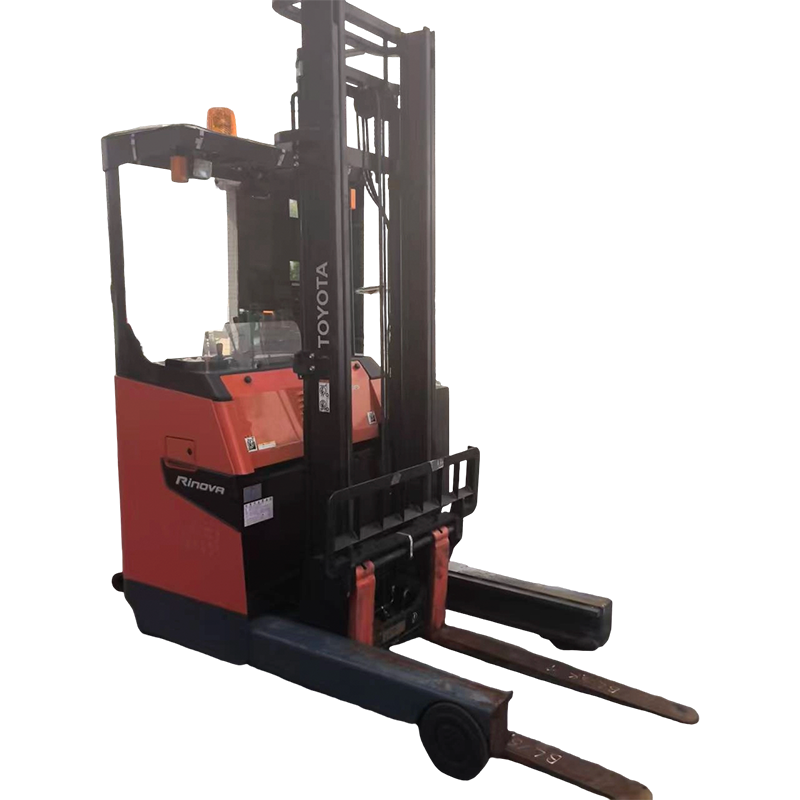
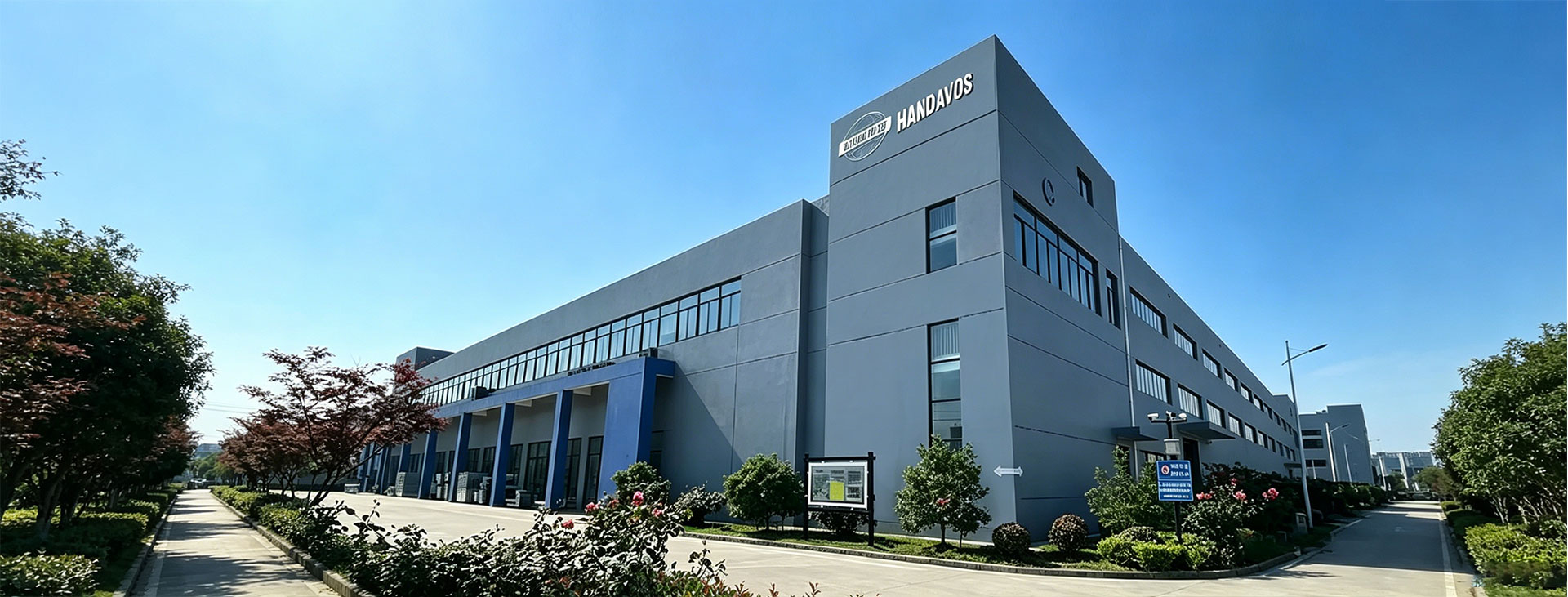
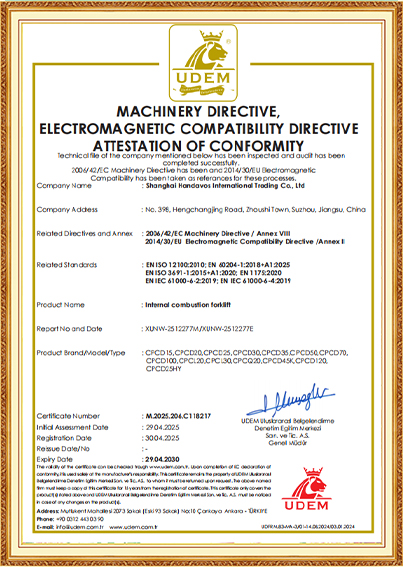
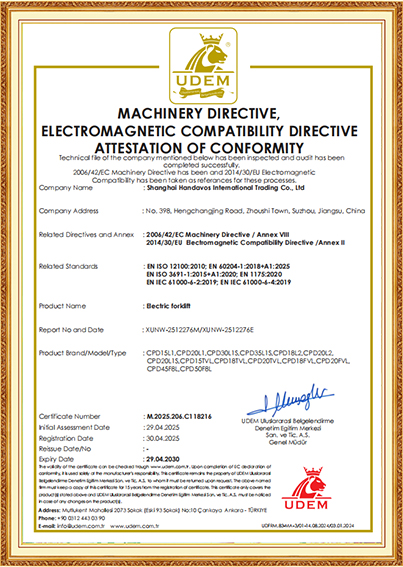
Understanding Your Material Handling Requirements
Selecting the right industrial machinery is the foundation of an efficient warehouse. When you are looking to acquire a used forklift, the decision-making process must be rooted in data rather than guesswork. At Shanghai HanDavos International Trading Co., Ltd., we have spent over 20 years observing how different operational environments dictate the lifespan and performance of material handling equipment. To ensure the equipment you select integrates seamlessly into your workflow, you must first conduct a rigorous assessment of your facility’s physical and operational demands.
Evaluating Operational Demands
Begin by calculating your workload profile. This involves auditing your average daily pallet movement, the specific weight of your heaviest loads, and the maximum lift height required by your racking systems. A common mistake is prioritizing current needs while ignoring projected growth. By choosing a used forklift with a slightly higher load capacity than your current baseline, you provide your operation with a necessary buffer for future expansion.
Indoor vs. Outdoor Operations
The operating environment is the most critical factor in determining the powertrain of the equipment you need. Our team at Shanghai HanDavos International Trading Co., Ltd. frequently advises clients based on their specific floor conditions:
| Feature | Electric Models (Class I) | Internal Combustion (Class IV/V) |
| Primary Use | Indoor, flat surfaces | Outdoor, uneven terrain, yards |
| Fuel Source | Battery-powered | LPG, Diesel, or Gasoline |
| Environmental Impact | Zero emissions, quiet | Exhaust emissions, higher noise |
| Maintenance Profile | Fewer moving parts | Requires engine/transmission service |
For indoor warehouses with polished concrete, electric-powered machinery is generally preferred due to its compact turning radius and clean operation. Conversely, if your facility includes loading docks that transition to asphalt or gravel, a rugged internal combustion used forklift is often the more reliable choice for maintaining traction and stability.
Mast Types and Reach Capabilities
The mast configuration dictates your vertical storage efficiency. When evaluating a used forklift, you must match the mast type to your rack height and door clearances:
Standard (Two-Stage) Mast: Ideal for facilities with lower ceilings and straightforward loading dock operations.
Full Free-Lift (Three-Stage) Mast: Essential if you need to load or unload inside shipping containers or move pallets in areas with low overhead obstacles, as the forks can rise without the mast height increasing initially.
At Shanghai HanDavos International Trading Co., Ltd., we maintain a massive inventory of over 20,000 square meters of warehouse space. This depth of inventory allows us to provide equipment with diverse mast configurations, ensuring that whether you require high-reach stacking or low-profile container entry, we can match you with the precise specification required for your site. By consulting with our technical experts, you can avoid the common pitfalls of mismatched reach capabilities, ensuring that every used forklift you integrate into your facility works at peak efficiency from day one.
Strategic Financial Advantages of Purchasing Pre-Owned Machinery
Expanding or updating an industrial fleet requires a careful balance between capital investment and operational productivity. For large-scale facility managers and logistics directors, choosing a pre-owned asset is often a strategic financial maneuver rather than a mere cost-saving measure. By integrating a high-quality used forklift into your operations, you can optimize your balance sheet while maintaining the rigorous performance standards demanded by heavy-duty material handling environments.
Capital Efficiency and Depreciation Control
Heavy industrial equipment experiences the steepest financial depreciation during its first two to three years of service. When enterprises purchase brand-new units, they absorb this rapid loss in market value. Opting for a certified used forklift allows organizations to bypass initial heavy depreciation while acquiring machinery that retains the vast majority of its operational life.
| Investment Metric | New Equipment Acquisition | Pre-Owned Equipment Acquisition |
| Initial Capital Outlay | High upfront investment | Preserves cash flow and liquidity |
| First-Year Depreciation | Steep up to 30 percent | Minimized, highly stabilized value |
| Return on Investment | Extended payback period | Accelerated asset productivity |
To help clients maximize capital efficiency, Shanghai HanDavos International Trading Co., Ltd. leverages over 20 years of industry experience to supply meticulously inspected pre-owned models. Our extensive inventory of premium units ensures that growing enterprises can scale their fleets without locking up excessive capital in brand-new equipment.
Total Cost of Ownership and Fleet Expansion
When calculating the Total Cost of Ownership, acquisition price is only one component. Maintenance history, parts availability, and residual value dictate the true financial impact of an asset over its lifecycle. Because pre-owned machinery offers a lower initial purchase price, facility budgets can stretch further, enabling the acquisition of multiple units instead of a single new one. This flexibility is vital when scaling operations to meet seasonal surges or expanding warehouse footprints.
Immediate Availability and Operational Continuity
Supply chain bottlenecks and long manufacturing lead times for brand-new industrial machinery can stall facility expansions or delay logistics operations. One of the most significant operational advantages of sourcing a used forklift is immediate availability.
At Shanghai HanDavos International Trading Co., Ltd., we maintain more than 20,000 square meters of modern standardized warehouses, keeping a massive, diversified stock ready for instant deployment. This robust inventory allows global clients to bypass lengthy factory wait times. Whether you need to replace an unexpected breakdown or rapidly scale your fleet for peak shipping seasons, our one-stop procurement capabilities and rapid order fulfillment ensure your facility maintains continuous uptime and peak productivity.
Essential Inspection Checklist for Industrial Procurement
Evaluating a pre-owned material handling asset requires a structured, methodical approach to ensure it meets rigorous facility standards. When selecting a used forklift, conducting a thorough physical and mechanical assessment prevents unexpected downtime and ensures safe integration into your daily workflow.
Evaluating Core Mechanical Components
The heart of any industrial truck lies in its engine, transmission, and hydraulic systems. Technicians must inspect these areas for fluid leaks, unusual noise, and responsiveness under load.
| Inspection Area | Key Checkpoints | Potential Red Flags |
| Engine and Powertrain | Fluid levels, exhaust color, startup response | Excessive smoke, rough idling, transmission slip |
| Hydraulic System | Lift cylinders, tilt cylinders, hoses, fittings | Pitted cylinder rods, fluid weeping, slow lifting |
| Steering Mechanism | Axle play, kingpins, steering responsiveness | Excessive wheel play, uneven steering resistance |
To streamline this process, the technical and after-sales specialists at Shanghai HanDavos International Trading Co., Ltd. provide comprehensive pre-sales guidance and detailed inspection logs, ensuring every used forklift meets strict mechanical benchmarks before leaving our 20,000-square-meter warehouse facilities.
Mast, Carriage, and Fork Integrity
Vertical lifting components bear immense structural stress and must be inspected meticulously. Check the mast channels for deep scoring or structural warping. Inspect the lift chains for elongation, rust, or stiffness, which indicate wear. Additionally, measure the thickness of the fork heels using a caliper; excessive wear at the bend compromises load ratings and safety compliance.
Tires and Undercarriage Assessment
Tire condition directly impacts stability, shock absorption, and traction. The right tire type depends heavily on your flooring conditions:
Cushion Tires: Best for smooth indoor concrete; provide a tight turning radius but lack traction outdoors.
Pneumatic Tires: Built for rough outdoor surfaces, gravel, and yards; offer deep treads and high ground clearance.
Solid Pneumatic Tires: Combine the puncture-proof nature of cushion tires with the rugged durability of pneumatics.
Inspect the tread depth, check for chunks missing from the rubber, and verify that the tires are securely seated on the rims.
Battery Health and Electrical Systems
For electric-powered equipment, the battery represents a major portion of the machine's overall value. A thorough evaluation should look beyond simple voltage readings:
| Battery Metric | Optimal Standard | Warning Signs |
| Specific Gravity | Uniform across all cells approx 1.280 | Discrepancies between individual cells |
| Physical Condition | Clean terminals, no acid leakage, dry box | Corrosion, cracked casing, bulging walls |
| Discharge Test | Holds charge under heavy industrial load | Rapid voltage drop during lifting cycles |
Drawing on over 20 years of industry expertise, Shanghai HanDavos International Trading Co., Ltd. ensures that all pre-owned electric units undergo strict power system testing. Our professional after-sales specialists verify battery health and electrical wiring harness integrity, giving your operations the reliability needed for heavy, continuous shift work.
Why Quality Inspection and Certification Matter
Integrating heavy machinery into an active industrial workflow involves inherent operational risks. When an enterprise decides to acquire a used forklift, cutting corners on quality verification can lead to catastrophic equipment failure, safety violations, and severe financial losses. Mitigating these risks requires rigorous pre-delivery inspections and verified service certifications that guarantee the asset's structural and mechanical integrity.
Mitigating Operational Risks and Ensuring Compliance
A single structural failure in a warehouse can compromise employee safety, damage expensive inventory, and bring facility operations to a complete halt. To prevent these scenarios, every pre-owned machine must be evaluated against strict local industrial safety regulations and occupational health standards.
At Shanghai HanDavos International Trading Co., Ltd., we understand that large-scale operations cannot afford unexpected downtime. Backed by over 20 years of profound expertise in the material handling equipment industry, our professional technical team conducts exhaustive multi-point inspections on every used forklift before it enters our inventory. This meticulous process ensures that load-bearing structures, braking systems, and safety guards comply with the highest industry standards.
The Value of Transparent Service History
A machine's past tells a critical story about its future reliability. Reviewing comprehensive maintenance logs allows technical specialists to verify how well previous owners serviced the equipment, whether scheduled fluid changes were performed on time, and if OEM replacement parts were used.
To give global clients absolute confidence, Shanghai HanDavos International Trading Co., Ltd. provides transparent documentation and detailed maintenance records for our rich product portfolio. Furthermore, our dedicated after-sales specialists and experienced technical engineers offer ongoing technical guidance and comprehensive support solutions. Whether you require pre-purchase consultations or post-delivery maintenance advice, our team is equipped to resolve operational challenges and maximize the working lifespan of your fleet.
Maximizing Fleet Uptime: Maintenance and Operational Best Practices
Securing high-performing machinery is only the first step toward long-term operational efficiency. To protect your investment in a used forklift, your facility must implement rigorous preventive maintenance routines and ensure that operators adhere to strict safety protocols. Left unmanaged, even the most durable industrial truck will experience premature wear, unexpected breakdowns, and costly service delays.
Implementing Preventive Maintenance Schedules
A proactive service strategy shifts maintenance from reactive repairs to planned interventions. Routine inspections should be categorized by operating hours to address components before they fail.
| Maintenance Interval | Key Focus Areas | Action Items |
| Daily Pre-Shift | Fluid levels, tires, brakes, horns, lights | Visual walkthrough and functional testing |
| 250 Hours | Engine oil, filters, lubrication points | Change oil and filters, grease mast and axle |
| 1000 Hours | Transmission, hydraulic fluid, cooling systems | Comprehensive fluid analysis, tune-ups, replacements |
To streamline repairs and minimize downtime, having a dependable source for replacement components is essential. Shanghai HanDavos International Trading Co., Ltd. specializes not only in supplying premium equipment but also acts as a reliable wholesale provider for forklift spare parts and diverse attachments. Our large-scale warehousing in Kunshan City enables rapid distribution of necessary components, ensuring your maintenance teams can service your used forklift without enduring long supply chain delays.
Operator Training and Safety Protocols
The lifespan of any industrial truck is heavily influenced by how it is driven. Smooth acceleration, controlled cornering, and proper load placement significantly reduce strain on the transmission, steering axle, and hydraulic cylinders. Ensuring that your workforce is fully certified to operate the specific class and capacity of your used forklift prevents structural abuse and protects inventory.
Sourcing Quality Parts and Expert Support
When mechanical components eventually reach the end of their operational cycle, using reliable replacement parts is vital for restoring factory performance. Whether you are maintaining a single unit or managing a diverse fleet across a large facility, having access to professional technical support makes all the difference.
The experienced technical engineers and after-sales specialists at Shanghai HanDavos International Trading Co., Ltd. are always available to provide expert guidance on equipment maintenance, part selection, and troubleshooting. By combining structured preventive maintenance routines with trusted component sourcing, your facility can maximize fleet uptime and extract peak productivity from every used forklift in your operation.
Frequently Asked Questions
When facilities scale up or upgrade their material handling capabilities, investing in a pre-owned industrial truck often brings up critical technical and operational questions. Below are answers to the most common queries regarding fleet expansion, asset evaluation, and equipment procurement.
What are the primary differences between Class 1, Class 4, and Class 5 industrial trucks when buying pre-owned?
Understanding equipment classifications ensures that the machinery you choose matches your facility’s layout and floor conditions.
| Classification | Power Type | Tire Type | Ideal Application |
| Class 1 | Electric Motor Rider | Cushion or Solid Pneumatic | Indoor warehouses, clean environments |
| Class 4 | Internal Combustion Engine | Cushion Tires | Indoor loading docks, smooth transition areas |
| Class 5 | Internal Combustion Engine | Pneumatic Tires | Rugged outdoor yards, gravel lots |
How is the remaining lifespan of a used forklift typically evaluated?
A machine's remaining service life depends on a combination of operating hours, maintenance history, and component wear. Typically, an industrial truck used in standard warehouse conditions can achieve 10,000 to 15,000 operating hours before requiring a major engine overhaul, provided it has undergone regular servicing. When reviewing a used forklift, technicians examine hour meters alongside the structural wear of the mast channels, steering axles, and hydraulic cylinders to project remaining utility accurately.
What maintenance and post-purchase support should facility managers expect?
Securing reliable post-purchase support is vital for minimizing operational interruptions. At Shanghai HanDavos International Trading Co., Ltd., our professional after-sales specialists and experienced technical engineers provide comprehensive guidance, from initial equipment selection to ongoing maintenance troubleshooting. Backed by our extensive inventory of spare parts and forklift attachments housed in our modern Kunshan facilities, we ensure that global clients receive rapid support and streamlined service solutions throughout the entire lifecycle of their equipment.
