


 English
 中文简体
中文简体 русский
 Español
 عربى
عربى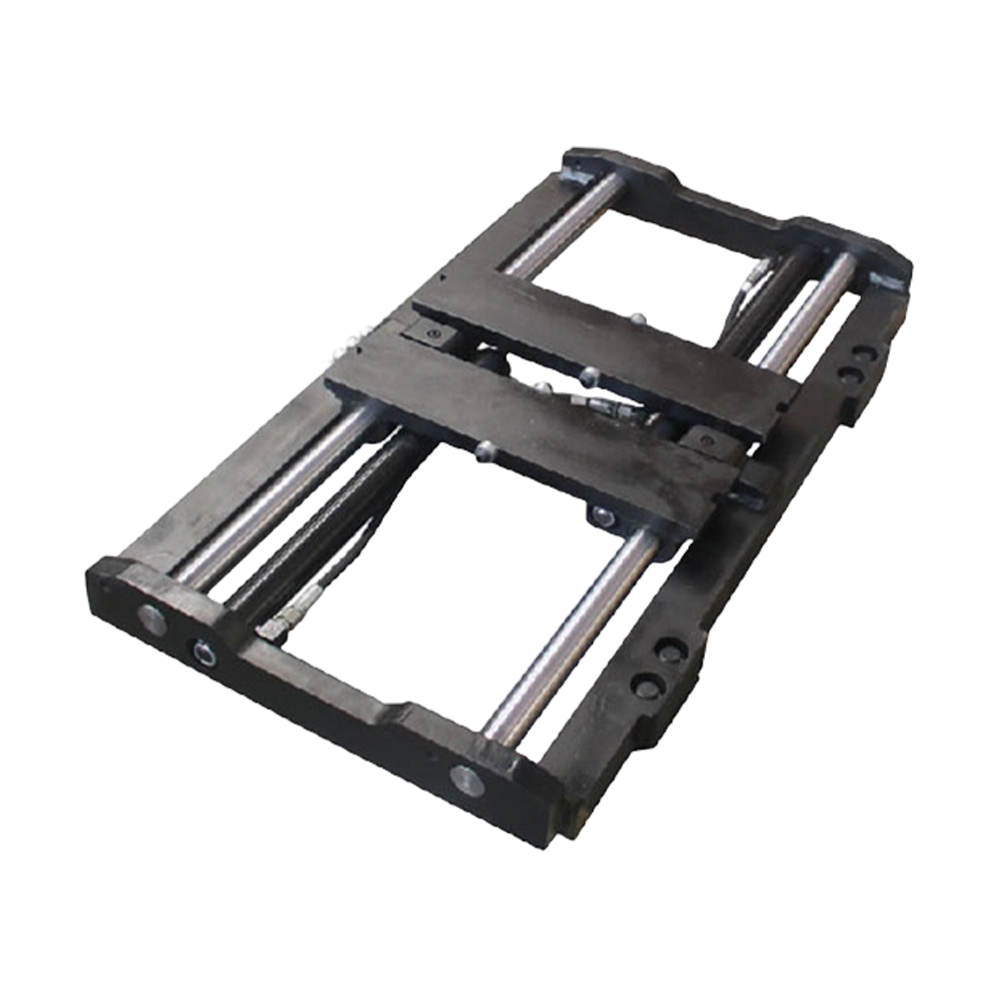
Elevating Industrial Efficiency with Advanced Attachments
In the rigorous world of industrial material handling, the capability of a forklift is often determined not just by the machine itself, but by the specialized equipment attached to its carriage. Whether managing heavy-duty palletized loads in a sprawling distribution center or executing high-precision tasks in a manufacturing plant, the right attachments transform standard machines into versatile tools.
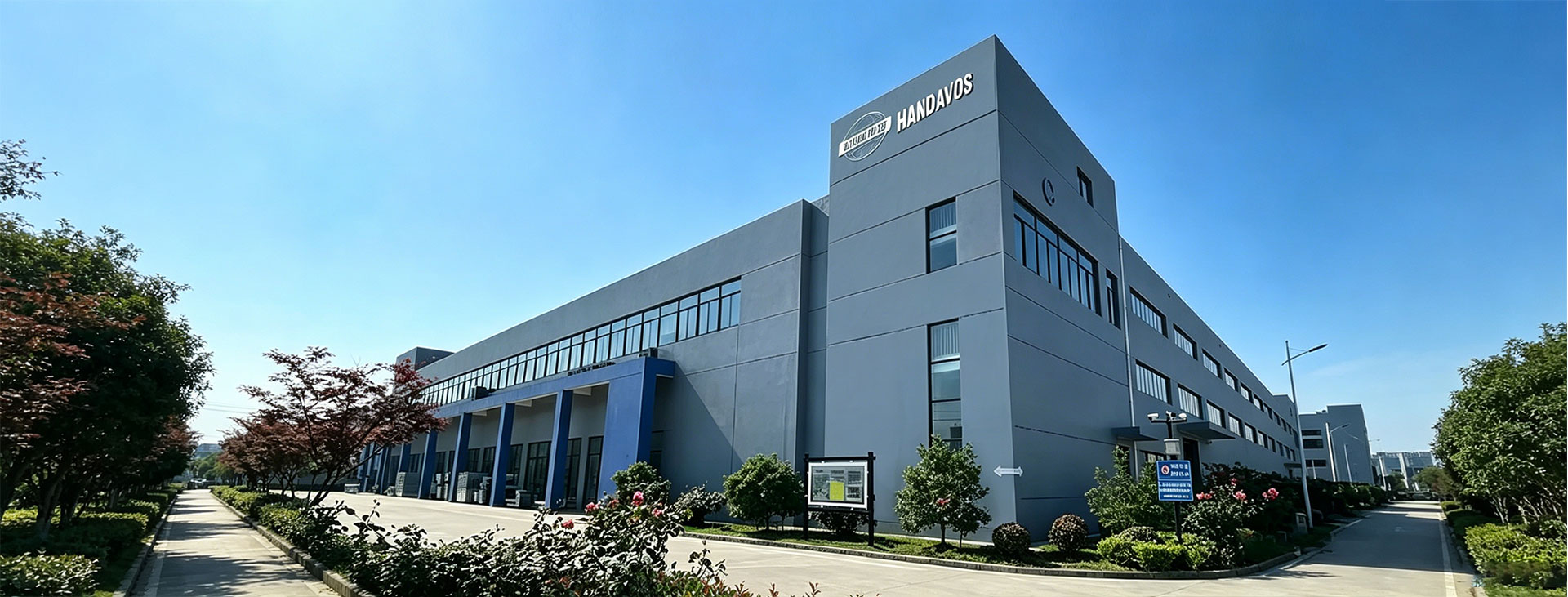
At Shanghai HanDavos International Trading Co., Ltd., we have observed over two decades of industry evolution that high-performance operations are built on the strategic deployment of these tools. By utilizing engineered solutions rather than generic hardware, facilities significantly reduce operational downtime and extend the lifespan of their entire fleet. A forklift equipped with the precise tool for the task ensures that safety is prioritized while maintaining the high throughput levels demanded by modern logistics. By integrating our extensive experience with a vast inventory—housed in our 20,000-square-meter facility—we help ensure that every piece of machinery operates at its theoretical maximum efficiency.
Core Categories of Forklift Attachments for Industrial Operations
Choosing the right attachment depends on the specific load profile and environmental constraints. Below are the primary categories that define modern material handling.
Hydraulic and Load-Handling Attachments
These attachments leverage the forklift’s hydraulic system to manipulate loads with speed and accuracy.
Fork Positioners: Essential for shifting forks horizontally to accommodate different pallet sizes without manual adjustment.
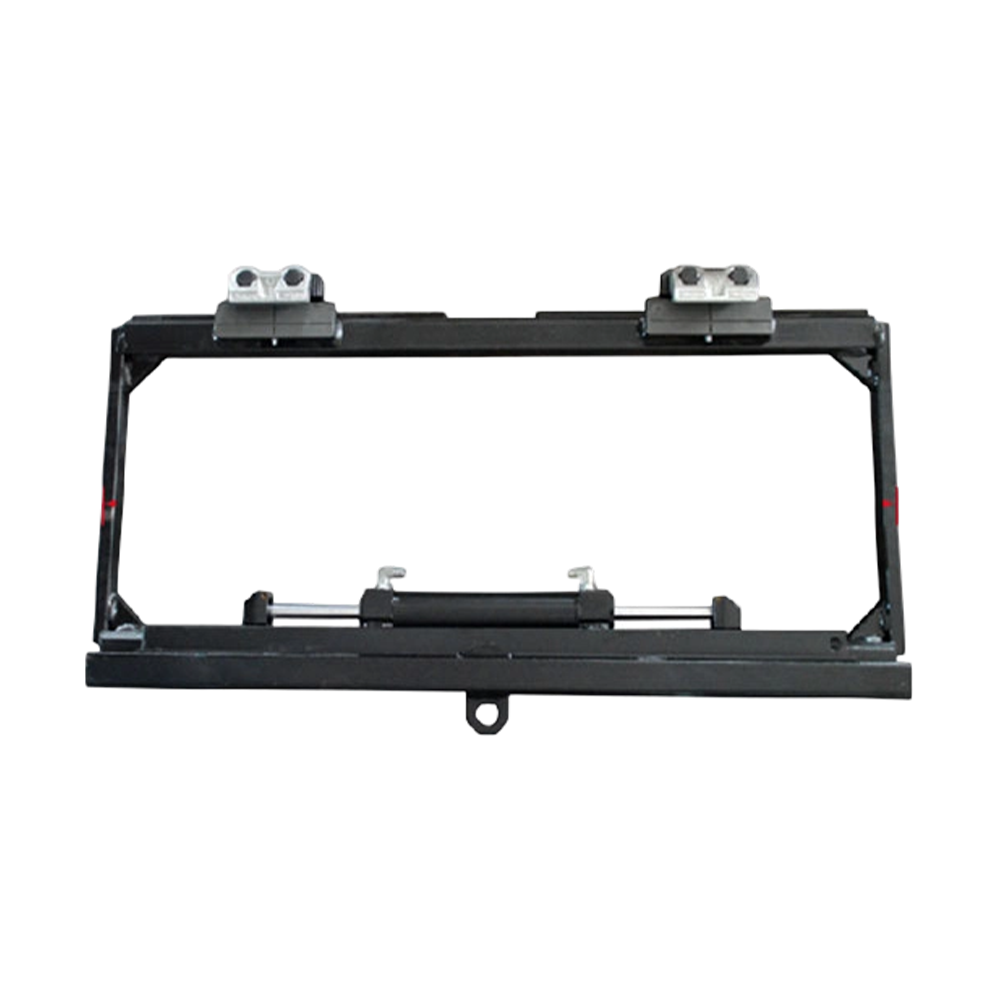
Side Shifters: Provide lateral movement of the entire fork carriage, allowing for easier alignment and precision placement in tight racking.
Rotators: Designed for 360-degree load turning, commonly used in food processing or waste management to dump containers.
Carton Clamps: Enable palletless handling by using friction to secure boxed goods, optimizing space and storage efficiency.
Safety and Visibility Enhancements
Operator awareness is the first line of defense against workplace accidents.
LED Warning Systems: Blue spot lights or red perimeter zone lights provide active warnings to pedestrians near moving machinery.
Laser Guidance: Projects a visible laser line onto the rack or load to assist the operator with fork alignment at height.
Monitoring Systems: High-definition backup cameras and specialized mirrors eliminate blind spots, which is vital when operating in high-traffic aisles.
Maintenance and Durability Upgrades
Protecting the core investment is a priority for any facility manager. Upgrades like heavy-duty carriage guards and reinforced backing frames are designed to withstand the daily impact of heavy industrial shifts, ensuring the forklift remains in service longer.
Forklift Accessories
The term "Forklift Accessories" often encompasses the essential components that interface between the machine's carriage and the load. Selecting these requires a focus on structural integrity and hydraulic compatibility.
When configuring your equipment, it is essential to ensure that the accessory matches the forklift’s capacity and the mounting class (e.g., Class II or Class III). Shanghai HanDavos International Trading Co., Ltd. specializes in ensuring that these components—from precision hydraulic valves to specialized mounting hardware—align perfectly with both the host forklift and the operational requirements. A poorly matched accessory can lead to hydraulic pressure drops or, more critically, structural failure under load.
For facilities managing diverse fleets including brands like BYD, TOYOTA, HELI, HANGCHA, JAC, and LINDE, maintaining a standardized approach to these accessories ensures that operators can switch between units without performance variance. Our technical team works closely with facility managers to audit their current hydraulic flow rates and carriage setups, ensuring that the accessories selected are not just add-ons, but integrated components of the machine’s lifting architecture.
Key Comparison: Standard Hydraulic Attachment Specifications
| Feature | Side Shifter | Fork Positioner | Multi-Pallet Handler |
| Primary Use | Lateral alignment | Variable load width | Simultaneous pallet handling |
| Hydraulic Needs | 1 Auxiliary Valve | 2 Auxiliary Valves | 3 Auxiliary Valves |
| Operational Gain | High speed | High versatility | Maximum throughput |
| Maintenance | Low | Moderate | High |
This comparison highlights how the complexity of the accessory dictates the hydraulic infrastructure required on the forklift itself.
Sourcing and Selection Criteria for High-Volume Operations
Effective material handling requires rigorous standards in product quality and manufacturing. When selecting industrial attachments, the following criteria are paramount:
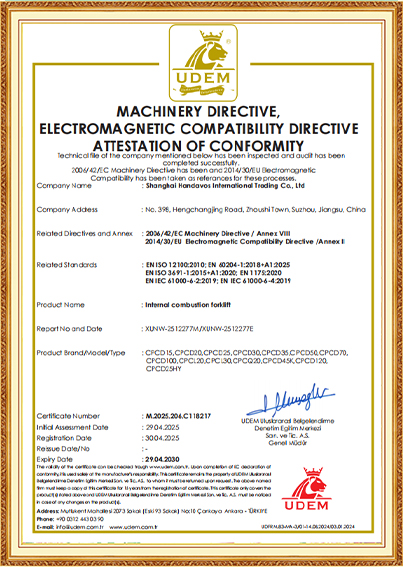
Engineering Standards: Attachments must be constructed from high-tensile forged steel and treated with wear-resistant alloy coatings to handle heavy-duty cycles without structural fatigue. Compliance with ISO, CE, and OSHA guidelines is non-negotiable.
Customization Capabilities: Every industrial scenario is unique. Whether you require specific load centers, modified carriage widths, or specialized mounting classes, the ability to source custom-engineered parts is essential. Shanghai HanDavos International Trading Co., Ltd. utilizes its direct factory relationships to provide these tailored solutions, bridging the gap between standard off-the-shelf products and specialized operational demands.
Technical Support: Industrial machinery requires a partner that provides more than just the component. Access to detailed technical schematics, installation manuals, and a constant supply of spare parts is necessary for long-term fleet health. Our team of experienced technical engineers provides this pre-sales consultation and post-installation support to resolve maintenance challenges before they lead to costly downtime.
Operational Impact: Safety, Ergonomics, and Efficiency Gains
The deployment of high-quality accessories directly influences the human side of material handling. Ergonomics play a massive role in operator productivity; for instance, precise hydraulic controls integrated into the forklift cab reduce physical strain, allowing operators to maintain focus over long shifts.
Furthermore, these tools are essential for damage reduction. When an operator can position a load or shift a pallet with exactitude, the rate of cargo damage decreases significantly. The return on investment for such an upgrade is often realized in reduced product waste and fewer equipment repairs. By utilizing our standardized warehouse inventory, facilities can maintain a consistent level of performance across their entire fleet, ensuring that the transition from a standard forklift to an optimized material handler is seamless.
Frequently Asked Questions (FAQ) & Technical Insights
How do facility managers determine the correct hydraulic pressure and flow rate for a newly installed attachment?
The required pressure is typically governed by the attachment’s hydraulic actuator specifications, while the flow rate determines the speed of the movement. It is critical to consult the forklift’s auxiliary valve specifications and the attachment’s data plate. If the flow rate is too high, the attachment may move erratically; if too low, it will be sluggish. Our engineers at Shanghai HanDavos International Trading Co., Ltd. can assist in calculating the exact hydraulic flow requirements based on your specific machine model.
What is the physical difference between Class II, Class III, and Class IV carriage mountings when ordering equipment?
These classes refer to the standard dimensions (height of the carriage plate) defined by international standards. Class II is typically for forklifts from 2,000 to 5,500 lbs capacity; Class III is for 6,000 to 10,000 lbs; and Class IV is for heavier lifting. Knowing your specific class is vital to ensure the attachment fits the carriage plate safely and securely.
Can custom-engineered attachments be manufactured for non-standard, oversized, or heavy industrial loads?
Yes. In many industrial applications, standard products do not suffice. We leverage our deep expertise to provide custom fabrications that meet specific load-bearing requirements, ensuring that even the most unique cargo can be handled with the same stability as standard pallets.
What routine maintenance and lubrication protocols are required to extend the working lifespan of industrial clamps and positioners?
Regular inspection of hydraulic hoses, cylinder seals, and slide pads is crucial. Lubrication points should be serviced according to the equipment's duty cycle. For heavy-use facilities, we recommend a quarterly technical audit of all moving parts to proactively identify wear before it compromises safety.
