


 English
 中文简体
中文简体 русский
 Español
 عربى
عربى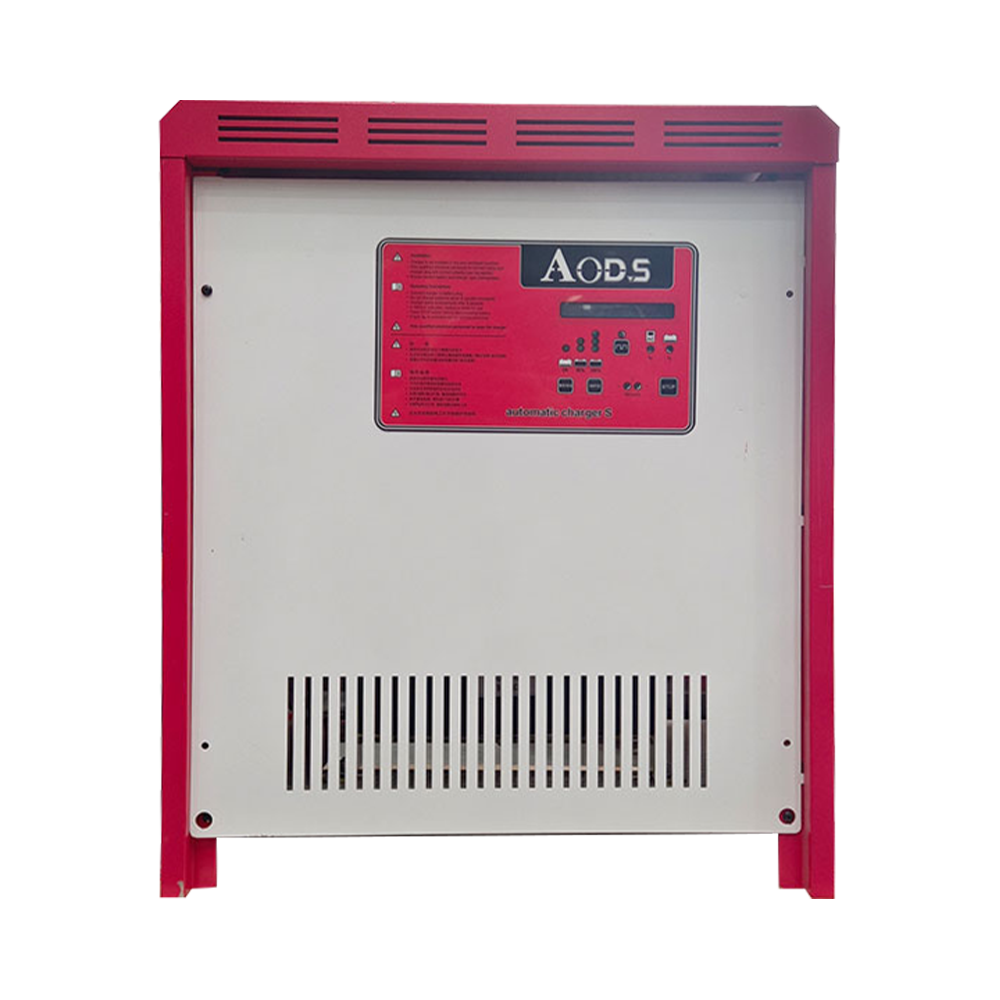
Understanding the Fundamentals: What is an Industrial Forklift Charger?
In the fast-paced environment of modern material handling, the forklift charger serves as the heartbeat of your equipment fleet. It is not merely an accessory, but a critical power management system responsible for converting standard grid electricity into the precise DC output required by your material handling equipment. Whether you are operating a single electric lift truck or managing a massive industrial fleet, the efficiency of your daily operations relies on the reliability of this conversion process.
For those overseeing extensive logistics centers, selecting the right forklift charger is the primary factor in determining both equipment availability and long-term operating costs. A high-quality charger does more than just fill a battery; it monitors the state of charge, manages temperature, and performs specific equalization cycles to ensure your equipment remains productive throughout every shift.
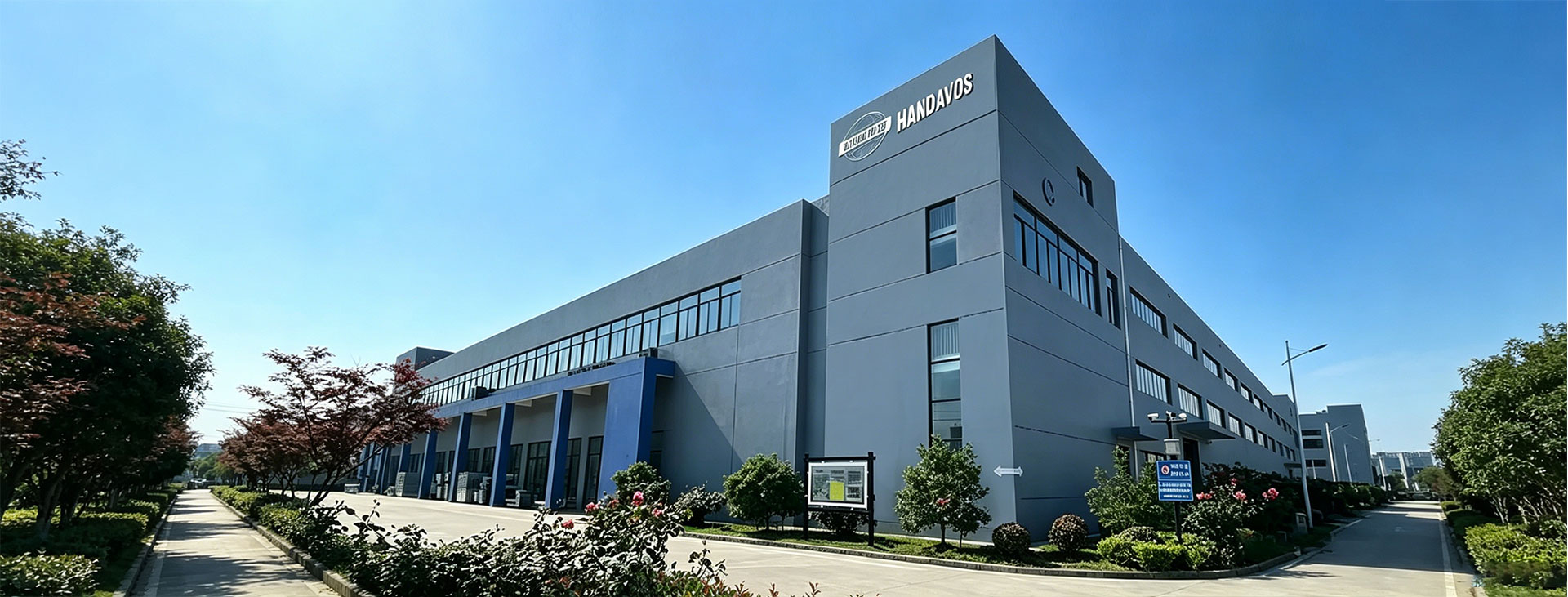
As a core branch of Kunshan Hanzhi, Shanghai HanDavos International Trading Co., Ltd. brings over 20 years of profound industry expertise to the table. Our experience in the material handling sector has shown us that equipment performance is inseparable from power infrastructure. Having managed thousands of forklifts and spare parts, we understand that a charger is a long-term investment. By ensuring your power systems are matched perfectly to your fleet, you protect the mechanical integrity of your electric forklifts, significantly reducing the total cost of ownership and preventing premature battery failure.
Key Technical Specifications to Evaluate
When selecting a forklift charger, technical precision is non-negotiable. An incorrectly matched charger can lead to permanent battery damage or, in extreme cases, localized fire hazards. To navigate these technical requirements, consider the following parameters essential for industrial applications:
| Specification | Significance | Common Industrial Standards |
| Voltage (V) | Must match the battery pack exactly. | 24V, 36V, 48V, 80V |
| Output Current (A) | Determines the speed of charge. | Calculated by battery capacity (e.g., 10-15% of Ah) |
| Charger Type | Dictates efficiency and grid impact. | Conventional, Opportunity, High-Frequency |
| Phase Requirement | Relates to industrial power availability. | Single-Phase (lower power) vs. Three-Phase (higher power) |
At Shanghai HanDavos International Trading Co., Ltd., we emphasize that your power infrastructure should evolve with your equipment. Whether you are utilizing a fleet of Toyota, Linde, or Heli forklifts, our technical team works to ensure the chosen forklift charger matches the specific discharge profiles of your machines. We prioritize units that feature auto-sensing capabilities, allowing for a broader range of compatibility, which is particularly beneficial when managing a diverse fleet of new and pre-owned equipment.
The distinction between charging technologies is equally vital. High-frequency chargers have become the standard for modern warehouses due to their high power factor and efficiency, often exceeding 90%. Unlike older ferroresonant models that are heavy, bulky, and consume more energy, high-frequency units are compact and generate less heat, which preserves the life of the charger components themselves. When you consult with our team, we analyze your warehouse electrical layout—specifically your available industrial power supply—to recommend a configuration that avoids unnecessary electrical upgrades while ensuring rapid turnaround times for your equipment.
Matching the Right Charger to Battery Chemistry
The longevity of your battery fleet is directly dictated by how well your forklift charger communicates with the battery’s internal chemistry. Modern electric material handling equipment is expensive, and charging it with a generic, incompatible unit is the most common cause of premature battery degradation.
There are fundamental differences in charging profiles required for various battery types. Lead-acid batteries, whether flooded or sealed (AGM/Gel), require a multi-stage charging process—bulk, absorption, and float—to ensure full capacity while preventing excessive heat buildup and electrolyte loss. Lithium-ion batteries, conversely, demand a more controlled, consistent voltage profile and rely heavily on the Battery Management System (BMS) for protection.
At Shanghai HanDavos International Trading Co., Ltd., our two decades of experience in the forklift industry have taught us that a one-size-fits-all approach is risky. We have seen countless operations suffer from shortened runtimes simply because the charger was not properly configured to the specific "end-of-charge" requirements of the battery. Below is a comparison of typical charging characteristics for standard industrial battery types:
| Battery Chemistry | Charging Requirement | Key Protective Concern |
| Lead-Acid (Flooded) | High current initially, tapering down with temperature monitoring. | Preventing electrolyte boiling and sulfation. |
| AGM / Gel (VRLA) | Lower voltage limits to prevent internal gas pressure buildup. | Avoiding drying out of the electrolyte. |
| Lithium-Ion | Precise CC/CV (Constant Current / Constant Voltage) curve. | Preventing overcharging and cell balancing issues. |
Selecting a forklift charger with advanced smart algorithms is essential. These smart units perform automated diagnostics to detect the state of the battery before initiating a charge. If you are uncertain about which charging curve matches your current battery stock, the technical engineers at Shanghai HanDavos International Trading Co., Ltd. can assist in evaluating your hardware.
We pride ourselves on providing more than just equipment; our team offers technical guidance to ensure your chargers are programmed to respect the specific "gassing" voltage of your lead-acid cells or the depth-of-discharge (DoD) limits of your lithium units. By providing technical support that spans from the charger itself to the battery and the forklift, we help prevent the common pitfalls of mismatched power delivery, ensuring that your equipment remains operational during critical work hours and avoids the high costs associated with early battery replacement.
Critical Safety and Compliance Standards for Global Importers
Operating heavy-duty warehouse equipment requires a strict adherence to electrical and workplace safety protocols. A forklift charger deals with substantial electrical loads—often converting three-phase industrial current into high-amperage direct current. If safety mechanisms fail, the risks range from severe battery damage to electrical fires and operator injury. Therefore, evaluating the safety architecture of your charging equipment is just the most important step in safeguarding your facility.
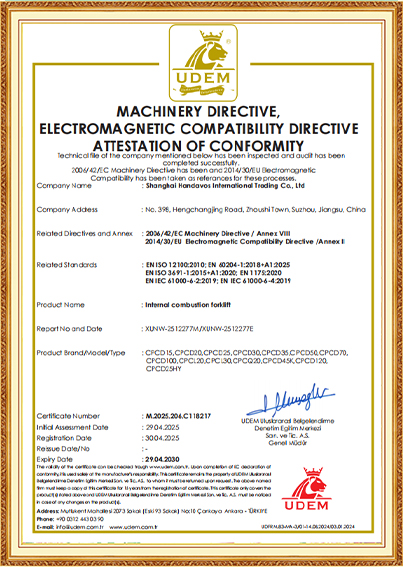
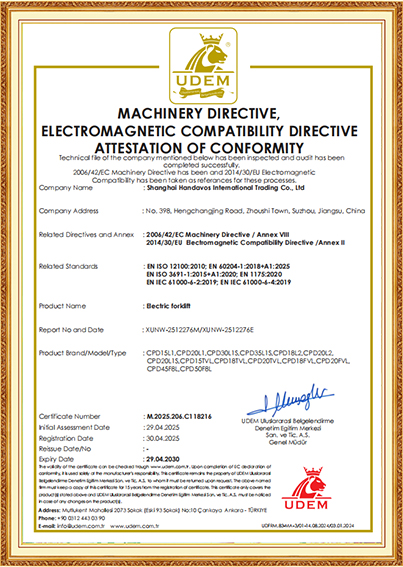
When importing or installing charging hardware, verifying international certifications is mandatory. These credentials ensure that the equipment has undergone rigorous third-party testing for electrical insulation, thermal management, and electromagnetic compatibility.
Below is an overview of the essential safety standards and integrated features required for reliable industrial operations:
| Safety Standard / Feature | Function and Operational Importance |
| CE Certification | Confirms compliance with European health, safety, and environmental protection standards. |
| UL Certification | Validates rigorous product safety testing for electrical components and fire hazard prevention. |
| RoHS Compliance | Restricts hazardous substances in electronic manufacturing, ensuring environmental safety. |
| Thermal Monitoring | Sensors within the forklift charger automatically adjust current or shut down if internal temperatures exceed safe thresholds. |
| Short-Circuit & Reverse Polarity Protection | Prevents catastrophic electrical arcs or equipment failure if cables are connected improperly. |
With more than 20 years of experience in the material handling sector, Shanghai HanDavos International Trading Co., Ltd. understands that our clients operate in diverse regulatory environments across the globe. Our extensive operations in Kunshan City allow us to source and supply chargers that meet stringent international benchmarks.
When you acquire equipment through our comprehensive network, you are not just getting a power source; you are gaining access to robust engineering backed by rigorous quality checks. Our technical specialists ensure that every forklift charger we provide is equipped with failsafes such as auto-shutoff mechanisms upon full charge completion and over-voltage protection. By prioritizing units built with these rigorous safety specifications, you protect your warehouse personnel, secure your daily material handling investments, and ensure seamless compliance with local industrial regulations.
Evaluating Manufacturer Capabilities and Custom Engineering Options
Sourcing a reliable forklift charger directly from a dedicated production facility offers distinct advantages over dealing with third-party resellers. When you work straight with the source, you gain direct access to custom engineering options, consistent quality control, and pricing margins that help keep your operational budgets under control. Industrial material handling fleets vary wildly in their power setups, and standard, off-the-shelf charging units rarely fit every specialized warehouse requirement.
To ensure long-term reliability, evaluating the manufacturing partner’s operational capabilities is essential before making a bulk commitment. A qualified factory should demonstrate robust production capacity, advanced testing infrastructure, and transparent quality assurance protocols.
Below is an overview of the key factory audit criteria to examine when selecting a manufacturing partner:
| Evaluation Criteria | Benchmark for Reliability | What It Means for Your Operation |
| Production Output Capacity | Consistent volume with scalable output. | Ensures reliable lead times and steady supply during peak expansion periods. |
| QA/QC Testing Protocols | Multi-stage inspection from component level to final assembly. | Drastically reduces out-of-box failure rates and warranty claims. |
| Burn-in Testing Procedures | 100% full-load testing under elevated temperatures. | Verifies thermal stability and component durability before the unit leaves the factory floor. |
| Customization Flexibility | Ability to modify enclosure ratings, cables, and charging profiles. | Ensures the forklift charger matches unique fleet voltages and warehouse environmental conditions. |
As a core branch of Kunshan Hanzhi, Shanghai HanDavos International Trading Co., Ltd. leverages over two decades of deep industry insight to bridge the gap between world-class manufacturing and global demand. Strategically headquartered in Kunshan City with access to over 20,000 square meters of modern standardized warehousing, we maintain the operational strength required to support complex logistics and rapid order fulfillment.
Beyond our massive inventory of material handling equipment and spare parts, we work closely with manufacturing partners to ensure that every forklift charger undergoes strict quality screening. Our team of experienced technical engineers and after-sales specialists are always on hand to review your specific electrical layouts, offering tailored pre-sales consultation and custom solutions. By combining localized manufacturing oversight with comprehensive export expertise, we help global clients secure reliable power systems that protect their long-term equipment investments.
Logistics, Protective Packaging, and Bulk Transport Considerations
Securing high-quality power electronics is only half the battle; ensuring that your forklift charger arrives at your facility undamaged requires rigorous logistics management and specialized export packaging. Industrial chargers contain heavy transformers, sensitive circuit boards, and robust metal casings that can suffer from transit shocks or moisture exposure during long ocean voyages or multi-modal freight transits.
When managing bulk imports or large-scale warehouse upgrades, evaluating the supplier's packaging standards and shipping efficiency is critical. Standard commercial packaging is rarely sufficient for heavy industrial electronics.
Below is an overview of essential transport and packaging parameters designed to protect your equipment investment:
| Logistics & Packaging Factor | Standard Industrial Specification | Protection Benefit |
| External Packaging | Heavy-duty export-grade corrugated cardboard reinforced with wooden crates. | Prevents structural crushing during high-stack container shipping. |
| Internal Cushioning | High-density molded EPE foam or custom shock-absorbing inserts. | Isolates sensitive internal components from high-frequency drop and vibration shocks. |
| Moisture Mitigation | Sealed anti-static barrier bags combined with industrial silica gel packets. | Prevents condensation and circuit board corrosion during high-humidity ocean transit. |
| Palletization | Fumigated wooden pallets with secure steel banding and stretch wrapping. | Facilitates safe forklift handling and prevents shifting inside cargo containers. |
Strategically located in Kunshan City with superior transportation accessibility, Shanghai HanDavos International Trading Co., Ltd. leverages its extensive logistics network to streamline international delivery. Our 20,000 square meters of modern standardized warehousing allow us to stage, inspect, and consolidate bulk shipments efficiently, ensuring that your orders are packed to withstand the rigors of global freight.
With over 20 years of experience in the material handling industry, our operations team understands how critical lead times and cargo integrity are to your project schedules. Whether you are coordinating a one-stop procurement of forklifts, spare parts, and attachments or managing a scheduled rollout of multiple forklift charger units, we optimize container loading configurations to maximize space and minimize freight costs. Our comprehensive service ensures that your power solutions arrive on schedule, fully intact, and ready for immediate deployment in your facility.
Frequently Asked Questions (FAQ) & Technical Insights
When upgrading or maintaining warehouse power infrastructure, operations managers frequently encounter specific technical hurdles. Below are answers to some of the most common questions regarding the selection, deployment, and maintenance of a forklift charger:
What is the typical operating lifespan of a high-frequency industrial forklift charger?
A well-maintained high-frequency forklift charger generally operates reliably for 7 to 10 years, depending on the operational environment, duty cycles, and adherence to routine maintenance. Regular cleaning of dust accumulation and inspecting cooling fans significantly extends this lifespan.
Can a multi-voltage forklift charger safely charge different battery types within a mixed material handling fleet?
While some advanced programmable units can adjust output voltages to fit different equipment, using a dedicated charger for each specific battery chemistry and voltage is strongly recommended to prevent configuration errors. For operations managing mixed fleets requiring everything from standard lead-acid units to specialized machinery, Shanghai HanDavos International Trading Co., Ltd. offers expert pre-sales consultation to help you map out the exact power configurations needed for your specific equipment lineup.
How do high-frequency chargers improve energy efficiency and reduce utility costs compared to traditional ferroresonant models?
High-frequency models operate at power efficiencies typically exceeding 90%, whereas older ferroresonant transformers often hover around 75-80% efficiency. Below is a direct comparison of their operational characteristics:
| Performance Metric | High-Frequency Charger | Traditional Ferroresonant Charger |
| Energy Efficiency | 90% to 93% (Lower power loss) | 75% to 80% (Higher thermal loss) |
| Weight & Footprint | Compact and lightweight | Heavy, bulky, and space-consuming |
| Power Factor | Near unity (0.95+), reducing grid strain | Lower power factor, drawing more reactive power |
| Charging Profile | Microprocessor-controlled multi-stage curves | Fixed magnetic regulation curves |
What are the standard warranty terms, spare parts availability, and after-sales technical support provisions when purchasing direct from the factory?
Standard warranties on industrial charging hardware typically cover major electronic components for 1 to 2 years. Backed by over 20 years of industry experience, Shanghai HanDavos International Trading Co., Ltd. ensures that replacement parts are readily stocked across our 20,000-square-meter warehousing facilities in Kunshan City. Our professional technical and after-sales teams provide ongoing remote guidance and troubleshooting support, ensuring that any maintenance issues are resolved quickly to keep your warehouse moving without prolonged downtime.
