


 English
 中文简体
中文简体 русский
 Español
 عربى
عربى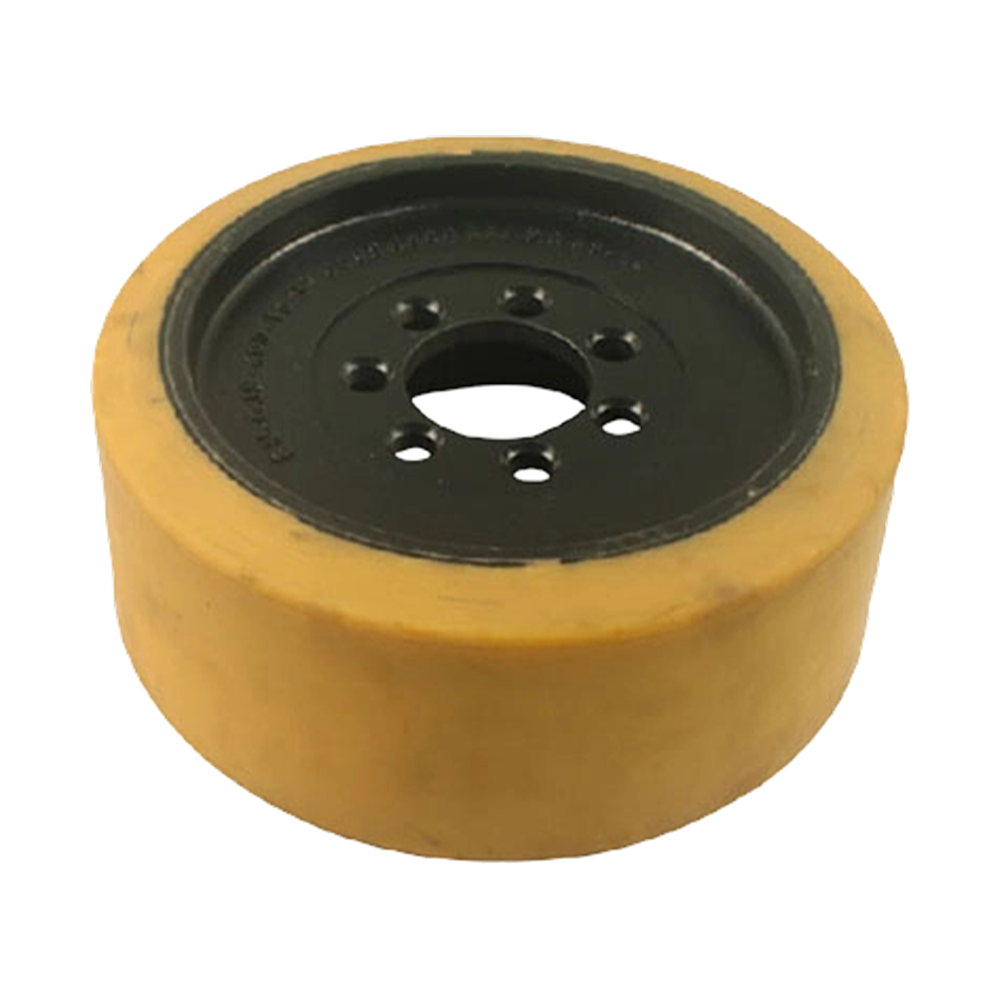
Optimizing Warehouse Efficiency with Advanced Forklift Wheels
The operational efficiency of modern industrial facilities relies heavily on the performance of material handling equipment, where every component dictates overall productivity and safety. Among these, the choice of a high-performance Forklift Wheel directly influences load stability, floor protection, and the total cost of ownership (TCO). Operations requiring continuous, heavy-duty material movement demand robust components engineered to withstand extreme dynamic pressures.
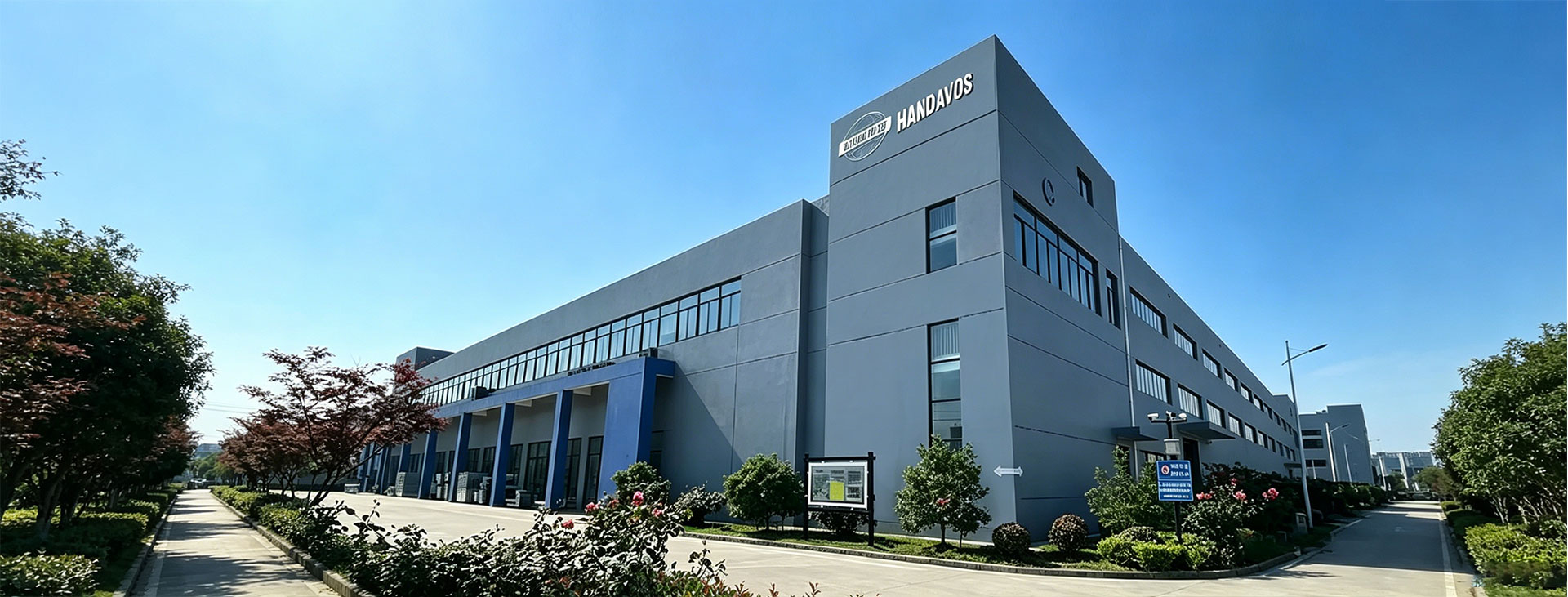
Drawing upon over 20 years of profound expertise in the material handling equipment industry, Shanghai HanDavos International Trading Co., Ltd. integrates extensive industry knowledge into the supply of top-tier replacement components. Operating from headquarters in Kunshan City with over 20,000 square meters of modern standardized warehouses, the company maintains a massive inventory of complete spare parts, ensuring rapid fulfillment for diverse material handling requirements.
Comprehensive Technical Parameter Comparison of Forklift Wheel Compounds
To select the optimal Forklift Wheel for specific industrial environments, engineering teams must evaluate key material properties. The table below outlines the technical specifications and comparative performance metrics of standard wheel elastomers:
| Performance Metric | Polyurethane (PU) | Vulkollan | Standard Solid Rubber | Pneumatic Rubber |
| Load Capacity | Very High | Exceptional | Moderate | Moderate |
| Shore Hardness | 92A – 95A | 93A – 95A (Customizable) | 70A – 85A | 60A – 75A |
| Rolling Resistance | Low (Energy Efficient) | Extremely Low | High | Moderate to High |
| Floor Protection | Excellent (Non-Marking) | Excellent (Non-Marking) | Moderate (Risk of scuffing) | Fair (Outdoor use recommended) |
| Tear & Cut Resistance | High | Superior | Moderate | High |
| Operating Temperature | -30C to +80C | -40C to +120C | -25C to +70C | -20C to +60C |
| Ideal Environment | Clean indoor concrete, smooth floors | High-speed, high-load intensive multi-shift warehouses | Rough terrain, yards, manufacturing floors | Outdoor uneven terrain, construction sites |
1. Anatomy of a Heavy-Duty Forklift Wheel: Core Components & Engineering
Hub and Core Materials
The structural foundation of any heavy-duty Forklift Wheel begins with its core. High-grade forged steel, ductile iron, and precision-machined aluminum are utilized to fabricate hubs capable of withstanding extreme radial and axial forces. These core materials are engineered to maintain structural integrity under continuous dynamic loads, sudden directional shifts, and severe impact conditions commonly encountered in demanding industrial settings.
Tread Compounds & Elastomers
Polyurethane (PU): Renowned for its high load-bearing capacity, exceptionally low rolling resistance, and superior cut and tear resistance. Polyurethane options protect warehouse floors while delivering an extended operational lifespan.
Vulkollan: A premium, high-performance cross-linked polyurethane elastomer designed for extreme duty cycles, high-speed travel, and heavy load capacities. It exhibits minimal heat buildup under continuous multi-shift operations.
Rubber (Solid, Cushion, and Pneumatic): Provides maximum shock absorption and traction on uneven outdoor surfaces, protecting both the vehicle's drive train and the operator from excessive vibration.
Advanced Bonding Technology
Premature tread separation remains a primary cause of premature failure in industrial rolling components. To eliminate this risk, manufacturing processes incorporate advanced chemical priming and mechanical interlocking systems. This fusion between the metal core and the elastomer ensures that the Forklift Wheel withstands high-torque acceleration, heavy braking, and sharp cornering without delamination.
2. Classification of Forklift Wheels by Industrial Application
Load Wheels and Drive Wheels
Specialized engineering is required for pallet jacks, reach trucks, and narrow-aisle electric forklifts. Drive wheels require high traction coefficients to transfer motor torque effectively, while load wheels must bear concentrated weights within confined spaces without developing flat spots during stationary periods.
Caster Wheels and Stabilizer Wheels
Multi-directional material handling equipment relies on precision-engineered stabilizer and caster assemblies. These components ensure optimal load distribution, vehicle balance, and smooth maneuverability when executing tight turns in high-density storage facilities.
Indoor vs. Outdoor Operating Environments
Facility managers must match wheel characteristics to operating conditions. Non-marking polyurethane configurations prevent unsightly black streaks on polished concrete, making them ideal for cleanrooms, electronics manufacturing, and food processing plants. Conversely, heavy-duty rubber and resilient solid setups provide the necessary grip and impact dampening required for rough terrain yards and heavy manufacturing floors.
3. Technical Specifications Checklist for Industrial Engineers
Selecting the correct Forklift Wheel requires a rigorous evaluation of mechanical parameters to ensure seamless compatibility with existing material handling fleets. Industrial engineers and maintenance supervisors must systematically assess several core metrics before finalizing equipment selections.
Load Capacity Ratings (Dynamic vs. Static)
Evaluating weight limits is critical for structural safety and component longevity. Static load ratings measure the maximum weight a stationary wheel can support, whereas dynamic load ratings account for continuous movement, centrifugal forces during turns, and variable weight distributions. Ensuring the Forklift Wheel exceeds the maximum operational weight threshold prevents premature deformation and bearing failure.
Dimensional Tolerances
Precise dimensional accuracy is mandatory for proper equipment fitting. Key measurements include:
Outer Diameter (OD): Direct impact on ground clearance and lift height calibration.
Inner Bore Diameter: Requires micrometer precision to fit axle shafts and bearing assemblies securely.
Tread Width and Hub Length: Ensures correct alignment within the fork carriage or caster housing without lateral binding.
Hardness and Durometer Ratings
Elastomer hardness dictates how a Forklift Wheel interacts with floor surfaces and load weights. The industry relies on standardized durometer scales to measure resistance to indentation:
Shore A Scale: Utilized for softer rubber and polyurethane compounds (typically ranging from 75A to 95A), offering greater surface traction and impact absorption.
Shore D Scale: Applied to rigid, high-density engineering plastics and ultra-hard polyurethane blends, providing maximum load support and minimal rolling resistance.
Thermal Performance and Heat Dissipation
In high-speed, multi-shift warehouse operations, continuous rolling generates internal friction and heat. Excessive thermal buildup can degrade elastomers, leading to softening and separation. Premium compounds engineered with high thermal stability prevent heat-induced degradation, maintaining structural rigidity under intense operational cycles.
To streamline technical evaluation and equipment maintenance, Shanghai HanDavos International Trading Co., Ltd. leverages its two decades of industry expertise to provide comprehensive guidance on parameter matching. Supported by over 20,000 square meters of modern standardized warehousing in Kunshan City, the organization maintains a massive inventory of replacement components and complete spare parts, ensuring that technical engineers can source precision-matched options for popular vehicle platforms including BYD, TOYOTA, HELI, HANGCHA, JAC, and LINDE without operational delays.
4. Manufacturing Excellence: How We Engineer Superior Forklift Wheels
The production of industrial rolling stock demands strict adherence to metallurgical and chemical standards. Achieving maximum wear resistance and structural integrity begins at the microscopic level.
Raw Material Inspection and Quality Control
Production integrity relies on rigorous laboratory testing of raw components. Polyurethane prepolymers, curing agents, and steel core alloys undergo strict chemical composition analysis and tensile strength testing before entering the production line. This initial screening eliminates structural flaws that could compromise performance under heavy industrial loads.
Advanced Production Processes
Fabrication involves specialized manufacturing techniques designed to eliminate internal voids and ensure uniform density:
Precision CNC Machining: Steel and aluminum cores are turned to exact dimensional tolerances to guarantee a flawless mechanical bond with the outer elastomer.
Automated Centrifugal Casting: Molten polyurethane is poured into heated molds spun at precise RPMs, utilizing centrifugal force to drive out trapped air bubbles and create a homogenous, high-density tread.
Controlled Thermal Curing: Molds are transferred to specialized curing ovens where precise temperature profiles govern the chemical cross-linking process, locking in optimal hardness and tensile strength.
Durability and Load-Testing Protocols
Before distribution, finished production batches undergo simulated wear testing, dynamic load testing, and adhesion strength verification. These evaluations measure resistance to chunking, tearing, and bond separation under extreme operating conditions, ensuring compliance with international industrial manufacturing standards.
5. Customization and OEM/ODM Solutions for Industrial Clients
Standard off-the-shelf components occasionally fall short when navigating unique material handling challenges, specialized flooring conditions, or proprietary vehicle designs. Industrial operators frequently require bespoke engineering solutions tailored to specific operational demands.
Tailored Engineering Dimensions
Modifying standard dimensions ensures a precise fit for non-standard equipment or custom-built machinery. Engineering teams can specify custom outer diameters, specialized bore sizes, keyway configurations, and non-standard hub widths. These customized adjustments eliminate mechanical play and prevent premature wear on axle assemblies.
Compound Customization for Extreme Environments
Operating environments dictate chemical and thermal requirements. Custom elastomer formulations can be engineered to resist specific operational hazards:
Chemical and Solvent Resistance: Specialized polyurethane blends formulated to withstand prolonged exposure to oils, hydraulic fluids, harsh cleaning acids, and industrial solvents without swelling or degrading.
Extreme Temperature Resilience: Formulations designed to maintain elasticity and structural integrity in sub-zero cold storage facilities or high-heat industrial foundries.
Anti-Static and Conductive Properties: Specialized compounds engineered to safely dissipate electrostatic discharge, protecting sensitive electronics and preventing spark generation in explosive or flammable environments.
Private Labeling and Custom Packaging
To support fleet standardization and inventory management, customized identification protocols are available. Hubs can be laser-etched with proprietary part numbers, company logos, or tracking codes. Furthermore, export-grade palletized packaging options ensure components arrive ready for immediate deployment across global facilities.
Maintaining a robust inventory of new and used material handling equipment alongside a vast selection of attachments, Shanghai HanDavos International Trading Co., Ltd. utilizes its extensive industry footprint to coordinate comprehensive customization requests. Backed by a professional technical team based in Kunshan City, the organization assists industrial clients in translating precise engineering requirements into tailored production runs, ensuring seamless integration across diverse machinery fleets.
6. Sourcing, Logistics, and Quality Assurance for Global Partners
Streamlining the procurement lifecycle of heavy-duty replacement components requires a reliable supply chain capable of consistent delivery, stringent quality checks, and efficient international logistics.
Factory-Direct Supply Chain Benefits
Sourcing directly from manufacturing operations eliminates multi-tier distribution markups, securing competitive tier-pricing while ensuring batch-to-batch consistency. Direct communication channels between plant engineers and facility operators allow for rapid technical adjustments and transparent project updates.
Minimum Order Quantities (MOQ) and Production Lead Times
Operational continuity depends on predictable fulfillment schedules. Flexible manufacturing frameworks accommodate both container-load bulk shipments for large fleet operators and scheduled blanket orders for phased inventory replenishment, minimizing warehouse downtime.
Export Compliance and Packaging Protocols
International shipping demands rigorous protective measures to withstand extended ocean freight transit. Components are secured using ISPM 15 heat-treated wooden crates, treated with advanced rust-preventative coatings, and accompanied by complete mill test certificates (MTC) to guarantee regulatory compliance at destination ports.
Leveraging over 20 years of specialized experience in the material handling sector, Shanghai HanDavos International Trading Co., Ltd. operates modern standardized warehousing exceeding 20,000 square meters to maintain massive readily available stock. Supported by a full-service team covering technology, marketing, and after-sales support, the enterprise ensures rapid order fulfillment and comprehensive technical guidance, delivering cost-effective solutions and reliable one-stop service for industrial partners worldwide.
Frequently Asked Questions (FAQ) & Technical Insights
What are the primary indicators that a Forklift Wheel needs immediate replacement?
Recognizing early signs of component wear prevents unexpected equipment downtime and protects warehouse flooring. Key indicators include:
Visible Chunking and Tearing: Loss of elastomer material exposing the metal core.
Tread Separation (Delamination): Separation between the polyurethane layer and the steel hub, often caused by high thermal stress or heavy braking.
Excessive Flat Spotting: Permanent deformation resulting from prolonged stationary heavy loads.
Wear to Safety Grooves: Reduction in outer diameter reaching the manufacturer's wear limit line.
Increased Vibration: Noticeable increases in vehicle vibration or rolling resistance during operation.
How do I choose between polyurethane and rubber forklift wheels for my facility?
Selecting the correct elastomer depends entirely on the operating environment and floor conditions:
Polyurethane Wheels: Best suited for smooth indoor concrete floors. They provide higher load capacities, lower rolling resistance, longer operational lifespans, and non-marking floor protection.
Rubber Wheels: Best suited for outdoor yards, rough terrain, or wet environments. They offer superior shock absorption and traction where floor smoothness is secondary to vehicle stability.
Can custom Forklift Wheels be manufactured based on our proprietary engineering drawings?
Yes. Customization is essential for non-standard material handling fleets. Operations can submit technical drawings, CAD files, or physical sample parts for custom fabrication.
Navigating custom replacement parts or complete vehicle fleet requirements is streamlined through industry specialists. Headquartered in Kunshan City with over 20,000 square meters of modern standardized warehouses, Shanghai HanDavos International Trading Co., Ltd. leverages over 20 years of material handling expertise to support comprehensive equipment procurement. Backed by experienced technical engineers, the team provides timely pre-sales consultation and tailored engineering guidance, ensuring seamless compatibility across diverse machinery configurations.
What is the typical lifespan of a high-performance industrial Forklift Wheel, and how can it be maximized?
Lifespan varies based on shift intensity, load weight, floor cleanliness, and driving habits. Operational life can be maximized by:
Maintaining clean warehouse floors free of metal chips and abrasive debris.
Avoiding sharp, high-speed turns while carrying maximum rated loads.
Ensuring tire pressures (for pneumatic variants) or load ratings remain within specified limits.
Preventing chemical pooling on floors where wheels remain stationary for extended periods.
What quality certifications and material test reports are provided with bulk orders of a Forklift Wheel?
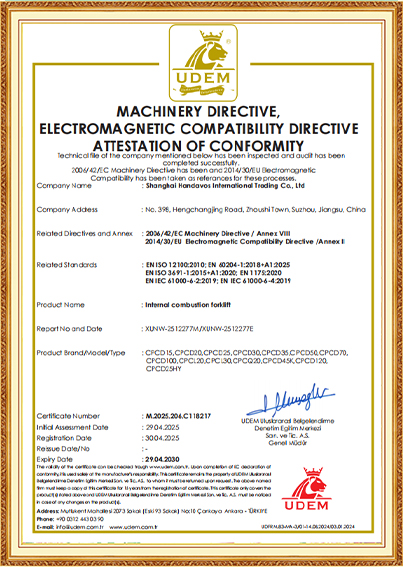
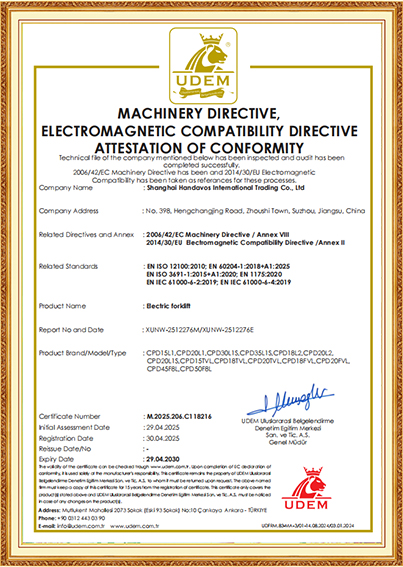
To guarantee regulatory compliance and operational safety, rigorous inspection protocols govern every production batch. Shipments include complete material test reports, dimensional inspection logs, hardness verification data, and ISO-compliant quality documentation.
To ensure rapid order fulfillment and reliable equipment maintenance, Shanghai HanDavos International Trading Co., Ltd. maintains a massive inventory of brand-new and used material handling equipment, complete spare parts, and diverse attachments. Supported by a professional full-service team covering technology and after-sales support, the enterprise delivers cost-effective solutions and reliable one-stop service for industrial partners worldwide.
