2026-09-15
Content
A warehouse manager in a busy food distribution center asked us a question that comes up repeatedly in equipment planning: how long should an electric forklift really last before it becomes a money pit? His eight-year-old counterbalanced unit was losing travel speed on a slope, the battery was running out before the end of the shift, and the maintenance budget was growing faster than the operation.
The direct answer is that a well-maintained electric forklift typically lasts 10 to 15 years, or 15,000 to 20,000 operating hours, under normal single-shift indoor conditions. But this range is only a starting point. The real lifetime depends on battery chemistry, charging discipline, working environment, operator behavior, maintenance intervals, and the actual duty cycle of the truck.
This guide explains what those numbers mean, how to read an hour meter correctly, why a 10,000-hour used electric forklift may be a better buy than a 6,000-hour truck with a worn battery, and how to decide between repair and replacement with real economic logic.
Industry benchmarks often quote 10,000 hours as the average useful life of a forklift. That figure was originally developed around internal combustion models and is conservative for electric equipment. An electric drive system has fewer moving parts, generates less vibration, and does not suffer from engine wear. In our experience managing new and used electric forklift supply, the practical average for a counterbalanced electric unit is closer to 15,000 to 20,000 hours when the truck receives regular service and the battery is replaced at least once during its life.
There are two separate lifespan questions on an electric forklift: the life of the chassis and drive system, and the life of the battery. Many warehouses retire a forklift not because the truck is mechanically broken, but because the battery no longer supports a full shift and the replacement cost changes the economics. A truck with a new battery can outlive another unit with half the hours but a neglected pack.
| Equipment type | Typical service life | Calendar life, single shift | Main wear component |
|---|---|---|---|
| Electric counterbalance truck | 15,000 to 20,000 hours | 10 to 15 years | Battery, motor contactors |
| Electric pallet truck | 10,000 to 15,000 hours | 8 to 12 years | Drive wheel, battery |
| Electric stacker | 10,000 to 15,000 hours | 8 to 12 years | Lift cylinder, battery |
| Electric reach truck | 12,000 to 18,000 hours | 10 to 14 years | Mast rollers, battery |
| Electric order picker | 12,000 to 16,000 hours | 9 to 13 years | Platform lift, battery |
Do not confuse average with guarantee. A fleet operating under high utilization in a dusty workshop may retire a truck at 12,000 hours, while a similar model in a clean, well-managed facility can pass 25,000 hours. The hour reading is the starting point, not the final verdict.
An electric forklift does not have an engine hour meter in the traditional sense. The digital or analog hour meter records the time the key switch is on and the controller is energized. That means the meter runs while the operator is moving pallets, but it also runs while the truck sits with the key on, the parking brake engaged, and the hydraulic pump idling.
The hour reading is an indicator of usage time, not workload intensity. Ten hours of heavy lifting in a high-density cold storage operation is very different from ten hours of occasional transport on a flat, clean floor. This is why hour comparisons only make sense between forklifts that have worked in similar conditions.
When buying or selling, you need practical benchmarks. Under 5,000 hours is low usage for an electric forklift, typical of a lightly loaded unit in a small facility. Between 8,000 and 12,000 hours is common for a five- to seven-year-old truck. Above 15,000 hours, the battery condition and maintenance history matter as much as, or more than, the hour meter. A well-documented electric forklift with 18,000 hours and a one-year-old lithium battery can still deliver excellent service.
Hour numbers are only one dimension of equipment life. The following seven factors have more influence on the real lifespan than the hour meter reading, and they explain why two identical electric forklifts can have completely different service histories.
Battery condition can shorten or extend an electric forklift's effective life by several years. A lead-acid pack working through 1,000 to 1,500 cycles converts to roughly five to seven years in single-shift service. A lithium-ion pack is rated for 2,000 to 3,000 cycles and normally reaches eight to ten years. When you evaluate a specific forklift, always separate the battery story from the chassis story. A recent battery with a verified cycle history is worth more than a low-hour truck with a sulfated pack.
Charging routines decide the practical lifespan of the battery. Leaving a lead-acid battery partially discharged overnight, topping up before every break, charging in a hot corner, or using a charger that is too small for the battery capacity can cut cycle life by 30 to 50 percent. Multi-shift operations should either use lithium-ion and opportunity charging or rotate two lead-acid packs. The charging area needs ventilation, stable power, and enough space for the charger to cool.
An electric forklift is more sensitive to its working environment than an internal combustion unit in some ways and less sensitive in others. Humidity and condensation attack electrical connectors, control cards, and motor brushes. Cold storage reduces lead-acid capacity and creates condensation on lift chains. Dust, wood chips, and chemical fumes accelerate wear on seals and wiring. Matching the machine specification to the actual conditions is a life extension strategy in itself.
An hour meter counts every hour equally, but the machine does not. A forklift that lifts rated loads continuously and travels long distances consumes its design margin faster than a unit handling light loads in a short cycle. Duty cycle is the ratio between lifting, travel, and idle time. Monitoring controller temperature and motor brush wear can reveal whether a truck is outpacing its intended duty rating, even when the hour meter still shows a moderate figure.
Operator technique is the cheapest method available to extend electric forklift life. Smooth acceleration, gradual mast tilting, controlled lowering, and careful negotiation of dock plates reduce stress on the drive motor, mast structure, steering components, and battery. Frequent impacts, dropped loads, and high-speed turning cause chassis welds to fatigue and wheels to wear unevenly. A short operator training session focused on care of the equipment often produces measurable gains.
An electric forklift needs service at regular intervals, not just when a fault appears. Brake inspection, hydraulic oil checks, electrical harness inspections, contactor cleaning, and cooling fan checks are typical items across the 500-hour, 1,000-hour, and 2,000-hour schedules. Keeping a written service record helps resale value and creates accountability for the technicians who maintain the truck. In our experience, a documented history is the strongest predictor of remaining life.
The tires are the only point of contact with the ground, and they carry the whole load. Solid rubber tires wear at different rates depending on floor quality, turning frequency, and whether the operator turns the wheel while stationary. Worn tires transmit shock loads into the steering axle and mast, which can cause leaks in hydraulic seals and cracks in the frame. Inspecting tire wear, checking wheel torque, and reconditioning wheels before they become a problem prolongs the entire truck.
The battery can account for up to one-third of the purchase price of an electric forklift, so its life often dictates whether the truck continues to make economic sense. Understanding the difference between lead-acid and lithium-ion behavior is essential for anyone asking what the average lifespan of an electric forklift really is.
A lead-acid battery used in a single-shift operation typically lasts 1,000 to 1,500 charge cycles, which translates to five to seven years if properly maintained. Each deep discharge shortens the lifespan, as does leaving the battery discharged for long periods. Watering, equalization charging, and terminal cleaning are mandatory. For operations that value uptime and a lower initial price, a 2.5-ton lead-acid electric forklift remains a proven entry-level choice with predictable running costs.
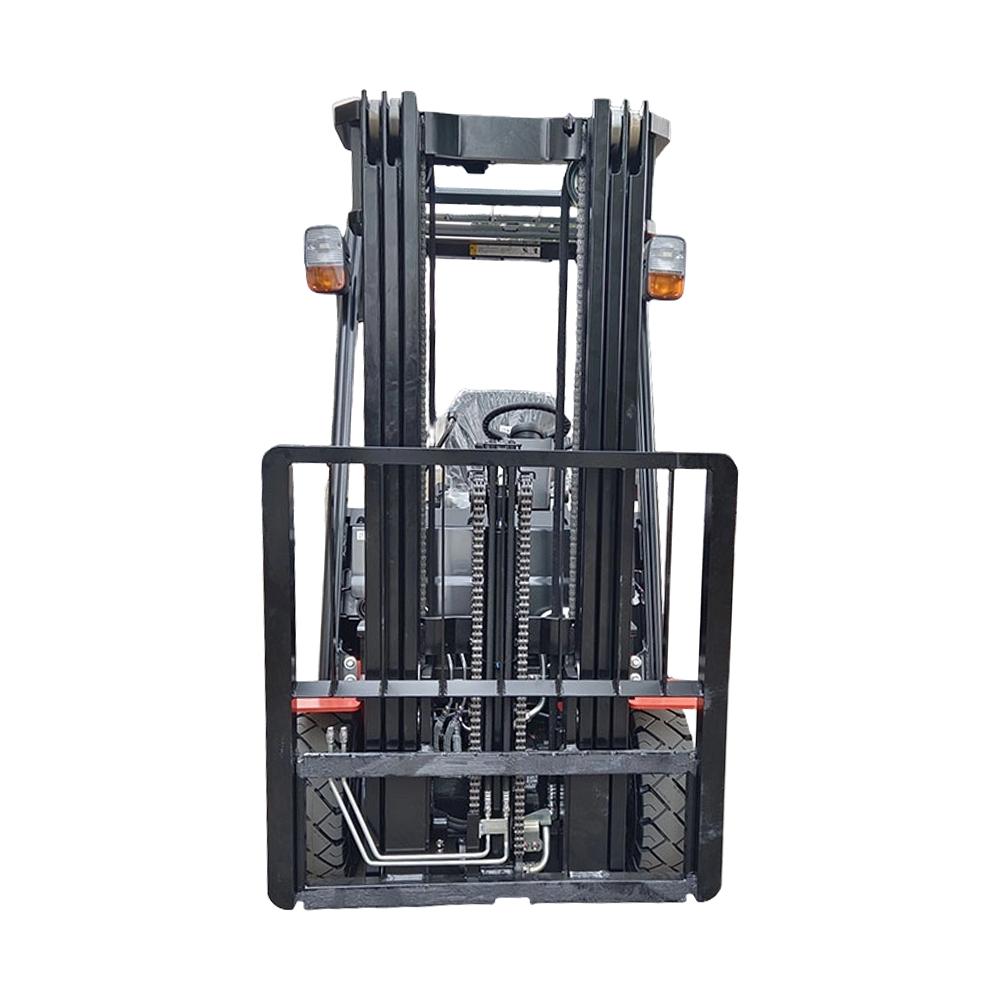 Custom 2.5 Ton Lead Acid Electric Forklift Suppliers, OEM/ODM Factory - ShanghaiShanghai HanDavos International Trading Co., Ltd. is China 2.5 Ton Lead Acid Electric Forklift Suppliers and OEM Factory, details: Produ...View Product →
Lithium-ion batteries charge faster, tolerate opportunity charging, and last 2,000 to 3,000 cycles, normally eight to ten years in a single-shift application. They require no watering and lose less capacity in cold storage conditions. The higher up-front cost can be offset by longer battery life, energy efficiency, and reduced maintenance hours. A modern 3-ton lithium-ion electric forklift gives multi-shift operations the runtime they need without battery changing stations.
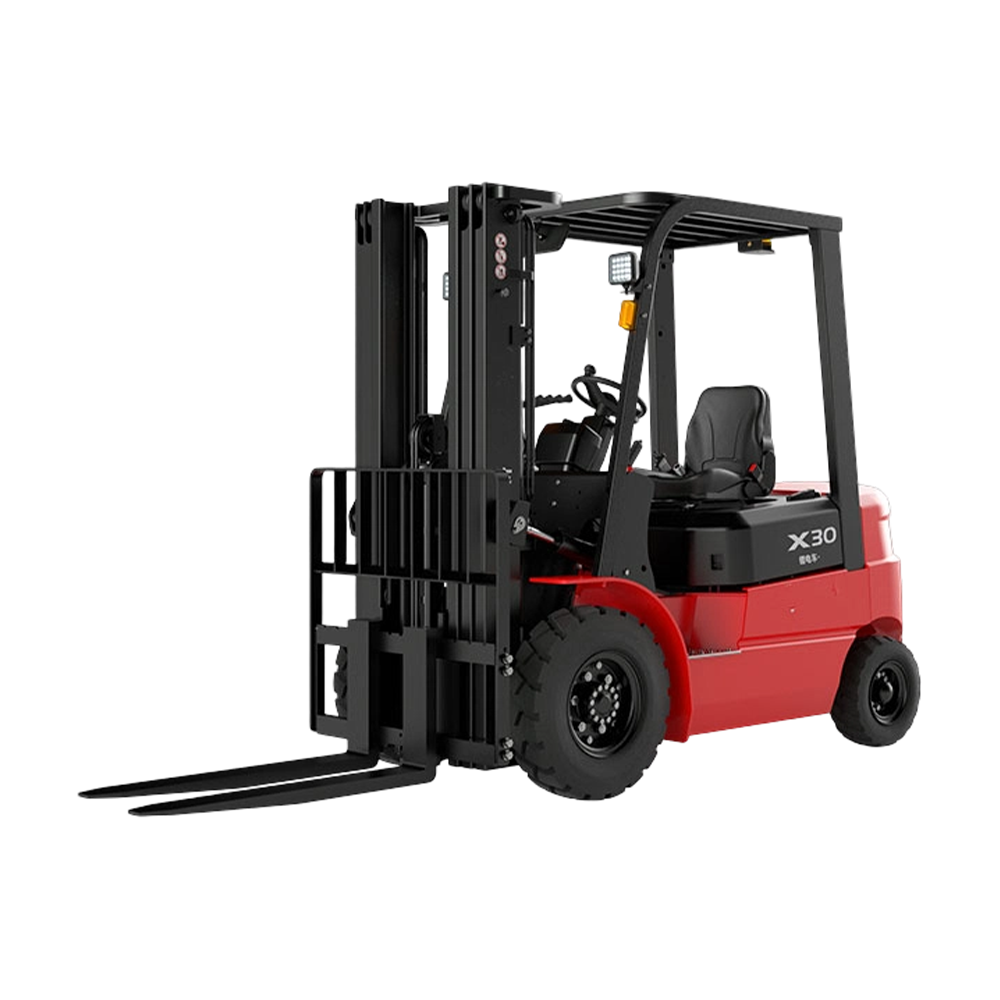 Custom Lithium battery 3.2 Ton 3 Ton Electric Forklift Suppliers, OEM/ODM FactorShanghai HanDavos International Trading Co., Ltd. is China Lithium battery 3.2 Ton 3 Ton Electric Forklift Suppliers and OEM Factory, det...View Product →
| Feature | Lead-acid battery | Lithium-ion battery |
|---|---|---|
| Cycle life | 1,000 to 1,500 cycles | 2,000 to 3,000 cycles |
| Calendar life, single shift | 5 to 7 years | 8 to 10 years |
| Charge time | 8 to 10 hours plus cooling | 1 to 3 hours with opportunity charging |
| Maintenance | Watering, equalization, terminal cleaning | Minimal, no watering required |
| Cold storage performance | Capacity drops at low temperature | More stable in cold conditions |
| Energy efficiency | 70 to 80 percent typical | 90 percent or higher |
| Replacement cost | Lower initial cost | Higher initial cost, longer life |
Battery chargers also affect lifespan. An automatic multi-stage charger matched to the battery capacity prevents overcharging and undercharging. Pairing the correct charger with the battery is as important as the battery itself, because a mismatched charger can turn a good pack into a premature failure.
Different electric forklift types are built for different duty levels. Pallet trucks and stackers run lighter duty cycles, while reach trucks and counterbalanced models face heavier loads and more complex masts. The operating-hour ceiling before a major overhaul depends on the structural strength of the machine and the intensity of its typical application.
These figures assume one shift, level indoor floors, and regular service. With two shifts, the calendar years reduce roughly by half, while the operating-hour ceiling stays similar. A warehouse that runs its equipment around the clock should plan battery replacement earlier and inspect motors and contactors at more frequent intervals.
The environment can shorten or extend service life beyond what the hour meter suggests. Cold storage is a clear example: freezing temperatures reduce lead-acid capacity, and the constant temperature change causes condensation inside the battery compartment and electrical cabinets. Electric forklifts designed for cold storage use sealed connectors, low-temperature battery packs, and rust-resistant mast materials.
High humidity and occasional outdoor operation introduce another set of risks. Rain can collect in the battery compartment, corrosion develops on connectors and contactor tips, and brake performance degrades. Operators should keep forklifts that are rated only for indoor use away from loading docks exposed to rain, especially in coastal regions where salt accelerates corrosion.
Dust and debris from woodworking, packaging, and construction sites can clog cooling fans and filter screens. When the controller overheats, the truck may reduce its travel speed or shut down as a protective measure. Regular cleaning of the undercarriage, fan area, and battery tray is a simple preventive measure that many facilities overlook.
For operations that combine cold storage, packaging, and outbound loading, the layout of charging areas and traffic lanes affects equipment stress. A structured approach to facilities planning, similar to what we apply in warehousing and logistics solution projects, reduces unnecessary wear at the fleet level.
Scheduled maintenance is what separates a 10,000-hour forklift from a 20,000-hour forklift. The difference is rarely the brand or the country of assembly; it is the consistency of care. An electric forklift is simple to maintain but easy to neglect because it does not announce problems the way an engine does. A slight drop in travel speed, an intermittent error code, or a battery that heats up during charging should be investigated early.
A documented service history increases resale value by 10 to 20 percent and helps buyers verify that the hour reading reflects a healthy machine. If you are selling used equipment, keeping a maintenance log is not just paperwork; it is a sales document that proves the average lifespan of your electric forklift has been managed responsibly.
Useful life is the physical capacity to keep operating. Economic life ends when the sum of operating and repair costs exceeds the annualized cost of a new or newer unit. Many companies keep running a forklift long after the economic life has passed because they focus on the repair invoice instead of the total cost picture.
Here is a simple example. Assume a 3-ton electric forklift costs $32,000, the battery costs $8,000, and maintenance averages $1,500 per year. At 1,500 operating hours per year over ten years, the equipment cost alone is about $2.13 per hour. Add maintenance, electricity, and operator downtime, and the real cost is closer to $4 to $5 per hour. If annual repair costs jump to $6,000 in year twelve, and the battery is approaching the end of its cycle life, continuing to repair the truck becomes difficult to justify in most operations.
Performance red flags that point toward replacement include reduced travel speed on flat ground, frequent controller or contactor failures, hydraulic leaks that return after repair, battery temperature rise during normal charging, and recurring error codes. If the next major repair would exceed 40 percent of the residual value, replacement is usually the rational choice. For a more detailed cost comparison, see our earlier article on whether electric forklifts are worth it for your warehouse.
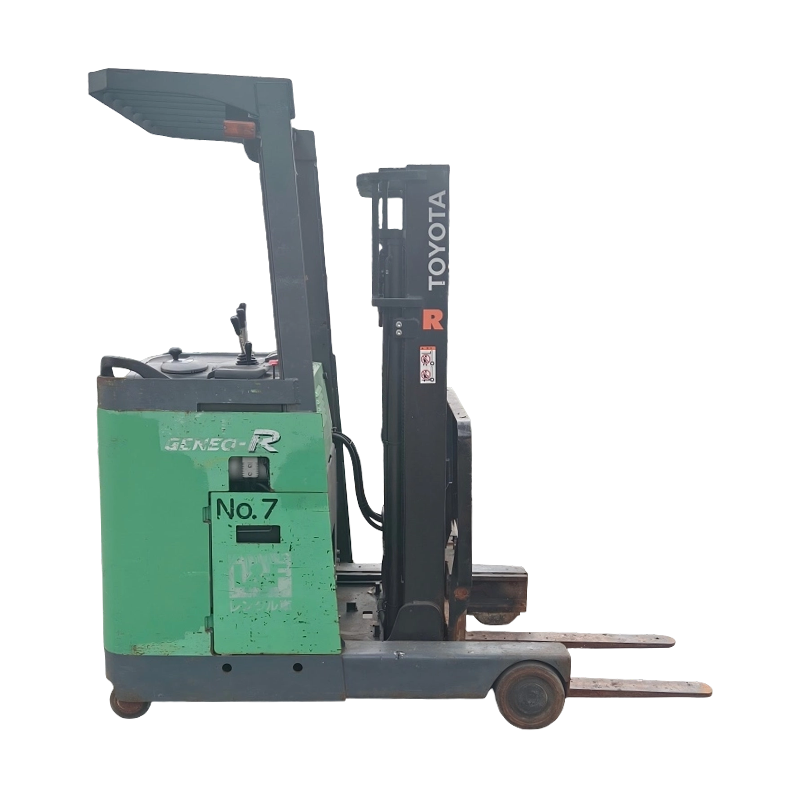
Used electric forklifts can be an excellent value, but hours need a different interpretation than on diesel or LPG trucks. Since the battery is the most expensive wearing component, a used electric forklift with moderate chassis hours and a poor battery can cost more in the first two years than a slightly older truck with a newer battery.
Use these hour ranges as a practical guide:
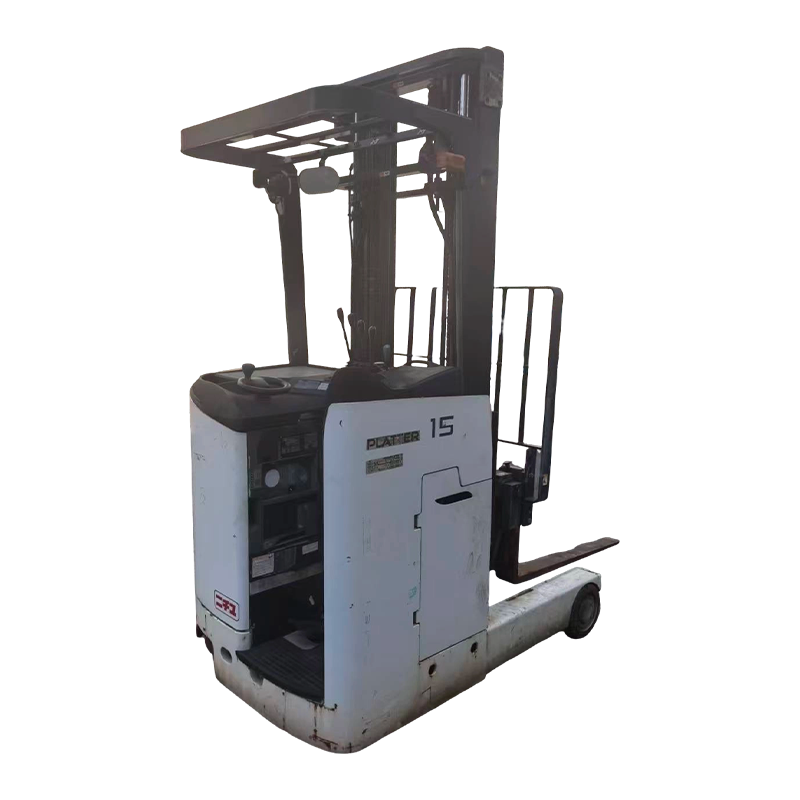
Battery age is the deal-maker or deal-breaker. Ask for charge and discharge records, the number of cycles the battery has completed, and the date of the last capacity test. A battery over six years old will probably need replacement within two years, adding 25 to 40 percent to the effective purchase cost. A 1.5-ton used electric reach truck with verified service records and a tested battery can be a practical entry point when replacing a worn pallet truck in a narrow-aisle operation.
 Custom Electric Forklift Truck 1.5 Ton Used NICHIYU reach truck Suppliers, OEM/OShanghai HanDavos International Trading Co., Ltd. is China Electric Forklift Truck 1.5 Ton Used NICHIYU reach truck Suppliers and OEM Fac...View Product →
A well-maintained counterbalanced electric forklift typically lasts 15,000 to 20,000 operating hours. Electric pallet trucks and stackers usually last 10,000 to 15,000 hours, while reach trucks often fall between 12,000 and 18,000 hours. Battery capacity and maintenance history matter more than the hour number alone.
A lead-acid battery lasts five to seven years, or 1,000 to 1,500 cycles, in single-shift service. A lithium-ion battery lasts eight to ten years, or 2,000 to 3,000 cycles, when charged correctly. Charging discipline and temperature control are the main variables that decide which end of the range you reach.
No. For an electric forklift, 10,000 hours is a normal mid-life reading if the battery is in good condition. The frame and drive system can usually handle much more. The bigger concern is a 10,000-hour truck with a seven-year-old lead-acid battery that was never equalized or tested.
A typical lead-acid replacement costs $3,000 to $8,000 depending on capacity and voltage. A lithium-ion replacement ranges from $6,000 to $15,000 installed. When the replacement cost reaches around 50 percent of the forklift's residual value, it is time to review the total economic life of the truck.
In most indoor applications, yes. The drivetrain has fewer moving parts, the operation is cleaner, energy costs are lower, and vibration is reduced. The exception is when a facility lacks proper charging infrastructure or battery maintenance culture, because battery failure can be just as disruptive as engine failure.
Replace the forklift when repair costs exceed 40 percent of residual value, when the battery cannot support a full shift, when recurring electrical faults reduce availability, or when the truck no longer meets the safety and performance requirements of the operation. Waiting too long raises the cost per operating hour and increases accident risk.
Match the machine to the mission. A 3-ton counterbalanced lithium unit is right for an intense multi-shift parts operation, while a 1.5-ton lead-acid pallet truck is sufficient for light daily movement in a small outlet. Picking a class above your peak requirement gives a safety margin, but oversizing raises purchase cost and running cost. The real economic target is the lowest cost per useful hour, not the lowest purchase price.
Manage the battery as an asset, because it is the most expensive component on the truck. Track cycles, set charging rules, and inspect the pack at every service. When the battery reaches around 80 percent of its expected cycle life, plan the replacement cost as a capital budget item, not an emergency expense.
Finally, accept that the average lifespan of an electric forklift is a planning assumption, not a guarantee. An electric forklift used carefully, maintained on schedule, and supplied with a healthy battery can exceed the averages in this article by a wide margin. In a demanding environment with poor charging habits, a premium truck can fail early. The difference is controlled by decisions your team makes every shift.
Recommended Products
Recommended NEWS