


 English
 中文简体
中文简体 русский
 Español
 عربى
عربى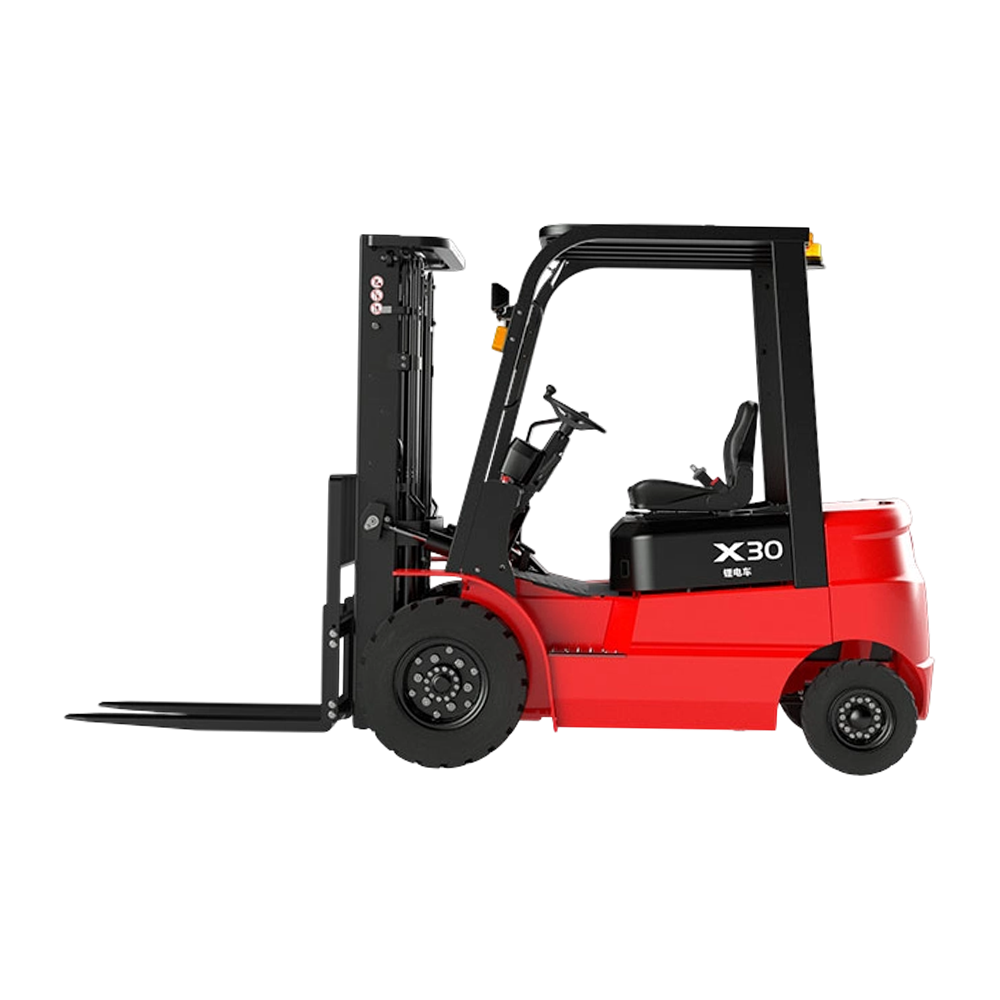
Revolutionizing Industrial Material Handling: The Rise of Electric Forklifts
In the fast-paced world of modern logistics, the efficiency of material handling equipment dictates the throughput of an entire supply chain. As industrial facilities transition toward leaner, more sustainable operations, the role of heavy-duty machinery has shifted significantly. For large-scale warehousing and manufacturing centers, the primary goal is to achieve seamless movement while minimizing downtime and operational expenses. Modern supply chains demand absolute reliability, where every second saved in loading, unloading, and internal transport translates directly into higher fulfillment rates and lower overhead costs.
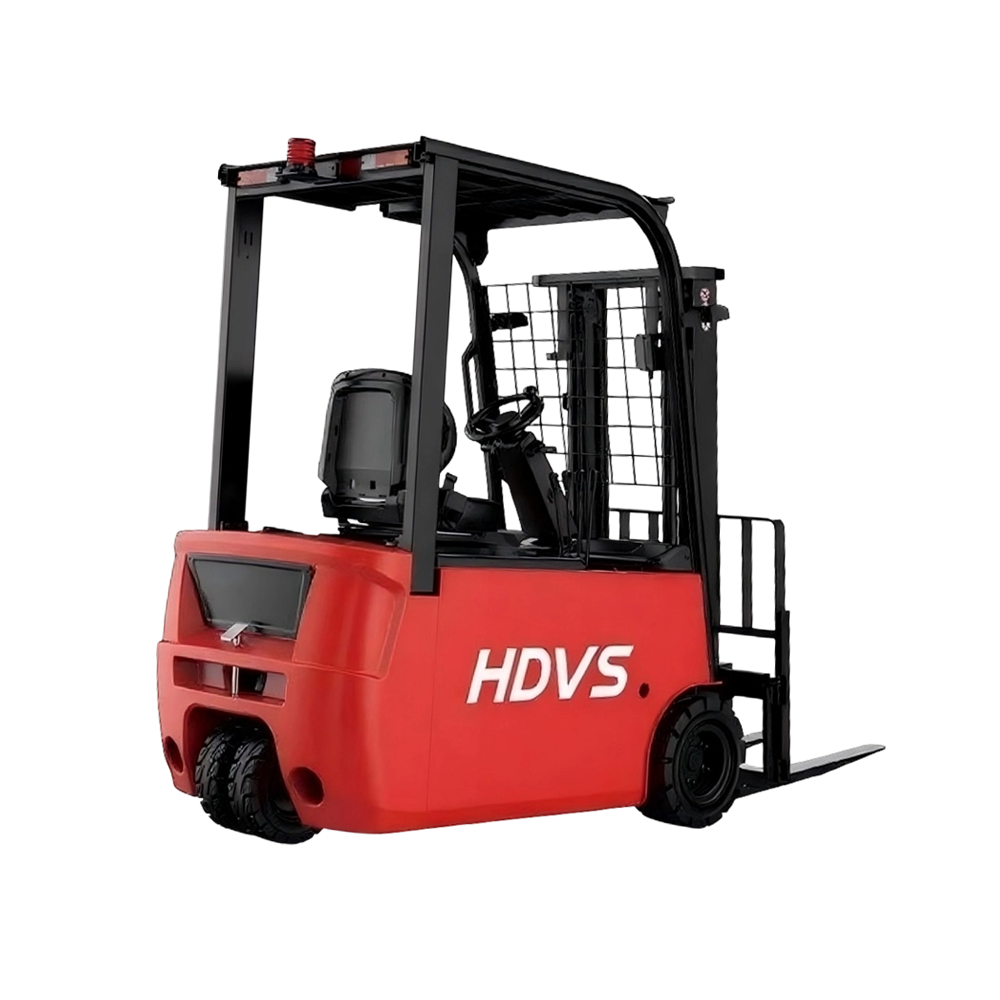
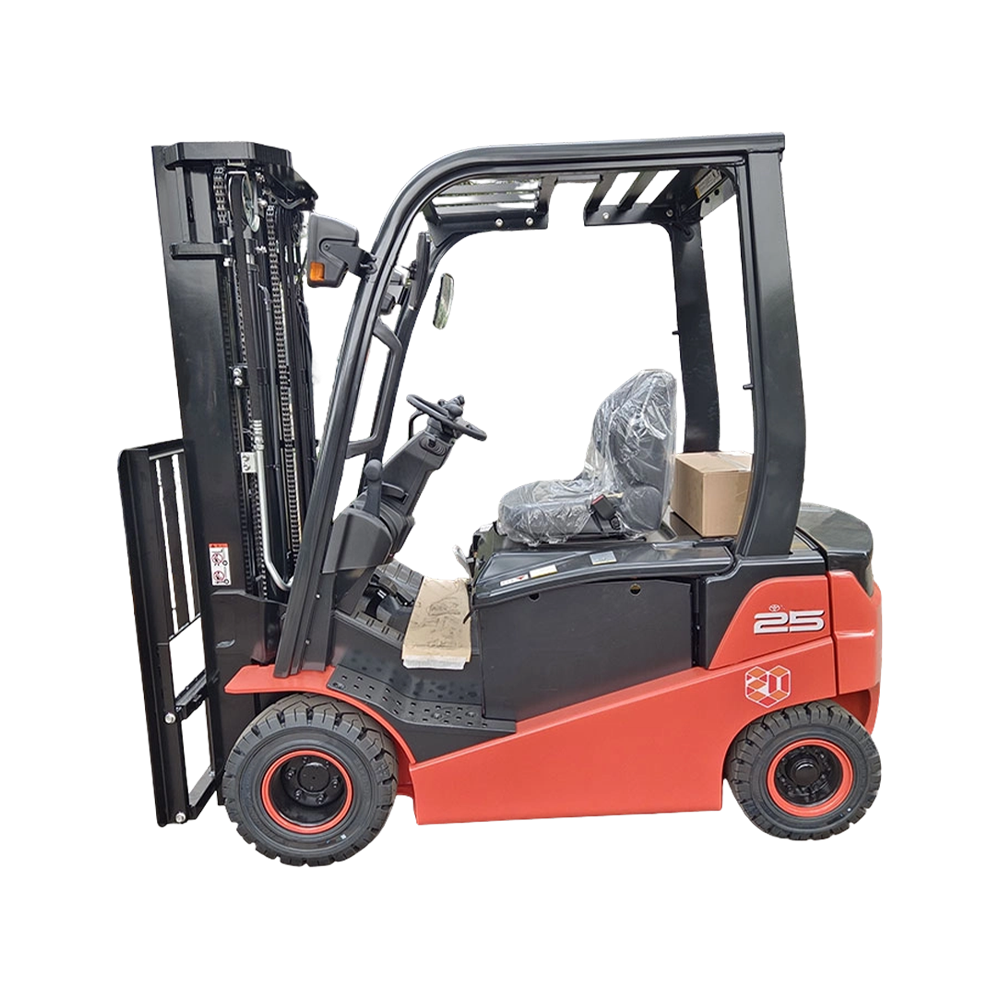
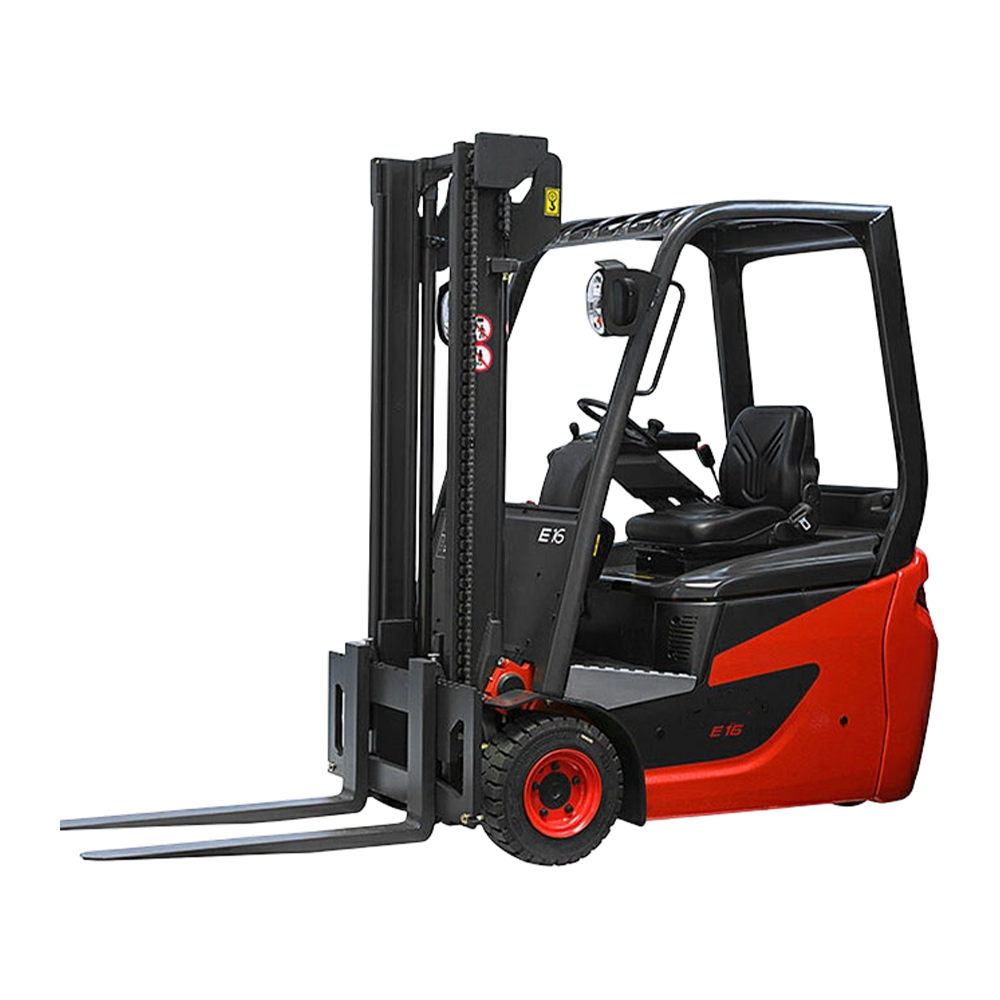
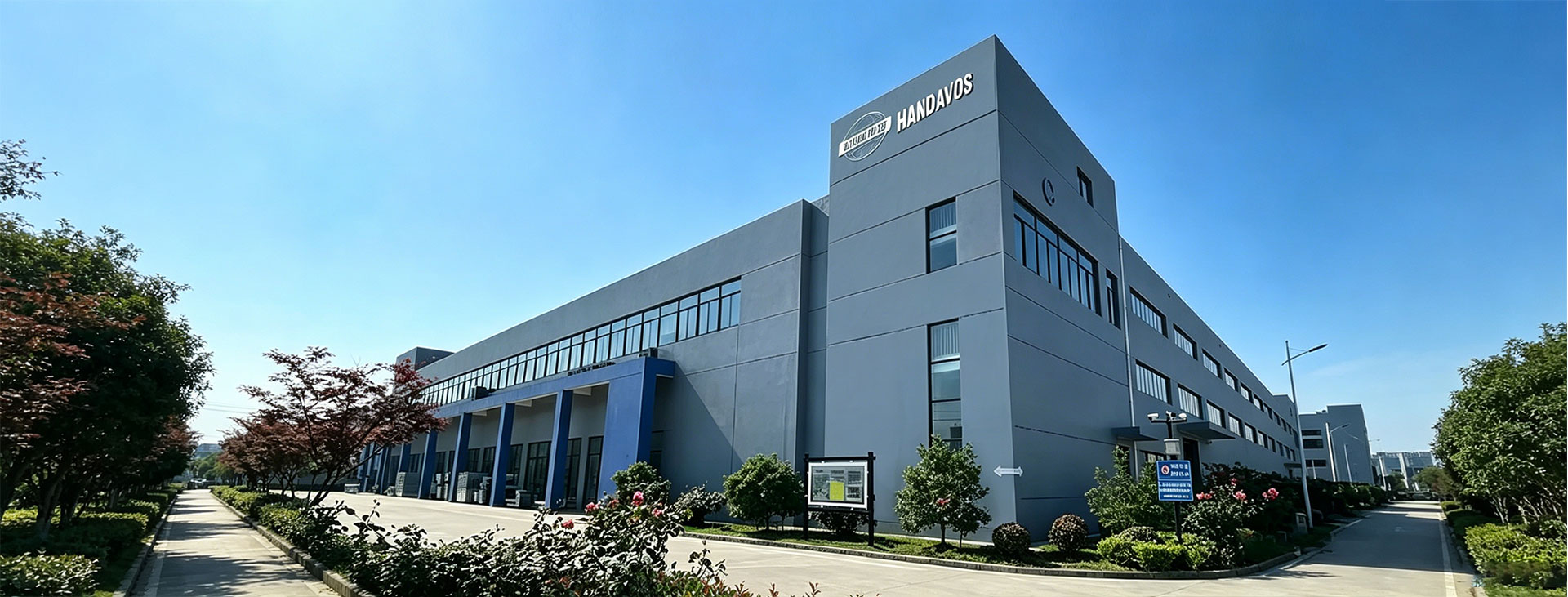
The emergence of the Electric Forklift marks a pivotal turn in this industrial evolution. Unlike traditional internal combustion engines, modern electric models provide a clean, quiet, and highly efficient solution that fits perfectly into the demands of complex, high-intensity distribution environments. By integrating these machines into a facility, managers can significantly reduce their total cost of ownership—a strategic advantage that Shanghai HanDavos International Trading Co., Ltd. has observed firsthand over its two decades in the industry. As a core branch of Kunshan Hanzhi, we have seen how the right equipment choices directly influence the long-term success of large-scale industrial operations, ensuring that the movement of goods remains consistent, reliable, and cost-effective across multi-shift schedules.
Understanding the Modern Electric Forklift: Definition and Core Mechanics
At its simplest, an Electric Forklift is a materials handling vehicle powered by an industrial-grade battery rather than fossil fuels. However, in contemporary practice, these machines are sophisticated pieces of engineering designed to handle everything from palletized goods to heavy specialized machinery. The core mechanics rely on the interaction between a high-torque electric motor and a robust power management system, replacing complex mechanical transmissions with smooth, responsive electronic control units.
The power heart of these machines has seen the most dramatic improvement in recent years. While traditional lead-acid batteries have long been the standard due to their initial affordability, lithium-ion technology is increasingly becoming the preferred choice for high-duty cycles because of its high energy density and rapid charging capabilities. Shanghai HanDavos International Trading Co., Ltd. maintains a massive inventory of state-of-the-art electric equipment, ensuring that our partners can access the latest advancements in energy storage. These systems are paired with AC drive motors and regenerative braking, which captures energy usually lost during deceleration and feeds it back into the battery, extending the machine's operational window. This mechanical synergy allows for precise, rapid acceleration and steady torque, enabling operators to handle heavy loads with surgical precision in confined spaces without the lag associated with traditional combustion engines.
Key Technical Specifications and Performance Parameters
When assessing the capabilities of an Electric Forklift, understanding technical limits is crucial for aligning equipment with specific operational needs. The following table provides a comprehensive breakdown of common performance metrics used by professionals to determine the right fit for their facility.
| Parameter | Standard Range (Varies by Model) |
| Load Capacity | 1.5 Tons – 5.0+ Tons |
| Lift Height | 3,000 mm – 8,000+ mm |
| Battery Voltage | 48V – 80V |
| Turning Radius | 1,700 mm – 2,400 mm |
| Travel Speed (Loaded) | 12 km/h – 20 km/h |
| Mast Type | Duplex (2-stage), Triplex (3-stage), Free Lift |
Beyond these specifications, mast selection is critical to operational success. A Triplex mast, for instance, allows for high stacking while keeping the overall lowered height low enough to navigate through standard doorways or low-ceiling bays. At Shanghai HanDavos International Trading Co., Ltd., we leverage our 20,000 square meters of warehousing capacity to keep a diverse stock of these configurations on hand. Whether an operation requires specialized masts for narrow aisle maneuvers or heavy-duty chassis for bulk handling, our technical team works to ensure that the equipment parameters match the physical constraints and performance demands of the customer's site.
Major Advantages for Large-Scale Commercial Operations
The transition to an Electric Forklift fleet is not merely a choice of technology; it is a strategic decision that impacts the bottom line of an enterprise.
Economic and Energy Efficiency
The most immediate benefit is the elimination of fuel costs. By replacing diesel or LPG with electrical charging, facilities can stabilize their energy spending, insulating themselves from the volatility of fossil fuel markets. Furthermore, electric machines have significantly fewer moving parts than internal combustion engines, resulting in dramatically lower maintenance costs. Shanghai HanDavos International Trading Co., Ltd. has spent years refining our after-sales support, and we have consistently seen that the reduced requirement for oil changes, spark plug replacements, transmission servicing, and complex engine repairs drastically lowers the long-term financial burden for our global partners.
Environmental Impact and Safety
With zero exhaust emissions, an Electric Forklift is ideal for indoor use, improving air quality for personnel and eliminating the need for expensive, high-capacity ventilation infrastructure. Furthermore, these machines are remarkably quiet, operating at decibel levels that protect workers from chronic noise pollution. Reduced vibration and noise levels contribute to a much more ergonomic working environment, helping maintain higher levels of focus, comfort, and safety during intensive, multi-shift operations where operator fatigue is a primary safety concern.
Operational Versatility
From the automotive assembly line to large-scale food processing, electric units offer the flexibility to operate in diverse environments. Because they do not emit hazardous fumes, they are the standard choice for cold storage and food handling facilities, where hygiene and air quality are strictly regulated. With the comprehensive technical support provided by our engineering experts at Shanghai HanDavos International Trading Co., Ltd., we help facilities integrate these machines into their workflows, resolving any installation, power configuration, or operational challenges before they impact productivity.
Diverse Industrial Applications and Operational Environments
The versatility of the Electric Forklift makes it the primary workhorse across a wide range of demanding industrial scenarios:
High-Density Distribution Centers: In facilities where real estate costs drive the need for narrow aisles and high vertical racking, the tight turning radius and precise maneuverability of modern electric units allow them to navigate spaces that would be entirely inaccessible to bulkier, fuel-based alternatives.
Manufacturing and Automotive Assembly Lines: The smooth, micro-adjustable precision control offered by electric drive systems is essential for moving delicate components, heavy engine blocks, and sub-assemblies along fast-moving production lines without jarring shocks.
Cold Storage and Food Logistics: Electric models are uniquely suited for temperature-controlled environments, as their performance is not inhibited by the ventilation limitations or starting issues that affect combustion-engine machines in closed, sub-zero freezer spaces.
Pharmaceutical and Cleanroom Environments: Due to the complete absence of carbon emissions, oil leaks, and soot, electric units maintain the pristine air quality standards required in pharmaceutical warehouses.
Shanghai HanDavos International Trading Co., Ltd. specializes in one-stop procurement for these diverse scenarios. By maintaining a vast inventory of brand-new units, we ensure that as a client’s facility grows or their operational scope shifts, the right equipment is always ready for rapid dispatch from our Kunshan headquarters.
Choosing the Right Equipment: Essential Factors to Consider
Selecting an Electric Forklift is a process that requires a thorough understanding of the intended application. Before finalizing an acquisition, facility directors should carefully evaluate these key factors:
Load Dynamics and Capacity: Determine the maximum weight, center of gravity, and the physical dimensions of the typical load to ensure the chassis, fork carriage, and attachments are correctly rated for safe lifting.
Environmental Conditions: Consider the operating environment. Are the floors smooth indoor concrete, or is there a need for specialized pneumatic or solid cushion tires that handle ramps, loading docks, and semi-rough transition zones?
Duty Cycle and Battery Management Strategy: If your facility operates around the clock across multiple shifts, consider a high-capacity lithium-ion setup that supports opportunity charging, allowing the machine to be topped up during standard breaks rather than requiring a time-consuming full battery swap.
Safety and Operator Assistance Infrastructure: Look for advanced technological features such as automatic speed reduction during sharp turns, dynamic stability control, overhead guard protection, and ergonomic command centers that protect the operator.
Long-Term Support and Spare Parts Availability: A machine is only as reliable as the service network behind it. Ensure that you are partnering with an organization that offers professional after-sales guidance, readily available spare parts, and deep technical expertise.
At Shanghai HanDavos International Trading Co., Ltd., we seamlessly combine these considerations into our consultation process. Our extensive experience in exporting and supplying equipment ensures that we don’t just provide a vehicle; we deliver a complete material handling solution tailored precisely to your facility's physical constraints and throughput goals.
Fleet Procurement Guide: Total Cost of Ownership for Enterprise Buyers
When scaling warehouse operations or updating an entire material handling fleet, looking solely at the upfront price tag can be a costly miscalculation. Enterprise facility managers and operational directors evaluate investments through the lens of Total Cost of Ownership. An Electric Forklift fleet alters the financial equation by shifting expenses away from volatile fossil fuel markets and heavy mechanical maintenance toward predictable electrical consumption and streamlined servicing. Over a typical operational lifecycle, these savings accumulate exponentially, turning initial capital investments into long-term strategic value.
To understand the long-term value, it helps to examine how the primary cost categories break down between traditional internal combustion engines and modern electric alternatives over a standard operational lifecycle:
| Cost Category | Internal Combustion (IC) Equipment | Electric Forklift Fleet |
| Fuel / Energy | High vulnerability to fluctuating diesel/LPG market prices | Predictable electricity costs, further optimized by regenerative braking |
| Routine Maintenance | Frequent engine oil, spark plug, belt, filter, and exhaust servicing | Minimal moving parts; focus is primarily on hydraulics, tires, and brake inspections |
| Major Repairs | Complex transmission, clutch, and internal combustion engine overhauls | Sealed AC motors and solid-state controllers require virtually zero heavy mechanical overhauls |
| Ventilation & Air Quality | Requires costly warehouse ventilation systems and exhaust scrubbers | Zero indoor emissions; no special air-handling upgrades or carbon monitors needed |
Beyond operational math, fleet expansion requires strategic timing and inventory readiness. This is where the depth of Shanghai HanDavos International Trading Co., Ltd. proves invaluable for large-scale operations. Backed by over 20 years of industry expertise and headquartered in Kunshan City with robust transportation access, we understand that enterprise clients often need to scale their fleets rapidly to meet seasonal surges or new facility openings. Our 20,000-square-meter modern standardized warehouse maintains a vast inventory of brand-new units, premium used models, and a comprehensive stock of spare parts and attachments. Because we house such a diverse portfolio, we eliminate long lead times, supporting one-stop procurement and rapid order fulfillment for global clients.
Maintaining an enterprise fleet also relies heavily on preventive servicing and rapid access to replacement components. The professional technical and after-sales team at Shanghai HanDavos International Trading Co., Ltd. works closely with facility operators to establish customized maintenance schedules. By replacing wear-and-tear items proactively and utilizing genuine attachments and replacement parts, facilities can maximize the working hours of every Electric Forklift on site. Adhering to a quality-oriented and customer-centric approach, our experienced engineers provide ongoing technical guidance, ensuring that your equipment remains at peak performance while keeping lifetime operational costs to an absolute minimum.
Frequently Asked Questions
What is the typical lifespan of an Electric Forklift battery, and how can operators maximize its working hours?
A standard lead-acid battery typically lasts between 1,000 to 1,500 charge cycles, while advanced lithium-ion alternatives can easily exceed 2,500 to 3,000 cycles while retaining over 80 percent capacity. Maximizing working hours involves avoiding deep discharges below the 20 percent threshold, maintaining proper distilled water levels for lead-acid variants to prevent plate sulfation, and adhering to recommended cooling periods after demanding heavy-duty shifts.
How do Lithium-ion batteries compare to traditional lead-acid batteries regarding charging time and maintenance requirements?
Lithium-ion batteries charge significantly faster—often reaching full capacity in just 1 to 2 hours—and fully support opportunity charging during standard rest breaks without degrading cell health or memory. They are entirely maintenance-free, requiring no water refilling, equalization charging, or specialized well-ventilated battery rooms. Traditional lead-acid batteries, by contrast, require a strict 8-hour charge cycle followed by an 8-hour cooling period and routine electrolyte checks.
Can an Electric Forklift operate effectively in wet, outdoor, or rough-terrain conditions?
Yes, provided the machine is specified with the correct ingress protection rating and appropriate tire configurations. While standard electric models are engineered primarily for smooth indoor warehouse floors, specialized industrial models feature weatherproof electrical enclosures, sealed wiring harnesses, and rugged pneumatic or solid cushion tires designed to handle loading docks, outdoor asphalt ramps, and semi-rough yards safely without risking electrical shorts.
What infrastructure upgrades are necessary within a facility to support a fleet of industrial chargers?
Transitioning to an electric fleet requires evaluating your facility's electrical load capacity, especially if high-output or fast-charging stations will be installed simultaneously. Facilities generally need dedicated 3-phase power drops, proper wall-mounted or freestanding industrial smart chargers matched to the exact battery voltage, and well-ventilated charging areas if utilizing traditional lead-acid batteries that release hydrogen gas during the final stages of the charging cycle.
What standard safety certifications and compliance standards should global enterprise buyers look for when sourcing material handling equipment?
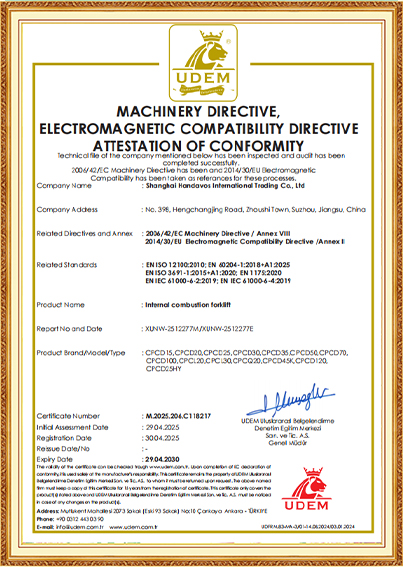
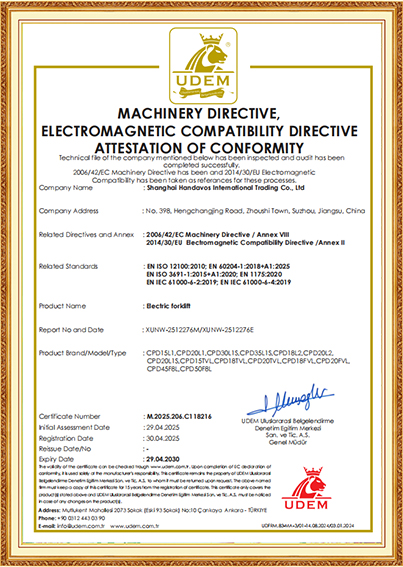
Global enterprise buyers should verify that the equipment complies with internationally recognized safety and quality standards, such as ISO manufacturing quality management certifications, CE markings for structural and electrical safety compliance, and adherence to local industrial safety regulations. Ensuring these certifications are in place guarantees that the machinery meets strict operator protection, braking efficiency, and structural integrity benchmarks.
