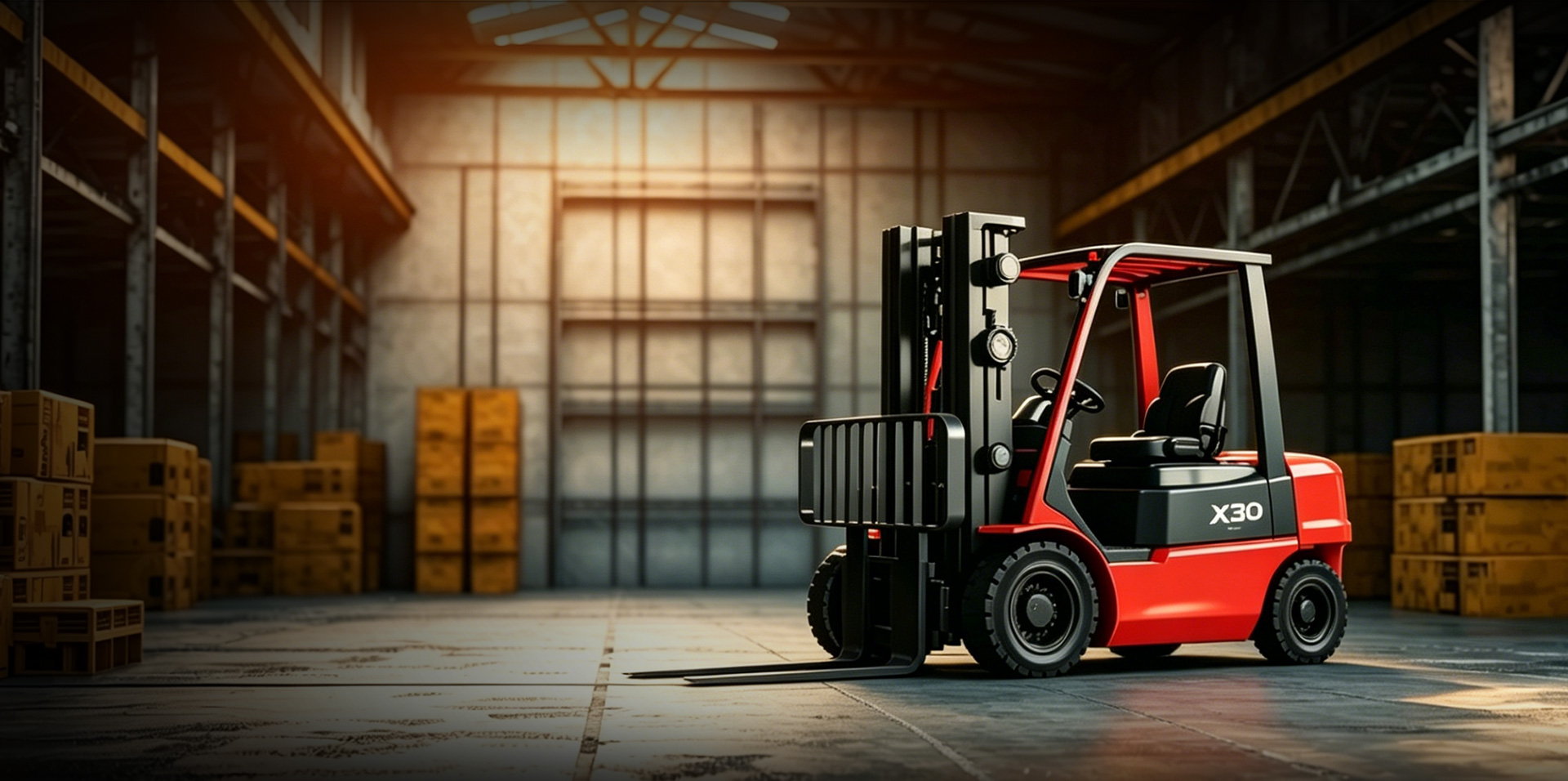
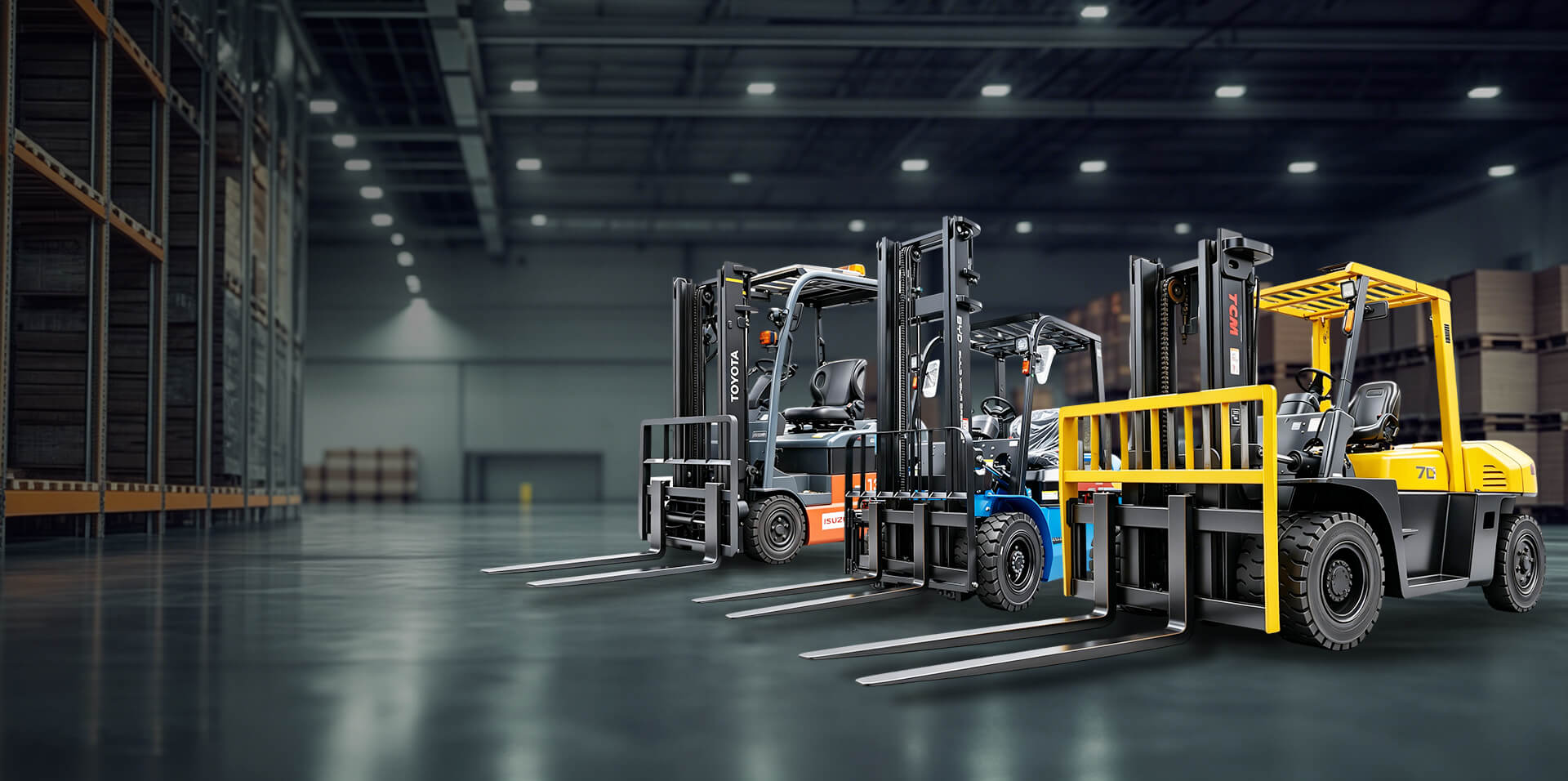
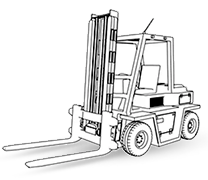
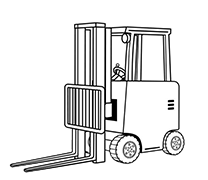
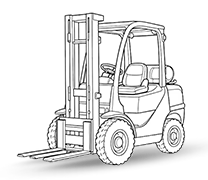
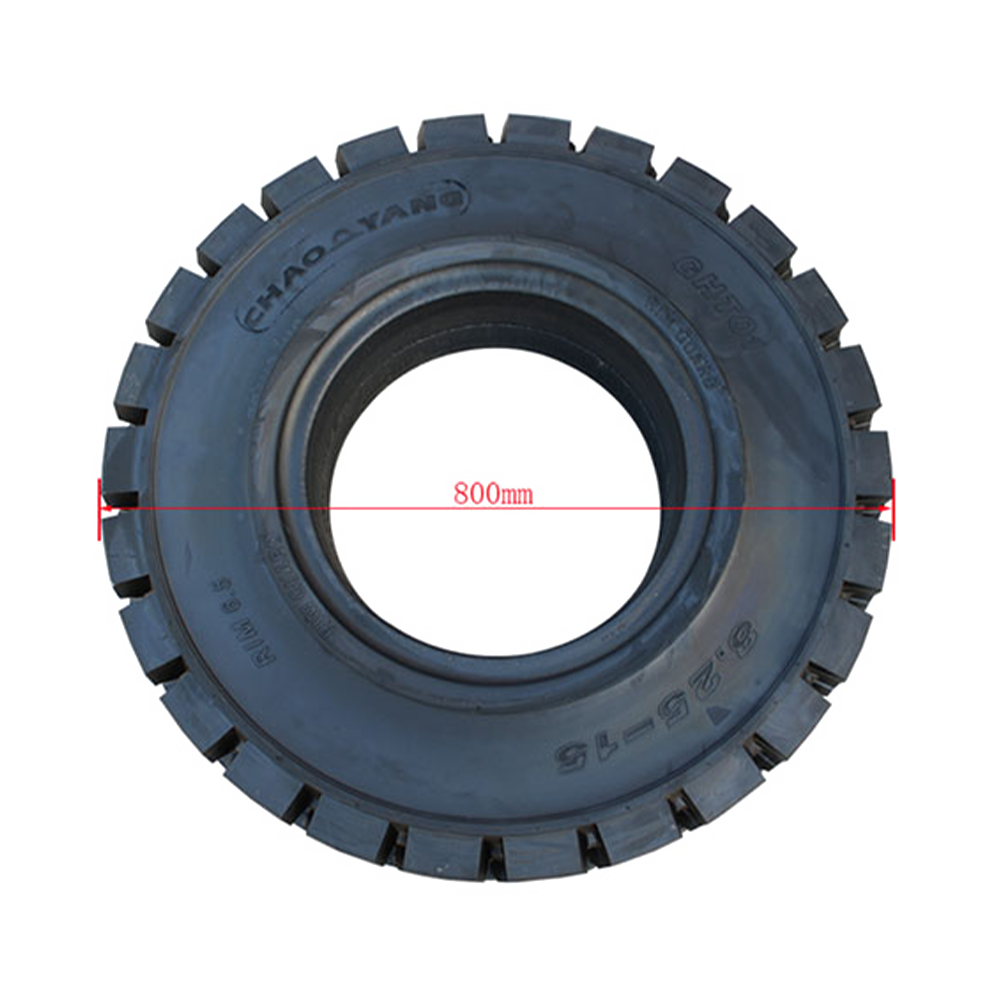
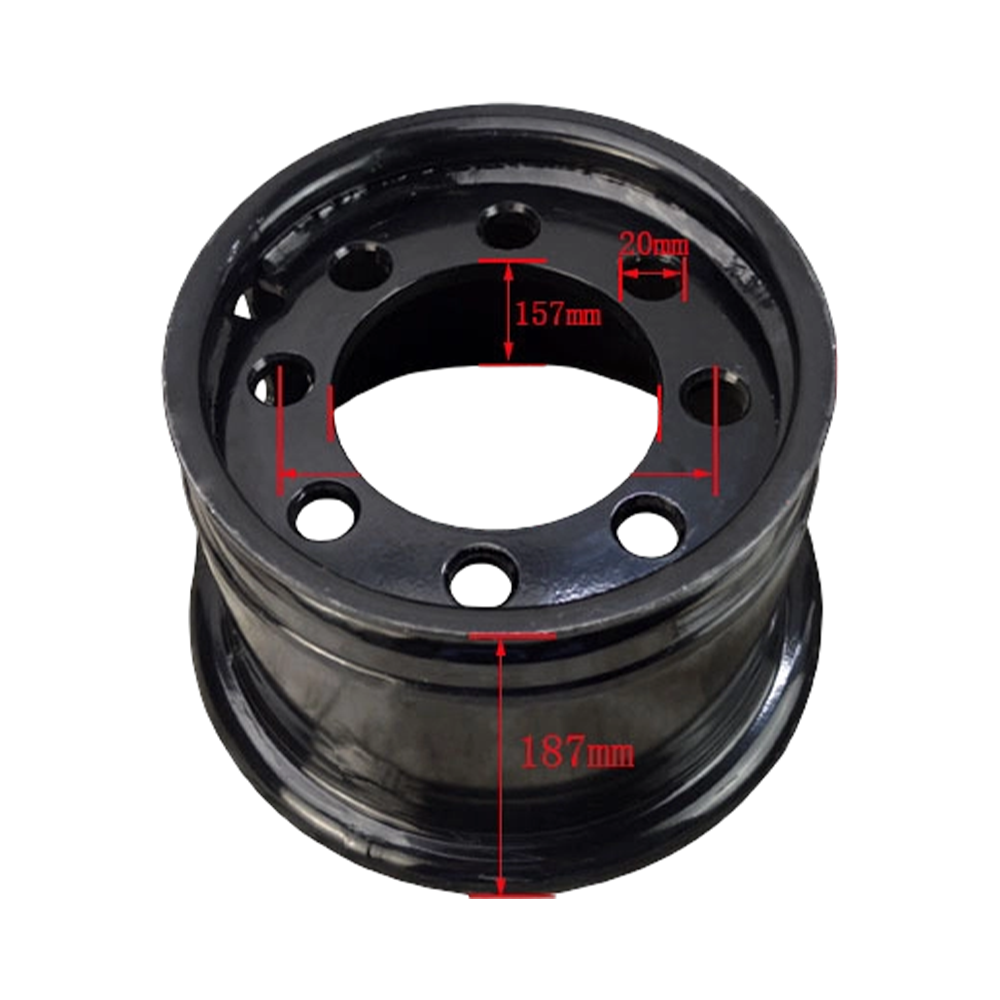
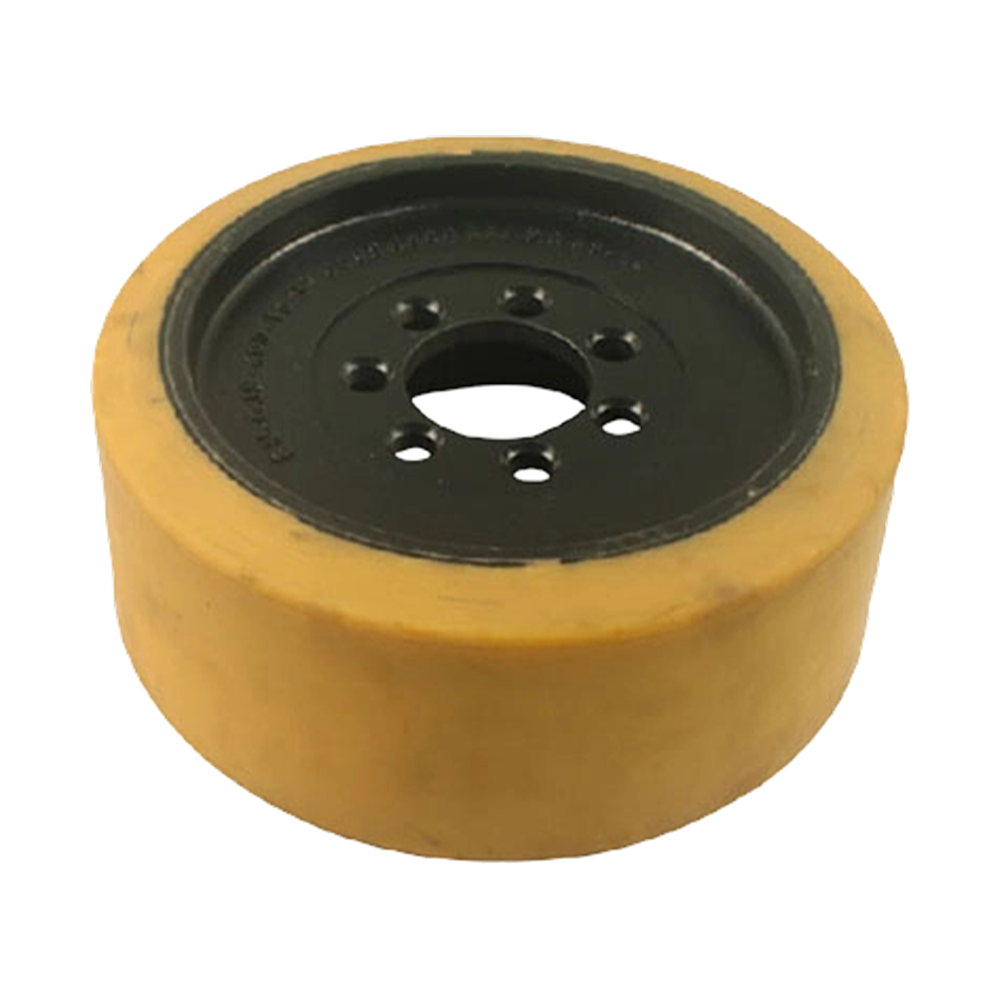
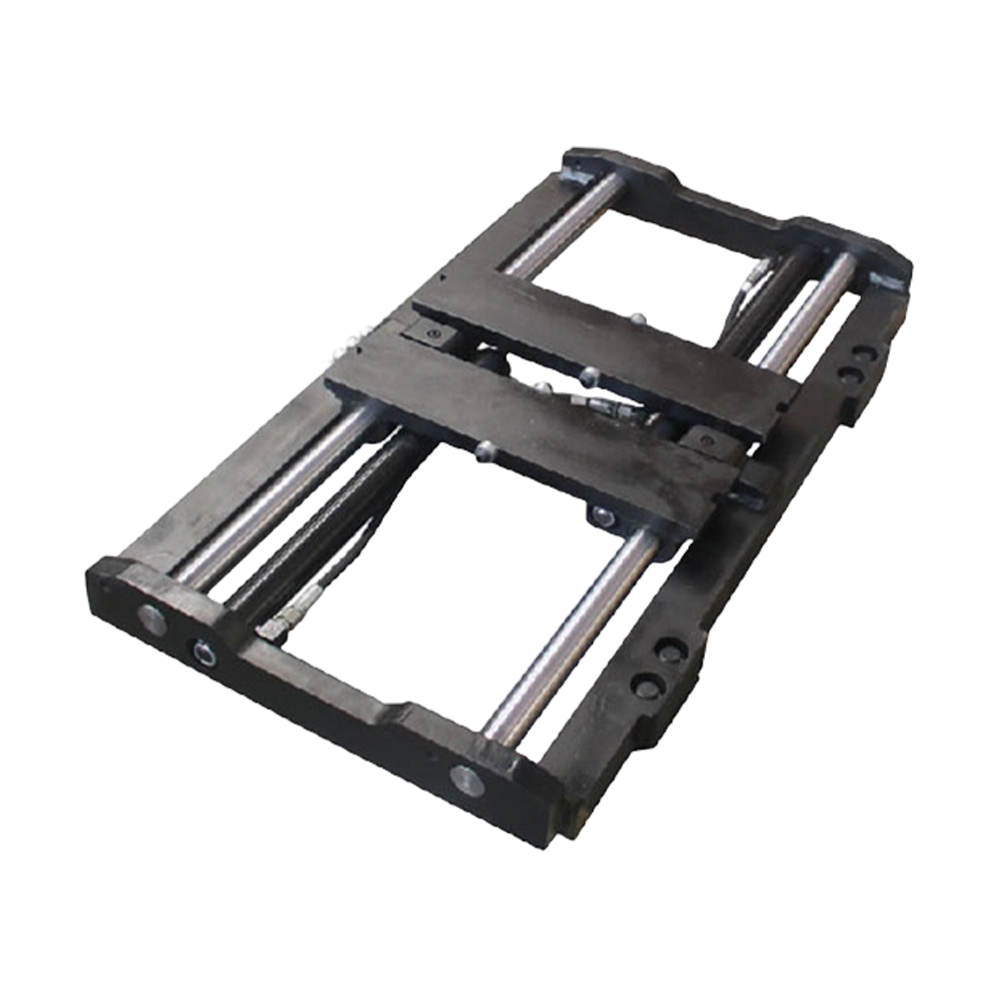
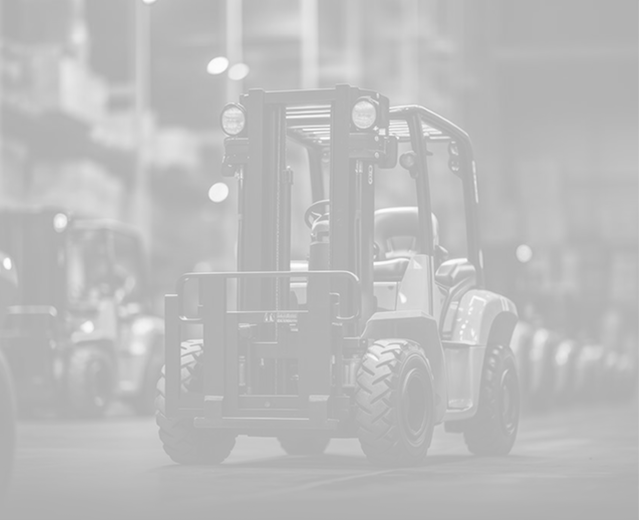
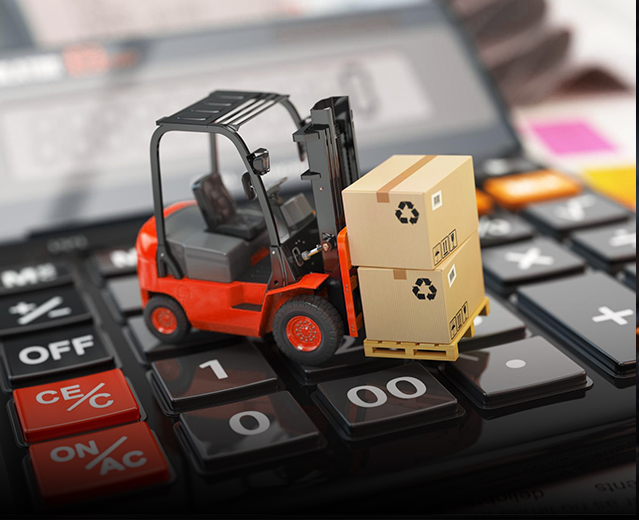
Full-Range Forklifts
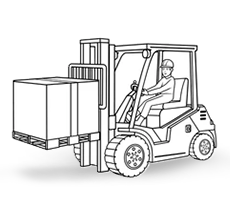
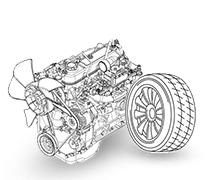
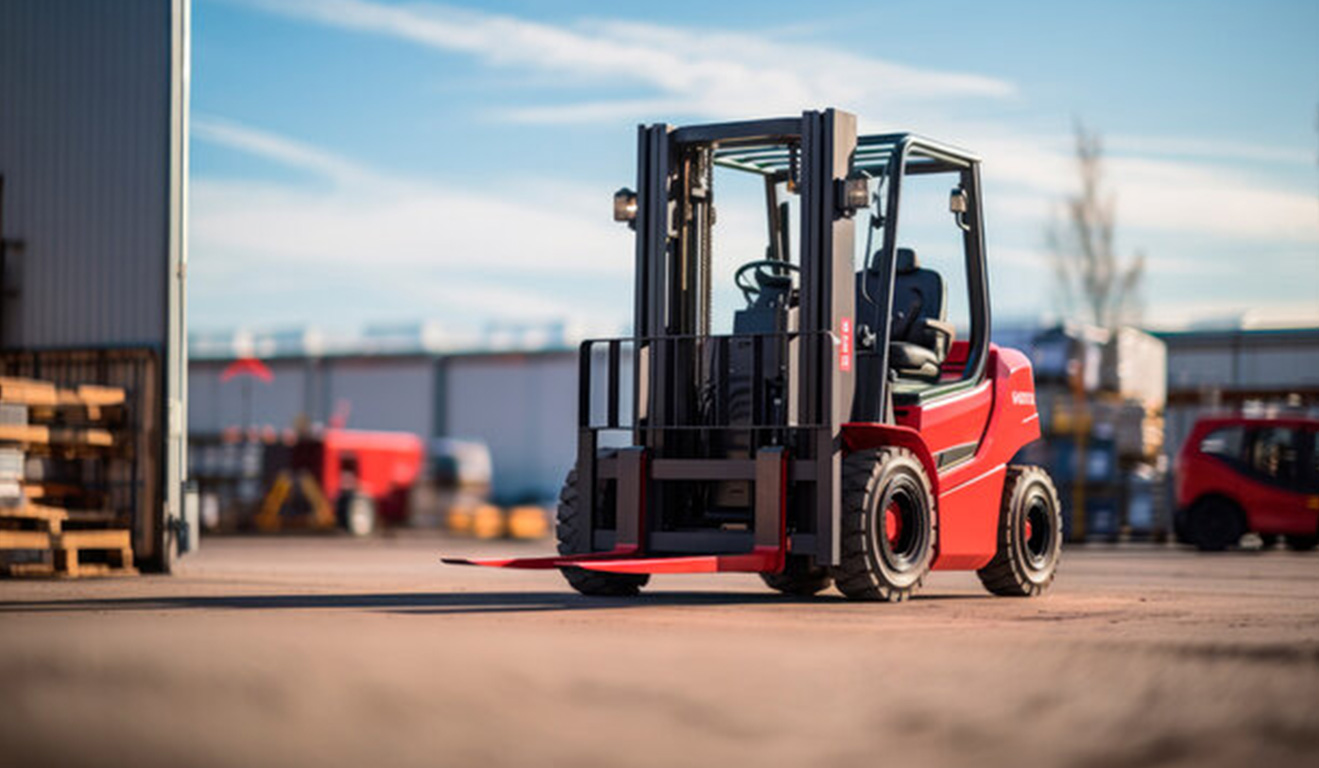
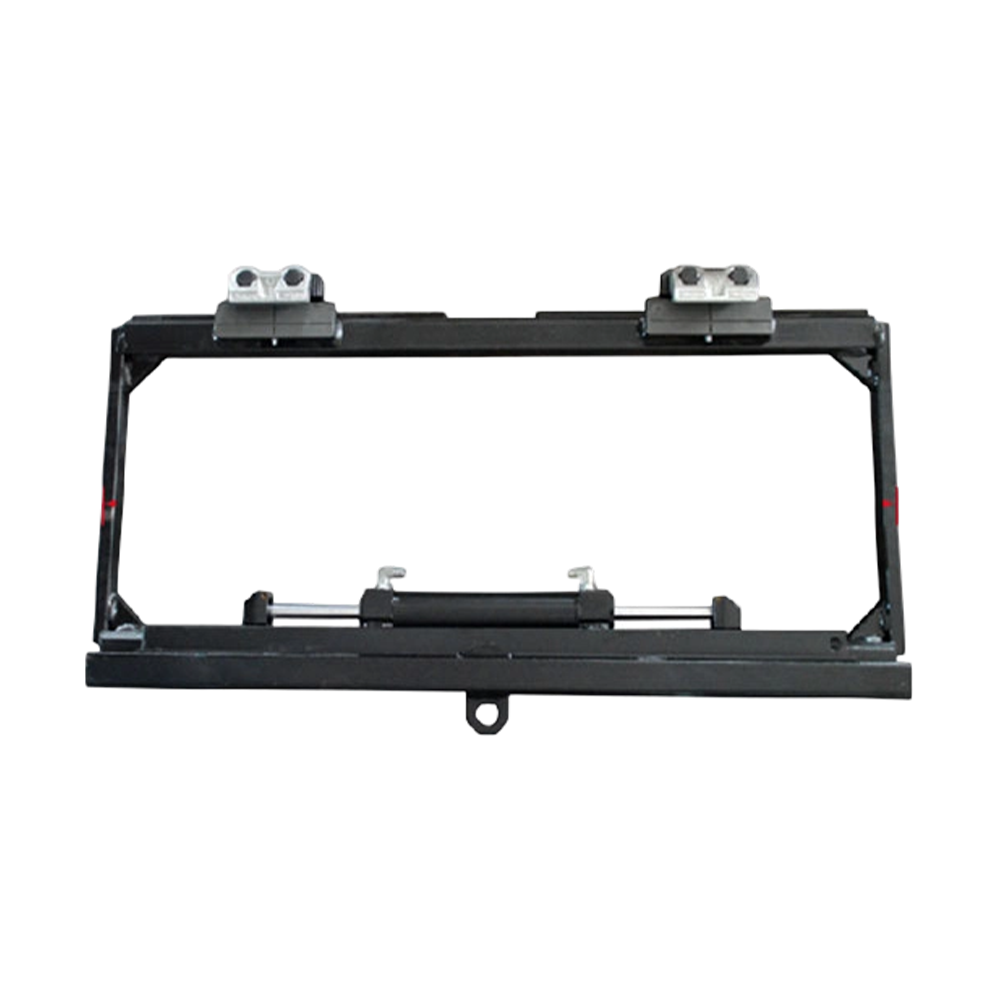
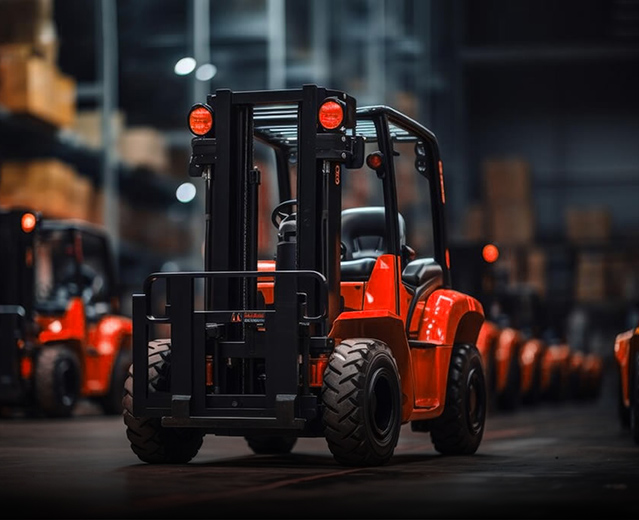
Covers electric, diesel, LPG and other types, multi-brand optional, meeting different operation needs.
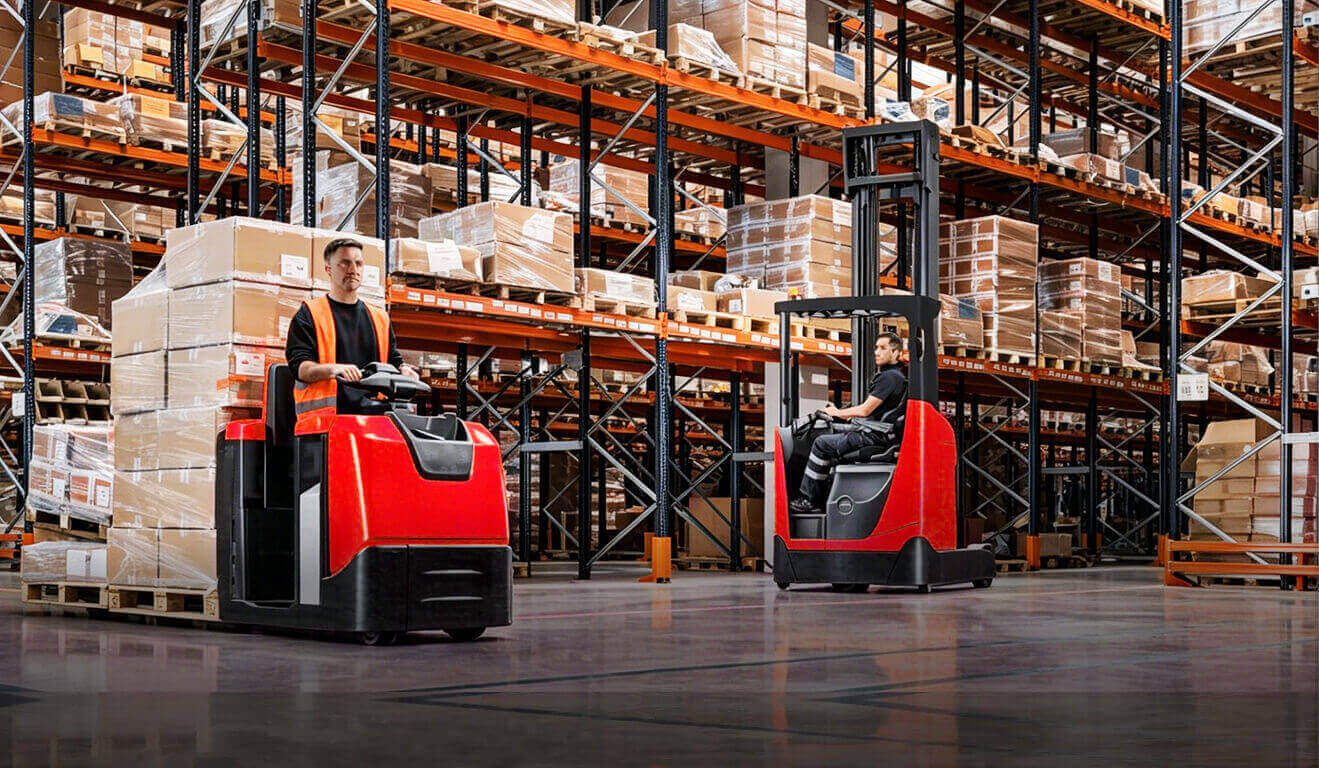
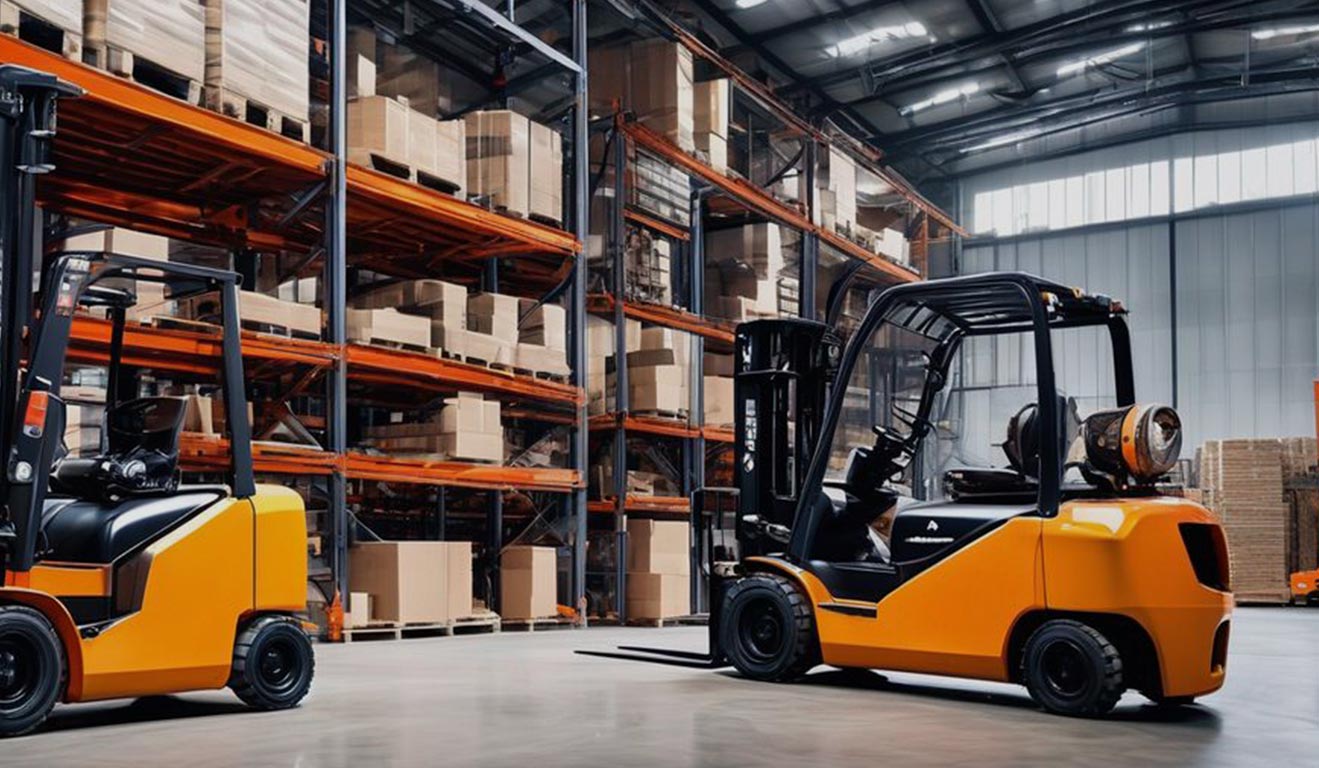
Warehousing and Logistics
The warehousing and logistics industry has a high demand for forklifts and operates frequently. Whether it is an e-commerce warehouse, a third-party logistics center, or a large distribution center, reliable forklifts are needed to ensure the efficient flow of goods.
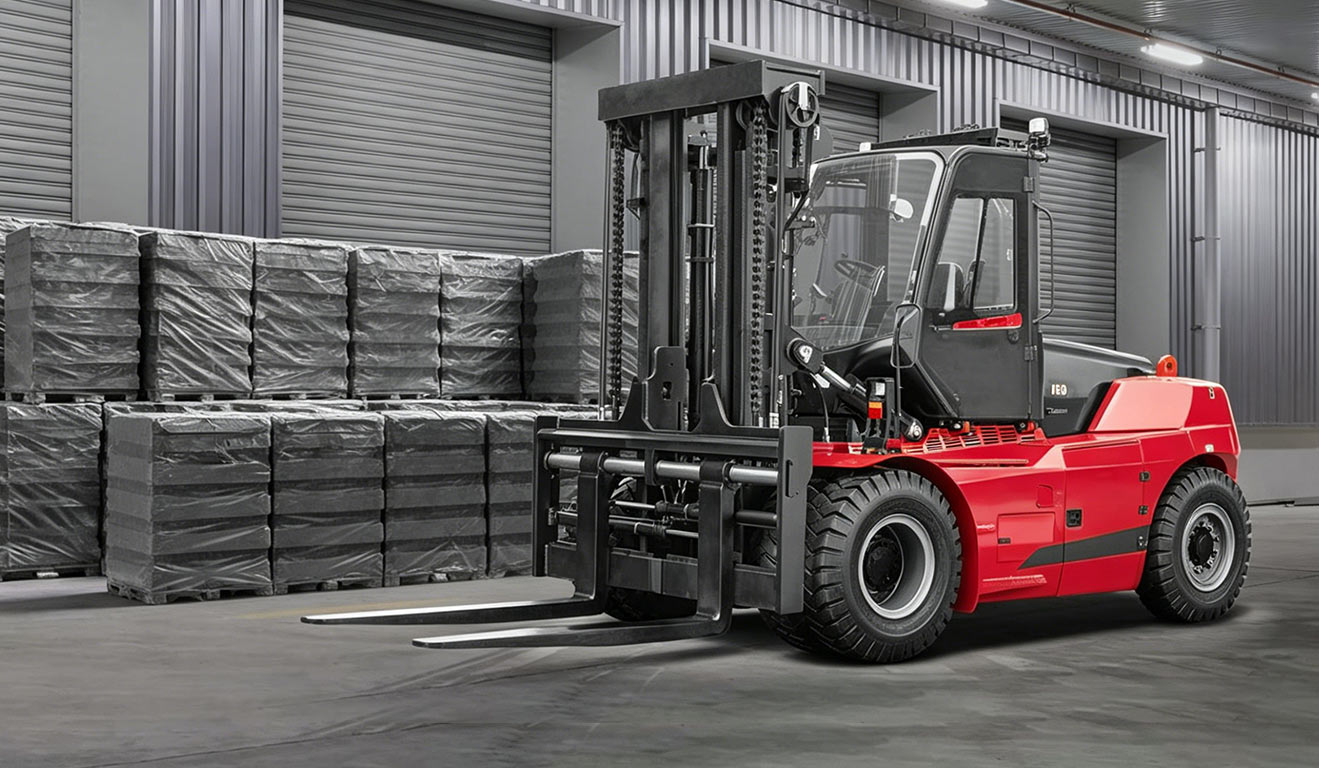
Construction and Building
Forklifts need to handle heavy loads, frequent movement, and harsh outdoor conditions. Specifically designed for the construction industry, they ensure high efficiency and stability even in complex environments.
Manufacturing Industry
Efficient forklift equipment is indispensable for material delivery, semi-finished product transfer, and finished product warehousing on the production line. Our solutions balance precision and efficiency, helping manufacturing customers achieve lean manufacturing.
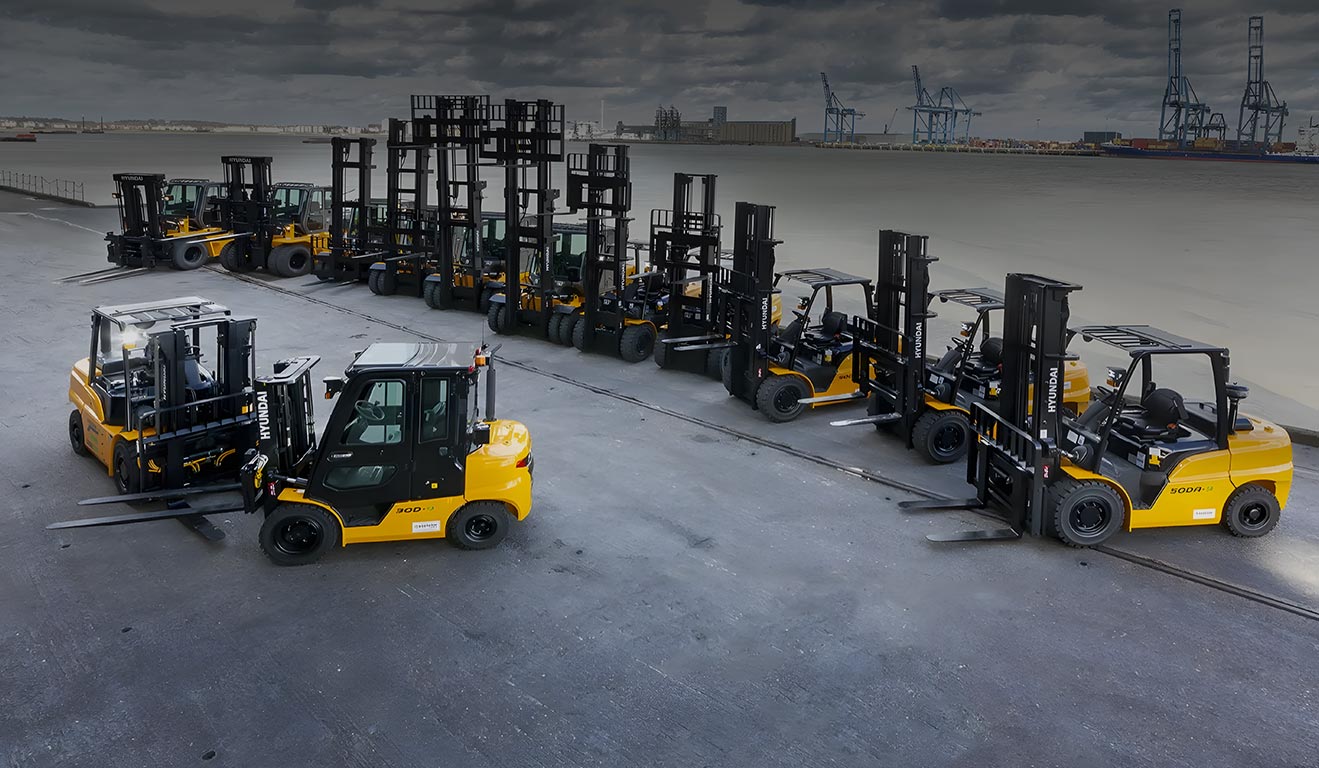
Port Terminal
Forklifts are essential equipment at port terminals. Forklifts can unload goods from ships and stack them in suitable locations. Forklifts have strong load-bearing capacity and can handle various types of goods such as containers and bulk cargo. The flexible mobility and height adjustment function of forklifts make operation more convenient and safe in busy dock environments.
Retail & Supermarket
In the supermarket and retail industry, forklifts can be used for loading and unloading and placing of goods, and the height adjustment function of forklifts can adapt to the height of different shelves to ensure the neat placement of goods. Forklifts can also be used in the back-office warehouse of the mall for sorting and sorting of goods, thereby improving logistics efficiency.
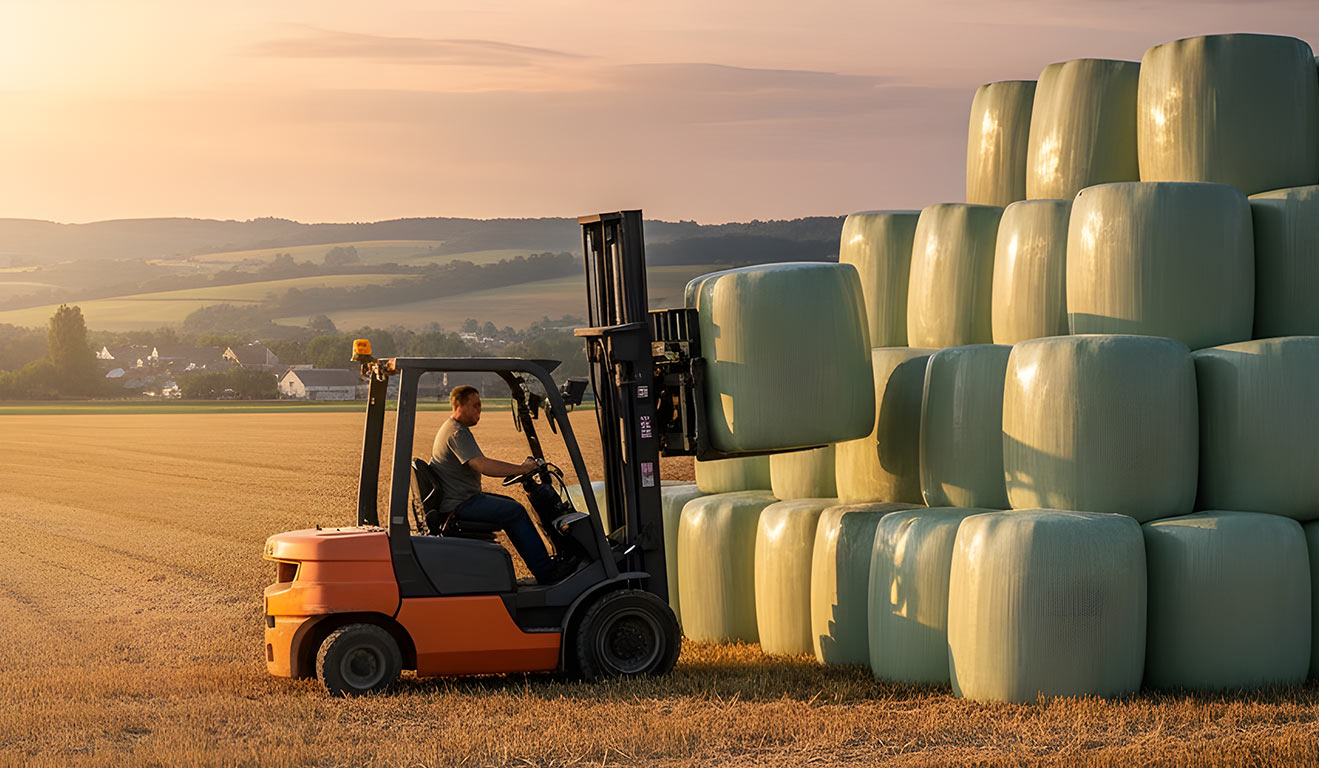
Agricultural Field
Agricultural production requires a lot of material transportation and stacking work, handavos forklift can help farmers efficiently complete. Forklifts can transport agricultural products from fields or farmhouses to warehouses or markets, and agricultural machinery and equipment can also be sent to the field for use. The use of forklifts in the agricultural field greatly improves the efficiency and efficiency of agricultural production.
One-Stop Procurement for
Professional Forklift Parts
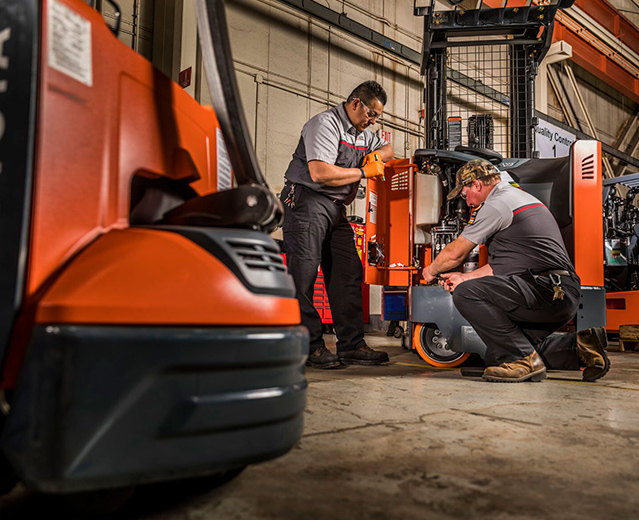
We promise to find you the right equipment, including spare parts sales, maintenance and repair of forklifts, rentals, second hand equipments etc.
Professional Forklift Manufacturer
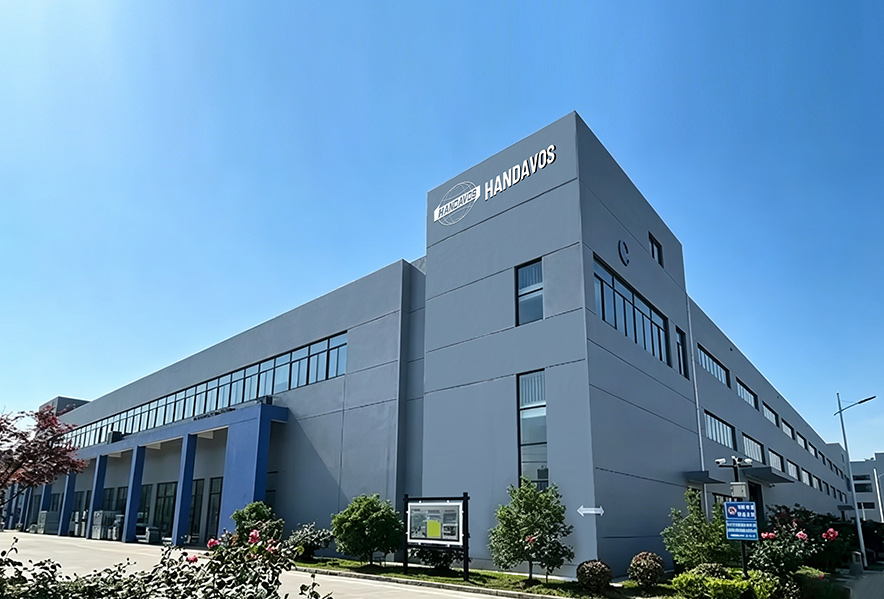
Shanghai Handavos International Trade Co., Ltd.

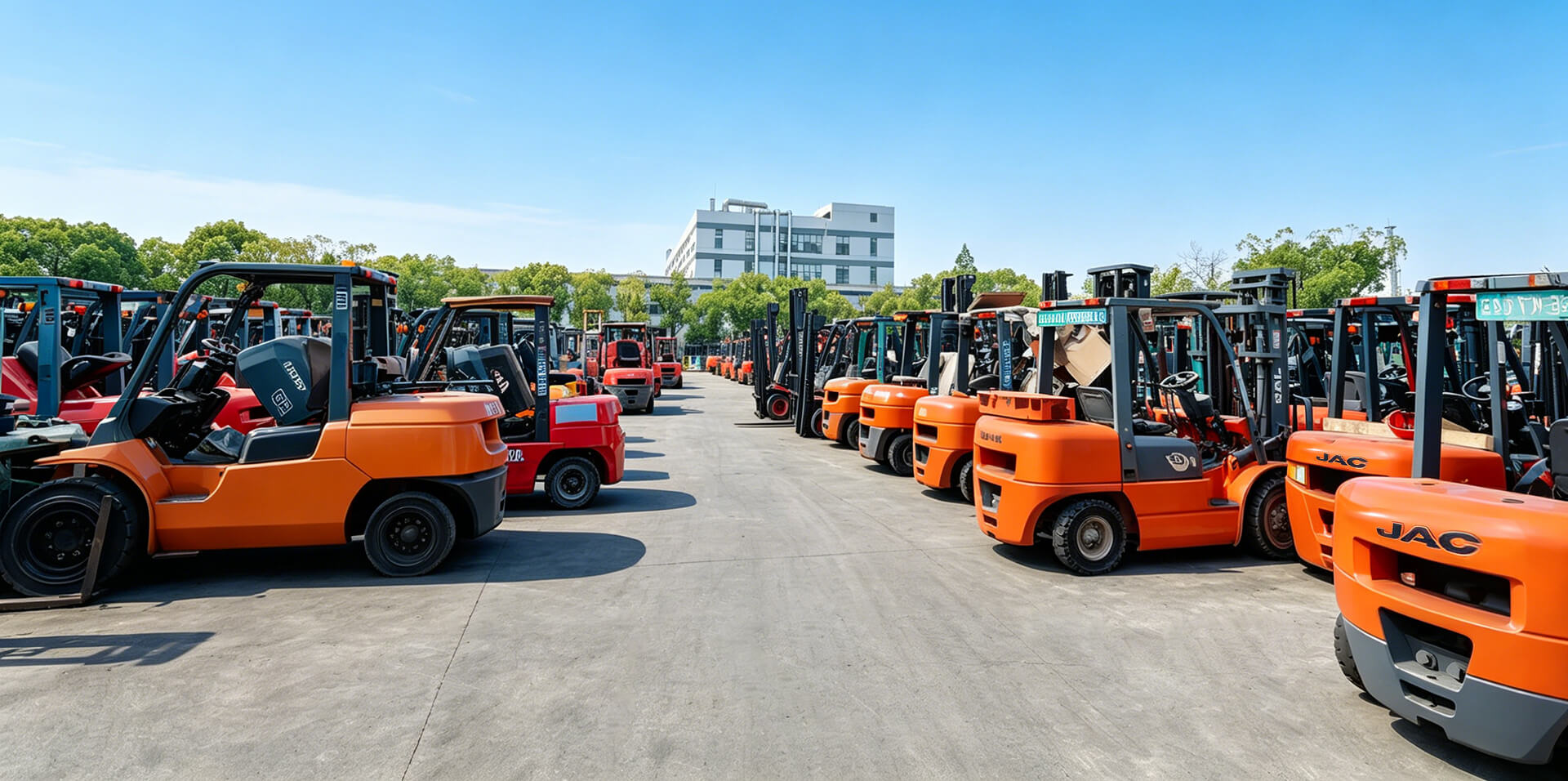
We specializes in various types of forklifts and accessories, with a rich selection of electric, diesel, and other forklift models covering multiple well-known brands.
Our company also offers flexible procurement services for small batches and various specifications. Leveraging convenient transportation logistics and ample warehouse inventory, the company is equipped with a professional technical and after-sales team to efficiently respond to customer needs, and providing customers with cost-effective products and services.

Discover more +
  • 2004 +Year

    More than 22 Years Forklift Industry Experience

  • 20000+

    Modern Warehouse and 3 Production Bases

  • 40+Millions

    Inventory of Forklift Parts, Over 50,000 Categories

  • 2000+

    Inventory Forklifts, With Over 10 of Brands

Our brand sales
Shanghai HanDavos International Trading Co., Ltd.
Full-Chain Services
Professional sales people recommend matching products one-on-one, and professional after-sales
personnel solve after-sales problems of the products.
Professional Technical Support
Our senior technical team offers pre-sales selection consultation, installation guidance, in-sales fault diagnosis, and post-sales maintenance and operation training. Online video guidance is available to resolve technical issues quickly.
Full-Cycle After-Sales Service
We offer full-cycle services, including forklift rental, parts repair, and equipment upgrades. A dedicated after-sales team provides timely support throughout the entire process to ensure equipment reliability.
One-Stop Procurement Service
We provide a full range of options, including new forklifts, used forklifts, forklift parts, and attachments, covering dozens of brands to meet diverse application needs. This eliminates the need for multiple suppliers, saving procurement time.

What‘s News
Explore our latest updates on forklift trends, sustainable
practices, and industry expertise.
Company News
Industry News
Discover more +
Heavy Lifting, Heavy Duty: The Complete Technical Guide to the Diesel Forklift
May.Mon 2026
Heavy Lifting, Heavy Duty: The Complete Technical Guide to the Diesel Forklift
The Verdict: Diesel Remains King for Heavy Outdoor Duty Cycles For outdoor applications requiring more than 2,000 operating hours per year with lift capacities above 8,000 pounds, the diesel forklift delivers a 28-35% lower cost per operating hour than any electric alternative when fuel, maintenance, and battery replacement are factored over a 10-year lifecycle. Data from 150 fleet operations shows that diesel units achieve 94% average uptime versus 86% for electric units in wet or dusty environments. The direct conclusion: if your operation involves uneven terrain, rain, 24/7 availability requirements, or loads exceeding 10,000 pounds, a diesel forklift is not just an option—it is the correct engineering choice.  Diesel Forklift vs. Alternatives: The Data-Driven Comparison The decision between diesel, LPG, and electric forklifts hinges on three variables: duty cycle, operating environment, and fuel infrastructure. Diesel forklifts achieve 6-8 hours of continuous operation on a 15-gallon tank, compared to 4-5 hours for a standard LPG cylinder. Refueling a diesel forklift takes 3 minutes; changing an LPG cylinder takes 5-6 minutes; recharging an electric forklift requires 8 hours for a full charge or 30-45 minutes for a fast charge (which reduces battery life by 40%). For multi-shift operations, diesel requires no battery swapping infrastructure, no spare batteries costing $6,000-10,000 each, and no dedicated charging area with ventilation. Electric appears cheaper per hour until battery replacement is included. A single 48V, 900Ah battery costs $8,000-12,000 and lasts 4-5 years in heavy use, adding over $1 per hour. Diesel forklifts also maintain power output throughout the shift; electric units experience voltage drop below 30% charge, reducing lift speed and travel speed by up to 40% in the final hour of operation. Tier Emission Compliance and Regulatory Selection All new diesel forklifts sold in regulated markets must comply with EPA Tier 4 (United States) or EU Stage V (Europe) emission standards. Tier 4 Final engines reduce particulate matter by 90-95% and nitrogen oxides by 80-85% compared to Tier 3 engines, but add significant complexity: diesel particulate filters (DPF), selective catalytic reduction (SCR), and diesel exhaust fluid (DEF) injection. For indoor or partially enclosed use, Tier 4 is legally required and safe with proper ventilation. For outdoor-only use in non-attainment zones, Tier 4 is mandatory. However, for rural outdoor applications with low population density, used Tier 3 diesel forklifts remain legal to operate and have 30-40% lower total cost of ownership due to eliminated DPF regeneration downtime and DEF costs. DPF regeneration on Tier 4 diesel forklifts requires the engine to run at high load for 20-40 minutes to burn accumulated soot. Forklifts used primarily for light-duty yard spotting or intermittent operation (under 40% average engine load) will trigger active regeneration cycles every 8-12 operating hours, during which the unit cannot be shut down. This is operationally disruptive. For applications with average engine load below 50%, consider a Tier 4 unit with an automatic regeneration schedule that can be deferred, or purchase a used Tier 3 unit if legally permissible. Engine Displacement and Power Curve Matching Diesel forklift engines typically range from 2.0 to 4.5 liters of displacement for units with 5,000 to 15,000-pound capacities. The critical specification is not peak horsepower but torque at low RPM. A diesel forklift needs 80% of peak torque available at 1,200 RPM to accelerate from a stop with a rated load. Review the engine torque curve: if the torque at 1,200 RPM is less than 200 Nm per liter of displacement, the forklift will feel underpowered when lifting and driving simultaneously. For container stuffing or ramp operation, require an engine with at least 300 Nm of torque at 1,400 RPM for a 8,000-pound capacity unit. Turbocharging versus naturally aspirated: Turbocharged diesel forklifts lose only 3-5% of rated power at 3,000 meters altitude compared to 20-25% loss for naturally aspirated engines. For operations at elevations above 1,500 meters (Denver, Bogotá, Johannesburg), specify turbocharging. For sea-level applications, naturally aspirated engines have fewer components to fail and a lower initial cost of $3,000-5,000 per unit. However, turbocharged engines typically achieve 10-15% better fuel economy across the operating range because they extract more energy from each fuel molecule. Transmission Types: Hydrostatic vs. Powershift Two transmission architectures dominate the diesel forklift market: hydrostatic (variable displacement pump driving a hydraulic motor) and powershift (torque converter with multi-speed gearbox). Hydrostatic transmissions provide infinite speed control and superior inching capability, reducing operator fatigue by 30-40% in applications requiring frequent direction changes (loading/unloading trucks, pallet put-away). However, hydrostatic systems consume 15-20% more fuel than powershift at steady-state travel because of hydraulic efficiency losses. Powershift transmissions are simpler and more durable for applications with long travel distances (yard operations, container terminals) but require clutch pedal use for precise inching. Transmission failure data from 1,200 diesel forklifts shows that hydrostatic units have a mean time between failures (MTBF) of 8,000 hours, compared to 12,000 hours for powershift units. However, hydrostatic repair costs are 40-50% lower because failed components are individual pumps and motors rather than entire gearbox assemblies. For fleets with in-house technicians, hydrostatic offers faster, cheaper repairs. For fleets relying on dealer service, the longer MTBF of powershift reduces expensive service calls. Fuel Consumption Benchmarks by Duty Cycle Real-world diesel forklift fuel consumption varies dramatically by application. An 8,000-pound capacity unit consumes 1.2-1.5 gallons per hour in heavy-duty cycle (continuous lifting and travel), 0.8-1.0 gallons per hour in moderate cycle, and 0.5-0.7 gallons per hour in light duty. The fuel curve is non-linear: the engine consumes 0.3-0.4 gallons per hour at idle. For operations with significant idle time (waiting for trucks, loading queues), automatic idle shutdown after 5-10 minutes reduces annual fuel consumption by 15-20%. Specify the idle shutdown feature and verify that its activation delay is adjustable. Fuel quality directly affects consumption and component life. Using biodiesel blends above B20 (20% biodiesel) reduces fuel injector life by 50% and increases oil change frequency by 40% due to polymerization and deposit formation. For diesel forklifts, use ASTM D975 ultra-low sulfur diesel (ULSD) with a maximum 15 ppm sulfur. If biodiesel is required for sustainability targets, limit to B20 and reduce oil change intervals from 500 hours to 300 hours. Never use B100 (pure biodiesel) in a Tier 4 diesel forklift—it voids the DPF and SCR warranty. Mast, Lift Height, and Load Center Specifications The diesel forklift's mast configuration determines both lift capacity and visibility. For every 100mm increase in load center beyond the standard 500mm, rated capacity decreases by 8-10%. A forklift rated at 8,000 pounds at 500mm load center can only lift 6,400 pounds at 600mm load center. This is not a defect—it is physics. When selecting a diesel forklift, measure your actual pallet dimensions and load center distances. Do not assume the standard rating applies. For long loads (timber, steel pipes, drywall), specify a load backrest extension and derate capacity accordingly using the truck's load capacity chart. Mast type selection: Simplex (two-stage) masts are strongest and cheapest but limited to 120-150 inches of lift. Duplex (three-stage) masts reach 180-200 inches but reduce rated capacity by 8-12% at full height due to increased mast deflection. Quad (four-stage) masts reach 240-300 inches but reduce capacity by 15-20% and have significantly worse forward visibility. For standard warehouse operations with 15-20 foot racking, a duplex mast offers the best balance. For any mast above 180 inches, request mast deflection data at full height with rated load—deflection exceeding 2 inches at the fork tips makes pallet engagement hazardous. Tire Selection: Pneumatic vs. Cushion vs. Solid Diesel forklifts use three tire types, each with distinct performance characteristics. Pneumatic (air-filled) tires provide the best traction and operator comfort on uneven outdoor surfaces but have the highest failure rate—punctures occur every 1,000-2,000 operating hours in construction or recycling environments. Solid pneumatic tires (airless, filled with rubber compound) eliminate punctures but reduce travel speed by 8-10% and increase operator-reported vibration by 40-50%. Cushion tires (solid rubber on a steel band) are only for smooth indoor surfaces; using them outdoors on asphalt or concrete joints accelerates wear to 500-800 hours of tread life versus 3,000-4,000 hours indoors. For mixed indoor/outdoor diesel forklift use, specify solid pneumatic tires with a tread pattern designed for both surfaces. The initial cost is 30-40% higher than standard pneumatic tires, but the elimination of puncture downtime and repair costs yields payback in under 6 months for high-utilization fleets. Fleet data shows that solid pneumatic tires reduce unplanned downtime by 85% compared to air-filled tires in sharp-debris environments (metal scrap yards, lumber mills, demolition sites). Maintenance Intervals and Critical Inspection Points A diesel forklift requires scheduled maintenance every 250-500 operating hours, depending on duty cycle severity. Extending oil changes beyond 500 hours in heavy duty cycle increases engine wear rates by 300% based on oil analysis data from 200 forklifts. The critical maintenance schedule: Every 250 hours: Engine oil and filter change (use API CK-4 or CJ-4 rated oil, viscosity based on ambient temperature) Every 500 hours: Transmission oil and filter (hydrostatic) or change (powershift), fuel filter replacement, air filter inspection Every 1,000 hours: Hydraulic oil change, coolant flush, injector testing, valve lash adjustment Every 2,000 hours: DPF ash cleaning (Tier 4), DEF doser valve inspection, turbocharger inspection The most commonly missed maintenance item on diesel forklifts is the air filter restriction indicator. Operating with a clogged air filter increases fuel consumption by 8-12% and accelerates ring and cylinder wear. Check the restriction indicator weekly; replace the filter when the indicator locks into the red zone or at 500 hours, whichever comes first. In dusty environments (grain handling, cement plants, construction yards), install a pre-cleaner (cyclone or screen) and reduce filter change intervals to 200 hours.
Shanghai HanDavos International Trading Co., Ltd.
What are the characteristics of picking forklifts? Low and high are different?
May.Mon 2026
What are the characteristics of picking forklifts? Low and high are different?
Picking is a forklift that belongs to a category of storage forklifts, also known as an electric forklift. In some working conditions, the picking forklift does not need to ship the whole pallet, but selects a variety of goods according to the order to form a pallet. This link is called picking. According to the height of the picked goods, the electric picking forklift can be divided into low-level Picking Forklifts and Mid-to-High Picking Forklifts. The carrying capacity is 2.0 to 2.5 tons and 1.0 to 1.2 tons. The characteristics of different types of picking forklifts are also different. High-level picking forklift. The advanced picking-type electric forklift has a significant effect on improving work efficiency, while the lengthening of the wheelbase ensures safety. Small turning radius, suitable for narrow passages, can be used for tally aerial platforms. The cab is designed according to the most advanced ergonomics, with good operating comfort and high picking efficiency. The suspended driving platform ensures smooth and efficient picking. At any time, the gantry pressure reactor can ensure that the lifting and lowering are very smooth and have no play. An efficient energy-saving design and energy regeneration system can make the battery have better performance after each charge. Three sets of independent braking systems provide balanced and effective braking under any working conditions. Two-hand control mode and side door protection can ensure the personal safety of the driver. The low-level picking forklift is usually equipped with a three-way stacking head. The forklift does not need to be turned, and the fork can be rotated to realize the stacking and picking of goods on both sides. The width of the aisle is 1.5 to 2.0 meters, and the lifting height can reach 12 meters. The cab of the forklift cannot be lifted off the ground all the time. Considering the limitation of the operating field of vision, it is mainly used for lifting heights of less than 6 meters.

Shanghai HanDavos International Trading Co., Ltd.
What are the common classifications of forklifts and the corresponding applicable working conditions?
May.Mon 2026
What are the common classifications of forklifts and the corresponding applicable working conditions?
Forklifts can generally be divided into three categories: internal combustion forklifts, electric forklifts, and storage forklifts. Internal combustion Internal combustion forklifts are divided into ordinary internal combustion forklifts, heavy-duty forklifts, and container forklifts. ① Ordinary internal combustion forklifts: generally use diesel, gasoline, liquefied petroleum gas or natural gas engines as power, with a load capacity of 1.2 to 8.0 tons, and a working channel width of 3.5 to 5.0 meters. Workshops or other places with no special requirements for exhaust emissions and noise. Due to the convenience of refueling, it can realize continuous operation for a long time, and it can work in harsh environments (such as rainy days). ② Heavy-duty forklift: using diesel engine as power, carrying capacity of 10.0 to 52.0 tons, generally used for outdoor operations in the wharf, steel and other industries with heavy cargo. ③ Container forklift: using diesel engine as power, carrying capacity of 8.0 to 45.0 tons, generally divided into empty container stacker, heavy container stacker and container reach stacker. For container handling, such as container yard or port terminal operations. Electric: powered by electric motor and battery as energy. The carrying capacity is 1.0 to 8.0 tons, and the width of the working channel is generally 3.5 to 5.0 meters. Because there is no pollution and low noise, it is widely used in indoor operation and other working conditions with high environmental requirements, such as food and other industries. With the emphasis on environmental protection, electric forklifts are gradually replacing internal combustion forklifts. Since each set of batteries generally needs to be charged after about 8 hours of work, backup batteries are required for multi-shift working conditions. Warehousing: Warehousing forklifts are mainly forklifts designed for cargo handling in warehouses. Except for a few storage forklifts (such as manual pallet forklifts) that are driven by manpower, others are driven by electric motors, which are widely used in the storage industry because of their compact body, flexible movement, light weight and good environmental performance. When working in multiple shifts, electric motor-driven storage forklifts require backup batteries. Truck: The carrying capacity is 1.6-3.0 tons, the width of the working channel is generally 2.3-2.8 meters, and the lifting height of the fork is generally about 210mm. It is mainly used for horizontal handling and cargo loading and unloading in the warehouse. There are three operating modes, such as walking, standing and sitting, which can be selected according to efficiency requirements. Stacker: Electric pallet stacker is divided into two types: full-electric pallet stacker and semi-electric pallet stacker. As the name suggests, the former is for driving, and the lift is electrically controlled, which is more labor-saving. The latter requires manual pulling or pushing of the forklift, and the lifting is electric. The carrying capacity is 1.0-2.5 tons, the width of the working channel is generally 2.3-2.8 meters, and the structure is more gantry than the electric pallet handling forklift. The lifting height of the fork is generally within 4.8 meters. loading and unloading.
Shanghai HanDavos International Trading Co., Ltd.
Application of Forklift in Logistics System
May.Mon 2026
Application of Forklift in Logistics System
The forklift also plays a very important role in the logistics system of the enterprise, and is the main force in the material handling equipment. At present, there are many forklift brands on the market, and the models are complicated. Each forklift has its typical application conditions. Powerful forklifts can usually be divided into three categories: Internal combustion forklifts, electric forklifts and storage forklifts. Other places that do not have special requirements for tail gas emissions and noise. Due to the convenient fuel supplement, long -term continuous operations can be achieved, and they can work in harsh environments (such as rainy days) to work.   Electric forklifts are motivated by motor and batteries are energy. The carrying capacity is 1.0 to 4.8 tons, and the width of the operating channel is generally 3.5 to 5.0 meters. Because there is no pollution and small noise, it is widely used in working conditions with higher environmental requirements, such as beverages, medicine, food and other industries. Because each battery is generally required for charging about 8 hours after working, it is necessary to equip the multi -class work conditions with spare batteries. The warehousing forklift is mainly forklifts designed for cargo in the warehouse. Except for a few storage forklifts (such as manual tray forklifts), they are driven by manpower, and the others are driven by motor. They are commonly used in the warehousing industry due to their compact body, flexible mobile, and good environmental protection performance. During multi -shift operations, the storage forklift driven by the motor needs a spare battery. A large number of manual light and small transport forklifts are often used in urban logistics distribution.   The basic operation functions of forklifts are divided into horizontal handling, stacking /pickup, loading /unloading, and picking. According to the operation function to be achieved by the enterprise, it can be preliminarily determined from the model introduced above. In addition, special operating functions will affect the body configuration of forklifts, such as paper rolls, iron water, etc., which requires forklift installation to complete special functions. The forklift applications have certain requirements for the specifications of the tray or cargo, the height, the width of the operating channel, and the climbing degree. At the same time, there are operating efficiency (different models of different models), operating habits (such as habits or driving) and other aspects. Requirements. The warehouse environment has requirements for environmental protection such as noise or exhaust emissions. Generally, warehousing forklifts are selected. In the cold storage or environmental environment, the configuration of the forklift should also be cold storage or explosion -proof type. High -quality forklifts are often reflected in many aspects such as high -efficiency, low cost, high reliability, good man -machine efficiency design, and service convenience. High efficiency does not only mean high speeds (driving, improvement, and downward speed). It also means that the operator is short to complete a working cycle and can always maintain this efficiency throughout the working time. Low cost refers to the lowest total cost of each year when companies buy and use forklifts. The cost of forklifts includes: ① purchase cost; ② maintenance cost, ③ energy consumption cost; ④ labor cost;   High security, easy to operate, good comfortable type, and convenient maintenance is also the most important indicator in the use of forklifts. Enterprises need to choose forklifts according to various factors such as the operation environment of the forklift operation, the weight of the items they handle, the frequency of the operation, and the storage method.
Shanghai HanDavos International Trading Co., Ltd.
What should be paid attention to when using forklifts under special environmental conditions?
May.Mon 2026
What should be paid attention to when using forklifts under special environmental conditions?
The use of forklifts is affected by human operating factors and also by environmental conditions. For forklifts under high temperature and high humidity conditions, it is necessary to understand some relevant precautions to ensure the safe and smooth use of forklifts.1. If it is raining, there may be water on the ground, the friction between the forklift and the ground is reduced, and it is easy to slip, so you should be more careful.2. In high-temperature weather, the engine dissipates heat slowly, which will easily lead to higher temperatures, and the power performance of the engine will be worse.3. The internal air pressure of the tire will increase in high temperature environment to prevent the danger of a tire blowout.The above has introduced some issues about the safe use of forklifts in high-temperature and high-humidity environments. Users should pay attention to various matters. The safe use of forklifts while ensuring standardized operation is a must. All models have been tested by the market, so they can be trusted for all industries and get recognition from millions of clients worldwide.Reliability & Performance● Scientific design and manufacturing of the truck body combine a superior suspension power train, making the forklift outstanding in performance and operation. The power train includes the well-known engines like Isuzu, Cummins, Xichai and Japanese-level technology transmission.● Reliable hydraulic system adopts Japanese Shimadzu valve and pump or other brands with a similar quality level, it ensure the high lifting and steering speed.● Advanced Cooling technology, matched with a large capacity radiator, makes sure the forklift can work well even in hot areas.● The brake system with an accumulator makes braking fast and smoother. 
Shanghai HanDavos International Trading Co., Ltd.
Heavy Lifting, Heavy Duty: The Complete Technical Guide to the Diesel Forklift
May.Mon 2026
Heavy Lifting, Heavy Duty: The Complete Technical Guide to the Diesel Forklift
The Verdict: Diesel Remains King for Heavy Outdoor Duty Cycles For outdoor applications requiring more than 2,000 operating hours per year with lift capacities above 8,000 pounds, the diesel forklift delivers a 28-35% lower cost per operating hour than any electric alternative when fuel, maintenance, and battery replacement are factored over a 10-year lifecycle. Data from 150 fleet operations shows that diesel units achieve 94% average uptime versus 86% for electric units in wet or dusty environments. The direct conclusion: if your operation involves uneven terrain, rain, 24/7 availability requirements, or loads exceeding 10,000 pounds, a diesel forklift is not just an option—it is the correct engineering choice.  Diesel Forklift vs. Alternatives: The Data-Driven Comparison The decision between diesel, LPG, and electric forklifts hinges on three variables: duty cycle, operating environment, and fuel infrastructure. Diesel forklifts achieve 6-8 hours of continuous operation on a 15-gallon tank, compared to 4-5 hours for a standard LPG cylinder. Refueling a diesel forklift takes 3 minutes; changing an LPG cylinder takes 5-6 minutes; recharging an electric forklift requires 8 hours for a full charge or 30-45 minutes for a fast charge (which reduces battery life by 40%). For multi-shift operations, diesel requires no battery swapping infrastructure, no spare batteries costing $6,000-10,000 each, and no dedicated charging area with ventilation. Electric appears cheaper per hour until battery replacement is included. A single 48V, 900Ah battery costs $8,000-12,000 and lasts 4-5 years in heavy use, adding over $1 per hour. Diesel forklifts also maintain power output throughout the shift; electric units experience voltage drop below 30% charge, reducing lift speed and travel speed by up to 40% in the final hour of operation. Tier Emission Compliance and Regulatory Selection All new diesel forklifts sold in regulated markets must comply with EPA Tier 4 (United States) or EU Stage V (Europe) emission standards. Tier 4 Final engines reduce particulate matter by 90-95% and nitrogen oxides by 80-85% compared to Tier 3 engines, but add significant complexity: diesel particulate filters (DPF), selective catalytic reduction (SCR), and diesel exhaust fluid (DEF) injection. For indoor or partially enclosed use, Tier 4 is legally required and safe with proper ventilation. For outdoor-only use in non-attainment zones, Tier 4 is mandatory. However, for rural outdoor applications with low population density, used Tier 3 diesel forklifts remain legal to operate and have 30-40% lower total cost of ownership due to eliminated DPF regeneration downtime and DEF costs. DPF regeneration on Tier 4 diesel forklifts requires the engine to run at high load for 20-40 minutes to burn accumulated soot. Forklifts used primarily for light-duty yard spotting or intermittent operation (under 40% average engine load) will trigger active regeneration cycles every 8-12 operating hours, during which the unit cannot be shut down. This is operationally disruptive. For applications with average engine load below 50%, consider a Tier 4 unit with an automatic regeneration schedule that can be deferred, or purchase a used Tier 3 unit if legally permissible. Engine Displacement and Power Curve Matching Diesel forklift engines typically range from 2.0 to 4.5 liters of displacement for units with 5,000 to 15,000-pound capacities. The critical specification is not peak horsepower but torque at low RPM. A diesel forklift needs 80% of peak torque available at 1,200 RPM to accelerate from a stop with a rated load. Review the engine torque curve: if the torque at 1,200 RPM is less than 200 Nm per liter of displacement, the forklift will feel underpowered when lifting and driving simultaneously. For container stuffing or ramp operation, require an engine with at least 300 Nm of torque at 1,400 RPM for a 8,000-pound capacity unit. Turbocharging versus naturally aspirated: Turbocharged diesel forklifts lose only 3-5% of rated power at 3,000 meters altitude compared to 20-25% loss for naturally aspirated engines. For operations at elevations above 1,500 meters (Denver, Bogotá, Johannesburg), specify turbocharging. For sea-level applications, naturally aspirated engines have fewer components to fail and a lower initial cost of $3,000-5,000 per unit. However, turbocharged engines typically achieve 10-15% better fuel economy across the operating range because they extract more energy from each fuel molecule. Transmission Types: Hydrostatic vs. Powershift Two transmission architectures dominate the diesel forklift market: hydrostatic (variable displacement pump driving a hydraulic motor) and powershift (torque converter with multi-speed gearbox). Hydrostatic transmissions provide infinite speed control and superior inching capability, reducing operator fatigue by 30-40% in applications requiring frequent direction changes (loading/unloading trucks, pallet put-away). However, hydrostatic systems consume 15-20% more fuel than powershift at steady-state travel because of hydraulic efficiency losses. Powershift transmissions are simpler and more durable for applications with long travel distances (yard operations, container terminals) but require clutch pedal use for precise inching. Transmission failure data from 1,200 diesel forklifts shows that hydrostatic units have a mean time between failures (MTBF) of 8,000 hours, compared to 12,000 hours for powershift units. However, hydrostatic repair costs are 40-50% lower because failed components are individual pumps and motors rather than entire gearbox assemblies. For fleets with in-house technicians, hydrostatic offers faster, cheaper repairs. For fleets relying on dealer service, the longer MTBF of powershift reduces expensive service calls. Fuel Consumption Benchmarks by Duty Cycle Real-world diesel forklift fuel consumption varies dramatically by application. An 8,000-pound capacity unit consumes 1.2-1.5 gallons per hour in heavy-duty cycle (continuous lifting and travel), 0.8-1.0 gallons per hour in moderate cycle, and 0.5-0.7 gallons per hour in light duty. The fuel curve is non-linear: the engine consumes 0.3-0.4 gallons per hour at idle. For operations with significant idle time (waiting for trucks, loading queues), automatic idle shutdown after 5-10 minutes reduces annual fuel consumption by 15-20%. Specify the idle shutdown feature and verify that its activation delay is adjustable. Fuel quality directly affects consumption and component life. Using biodiesel blends above B20 (20% biodiesel) reduces fuel injector life by 50% and increases oil change frequency by 40% due to polymerization and deposit formation. For diesel forklifts, use ASTM D975 ultra-low sulfur diesel (ULSD) with a maximum 15 ppm sulfur. If biodiesel is required for sustainability targets, limit to B20 and reduce oil change intervals from 500 hours to 300 hours. Never use B100 (pure biodiesel) in a Tier 4 diesel forklift—it voids the DPF and SCR warranty. Mast, Lift Height, and Load Center Specifications The diesel forklift's mast configuration determines both lift capacity and visibility. For every 100mm increase in load center beyond the standard 500mm, rated capacity decreases by 8-10%. A forklift rated at 8,000 pounds at 500mm load center can only lift 6,400 pounds at 600mm load center. This is not a defect—it is physics. When selecting a diesel forklift, measure your actual pallet dimensions and load center distances. Do not assume the standard rating applies. For long loads (timber, steel pipes, drywall), specify a load backrest extension and derate capacity accordingly using the truck's load capacity chart. Mast type selection: Simplex (two-stage) masts are strongest and cheapest but limited to 120-150 inches of lift. Duplex (three-stage) masts reach 180-200 inches but reduce rated capacity by 8-12% at full height due to increased mast deflection. Quad (four-stage) masts reach 240-300 inches but reduce capacity by 15-20% and have significantly worse forward visibility. For standard warehouse operations with 15-20 foot racking, a duplex mast offers the best balance. For any mast above 180 inches, request mast deflection data at full height with rated load—deflection exceeding 2 inches at the fork tips makes pallet engagement hazardous. Tire Selection: Pneumatic vs. Cushion vs. Solid Diesel forklifts use three tire types, each with distinct performance characteristics. Pneumatic (air-filled) tires provide the best traction and operator comfort on uneven outdoor surfaces but have the highest failure rate—punctures occur every 1,000-2,000 operating hours in construction or recycling environments. Solid pneumatic tires (airless, filled with rubber compound) eliminate punctures but reduce travel speed by 8-10% and increase operator-reported vibration by 40-50%. Cushion tires (solid rubber on a steel band) are only for smooth indoor surfaces; using them outdoors on asphalt or concrete joints accelerates wear to 500-800 hours of tread life versus 3,000-4,000 hours indoors. For mixed indoor/outdoor diesel forklift use, specify solid pneumatic tires with a tread pattern designed for both surfaces. The initial cost is 30-40% higher than standard pneumatic tires, but the elimination of puncture downtime and repair costs yields payback in under 6 months for high-utilization fleets. Fleet data shows that solid pneumatic tires reduce unplanned downtime by 85% compared to air-filled tires in sharp-debris environments (metal scrap yards, lumber mills, demolition sites). Maintenance Intervals and Critical Inspection Points A diesel forklift requires scheduled maintenance every 250-500 operating hours, depending on duty cycle severity. Extending oil changes beyond 500 hours in heavy duty cycle increases engine wear rates by 300% based on oil analysis data from 200 forklifts. The critical maintenance schedule: Every 250 hours: Engine oil and filter change (use API CK-4 or CJ-4 rated oil, viscosity based on ambient temperature) Every 500 hours: Transmission oil and filter (hydrostatic) or change (powershift), fuel filter replacement, air filter inspection Every 1,000 hours: Hydraulic oil change, coolant flush, injector testing, valve lash adjustment Every 2,000 hours: DPF ash cleaning (Tier 4), DEF doser valve inspection, turbocharger inspection The most commonly missed maintenance item on diesel forklifts is the air filter restriction indicator. Operating with a clogged air filter increases fuel consumption by 8-12% and accelerates ring and cylinder wear. Check the restriction indicator weekly; replace the filter when the indicator locks into the red zone or at 500 hours, whichever comes first. In dusty environments (grain handling, cement plants, construction yards), install a pre-cleaner (cyclone or screen) and reduce filter change intervals to 200 hours.
Shanghai HanDavos International Trading Co., Ltd.
What are the characteristics of picking forklifts? Low and high are different?
May.Mon 2026
What are the characteristics of picking forklifts? Low and high are different?
Picking is a forklift that belongs to a category of storage forklifts, also known as an electric forklift. In some working conditions, the picking forklift does not need to ship the whole pallet, but selects a variety of goods according to the order to form a pallet. This link is called picking. According to the height of the picked goods, the electric picking forklift can be divided into low-level Picking Forklifts and Mid-to-High Picking Forklifts. The carrying capacity is 2.0 to 2.5 tons and 1.0 to 1.2 tons. The characteristics of different types of picking forklifts are also different. High-level picking forklift. The advanced picking-type electric forklift has a significant effect on improving work efficiency, while the lengthening of the wheelbase ensures safety. Small turning radius, suitable for narrow passages, can be used for tally aerial platforms. The cab is designed according to the most advanced ergonomics, with good operating comfort and high picking efficiency. The suspended driving platform ensures smooth and efficient picking. At any time, the gantry pressure reactor can ensure that the lifting and lowering are very smooth and have no play. An efficient energy-saving design and energy regeneration system can make the battery have better performance after each charge. Three sets of independent braking systems provide balanced and effective braking under any working conditions. Two-hand control mode and side door protection can ensure the personal safety of the driver. The low-level picking forklift is usually equipped with a three-way stacking head. The forklift does not need to be turned, and the fork can be rotated to realize the stacking and picking of goods on both sides. The width of the aisle is 1.5 to 2.0 meters, and the lifting height can reach 12 meters. The cab of the forklift cannot be lifted off the ground all the time. Considering the limitation of the operating field of vision, it is mainly used for lifting heights of less than 6 meters.
Shanghai HanDavos International Trading Co., Ltd.
What are the common classifications of forklifts and the corresponding applicable working conditions?
May.Mon 2026
What are the common classifications of forklifts and the corresponding applicable working conditions?
Forklifts can generally be divided into three categories: internal combustion forklifts, electric forklifts, and storage forklifts. Internal combustion Internal combustion forklifts are divided into ordinary internal combustion forklifts, heavy-duty forklifts, and container forklifts. ① Ordinary internal combustion forklifts: generally use diesel, gasoline, liquefied petroleum gas or natural gas engines as power, with a load capacity of 1.2 to 8.0 tons, and a working channel width of 3.5 to 5.0 meters. Workshops or other places with no special requirements for exhaust emissions and noise. Due to the convenience of refueling, it can realize continuous operation for a long time, and it can work in harsh environments (such as rainy days). ② Heavy-duty forklift: using diesel engine as power, carrying capacity of 10.0 to 52.0 tons, generally used for outdoor operations in the wharf, steel and other industries with heavy cargo. ③ Container forklift: using diesel engine as power, carrying capacity of 8.0 to 45.0 tons, generally divided into empty container stacker, heavy container stacker and container reach stacker. For container handling, such as container yard or port terminal operations. Electric: powered by electric motor and battery as energy. The carrying capacity is 1.0 to 8.0 tons, and the width of the working channel is generally 3.5 to 5.0 meters. Because there is no pollution and low noise, it is widely used in indoor operation and other working conditions with high environmental requirements, such as food and other industries. With the emphasis on environmental protection, electric forklifts are gradually replacing internal combustion forklifts. Since each set of batteries generally needs to be charged after about 8 hours of work, backup batteries are required for multi-shift working conditions. Warehousing: Warehousing forklifts are mainly forklifts designed for cargo handling in warehouses. Except for a few storage forklifts (such as manual pallet forklifts) that are driven by manpower, others are driven by electric motors, which are widely used in the storage industry because of their compact body, flexible movement, light weight and good environmental performance. When working in multiple shifts, electric motor-driven storage forklifts require backup batteries. Truck: The carrying capacity is 1.6-3.0 tons, the width of the working channel is generally 2.3-2.8 meters, and the lifting height of the fork is generally about 210mm. It is mainly used for horizontal handling and cargo loading and unloading in the warehouse. There are three operating modes, such as walking, standing and sitting, which can be selected according to efficiency requirements. Stacker: Electric pallet stacker is divided into two types: full-electric pallet stacker and semi-electric pallet stacker. As the name suggests, the former is for driving, and the lift is electrically controlled, which is more labor-saving. The latter requires manual pulling or pushing of the forklift, and the lifting is electric. The carrying capacity is 1.0-2.5 tons, the width of the working channel is generally 2.3-2.8 meters, and the structure is more gantry than the electric pallet handling forklift. The lifting height of the fork is generally within 4.8 meters. loading and unloading.
Shanghai HanDavos International Trading Co., Ltd.
Application of Forklift in Logistics System
May.Mon 2026
Application of Forklift in Logistics System
The forklift also plays a very important role in the logistics system of the enterprise, and is the main force in the material handling equipment. At present, there are many forklift brands on the market, and the models are complicated. Each forklift has its typical application conditions. Powerful forklifts can usually be divided into three categories: Internal combustion forklifts, electric forklifts and storage forklifts. Other places that do not have special requirements for tail gas emissions and noise. Due to the convenient fuel supplement, long -term continuous operations can be achieved, and they can work in harsh environments (such as rainy days) to work.   Electric forklifts are motivated by motor and batteries are energy. The carrying capacity is 1.0 to 4.8 tons, and the width of the operating channel is generally 3.5 to 5.0 meters. Because there is no pollution and small noise, it is widely used in working conditions with higher environmental requirements, such as beverages, medicine, food and other industries. Because each battery is generally required for charging about 8 hours after working, it is necessary to equip the multi -class work conditions with spare batteries. The warehousing forklift is mainly forklifts designed for cargo in the warehouse. Except for a few storage forklifts (such as manual tray forklifts), they are driven by manpower, and the others are driven by motor. They are commonly used in the warehousing industry due to their compact body, flexible mobile, and good environmental protection performance. During multi -shift operations, the storage forklift driven by the motor needs a spare battery. A large number of manual light and small transport forklifts are often used in urban logistics distribution.   The basic operation functions of forklifts are divided into horizontal handling, stacking /pickup, loading /unloading, and picking. According to the operation function to be achieved by the enterprise, it can be preliminarily determined from the model introduced above. In addition, special operating functions will affect the body configuration of forklifts, such as paper rolls, iron water, etc., which requires forklift installation to complete special functions. The forklift applications have certain requirements for the specifications of the tray or cargo, the height, the width of the operating channel, and the climbing degree. At the same time, there are operating efficiency (different models of different models), operating habits (such as habits or driving) and other aspects. Requirements. The warehouse environment has requirements for environmental protection such as noise or exhaust emissions. Generally, warehousing forklifts are selected. In the cold storage or environmental environment, the configuration of the forklift should also be cold storage or explosion -proof type. High -quality forklifts are often reflected in many aspects such as high -efficiency, low cost, high reliability, good man -machine efficiency design, and service convenience. High efficiency does not only mean high speeds (driving, improvement, and downward speed). It also means that the operator is short to complete a working cycle and can always maintain this efficiency throughout the working time. Low cost refers to the lowest total cost of each year when companies buy and use forklifts. The cost of forklifts includes: ① purchase cost; ② maintenance cost, ③ energy consumption cost; ④ labor cost;   High security, easy to operate, good comfortable type, and convenient maintenance is also the most important indicator in the use of forklifts. Enterprises need to choose forklifts according to various factors such as the operation environment of the forklift operation, the weight of the items they handle, the frequency of the operation, and the storage method.

Shanghai HanDavos International Trading Co., Ltd.
What should be paid attention to when using forklifts under special environmental conditions?
May.Mon 2026
What should be paid attention to when using forklifts under special environmental conditions?
The use of forklifts is affected by human operating factors and also by environmental conditions. For forklifts under high temperature and high humidity conditions, it is necessary to understand some relevant precautions to ensure the safe and smooth use of forklifts.1. If it is raining, there may be water on the ground, the friction between the forklift and the ground is reduced, and it is easy to slip, so you should be more careful.2. In high-temperature weather, the engine dissipates heat slowly, which will easily lead to higher temperatures, and the power performance of the engine will be worse.3. The internal air pressure of the tire will increase in high temperature environment to prevent the danger of a tire blowout.The above has introduced some issues about the safe use of forklifts in high-temperature and high-humidity environments. Users should pay attention to various matters. The safe use of forklifts while ensuring standardized operation is a must. All models have been tested by the market, so they can be trusted for all industries and get recognition from millions of clients worldwide.Reliability & Performance● Scientific design and manufacturing of the truck body combine a superior suspension power train, making the forklift outstanding in performance and operation. The power train includes the well-known engines like Isuzu, Cummins, Xichai and Japanese-level technology transmission.● Reliable hydraulic system adopts Japanese Shimadzu valve and pump or other brands with a similar quality level, it ensure the high lifting and steering speed.● Advanced Cooling technology, matched with a large capacity radiator, makes sure the forklift can work well even in hot areas.● The brake system with an accumulator makes braking fast and smoother. 
Shanghai HanDavos International Trading Co., Ltd.
Heavy Lifting, Heavy Duty: The Complete Technical Guide to the Diesel Forklift
May.Mon 2026
Heavy Lifting, Heavy Duty: The Complete Technical Guide to the Diesel Forklift
The Verdict: Diesel Remains King for Heavy Outdoor Duty Cycles For outdoor applications requiring more than 2,000 operating hours per year with lift capacities above 8,000 pounds, the diesel forklift delivers a 28-35% lower cost per operating hour than any electric alternative when fuel, maintenance, and battery replacement are factored over a 10-year lifecycle. Data from 150 fleet operations shows that diesel units achieve 94% average uptime versus 86% for electric units in wet or dusty environments. The direct conclusion: if your operation involves uneven terrain, rain, 24/7 availability requirements, or loads exceeding 10,000 pounds, a diesel forklift is not just an option—it is the correct engineering choice.  Diesel Forklift vs. Alternatives: The Data-Driven Comparison The decision between diesel, LPG, and electric forklifts hinges on three variables: duty cycle, operating environment, and fuel infrastructure. Diesel forklifts achieve 6-8 hours of continuous operation on a 15-gallon tank, compared to 4-5 hours for a standard LPG cylinder. Refueling a diesel forklift takes 3 minutes; changing an LPG cylinder takes 5-6 minutes; recharging an electric forklift requires 8 hours for a full charge or 30-45 minutes for a fast charge (which reduces battery life by 40%). For multi-shift operations, diesel requires no battery swapping infrastructure, no spare batteries costing $6,000-10,000 each, and no dedicated charging area with ventilation. Electric appears cheaper per hour until battery replacement is included. A single 48V, 900Ah battery costs $8,000-12,000 and lasts 4-5 years in heavy use, adding over $1 per hour. Diesel forklifts also maintain power output throughout the shift; electric units experience voltage drop below 30% charge, reducing lift speed and travel speed by up to 40% in the final hour of operation. Tier Emission Compliance and Regulatory Selection All new diesel forklifts sold in regulated markets must comply with EPA Tier 4 (United States) or EU Stage V (Europe) emission standards. Tier 4 Final engines reduce particulate matter by 90-95% and nitrogen oxides by 80-85% compared to Tier 3 engines, but add significant complexity: diesel particulate filters (DPF), selective catalytic reduction (SCR), and diesel exhaust fluid (DEF) injection. For indoor or partially enclosed use, Tier 4 is legally required and safe with proper ventilation. For outdoor-only use in non-attainment zones, Tier 4 is mandatory. However, for rural outdoor applications with low population density, used Tier 3 diesel forklifts remain legal to operate and have 30-40% lower total cost of ownership due to eliminated DPF regeneration downtime and DEF costs. DPF regeneration on Tier 4 diesel forklifts requires the engine to run at high load for 20-40 minutes to burn accumulated soot. Forklifts used primarily for light-duty yard spotting or intermittent operation (under 40% average engine load) will trigger active regeneration cycles every 8-12 operating hours, during which the unit cannot be shut down. This is operationally disruptive. For applications with average engine load below 50%, consider a Tier 4 unit with an automatic regeneration schedule that can be deferred, or purchase a used Tier 3 unit if legally permissible. Engine Displacement and Power Curve Matching Diesel forklift engines typically range from 2.0 to 4.5 liters of displacement for units with 5,000 to 15,000-pound capacities. The critical specification is not peak horsepower but torque at low RPM. A diesel forklift needs 80% of peak torque available at 1,200 RPM to accelerate from a stop with a rated load. Review the engine torque curve: if the torque at 1,200 RPM is less than 200 Nm per liter of displacement, the forklift will feel underpowered when lifting and driving simultaneously. For container stuffing or ramp operation, require an engine with at least 300 Nm of torque at 1,400 RPM for a 8,000-pound capacity unit. Turbocharging versus naturally aspirated: Turbocharged diesel forklifts lose only 3-5% of rated power at 3,000 meters altitude compared to 20-25% loss for naturally aspirated engines. For operations at elevations above 1,500 meters (Denver, Bogotá, Johannesburg), specify turbocharging. For sea-level applications, naturally aspirated engines have fewer components to fail and a lower initial cost of $3,000-5,000 per unit. However, turbocharged engines typically achieve 10-15% better fuel economy across the operating range because they extract more energy from each fuel molecule. Transmission Types: Hydrostatic vs. Powershift Two transmission architectures dominate the diesel forklift market: hydrostatic (variable displacement pump driving a hydraulic motor) and powershift (torque converter with multi-speed gearbox). Hydrostatic transmissions provide infinite speed control and superior inching capability, reducing operator fatigue by 30-40% in applications requiring frequent direction changes (loading/unloading trucks, pallet put-away). However, hydrostatic systems consume 15-20% more fuel than powershift at steady-state travel because of hydraulic efficiency losses. Powershift transmissions are simpler and more durable for applications with long travel distances (yard operations, container terminals) but require clutch pedal use for precise inching. Transmission failure data from 1,200 diesel forklifts shows that hydrostatic units have a mean time between failures (MTBF) of 8,000 hours, compared to 12,000 hours for powershift units. However, hydrostatic repair costs are 40-50% lower because failed components are individual pumps and motors rather than entire gearbox assemblies. For fleets with in-house technicians, hydrostatic offers faster, cheaper repairs. For fleets relying on dealer service, the longer MTBF of powershift reduces expensive service calls. Fuel Consumption Benchmarks by Duty Cycle Real-world diesel forklift fuel consumption varies dramatically by application. An 8,000-pound capacity unit consumes 1.2-1.5 gallons per hour in heavy-duty cycle (continuous lifting and travel), 0.8-1.0 gallons per hour in moderate cycle, and 0.5-0.7 gallons per hour in light duty. The fuel curve is non-linear: the engine consumes 0.3-0.4 gallons per hour at idle. For operations with significant idle time (waiting for trucks, loading queues), automatic idle shutdown after 5-10 minutes reduces annual fuel consumption by 15-20%. Specify the idle shutdown feature and verify that its activation delay is adjustable. Fuel quality directly affects consumption and component life. Using biodiesel blends above B20 (20% biodiesel) reduces fuel injector life by 50% and increases oil change frequency by 40% due to polymerization and deposit formation. For diesel forklifts, use ASTM D975 ultra-low sulfur diesel (ULSD) with a maximum 15 ppm sulfur. If biodiesel is required for sustainability targets, limit to B20 and reduce oil change intervals from 500 hours to 300 hours. Never use B100 (pure biodiesel) in a Tier 4 diesel forklift—it voids the DPF and SCR warranty. Mast, Lift Height, and Load Center Specifications The diesel forklift's mast configuration determines both lift capacity and visibility. For every 100mm increase in load center beyond the standard 500mm, rated capacity decreases by 8-10%. A forklift rated at 8,000 pounds at 500mm load center can only lift 6,400 pounds at 600mm load center. This is not a defect—it is physics. When selecting a diesel forklift, measure your actual pallet dimensions and load center distances. Do not assume the standard rating applies. For long loads (timber, steel pipes, drywall), specify a load backrest extension and derate capacity accordingly using the truck's load capacity chart. Mast type selection: Simplex (two-stage) masts are strongest and cheapest but limited to 120-150 inches of lift. Duplex (three-stage) masts reach 180-200 inches but reduce rated capacity by 8-12% at full height due to increased mast deflection. Quad (four-stage) masts reach 240-300 inches but reduce capacity by 15-20% and have significantly worse forward visibility. For standard warehouse operations with 15-20 foot racking, a duplex mast offers the best balance. For any mast above 180 inches, request mast deflection data at full height with rated load—deflection exceeding 2 inches at the fork tips makes pallet engagement hazardous. Tire Selection: Pneumatic vs. Cushion vs. Solid Diesel forklifts use three tire types, each with distinct performance characteristics. Pneumatic (air-filled) tires provide the best traction and operator comfort on uneven outdoor surfaces but have the highest failure rate—punctures occur every 1,000-2,000 operating hours in construction or recycling environments. Solid pneumatic tires (airless, filled with rubber compound) eliminate punctures but reduce travel speed by 8-10% and increase operator-reported vibration by 40-50%. Cushion tires (solid rubber on a steel band) are only for smooth indoor surfaces; using them outdoors on asphalt or concrete joints accelerates wear to 500-800 hours of tread life versus 3,000-4,000 hours indoors. For mixed indoor/outdoor diesel forklift use, specify solid pneumatic tires with a tread pattern designed for both surfaces. The initial cost is 30-40% higher than standard pneumatic tires, but the elimination of puncture downtime and repair costs yields payback in under 6 months for high-utilization fleets. Fleet data shows that solid pneumatic tires reduce unplanned downtime by 85% compared to air-filled tires in sharp-debris environments (metal scrap yards, lumber mills, demolition sites). Maintenance Intervals and Critical Inspection Points A diesel forklift requires scheduled maintenance every 250-500 operating hours, depending on duty cycle severity. Extending oil changes beyond 500 hours in heavy duty cycle increases engine wear rates by 300% based on oil analysis data from 200 forklifts. The critical maintenance schedule: Every 250 hours: Engine oil and filter change (use API CK-4 or CJ-4 rated oil, viscosity based on ambient temperature) Every 500 hours: Transmission oil and filter (hydrostatic) or change (powershift), fuel filter replacement, air filter inspection Every 1,000 hours: Hydraulic oil change, coolant flush, injector testing, valve lash adjustment Every 2,000 hours: DPF ash cleaning (Tier 4), DEF doser valve inspection, turbocharger inspection The most commonly missed maintenance item on diesel forklifts is the air filter restriction indicator. Operating with a clogged air filter increases fuel consumption by 8-12% and accelerates ring and cylinder wear. Check the restriction indicator weekly; replace the filter when the indicator locks into the red zone or at 500 hours, whichever comes first. In dusty environments (grain handling, cement plants, construction yards), install a pre-cleaner (cyclone or screen) and reduce filter change intervals to 200 hours.
Shanghai HanDavos International Trading Co., Ltd.
What are the characteristics of picking forklifts? Low and high are different?
May.Mon 2026
What are the characteristics of picking forklifts? Low and high are different?
Picking is a forklift that belongs to a category of storage forklifts, also known as an electric forklift. In some working conditions, the picking forklift does not need to ship the whole pallet, but selects a variety of goods according to the order to form a pallet. This link is called picking. According to the height of the picked goods, the electric picking forklift can be divided into low-level Picking Forklifts and Mid-to-High Picking Forklifts. The carrying capacity is 2.0 to 2.5 tons and 1.0 to 1.2 tons. The characteristics of different types of picking forklifts are also different. High-level picking forklift. The advanced picking-type electric forklift has a significant effect on improving work efficiency, while the lengthening of the wheelbase ensures safety. Small turning radius, suitable for narrow passages, can be used for tally aerial platforms. The cab is designed according to the most advanced ergonomics, with good operating comfort and high picking efficiency. The suspended driving platform ensures smooth and efficient picking. At any time, the gantry pressure reactor can ensure that the lifting and lowering are very smooth and have no play. An efficient energy-saving design and energy regeneration system can make the battery have better performance after each charge. Three sets of independent braking systems provide balanced and effective braking under any working conditions. Two-hand control mode and side door protection can ensure the personal safety of the driver. The low-level picking forklift is usually equipped with a three-way stacking head. The forklift does not need to be turned, and the fork can be rotated to realize the stacking and picking of goods on both sides. The width of the aisle is 1.5 to 2.0 meters, and the lifting height can reach 12 meters. The cab of the forklift cannot be lifted off the ground all the time. Considering the limitation of the operating field of vision, it is mainly used for lifting heights of less than 6 meters.
Shanghai HanDavos International Trading Co., Ltd.
What are the common classifications of forklifts and the corresponding applicable working conditions?
May.Mon 2026
What are the common classifications of forklifts and the corresponding applicable working conditions?
Forklifts can generally be divided into three categories: internal combustion forklifts, electric forklifts, and storage forklifts. Internal combustion Internal combustion forklifts are divided into ordinary internal combustion forklifts, heavy-duty forklifts, and container forklifts. ① Ordinary internal combustion forklifts: generally use diesel, gasoline, liquefied petroleum gas or natural gas engines as power, with a load capacity of 1.2 to 8.0 tons, and a working channel width of 3.5 to 5.0 meters. Workshops or other places with no special requirements for exhaust emissions and noise. Due to the convenience of refueling, it can realize continuous operation for a long time, and it can work in harsh environments (such as rainy days). ② Heavy-duty forklift: using diesel engine as power, carrying capacity of 10.0 to 52.0 tons, generally used for outdoor operations in the wharf, steel and other industries with heavy cargo. ③ Container forklift: using diesel engine as power, carrying capacity of 8.0 to 45.0 tons, generally divided into empty container stacker, heavy container stacker and container reach stacker. For container handling, such as container yard or port terminal operations. Electric: powered by electric motor and battery as energy. The carrying capacity is 1.0 to 8.0 tons, and the width of the working channel is generally 3.5 to 5.0 meters. Because there is no pollution and low noise, it is widely used in indoor operation and other working conditions with high environmental requirements, such as food and other industries. With the emphasis on environmental protection, electric forklifts are gradually replacing internal combustion forklifts. Since each set of batteries generally needs to be charged after about 8 hours of work, backup batteries are required for multi-shift working conditions. Warehousing: Warehousing forklifts are mainly forklifts designed for cargo handling in warehouses. Except for a few storage forklifts (such as manual pallet forklifts) that are driven by manpower, others are driven by electric motors, which are widely used in the storage industry because of their compact body, flexible movement, light weight and good environmental performance. When working in multiple shifts, electric motor-driven storage forklifts require backup batteries. Truck: The carrying capacity is 1.6-3.0 tons, the width of the working channel is generally 2.3-2.8 meters, and the lifting height of the fork is generally about 210mm. It is mainly used for horizontal handling and cargo loading and unloading in the warehouse. There are three operating modes, such as walking, standing and sitting, which can be selected according to efficiency requirements. Stacker: Electric pallet stacker is divided into two types: full-electric pallet stacker and semi-electric pallet stacker. As the name suggests, the former is for driving, and the lift is electrically controlled, which is more labor-saving. The latter requires manual pulling or pushing of the forklift, and the lifting is electric. The carrying capacity is 1.0-2.5 tons, the width of the working channel is generally 2.3-2.8 meters, and the structure is more gantry than the electric pallet handling forklift. The lifting height of the fork is generally within 4.8 meters. loading and unloading.
Shanghai HanDavos International Trading Co., Ltd.
Application of Forklift in Logistics System
May.Mon 2026
Application of Forklift in Logistics System
The forklift also plays a very important role in the logistics system of the enterprise, and is the main force in the material handling equipment. At present, there are many forklift brands on the market, and the models are complicated. Each forklift has its typical application conditions. Powerful forklifts can usually be divided into three categories: Internal combustion forklifts, electric forklifts and storage forklifts. Other places that do not have special requirements for tail gas emissions and noise. Due to the convenient fuel supplement, long -term continuous operations can be achieved, and they can work in harsh environments (such as rainy days) to work.   Electric forklifts are motivated by motor and batteries are energy. The carrying capacity is 1.0 to 4.8 tons, and the width of the operating channel is generally 3.5 to 5.0 meters. Because there is no pollution and small noise, it is widely used in working conditions with higher environmental requirements, such as beverages, medicine, food and other industries. Because each battery is generally required for charging about 8 hours after working, it is necessary to equip the multi -class work conditions with spare batteries. The warehousing forklift is mainly forklifts designed for cargo in the warehouse. Except for a few storage forklifts (such as manual tray forklifts), they are driven by manpower, and the others are driven by motor. They are commonly used in the warehousing industry due to their compact body, flexible mobile, and good environmental protection performance. During multi -shift operations, the storage forklift driven by the motor needs a spare battery. A large number of manual light and small transport forklifts are often used in urban logistics distribution.   The basic operation functions of forklifts are divided into horizontal handling, stacking /pickup, loading /unloading, and picking. According to the operation function to be achieved by the enterprise, it can be preliminarily determined from the model introduced above. In addition, special operating functions will affect the body configuration of forklifts, such as paper rolls, iron water, etc., which requires forklift installation to complete special functions. The forklift applications have certain requirements for the specifications of the tray or cargo, the height, the width of the operating channel, and the climbing degree. At the same time, there are operating efficiency (different models of different models), operating habits (such as habits or driving) and other aspects. Requirements. The warehouse environment has requirements for environmental protection such as noise or exhaust emissions. Generally, warehousing forklifts are selected. In the cold storage or environmental environment, the configuration of the forklift should also be cold storage or explosion -proof type. High -quality forklifts are often reflected in many aspects such as high -efficiency, low cost, high reliability, good man -machine efficiency design, and service convenience. High efficiency does not only mean high speeds (driving, improvement, and downward speed). It also means that the operator is short to complete a working cycle and can always maintain this efficiency throughout the working time. Low cost refers to the lowest total cost of each year when companies buy and use forklifts. The cost of forklifts includes: ① purchase cost; ② maintenance cost, ③ energy consumption cost; ④ labor cost;   High security, easy to operate, good comfortable type, and convenient maintenance is also the most important indicator in the use of forklifts. Enterprises need to choose forklifts according to various factors such as the operation environment of the forklift operation, the weight of the items they handle, the frequency of the operation, and the storage method.
Shanghai HanDavos International Trading Co., Ltd.
What should be paid attention to when using forklifts under special environmental conditions?
May.Mon 2026
What should be paid attention to when using forklifts under special environmental conditions?
The use of forklifts is affected by human operating factors and also by environmental conditions. For forklifts under high temperature and high humidity conditions, it is necessary to understand some relevant precautions to ensure the safe and smooth use of forklifts.1. If it is raining, there may be water on the ground, the friction between the forklift and the ground is reduced, and it is easy to slip, so you should be more careful.2. In high-temperature weather, the engine dissipates heat slowly, which will easily lead to higher temperatures, and the power performance of the engine will be worse.3. The internal air pressure of the tire will increase in high temperature environment to prevent the danger of a tire blowout.The above has introduced some issues about the safe use of forklifts in high-temperature and high-humidity environments. Users should pay attention to various matters. The safe use of forklifts while ensuring standardized operation is a must. All models have been tested by the market, so they can be trusted for all industries and get recognition from millions of clients worldwide.Reliability & Performance● Scientific design and manufacturing of the truck body combine a superior suspension power train, making the forklift outstanding in performance and operation. The power train includes the well-known engines like Isuzu, Cummins, Xichai and Japanese-level technology transmission.● Reliable hydraulic system adopts Japanese Shimadzu valve and pump or other brands with a similar quality level, it ensure the high lifting and steering speed.● Advanced Cooling technology, matched with a large capacity radiator, makes sure the forklift can work well even in hot areas.● The brake system with an accumulator makes braking fast and smoother. 
Shanghai HanDavos International Trading Co., Ltd.