


 English
 中文简体
中文简体 русский
 Español
 عربى
عربى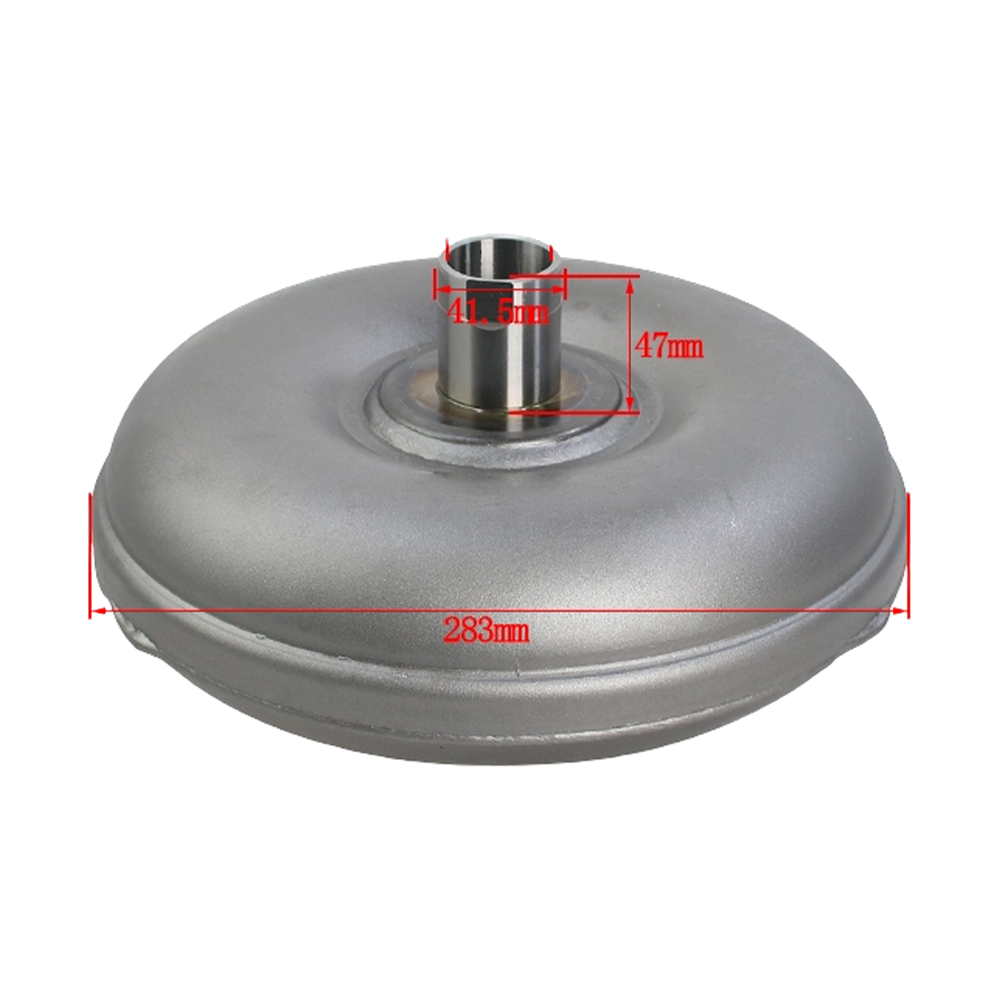
Engineering Principles & Mechanical Breakdown
At the heart of every high-performance heavy-duty powertrain lies the Torque Converter Assembly. Acting as a fluid coupling, it serves as the critical interface between the engine and the transmission, allowing the engine to rotate independently of the transmission at low speeds—a necessity for industrial equipment like forklifts and heavy excavators.
The efficiency of this power transfer is dictated by the precise interaction of four primary components: the impeller (pump), the turbine, the stator, and the lock-up clutch. In our 20 years of experience within the material handling sector, Shanghai HanDavos International Trading Co., Ltd. has observed that the reliability of a machine often hinges on the fluid dynamics managed by these internal elements. When the engine drives the impeller, it accelerates transmission fluid outward; this fluid then strikes the turbine blades, transferring kinetic energy to the transmission input shaft. The stator, situated between them, redirects the returning fluid to enhance torque multiplication, which is vital during the initial acceleration phase under heavy loads.
To ensure this process remains efficient, advanced thermal management is essential. Continuous heavy-duty operation generates significant friction and heat within the housing. At Shanghai HanDavos International Trading Co., Ltd., we emphasize that a robust Torque Converter Assembly must be engineered with high-capacity heat dissipation characteristics to prevent fluid breakdown. Without proper cooling, the internal seals can harden, leading to pressure losses that diminish the operational capacity of material handling equipment.
Manufacturing Standards & Industrial Specifications
The durability of a Torque Converter Assembly is not merely a result of its design but a reflection of the manufacturing environment. Precision is the cornerstone of our internal quality protocols at Shanghai HanDavos International Trading Co., Ltd., where we utilize advanced dynamic balancing to minimize vibrations that could otherwise lead to premature fatigue in the transmission housing.
Quality construction involves a combination of high-strength steel stampings for the housing and precision-cast aluminum for internal components. For heavy-duty industrial applications, the stator is typically composed of hardened alloy steel to withstand the immense pressures of stall conditions. Below is a comparison table outlining the standard specifications maintained in our industrial-grade assemblies compared to lower-standard alternatives:
| Feature | Standard Industrial Grade | Inferior Alternative |
| Housing Material | High-Strength Reinforced Steel | Standard Thin-Gauge Steel |
| Balancing Protocol | Multi-point Dynamic Balancing | Static Balance Only |
| Stator Construction | Hardened Alloy Steel | Cast Aluminum Alloy |
| Seal Integrity | High-Temp Viton/Fluoroelastomer | Standard Nitrile Rubber |
| Wear Resistance | Specialized Surface Hardening | Minimal Coating |
These specifications ensure that units provided by Shanghai HanDavos International Trading Co., Ltd. maintain their structural integrity even when subjected to the extreme duty cycles found in daily material handling environments. Surface treatments, such as nitrocarburizing, are also applied to enhance wear resistance, extending the operational lifespan of the assembly in dusty or high-moisture conditions.
Applications Across Heavy Industries
The versatility of the Torque Converter Assembly allows it to power a wide spectrum of industrial machinery. From the maneuverability of modern forklifts—a sector where Shanghai HanDavos International Trading Co., Ltd. has developed extensive expertise—to the brute force of wheel loaders and dozers, the assembly must be tailored to the machine's duty cycle.
In material handling, the ability of the converter to provide smooth, immediate torque is essential for precision lifting and stacking. When integrated into heavy-duty transmissions, the assembly effectively bridges the gap between raw diesel power and the need for controlled, low-speed movement. Our technical team at Shanghai HanDavos International Trading Co., Ltd. frequently collaborates with facility managers to ensure the assembly selected aligns with the torque curve of the engine, ensuring that machines achieve optimal fuel economy without sacrificing lifting capacity. By maintaining a massive inventory of standardized components in our 20,000-square-meter warehouse, we ensure that equipment across diverse industrial scenarios remains operational and efficient.
Technical Specifications & Performance Parameters
Evaluating the technical viability of a Torque Converter Assembly requires a deep dive into its core performance metrics. When integrating these assemblies into heavy-duty equipment, engineers and technicians look closely at variables such as the stall torque ratio, efficiency curves, and input speed limits. These parameters dictate how effectively engine power is converted into hydraulic and mechanical output under varying loads.
At Shanghai HanDavos International Trading Co., Ltd., our technical support team frequently analyzes these metrics to match units with specific transmission setups. Below is a detailed parameter comparison highlighting the performance thresholds of our standard industrial-grade assemblies against conventional market variants:
| Performance Parameter | Industrial-Grade Assembly | Standard Market Variant |
| Maximum Input Speed (RPM) | Up to 3,000 RPM | 2,200 - 2,500 RPM |
| Stall Torque Ratio | 2.5:1 to 3.2:1 (Customizable) | 2.0:1 (Fixed) |
| Peak Efficiency Rating | 88% - 92% | 80% - 85% |
| Operating Temperature Tolerance | -30°C to 120°C | -20°C to 90°C |
| Fluid Compatibility | Heavy-Duty ATF & TO-4 Oils | Standard Hydraulic Fluids |
Understanding these figures is essential for maintaining optimal equipment performance. A higher stall torque ratio, for instance, allows machinery to generate greater initial breakout force from a complete standstill—a critical advantage for heavy material handling equipment operating on inclined surfaces or managing dense loads.
Through our comprehensive pre-sales consultation and technical guidance, specialists at Shanghai HanDavos International Trading Co., Ltd. help technical teams interpret these dynamic curves. By ensuring precise alignment between the engine's output characteristics and the torque converter's hydraulic capacity, operations can avoid excessive heat generation, reduce mechanical wear, and maximize overall fuel efficiency across demanding industrial duty cycles.
Strategic Sourcing: Quality Assurance and Engineering Integration
Securing reliable powertrain components requires a rigorous approach to quality control and technical evaluation. When reviewing technical data sheets for a Torque Converter Assembly, engineering teams must evaluate critical metrics such as efficiency curves, stall torque ratios, and maximum input speed thresholds to ensure seamless compatibility with existing drivetrain systems.
At Shanghai HanDavos International Trading Co., Ltd., decades of experience in the material handling equipment sector have shown that component longevity is directly tied to uncompromising manufacturing standards. To minimize operational downtime and reduce lifecycle costs, industrial facilities rely on components that undergo strict non-destructive testing (NDT) and dynamic load testing prior to deployment.
The distinction between standard commercial units and premium engineered solutions is reflected in both testing protocols and material integrity. Below is a breakdown of the quality assurance and customization benchmarks maintained to support complex machinery requirements:
| Evaluation Criteria | Standard Commercial Unit | Premium Engineered Assembly |
| Quality Verification | Basic Visual & Dimensional Check | Full NDT, Dynamic Balancing, & Pressure Testing |
| Customization Flexibility | Fixed Spline Counts & Standard Speeds | Tailored Stall Speeds, Custom Bolt Patterns & Splines |
| Material Certification | Generic Mill Sheets | Traceable Material Test Certificates (MTC) |
| Technical Support Scope | Limited Documentation | Comprehensive Pre-Sales Consultation & Guidance |
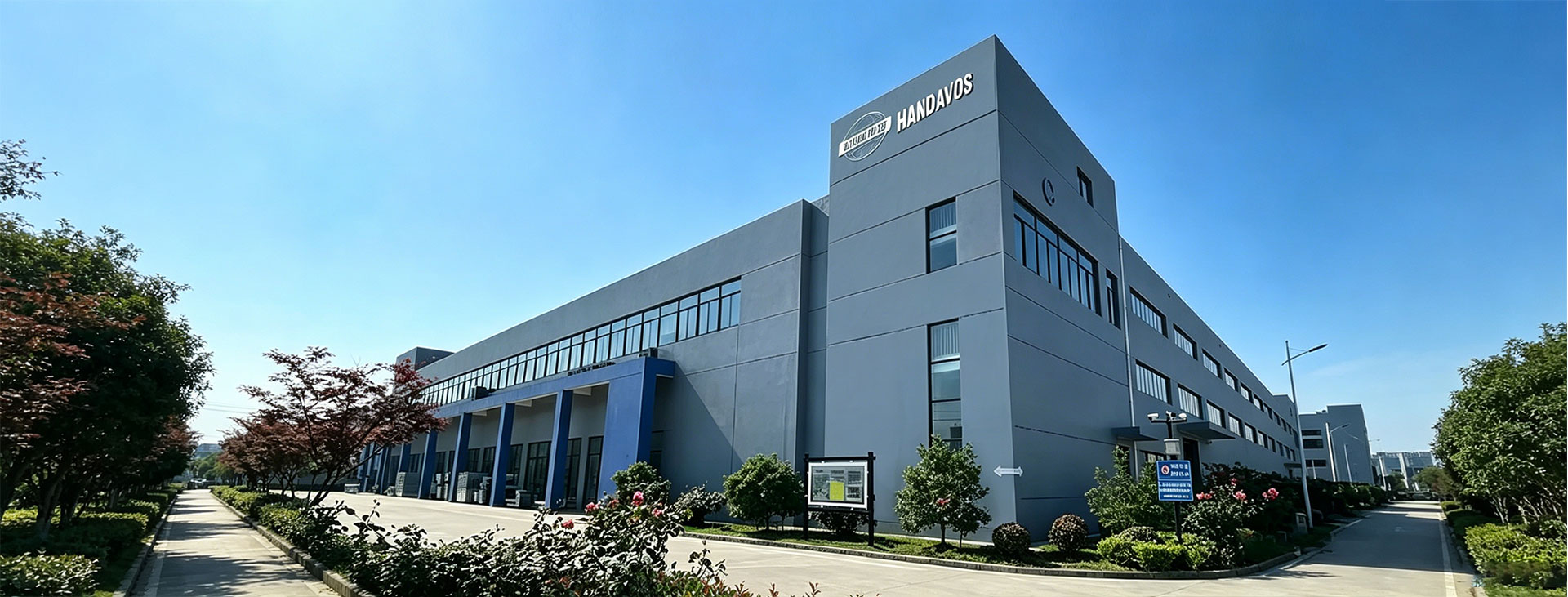
Beyond standard off-the-shelf availability, seamless integration often requires custom engineering support. Operating out of a massive 20,000-square-meter standardized warehousing facility in Kunshan City, Shanghai HanDavos International Trading Co., Ltd. maintains a comprehensive inventory that allows for rapid order fulfillment and flexible adaptation. Whether adjusting spline configurations to match specialized transmissions or tailoring stall speeds for heavy lifting applications, our experienced technical engineers work closely with maintenance teams to deliver precise custom solutions. This end-to-end integration capability ensures that every component performs reliably under intense industrial workloads.
Maintenance, Troubleshooting, and Replacement Protocols
Even the most robustly engineered powertrain components require structured oversight to ensure maximum operational uptime. Identifying early indicators of mechanical or fluid degradation is essential for preventing catastrophic transmission failures in heavy machinery. Common signs of wear include sudden transmission slippage, unexplained increases in operating temperature, unusual cavitation noises, or dark, contaminated transmission fluid.
At Shanghai HanDavos International Trading Co., Ltd., our after-risk and technical support specialists frequently assist maintenance teams in diagnosing these symptoms before they escalate. Proper preventive maintenance remains the most effective defense against premature component failure. Maintaining strict adherence to recommended fluid change intervals and utilizing advanced filtration systems helps keep the Torque Converter Assembly free of micro-debris that can score internal valve bodies and damage sensitive seals.
When component wear reaches a critical threshold, executing a safe and efficient replacement protocol is vital. Below is a comparative overview outlining best practices for routine servicing versus an improper maintenance approach:
| Maintenance Aspect | Recommended Professional Protocol | Improper or Neglected Approach |
| Fluid Change Interval | Strict adherence to operating hours (e.g., every 1,000–2,000 hours) | Running fluid until complete breakdown or burning occurs |
| Flush Procedures | Complete system flush to remove trapped metallic particles | Draining the converter only without clearing cooler lines |
| Inspection Standards | Precise measurement of end-play, spline wear, and housing runout | Visual inspection only, ignoring internal turbine hub wear |
| Replacement Parts | OEM-spec matched components backed by traceable material records | Utilizing unverified aftermarket parts with loose tolerances |
Executing a major overhaul requires meticulous attention to detail, from safely removing the transmission and draining the housing to inspecting the pilot bearing and engine flywheel flexplate for cracks. Shanghai HanDavos International Trading Co., Ltd. leverages over 20 years of expertise in the material handling sector to provide comprehensive technical guidance through every step of this process. By combining a massive inventory of standardized replacement parts with experienced technical engineers ready to troubleshoot complex field issues, operations can significantly reduce machine downtime and restore peak powertrain efficiency.
Frequently Asked Questions (FAQ)
What is the typical operating lifespan of an industrial-grade Torque Converter Assembly under continuous high-load cycles?
Under normal operating conditions with rigorous adherence to preventive maintenance and fluid filtration standards, a high-quality unit typically delivers between 10,000 to 15,000 operating hours before requiring a major overhaul. However, lifespan is heavily influenced by thermal management and duty cycles. At Shanghai HanDavos International Trading Co., Ltd., our technical support team notes that units operating in extreme material handling environments with frequent high-torque engagements require careful monitoring of transmission oil temperatures to prevent premature seal degradation and fluid breakdown.
How do engineers determine the correct stall torque ratio for custom off-highway machinery?
Determining the appropriate stall torque ratio requires evaluating the engine's power curve against the operational demands of the machine, such as maximum weight capacity, incline navigation, and acceleration requirements. A higher ratio provides greater breakout torque from a standstill, which is ideal for heavy lifting applications, whereas a lower ratio favors top-end efficiency during transit. Leveraging over 20 years of expertise in the material handling sector, experienced engineers at Shanghai HanDavos International Trading Co., Ltd. assist maintenance and technical teams in analyzing these performance thresholds to ensure seamless compatibility with specialized transmission setups.
What are the standard lead times for manufacturing high-specification units tailored to specific equipment designs?
Lead times vary depending on whether the requirement calls for off-the-shelf fulfillment or custom mechanical modifications. Operating out of a massive 20,000-square-meter standardized warehousing facility in Kunshan City, Shanghai HanDavos International Trading Co., Ltd. maintains a comprehensive inventory of standard assemblies and components, enabling rapid order turnaround. For fully customized configurations involving unique spline counts, bolt patterns, or specialized stall speeds, production and dynamic balancing typically require standard industrial processing windows, supported closely by our dedicated supply chain and logistics specialists.
What specific quality inspection reports and material test certificates are provided to verify the integrity of the unit prior to shipment?
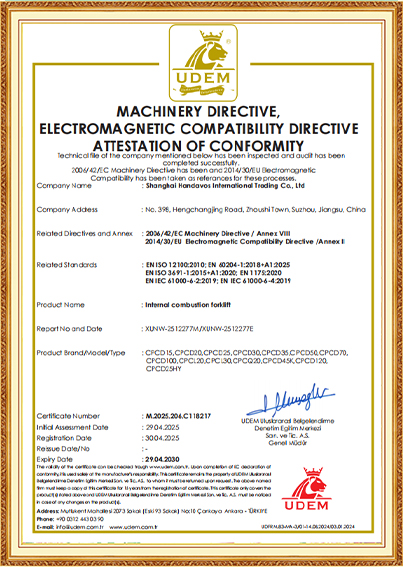
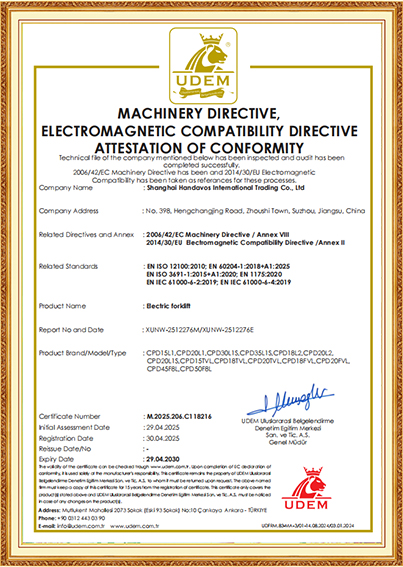
Ensuring absolute reliability before deployment requires comprehensive verification documentation. Every industrial-grade assembly undergoes strict quality control checks, including dynamic balancing logs, pressure testing verifications, and non-destructive testing (NDT) reports where specified. Shanghai HanDavos International Trading Co., Ltd. provides fully traceable material test certificates (MTC) and inspection documentation with our shipments, giving operational teams complete confidence in the metallurgical integrity and mechanical balance of the unit before it is integrated into heavy-duty powertrains.
