


 English
 中文简体
中文简体 русский
 Español
 عربى
عربى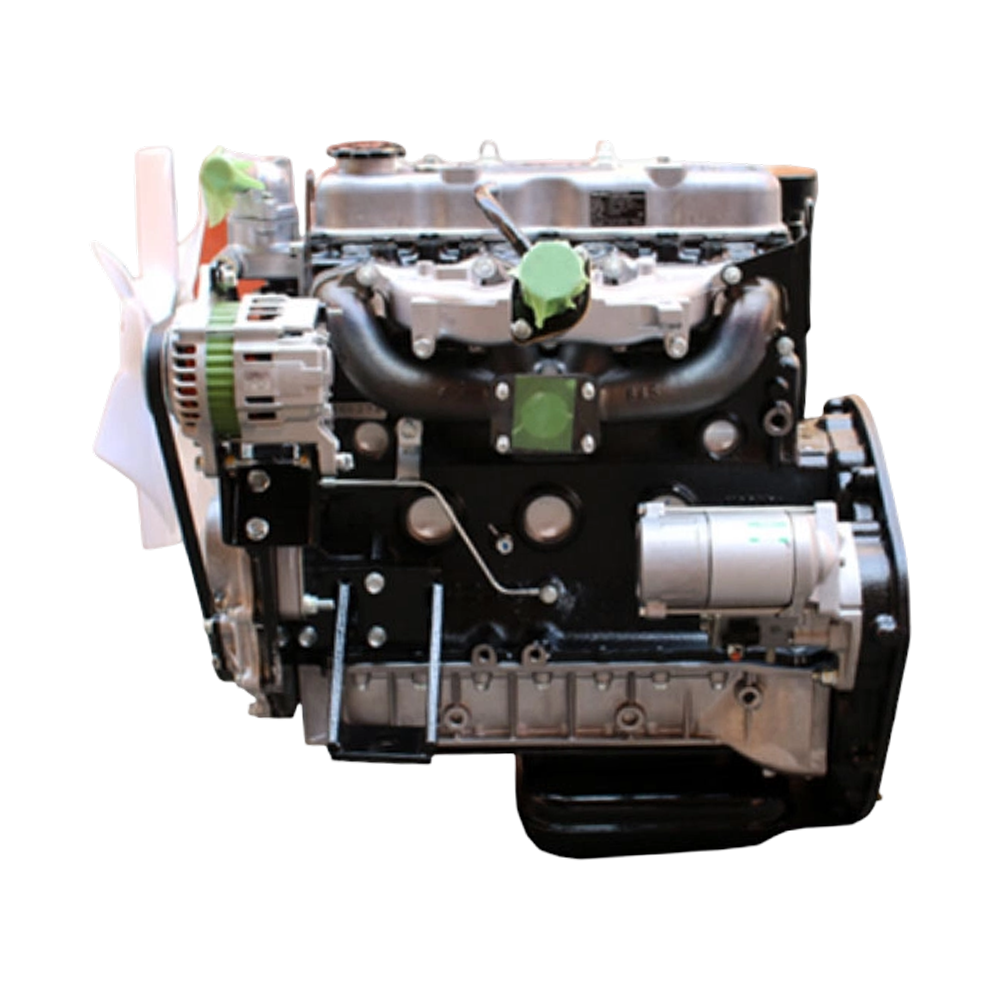
The Critical Role of Forklift Engine Assembly in Heavy-Duty Material Handling Operations
In the demanding environment of modern logistics and industrial manufacturing, the efficiency of an entire operation hinges on the reliability of its material handling fleet. At the heart of every internal combustion forklift lies the engine assembly—a complex, integrated powerhouse designed to convert fuel into the high-torque output necessary for lifting, transporting, and stacking heavy loads. Ensuring that this component operates at peak performance is not merely a matter of maintenance; it is the fundamental requirement for sustained warehouse productivity and equipment longevity.
A high-performance Forklift Engine Assembly serves as the primary driver of operational uptime. When an engine is engineered with precision, it translates into faster lift speeds, smoother acceleration under heavy loads, and significant improvements in fuel efficiency. For facilities operating across multiple shifts, the ability of an engine to withstand continuous thermal cycles and mechanical stress is paramount. This is where the depth of technical expertise becomes critical. Drawing upon over 20 years of experience in the material handling equipment industry, Shanghai HanDavos International Trading Co., Ltd. understands that a forklift’s endurance is defined by the integrity of its core power system. Whether managing a fleet in a busy distribution hub or an intensive manufacturing plant, the stability of the engine assembly dictates the rhythm of the entire workflow.
The intersection of high torque, durability, and emission compliance is where modern industrial engines excel. High-output assemblies are designed to provide consistent power across varying load capacities, ensuring that operators can maintain safe and steady control regardless of whether the forklift is maneuvering in tight aisles or tackling heavy-duty outdoor terrain. At Shanghai HanDavos International Trading Co., Ltd., we emphasize that the selection and integration of these power units must be aligned with the specific duty cycles of the site. By utilizing our extensive inventory—backed by our 20,000 square meters of modern standardized warehouse space in Kunshan—we ensure that the power solutions provided match the high-stress demands of our global partners, effectively minimizing downtime and maximizing the return on operational assets.
Core Structural and Mechanical Components of a Modern Forklift Engine Assembly
A modern Forklift Engine Assembly is a masterclass in industrial engineering, comprising a tightly integrated architecture that must perform reliably under extreme loads. Every internal component is calibrated to withstand significant stress, ensuring that the machine remains operational even in the most intensive work environments.
Cylinder Block and Crankcase: The foundation of the assembly, typically cast from high-grade alloy iron or specialized aluminum to balance weight and structural rigidity. This architecture is designed to dissipate heat efficiently while maintaining precision tolerances for the moving parts within.
Valve Train and Camshaft: These components govern the timing of air intake and exhaust. In high-torque industrial engines, the valve train is reinforced to prevent deformation during continuous, high-RPM operation, ensuring that power delivery remains fluid and responsive.
Pistons and Connecting Rods: As the primary interface between combustion and motion, these parts are subjected to immense pressure. Modern assemblies utilize lightweight, high-strength materials that reduce inertia, allowing the engine to react quickly to operator inputs during lifting sequences.
Electronic Control Units (ECUs) and Fuel Systems: Contemporary engines rely on sophisticated ECUs to monitor real-time data, optimizing the fuel-to-air ratio for every stroke. This precise calibration not only maximizes output but also ensures that the forklift meets current environmental standards regarding emissions and fuel economy.
The complexity of these internal systems is why technical precision is non-negotiable. At Shanghai HanDavos International Trading Co., Ltd., our technical engineers frequently assess the interplay between these components when providing guidance on equipment upgrades. Our team, which provides comprehensive technical support and consultation, recognizes that even a minor discrepancy in the timing or fuel delivery system can lead to substantial drops in efficiency. By maintaining a deep stock of high-quality engine components and complete units, Shanghai HanDavos International Trading Co., Ltd. ensures that every technical issue can be addressed with an exact-match replacement, preserving the original performance characteristics of the machine.
Manufacturing Standards, Materials, and Precision Engineering Processes
The endurance of a Forklift Engine Assembly is directly tied to the rigors of its manufacturing process. In a professional setting, there is no margin for error when it comes to the casting and assembly of engine blocks. High-grade alloy iron is the industry standard for these components, chosen specifically for its ability to resist thermal fatigue—the repeated expansion and contraction that occurs during heavy lifting cycles.
Manufacturing facilities employ advanced CNC (Computer Numerical Control) machining to achieve tolerances measured in microns. This precision ensures that pistons, rings, and cylinder walls create a near-perfect seal, which is critical for maintaining compression and preventing power loss. Furthermore, the application of specialized surface treatments, such as hardened cylinder liners and heat-resistant coatings, serves as an additional defense against the mechanical wear inherent in high-duty-cycle operations.
Shanghai HanDavos International Trading Co., Ltd. views these manufacturing standards as the baseline for quality. Our long-term involvement in the industry has allowed us to establish rigorous quality control protocols. When we support clients with equipment needs, we ensure that the components and assemblies provided meet stringent OEM specifications. Because we operate as a powerful integrated enterprise group, we have the capacity to verify that every engine unit passing through our Kunshan facilities adheres to the highest level of mechanical consistency. This dedication to precision-engineered parts ensures that the equipment remains robust, regardless of the intensity of the work environment.
Selecting the Right Forklift Engine Assembly for Specific Industrial Applications
Matching Engine Specifications with Heavy-Duty Material Handling Equipment
Selecting the appropriate power unit for a material handling fleet requires a meticulous evaluation of mechanical metrics, structural clearances, and power transmission dynamics. A mismatch between the power plant and the chassis can lead to premature drivetrain wear, hydraulic inefficiencies, and excessive fuel consumption.
When configuring a replacement unit or specifying equipment for intensive warehouse tasks, technical parameters must be cross-referenced against the intended operating profile. Below is a standard technical reference matrix illustrating how various engine displacements align with lifting capacities and operational environments:
| Engine Displacement / Type | Rated Horsepower (HP) | Peak Torque (Nm @ RPM) | Primary Application / Lift Capacity | Recommended Operating Environment |
| 2.2L - 2.5L (LPG / Gasoline) | 50 - 60 HP | 145 - 165 Nm @ 1600 RPM | 1.5 - 2.5 Ton Forklifts | Indoor warehousing, distribution centers, and enclosed logistics hubs. |
| 3.0L - 3.4L (Diesel) | 65 - 75 HP | 220 - 250 Nm @ 1500 RPM | 3.0 - 4.5 Ton Forklifts | Mixed indoor/outdoor yards, manufacturing plants, and general shipping docks. |
| 4.0L - 4.5L (Heavy-Duty Diesel) | 90 - 110 HP | 320 - 380 Nm @ 1400 RPM | 5.0 - 10.0 Ton Heavy Lifters | Heavy manufacturing, steel yards, container ports, and lumber yards. |
Integrating these specifications accurately demands deep industry insight. Drawing upon over two decades of technical expertise in the material handling equipment sector, Shanghai HanDavos International Trading Co., Ltd. assists clients in navigating these precise configurations. Because fleet managers face distinct load profiles, having access to comprehensive equipment data ensures that every power unit matches the exact structural mounts and hydraulic demands of the chassis.
Comparing Internal Combustion Options (Diesel, LPG, and Gasoline)
Choosing the correct fuel chemistry is just as vital as evaluating engine displacement. Each internal combustion option offers distinct operational trade-offs regarding thermal efficiency, maintenance intervals, and regulatory compliance.
Diesel Engines: Renowned for exceptional low-end torque and high thermal efficiency, diesel power plants dominate heavy-duty applications exceeding 3 tons. They excel in sustained, multi-shift outdoor operations where maximum pulling power and durability under heavy loads are mandatory.
LPG (Liquefied Petroleum Gas) Engines: Providing clean-burning characteristics and smooth acceleration, LPG units are the standard choice for facilities that require versatility between indoor and outdoor spaces. They produce fewer particulate emissions than diesel, making them well-suited for enclosed or semi-enclosed warehouses when equipped with proper catalytic mufflers.
Gasoline Engines: While less common in modern heavy-duty fleets due to fuel economy trends, gasoline power plants offer high RPM responsiveness and reliable cold-weather starting in specific regional markets.
Navigating these choices effectively requires more than just catalog specifications; it involves understanding how the power plant interacts with local environmental regulations and fuel availability. Shanghai HanDavos International Trading Co., Ltd. maintains a massive inventory of standardized components and complete systems across more than 20,000 square meters of modern warehouse space in Kunshan. Whether an operation requires a clean-burning LPG setup for a temperature-controlled distribution center or a robust diesel assembly for an outdoor timber yard, our experienced technical engineers provide the pre-sales consultation and guidance needed to make an informed, cost-effective decision.
Evaluating Power Displacement, Emission Compliance, and Cooling Capacities
Beyond basic fuel types, facility managers must scrutinize the finer engineering details that dictate long-term reliability under high-duty-cycle conditions:
Emission Compliance (Tier 4 / Stage V): Modern regulatory frameworks demand strict control over particulate matter and nitrogen oxide emissions. Engine assemblies must incorporate advanced fuel injection pressures and exhaust gas recirculation (EGR) systems without sacrificing the raw torque required for lifting heavy loads.
Cooling System Capacities: Continuous lifting generates substantial thermal energy. High-stress environments require oversized radiators, optimized fan drives, and high-flow water pumps to prevent overheating during prolonged summer operations or multi-shift rotations.
Power Displacement and Torque Curves: An engine's ability to maintain high torque at lower RPMs reduces mechanical strain, lowers fuel burn, and extends the overall lifecycle of the internal components.
Ensuring that these complex variables harmonize within a fleet is a core focus at Shanghai HanDavos International Trading Co., Ltd. Backed by our robust operational strength and a professional team covering technology, marketing, and after-sales support, we bridge the gap between complex equipment requirements and reliable, one-stop procurement. By delivering rigorously tested components and maintaining a diversified stock of replacement parts, Shanghai HanDavos International Trading Co., Ltd. ensures that every industrial partner achieves maximum operational uptime and value.
Preventative Maintenance, Diagnostics, and Lifecycle Extension Strategies
Routine Inspection Schedules for Optimal Engine Health
The longevity and reliability of an industrial power plant are fundamentally tied to the rigor of its preventative maintenance routine. In high-intensity material handling operations, waiting for a component to fail results in costly downtime and disrupted workflows. Implementing a disciplined inspection schedule ensures that minor mechanical variances are addressed long before they escalate into major overhauls.
A structured preventative maintenance protocol relies on clear operational intervals. Below is a standard maintenance tracking matrix designed for heavy-duty internal combustion engines operating under multi-shift conditions:
| Maintenance Interval | Core Inspection Items | Key Operational Actions | Target Outcome |
| Daily / Pre-Shift | Engine oil level, coolant reservoir, air filter restriction indicator, fan belts. | Check fluid viscosities, clear debris from radiator fins, inspect belt tension and surface wear. | Prevent immediate thermal spikes and sudden lubrication failure. |
| 250 Operating Hours | Engine oil, oil filter, fuel water separator, crankcase breather. | Drain old lubricants, replace spin-on filters, drain trapped moisture from fuel systems, inspect hoses. | Maintain clean oil chemistry and prevent premature bearing or cylinder wall wear. |
| 500 Operating Hours | Valve clearance check, fuel injectors, ignition system / glow plugs, cooling system flush. | Adjust valve lash tolerances, test injector spray patterns, verify electrical connections and sensor outputs. | Restore optimal combustion efficiency, power output, and fuel economy. |
| 1000 - 2000 Hours | Comprehensive compression test, turbocharger inspection, emission control components. | Measure cylinder pressure, check turbine shaft play for excessive wear, clean EGR valves and exhaust sensors. | Verify overall structural integrity and prevent unexpected mid-lifecycle engine failure. |
Adhering to these rigorous intervals requires not only disciplined internal management but also a reliable supply chain for replacement consumables and specialized hardware. Leveraging over 20 years of experience in the material handling equipment industry, Shanghai HanDavos International Trading Co., Ltd. provides comprehensive technical support to help fleet operators design and implement effective maintenance protocols. Headquartered in Kunshan with over 20,000 square meters of modern standardized warehouse space, we maintain a massive, diversified stock of premium filters, gaskets, belts, and complete engine components, enabling rapid fulfillment and seamless support for ongoing fleet upkeep.
Identifying Common Wear Indicators, Abnormal Vibrations, and Thermal Anomalies
Early detection of mechanical distress is the most effective strategy for extending equipment lifespans. Internal combustion engines operating under heavy loads emit distinct warning signs when internal components begin to experience abnormal wear. Facility maintenance teams should be trained to recognize specific red flags:
Thermal Anomalies: Unexplained coolant temperature spikes or oil overheating often indicate radiator scaling, water pump degradation, or restricted airflow through the core. Left unaddressed, these thermal stresses lead to warped cylinder heads and cracked blocks.
Abnormal Vibrations and Acoustic Shifts: A sudden increase in low-end knocking or rhythmic ticking usually points to worn connecting rod bearings, piston slap, or incorrect valve clearances. Detecting these frequencies early prevents catastrophic rod failure or valve-to-piston contact.
Exhaust Smoke Discoloration: Blue smoke typically signals oil burning past worn piston rings or valve stem seals; black smoke indicates an overly rich fuel mixture or restricted air intake; white smoke points to coolant leaking into the combustion chambers due to a compromised head gasket.
When these diagnostic indicators appear, minimizing repair turnaround time is critical. Shanghai HanDavos International Trading Co., Ltd. features an experienced team of technical engineers and after-sales specialists dedicated to helping clients interpret these diagnostic clues. Whether troubleshooting a complex electronic control module fault or identifying the exact replacement sub-assembly needed for an overhaul, our technical support framework ensures that operators receive accurate guidance and swift resolutions.
Best Practices for Sourcing Genuine Replacement Parts and Executing Professional Overhauls
When an engine reaches the threshold where a major overhaul or component replacement is necessary, the quality of the replacement parts dictates the success of the repair. Using substandard components can lead to premature re-failure, nullifying the labor investment of the overhaul.
To maximize the return on maintenance expenditures, technical teams should adhere to strict sourcing and installation best practices:
Exact Dimensional Matching: Always cross-reference replacement pistons, liners, and bearings against original equipment manufacturer (OEM) dimensional specifications to maintain proper oil clearances and compression ratios.
Cleanroom Cleanliness: Engine overhauls must be performed in controlled, dust-free environments to prevent microscopic particulate contamination from entering open crankcases or fuel injection lines during reassembly.
Torque-to-Yield Compliance: Cylinder head bolts and main bearing caps must be tightened using calibrated torque wrenches and angle meters according to exact factory specifications to prevent gasket blowouts and structural distortion.
Supporting these high standards of repair requires a trusted logistics and distribution partner. Shanghai HanDavos International Trading Co., Ltd. operates with a core commitment to quality-oriented and customer-centric service, supplying reliable parts and complete assemblies that meet rigorous industrial standards. By combining our extensive product inventory—spanning diverse internal combustion specifications—with responsive technical guidance, Shanghai HanDavos International Trading Co., Ltd. empowers industrial partners worldwide to restore peak equipment performance, reduce operational overhead, and achieve maximum long-term value from their material handling fleets.
Frequently Asked Questions (FAQ) and Technical Insights
What are the primary performance indicators to evaluate when replacing a Forklift Engine Assembly unit?
When evaluating a replacement power plant for heavy-duty material handling equipment, facility managers and technical supervisors must look beyond basic horsepower ratings. The decision-making process requires analyzing several critical performance metrics to ensure seamless integration with the existing chassis and hydraulic systems.
To assist technical teams in assessing replacement options, the following comparison outlines the core performance indicators and their operational impact:
| Performance Indicator | Key Measurement Metric | Operational Impact & Importance |
| Torque Rise & Curve | Newton-meters (Nm) at low RPM (e.g., 1400 - 1600 RPM) | Determines the engine's ability to lift heavy loads from a standstill without stalling or requiring excessive throttle. |
| Fuel Specific Consumption | Grams per kilowatt-hour (g/kWh) | Directly dictates operational running costs and fuel efficiency during continuous multi-shift cycles. |
| Thermal Dissipation Rate | BTU/hr or Kilowatts of heat rejection | Measures the cooling system's capacity to prevent overheating during prolonged, high-load material handling operations. |
| Emission Certification | Tier 4 Final, Stage V, or regional equivalents | Ensures compliance with indoor air quality standards and environmental regulations governing industrial workplaces. |
Navigating these technical specifications can be complex, particularly when matching replacement parts to specialized or mixed fleets. Drawing upon more than 20 years of accumulated industry experience, Shanghai HanDavos International Trading Co., Ltd. provides comprehensive pre-sales consultation to help operators evaluate these exact parameters. By leveraging our deep technical insight, maintenance teams can identify the precise power configuration required for their specific operating environment, eliminating compatibility issues and reducing installation downtime.
How do emission standards impact the operational efficiency of modern industrial engines?
The implementation of stringent environmental regulations, such as Tier 4 and Stage V standards, has fundamentally transformed the architecture of industrial power units. While older models relied purely on mechanical fuel injection, modern assemblies incorporate sophisticated electronic management systems, high-pressure common-rail (HPCR) fuel delivery, and exhaust after-treatment technologies like diesel particulate filters (DPF) and exhaust gas recirculation (EGR).
These advancements dramatically reduce particulate matter and nitrogen oxide emissions, creating a safer atmosphere for operators working in semi-enclosed warehouses or distribution centers. However, they also place new demands on maintenance routines. Modern emission-compliant engines require ultra-clean fuel supplies and precise sensor maintenance to prevent premature clogging of emission control components.
Recognizing these operational shifts is essential for long-term fleet management. Based in Kunshan City with over 20,000 square meters of modern standardized warehouse space, Shanghai HanDavos International Trading Co., Ltd. stocks a massive inventory of genuine replacement parts, filtration systems, and emission-compatible components. Our technical support team assists global clients in sourcing the correct maintenance elements, ensuring that emission-controlled power plants continue to operate at maximum efficiency without unexpected interruptions.
What is the typical operational lifespan of a heavy-duty Forklift Engine Assembly under multi-shift conditions?
In high-intensity industrial settings where material handling equipment operates across two or three shifts daily, a well-maintained power unit typically achieves between 10,000 and 15,000 operating hours before requiring a major overhaul. However, this lifespan is not fixed; it is heavily influenced by adherence to preventative maintenance schedules, oil analysis routines, and the quality of replacement components used during servicing.
Key factors that extend operational lifespan include maintaining strict oil change intervals, preventing thermal spikes through radiator upkeep, and utilizing exact-fit replacement parts that meet strict engineering tolerances. When components do experience normal wear, sourcing reliable replacement sub-assemblies is critical to resetting the engine's lifecycle. Shanghai HanDavos International Trading Co., Ltd. is committed to delivering cost-effective products and premium service to create maximum value for every partner. Through our one-stop procurement capabilities and diversified stock of high-durability engine components, we ensure that maintenance teams have rapid access to the exact hardware needed to maximize equipment longevity.
What are the key diagnostic steps for troubleshooting sudden power loss in internal combustion forklifts?
Sudden power loss during lifting or driving operations signals an interruption in the combustion process, fuel supply, or air intake system. Systematic troubleshooting prevents unnecessary parts replacement and minimizes equipment downtime.
Maintenance technicians should follow a structured diagnostic sequence:
Step 1: Check Air Intake and Filtration: Inspect the air filter restriction indicator and intake ducting. A restricted filter starves the cylinders of oxygen, causing black smoke and immediate power reduction under load.
Step 2: Inspect Fuel Delivery and Separation: Examine the fuel lines and water separator. Contaminated fuel or a clogged primary filter restricts fluid flow, preventing the high-pressure pump from maintaining required rail pressure.
Step 3: Verify Compression and Valve Clearance: Perform a cylinder compression test and check valve lash tolerances. Low compression points to worn piston rings, scored cylinder walls, or leaking valves.
Step 4: Scan Electronic Control Module (ECM) Fault Codes: Connect diagnostic tools to read active error codes related to rail pressure sensors, throttle position sensors, or turbocharger boost pressure.
When complex diagnostic challenges arise, having an experienced technical partner makes a tangible difference. Shanghai HanDavos International Trading Co., Ltd. features a professional full-service team covering technology, marketing, and after-sales support. Our experienced technical engineers provide timely guidance to help clients pinpoint mechanical and electronic faults swiftly, ensuring that every industrial partner maintains a reliable, highly productive material handling operation.
