2026-11-17
Content
For most two-shift and three-shift warehouse operations, lithium-ion is the better forklift battery choice because it removes the long charge-and-cool cycle, needs no watering, and holds usable capacity better under opportunity charging. For a single-shift operation with low annual hours, an existing lead-acid charging room, and a tight equipment budget, lead-acid remains a practical and proven option.
The decision is not really a chemistry contest. It is a fit test between the battery, the truck, the charging window, the building, and the labor available to keep the fleet running. A battery that saves money on the invoice but forces a second battery purchase, a larger charging room, or an extra maintenance shift is not a saving.
Lithium-ion usually wins when
Lead-acid usually wins when
The fastest way to settle the question is to calculate the hours a truck is available for work, not the hours it is owned. A 3-ton electric counterbalance truck on a two-shift schedule may lose more value from an eight-hour charge and eight-hour cooling cycle than the battery price difference suggests. That is why lithium-ion often looks more expensive on the quote but cheaper in the operating calendar.
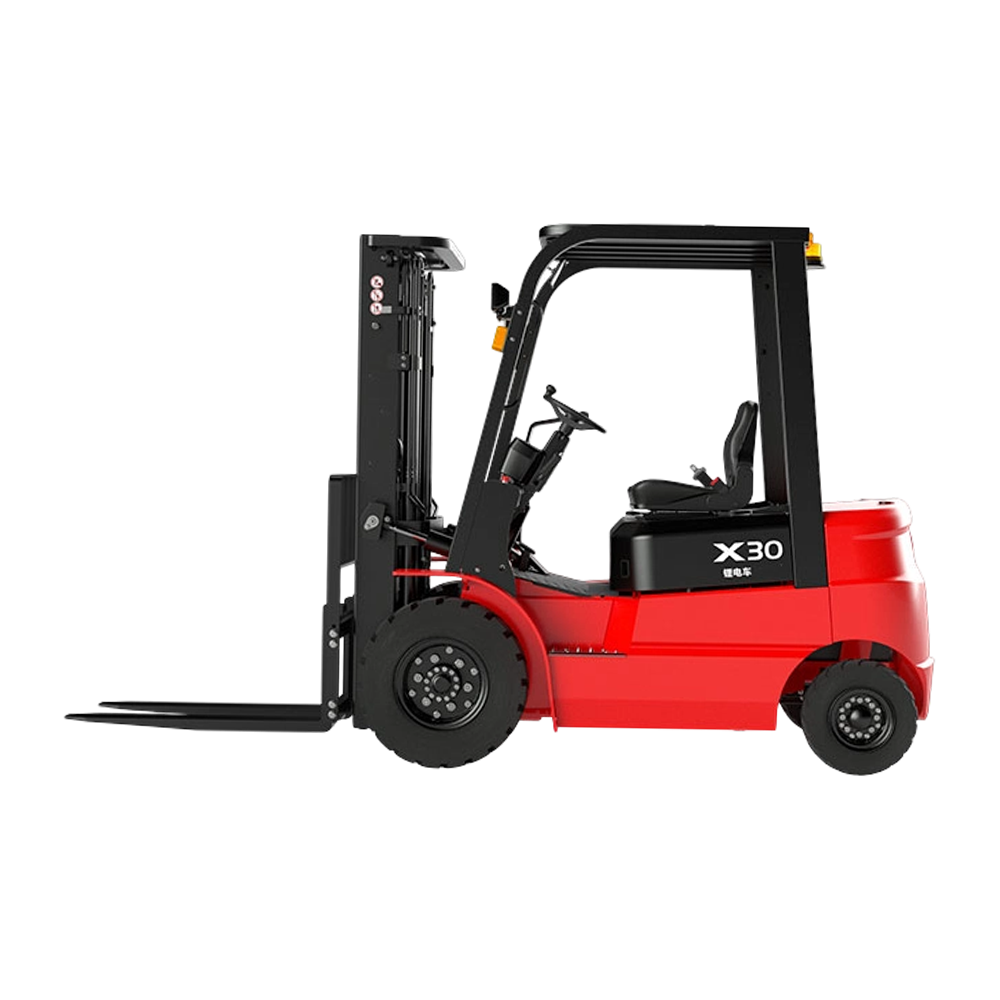
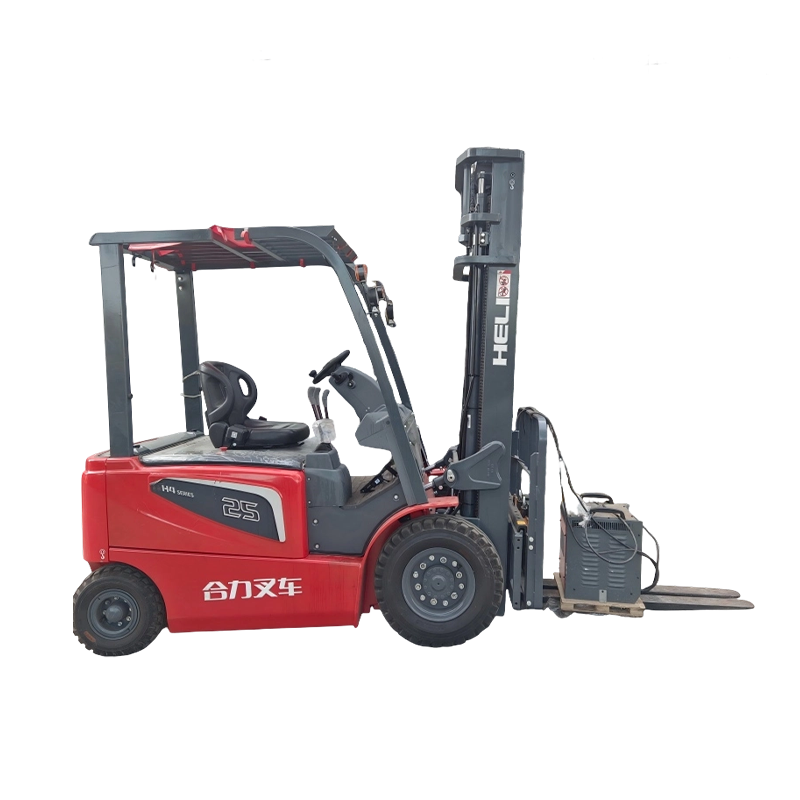
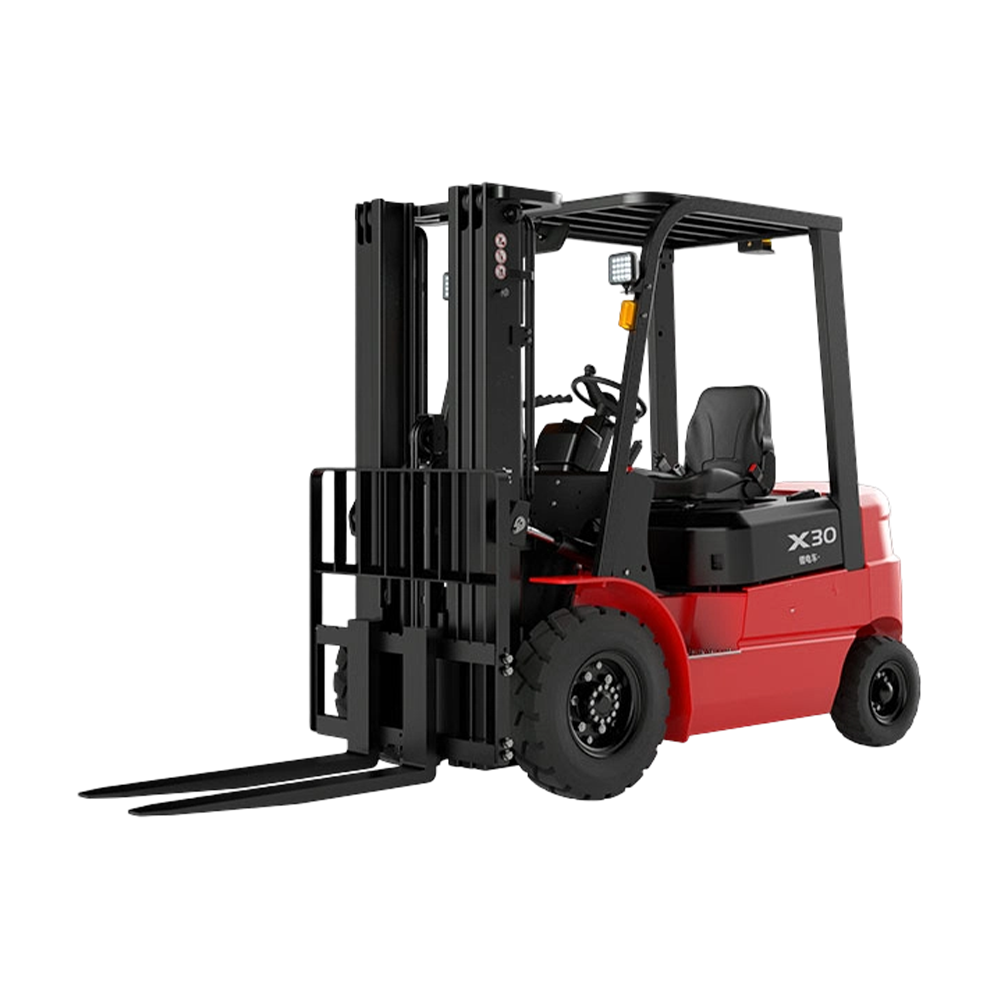 3.2 Ton Lithium Battery Electric ForkliftSeated counterbalance truck with quick-swap lithium battery and 3,000/3,200 kg load options, suited to multi-shift material handling where charging downtime matters.View Product →
A lead-acid forklift battery is a mature, heavy, flooded design. It uses lead plates and sulfuric acid, is commonly supplied in 24 V, 36 V, 48 V, 72 V, and 80 V configurations, and acts as a counterweight in many counterbalance trucks. Its purchase price is lower, but its usable capacity is usually limited to a portion of the rated amp-hour figure, and its charging profile requires a long finish charge and cooling period.
A lithium-ion forklift battery, most often using lithium iron phosphate cells in industrial trucks, pairs the cells with a battery management system. The BMS controls cell balancing, temperature, current limits, and charger communication. Lithium packs are lighter and more energy-dense, accept opportunity charging, and do not need watering. The trade-off is a higher initial price, charger compatibility checks, and a more careful engineering review when replacing a lead-acid pack in an existing truck.
| Battery property | Lead-acid | Lithium-ion |
|---|---|---|
| Gravimetric energy density | About 30–50 Wh/kg | About 100–265 Wh/kg |
| Volumetric energy density | Lower; large steel tray and plates | About 250–300 Wh/L in many industrial packs |
| Usable depth of discharge | Often 50–80% to protect cycle life | Often 80–95% with BMS limits |
| Typical cycle life | About 1,200–1,500 cycles in normal care | About 2,000–4,000 cycles depending on depth and temperature |
| Charging efficiency | Roughly 70–85% | Roughly 90–95% |
| Routine maintenance | Watering, cleaning, terminal checks, equalizing | No watering; BMS and charger checks |
| Charging pattern | Full charge plus cooling before reuse | Opportunity and fast charging within limits |
| Weight role | Often part of the counterweight | Lighter; may require approved ballast or factory configuration |
| Cold-weather behavior | Capacity and charge acceptance fall in low temperatures | Heated cold-store packs are available; charging limits still apply |
Do not compare two batteries by nominal amp-hours alone. Compare usable kilowatt-hours, approved depth of discharge, charger output, temperature limits, and the number of productive hours the truck can deliver between charging windows. A lead-acid pack rated at a higher amp-hour figure may deliver less usable energy than a smaller lithium pack because of depth-of-discharge limits and voltage sag under load.
Lead-acid charging is a scheduled event. A conventional charge may take six to eight hours, followed by a cooling period before the battery is ready for another heavy discharge. In a two-shift operation, that usually means two batteries per truck, a battery transfer cart, a change area, and a charging room with ventilation, acid-resistant flooring, and eyewash provision. The second battery is not optional if the truck must run through both shifts.
Lithium-ion charging is more flexible. A lithium truck can often take a partial charge during a lunch break, a shift change, or a short idle window, then return to work. The battery does not need an eight-hour cooling period, and there is no watering routine. The limiting factors are charger size, connector compatibility, site power capacity, and the BMS-approved charge curve. Fast charging is useful, but it still has limits and should be specified by the battery supplier rather than assumed.
Site power is the hidden constraint. Replacing lead-acid with lithium can reduce total energy losses, but a high-rate charger may still draw a large current for a short period. Check the available supply, breaker capacity, cable size, charger location, and whether charging will coincide with other peak loads. In an older building, the electrical upgrade can become a larger cost than the battery comparison itself.
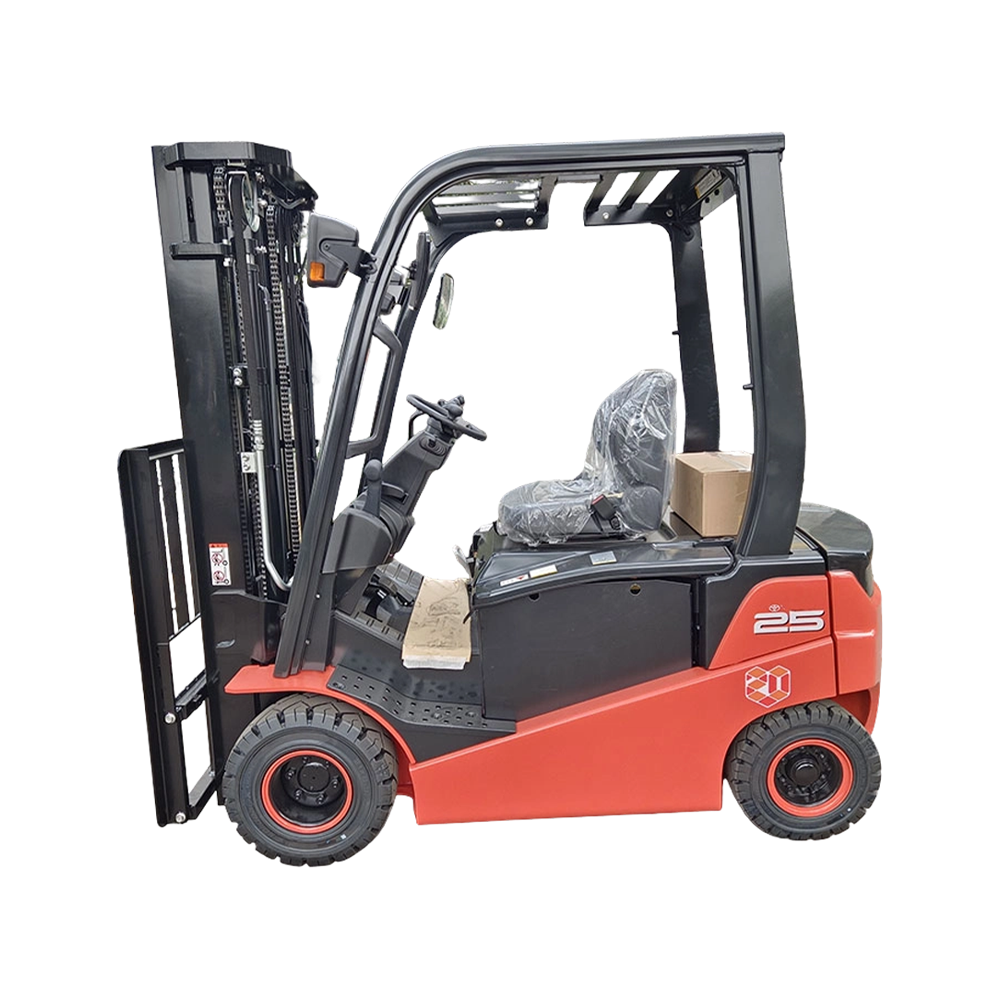
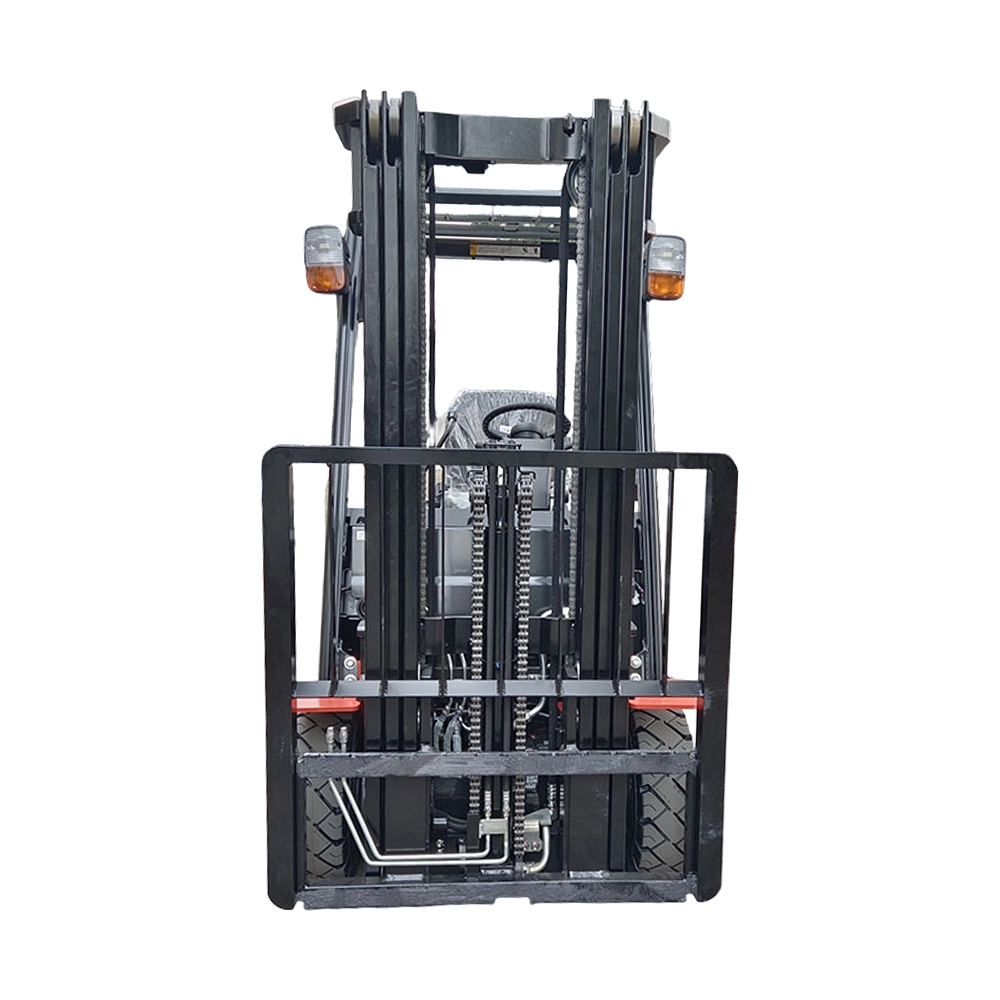 2.5 Ton Lead-Acid Electric ForkliftCustomizable counterbalance truck with 2,500 kg capacity and 48V/565Ah lead-acid battery, relevant when one-shift duty and existing charging space fit.View Product →
A 2.5-ton lead-acid electric forklift can be the lower-cost answer when the truck works one shift and the charging room already exists. If the same truck is expected to cover two shifts without a battery change, the calculation changes quickly. For a broader view of how charger planning affects warehouse decisions, see whether electric forklifts are worth it for a warehouse.
Lead-acid wins the first invoice in most like-for-like comparisons. Lithium-ion wins when the operating pattern uses the battery hard enough to avoid a second pack, reduce watering labor, cut charger losses, and shorten truck downtime. The crossover is rarely a single number. It depends on annual hours, energy price, labor rate, battery life, charger cost, and the cost of lost truck availability.
A useful way to compare is to build a five-year model around one truck rather than around one battery. Include the battery, charger, charging infrastructure, battery changes, watering and cleaning, energy losses, replacement cycles, and downtime. Then test the model against realistic shift patterns. A single-shift operation may never recover a lithium premium. A three-shift operation may recover it well before the first lead-acid battery would have been replaced.
| Cost area | Lead-acid pattern | Lithium-ion pattern | What changes the result |
|---|---|---|---|
| Initial battery price | Usually lower per kilowatt-hour | Usually higher per kilowatt-hour | Voltage, capacity, brand, warranty, and included charger |
| Charger and room | Charging room, ventilation, watering point, possible battery change area | Charger and power supply; often less space and no watering point | Existing infrastructure and electrical capacity |
| Energy losses | Higher losses during charge and equalize | Lower charge losses, but fast charging can affect tariff peaks | Electricity price and charging schedule |
| Routine labor | Watering, cleaning, terminal care, battery changes | Inspection and data review; no watering | Labor rate, number of trucks, maintenance organization |
| Battery replacement | Shorter cycle life under deep discharge | Longer cycle life when kept within BMS limits | Depth of discharge, temperature, charging discipline |
| Downtime | Charge and cooling time, battery swaps, watering breaks | Short top-ups; less planned downtime | Shift structure, truck utilization, backup capacity |
2 batteries
A common lead-acid requirement for two-shift work
1 pack
Often enough for lithium when opportunity charging is planned
8 + 8
Typical charge and cooling window to plan for lead-acid
1–2 h
A practical lithium top-up window, subject to charger and BMS limits
Be careful with payback claims that use a single energy price or ignore the cost of a second lead-acid battery. The honest comparison uses the same annual hours, the same truck availability target, and the same maintenance labor rate for both options. If the lead-acid option needs a battery change every shift, that labor and downtime belongs in the model. If the lithium option needs a higher-capacity charger or a supply upgrade, that cost belongs in the model too.
Cold storage is one of the clearest cases where chemistry affects daily performance. Lead-acid batteries lose usable capacity in low temperatures, charge acceptance falls, and the charging room must be designed so that cold batteries are not charged outside their safe temperature window. A standard lead-acid truck can work in a cold store, but the battery needs to be sized with margin and the charging routine must be managed.
Lithium-ion cold-store packs are built with heating, insulation, and BMS temperature control so that the cells operate within a safe range. That does not make temperature irrelevant. Charging a cold lithium pack at full rate can still be restricted, and condensation during repeated freezer-to-ambient movement needs attention. The advantage is that a properly specified cold-store lithium pack can often hold capacity and accept opportunity charging better than a standard lead-acid pack in the same duty.
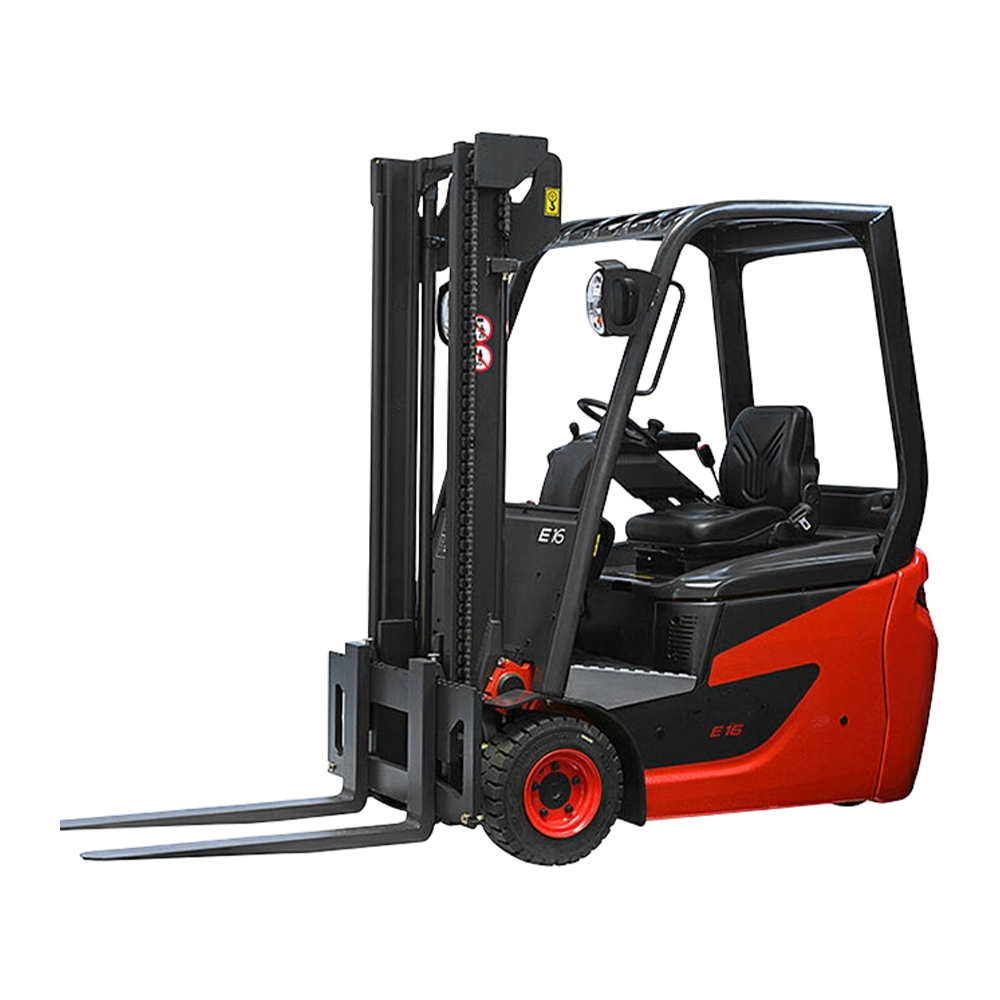
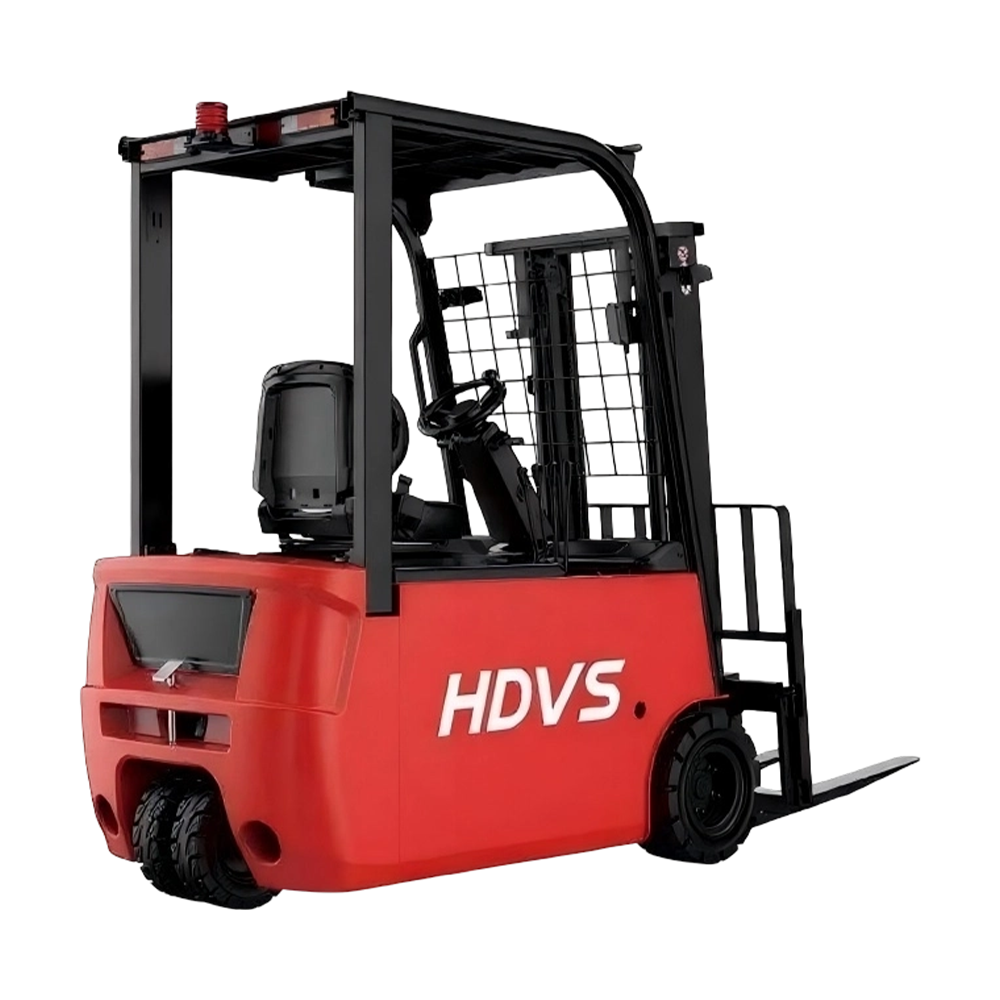 Cold Storage Lithium Battery Electric Forklift1.5–2 tonne seated forklift for down to −40°C cold stores, with cold-resistant components, enclosed guard and optional protective net for narrow-aisle handling.View Product →
Food processing and washdown areas add another layer. The battery enclosure, charger location, and connector must suit the cleaning routine. Water and acid do not mix well, and high-pressure washdown near charging equipment should be avoided unless the equipment is rated for it. Lithium packs need protected enclosures and correct IP ratings for the actual cleaning method, not just a general “wet environment” label.
For cold-chain and freezer operations, the battery decision should be made with the truck specification, the aisle layout, and the charging position in the same review. A battery that performs well at room temperature may need a different configuration at minus 25°C. Use the supplier’s cold-store data, not a standard product sheet, and confirm the heater control, charge limits, and warranty conditions for the target temperature. Related layout questions are covered in warehousing and logistics material handling planning.
Lead-acid safety is well understood but easy to relax in daily operations. Charging can produce hydrogen, so the battery room needs ventilation, no open flames, and correct electrical protection. Acid handling requires gloves, eye protection, eyewash, neutralizer, and a spill procedure. Battery changes add lifting and crush risks, especially when a heavy pack is moved with a transfer cart on a wet floor or in a narrow aisle.
Lithium-ion safety centers on the BMS, charger compatibility, enclosure protection, and thermal management. The BMS should prevent overcharge, over-discharge, overcurrent, and operation outside the approved temperature range. The charger must communicate with the battery, and the connector must be rated for the current. A lithium pack should not be opened, bypassed, or charged with an unapproved charger, even for a short test.
Safety is also a procurement issue. A low-cost lithium pack with limited documentation may lack clear thermal propagation information, charger compatibility data, or a traceable BMS. A low-cost lead-acid pack may have thin plates or poor tray quality that shortens life under deep discharge. Ask for the test data, warranty terms, and service support that match the risk of the application.
Fleet size changes the economics. One truck on one shift is a simple battery purchase. Five trucks on two shifts is a charging system, a battery room, and a labor plan. Ten trucks on three shifts is an energy management problem. Lithium becomes more attractive as the fleet grows because one pack per truck can replace multiple lead-acid packs, the charging area shrinks, and the labor saved on watering and battery changes multiplies.
Battery swapping is not obsolete. For some operations, a lead-acid swap is still the lowest-cost way to keep a truck running because the swap is already organized, the batteries are owned, and the charging room has spare capacity. The question is whether the swap is truly low cost after counting the extra battery, the change cart, the floor space, the operator time, and the risk of connector damage. If the swap happens twice a day on every truck, the hidden cost is larger than it first appears.
Small fleet, one shift
Lead-acid is often the simplest financial fit. Keep the charging routine disciplined and size the battery for the actual load, not the truck’s maximum rating.
Medium fleet, two shifts
Compare one lithium pack per truck against two lead-acid packs plus a change area. Include charger capacity and operator time in both cases.
Large fleet, three shifts
Lithium opportunity charging usually deserves the first engineering review because truck availability and charging space become the limiting factors.
Opportunity charging only works if the charging points are where the trucks already stop. A charger at the back of the warehouse that requires a five-minute drive each way is not opportunity charging; it is a planned interruption. Place charging points at break areas, loading docks, or shift-change lanes, and confirm that the floor space does not block fire exits or pedestrian routes.
A used electric forklift can be a sound purchase when the battery is treated as a separate wear item. On a used lead-acid truck, check battery age, watering history, terminal condition, tray corrosion, and whether the pack has been deep-cycled repeatedly. A battery that charges but heats up or loses capacity after two hours may be near the end of its useful life. The truck may be fine; the battery may not be.
On a used lithium truck, the BMS history matters more than the cosmetic condition. Ask for cycle count, state of health, maximum cell temperature, alarm history, and charger compatibility. A lithium pack with a sealed enclosure can look clean while hiding a weak module or a BMS that has been reset. If the original charger is missing, price the approved replacement before committing to the truck.
Replacing a lead-acid pack with lithium on an existing truck is not a simple battery swap. The lithium pack is usually lighter, so the truck may need approved ballast to keep the counterweight and stability within the manufacturer’s specification. The charger, connector, display, and controller may also need configuration. A conversion that ignores these points can create a stability or warranty problem that costs more than the battery.
Duty cycle is more useful than truck class alone. A reach truck in a high-bay warehouse may lift for only part of the shift but travel constantly. A pallet truck may work at floor level with frequent plug-in opportunities. An order picker may spend hours at low speed with intermittent lifting. Each pattern changes the battery load profile, the acceptable depth of discharge, and the value of opportunity charging.
Narrow aisle and reach trucks
Check battery weight, compartment size, and counterbalance approval. A lighter lithium pack can improve access but may need ballast or a factory-approved configuration.
Pallet trucks and stackers
Frequent short trips favor opportunity charging. Confirm connector access and charger placement at the end of each aisle or at the dispatch lane.
Order pickers
Low-speed, long-duration work can be sensitive to voltage sag. Compare usable capacity and BMS limits, not only the nominal amp-hour rating.
Outdoor yards and docks
Temperature, dust, and rain exposure affect both chemistries. Enclosure ratings and charging shelter matter as much as cycle life.
Warehouse layout also affects the cost of charging. A lead-acid battery room needs a dedicated area with ventilation, drainage, and safe lifting. A lithium charging point can be smaller, but it still needs protection from impact, clear access, and a power supply sized for the charger. In a leased building, the cost and permission for electrical work can tilt the decision toward the option that uses the existing supply.
If the truck works in a freezer, a dusty grain facility, or a washdown food plant, start with the environment and then choose the battery. The standard product sheet is not enough. Ask for the temperature range, IP rating, condensation control, and cleaning instructions in writing, because a battery that is correct for one warehouse may be wrong for the same truck in another building.
A battery quotation should be a system quotation. The battery, charger, connector, cables, display, and commissioning instructions need to match. If any item is left to “standard” or “to be confirmed,” the risk moves to the buyer. The checklist below is deliberately practical: it focuses on the details that decide whether the truck will be available on the second shift, not just whether the battery arrives.
| Item | What to require | Why it matters |
|---|---|---|
| Usable capacity | Rated kWh, approved depth of discharge, and load profile at the actual duty cycle | Nominal amp-hours can overstate the energy available during a shift |
| Voltage and connector | Truck voltage, connector type, current rating, and cable length | Wrong connectors create downtime and heat risk |
| Charger compatibility | Approved charger model, charge curve, communication protocol, and power supply | Lithium packs need controlled charging; lead-acid needs the correct finish profile |
| Weight and ballast | Battery weight, compartment dimensions, and counterweight approval | A lighter pack can change stability and axle load |
| Temperature range | Operating and charging limits for the actual cold-store or outdoor condition | Capacity and charge acceptance fall outside the approved range |
| Safety data | BMS protection limits, ventilation requirements, fire response guidance, and PPE | Operators and maintenance staff need a clear procedure |
| Warranty and service | Cycle-life warranty, exclusions, spare parts availability, and response time | The lowest price is not useful if service is slow or parts are unavailable |
| Commissioning | First charge, capacity test, operator training, and documentation | Many early failures come from incorrect first use or charging |
Ask for the battery data sheet and the charger data sheet together. Then ask which document controls if the two disagree. On a lithium system, the BMS limits should be reflected in the charger settings. On a lead-acid system, the charger profile should match the plate type and the expected depth of discharge. A generic charger with a generic setting is a warranty argument waiting to happen.
Most battery problems are designed into the purchase, not created by the operator. The truck may be correct, the battery may be new, and the charger may be working, but the combination is wrong for the shift pattern. These are the mistakes that appear repeatedly in quotations and site surveys.
A good quotation prevents these mistakes by stating assumptions. It should say how many hours the truck will run, what load it will carry, where it will charge, what temperature it will see, and who will maintain the battery. If the quotation does not state those assumptions, the buyer cannot tell whether the price is low because the scope is small or because the risk has been left out.
No. Lithium-ion is usually better for multi-shift work, opportunity charging, cold-store duty where a heated pack is specified, and operations that want to avoid watering and battery changes. Lead-acid can be better for one-shift, lower-hour operations with an existing charging room and a limited capital budget. The duty cycle and infrastructure decide the answer.
Lead-acid forklift batteries often last around 1,200–1,500 cycles in normal care, while lithium-ion packs commonly reach 2,000–4,000 cycles depending on depth of discharge, temperature, and charging discipline. Calendar age, watering quality, charger settings, and operating temperature can move those numbers significantly. Ask for the warranty cycle count and the test conditions behind it.
Usually not without checking the charger’s profile and communication settings. Lead-acid needs a finish charge and often an equalize stage; lithium needs voltage and current limits controlled by the BMS and charger. Some chargers support multiple profiles, but the connector, cable, and settings must be approved for the specific battery. Do not rely on a generic setting.
A lithium pack designed for cold storage can be safe and effective when it has heater control, temperature monitoring, and BMS limits for charging at low temperature. A standard lithium pack is not automatically a cold-store pack. Confirm the operating range, charge limits, condensation protection, and warranty conditions for the actual freezer temperature.
No. Lithium-ion forklift batteries do not use flooded electrolyte and do not need watering, equalizing, or acid-level checks. They still need inspection for cable damage, connector wear, overheating, BMS alarms, and enclosure condition. Maintenance shifts from watering to data review and electrical checks.
Only after an engineering review. The lithium pack is often lighter, so the truck may need approved ballast to maintain counterweight and stability. The charger, connector, display, and controller may also need changes. Use the truck manufacturer’s approval or a documented engineering solution; do not treat the battery compartment as a simple box.
Lead-acid is often the better financial fit for a single shift with moderate hours, especially when the charging room already exists. Lithium may still make sense if the operation wants to avoid watering, needs better cold-store performance, or plans to expand to a second shift later. Compare the five-year cost, not only the battery price.
Payback depends on how many lead-acid batteries and chargers are avoided, how much watering and battery-change labor is removed, and how much truck availability improves. In a two-shift operation, the case can be strong because one lithium pack may replace two lead-acid packs. In a one-shift operation with low hours, payback may be weak or nonexistent.
Compare usable kWh, approved depth of discharge, cycle-life warranty, charger scope, connector type, commissioning, training, spare parts, and delivery. A lower battery price with an excluded charger or a shorter warranty is not the same offer. Put both quotes into the same shift model and the same maintenance labor rate before deciding.
Mixed fleets often need both chemistries. The mistake is to force one answer across every truck. Use the rules below to separate the fleet by duty rather than by preference.
The best battery is the one that keeps the truck productive within the site’s real constraints. That may be lithium for the high-hour trucks and lead-acid for the low-hour spare trucks. Once the duty cycle, charging window, temperature, and counterweight requirements are written down, the choice becomes an engineering decision rather than a debate about battery labels.
Recommended Products
Recommended NEWS



 English
 中文简体
 русский
 Español
 عربى