2026-09-29
Content
When a warehouse manager starts planning a new reach truck or counterbalance forklift, the first question from a building engineer is often direct: “Is a warehouse forklift considered heavy equipment?” The short answer is yes. In most safety, training, floor-loading, insurance, and buying decisions, a warehouse forklift should be treated as heavy equipment.
The full answer is more useful. A warehouse forklift is not the same as a bulldozer or a mobile crane. It sits in its own regulatory category, requires its own operator qualification, and has its own equipment weight data. Understanding how that classification works helps you choose the right machine, prepare the facility, avoid unnecessary cost, and keep operators safe.
Heavy equipment is not a perfectly fixed legal term. In practice, people use it to describe a machine that is large enough, powerful enough, or hazardous enough to require special handling, planning, and training. A warehouse forklift fits that description even when it is not as large as a mining shovel.
Many warehouse forklifts weigh more than the load they carry. A counterbalance forklift uses its own mass as the counterweight. For example, a 2.5-ton rated forklift can have a total machine weight of roughly 3.5 to 4.5 tons depending on the battery, mast height, tire type, and attachment configuration. That alone places it in the heavier class of equipment found inside a typical warehouse.
The load is lifted, moved, and tilted while the machine travels. A forklift can tip forward, tip sideways, hit racking, strike a pedestrian, or drop its load. Because the risk profile is similar to other heavy equipment, the operator needs more than basic product knowledge. The machine must be inspected, maintained, and used inside documented operating limits.
Most national safety systems do not put a warehouse forklift in the exact same legal basket as a bulldozer. Instead, they classify it as a powered industrial truck. This matters because the operator requirements, maintenance standards, and workplace rules are different from construction equipment. Even so, the practical effect is heavy equipment treatment: trained operators, pre-shift checks, load rating limits, pedestrian controls, and facility load verification.
In the United States, OSHA refers to forklifts as powered industrial trucks under 29 CFR 1910.178. In other regions, comparable standards come from bodies such as ISO, EN, or the local national standard. The common thread is that these standards separate forklifts from highway vehicles, cranes, and earthmoving machines.
ANSI/ITSDF B56.1 is one of the most widely used design and safety standards for low-lift and high-lift trucks. It divides powered industrial trucks into classes based on power source, tire type, and operator position. Warehouse buyers and facility engineers should know these classes because they affect aisle width, floor requirements, training content, and emissions controls.
| Class | Type | Typical warehouse example | Capacity range | Total weight range |
|---|---|---|---|---|
| Class I | Electric motor, rider | Three-wheel and four-wheel electric counterbalance forklifts | 1.5–3.2 tons | 2.5–5.5 tons |
| Class II | Electric motor, narrow aisle | Reach trucks, order pickers, turret trucks | 1.2–2.5 tons | 2.5–4.5 tons |
| Class III | Electric motor, hand or rider | Electric pallet trucks, walkie stackers, tow tractors | 1.5–3.0 tons | 0.4–2.0 tons |
| Class IV | Internal combustion, cushion tires | Cushion-tire diesel or LPG counterbalance forklifts | 2.0–5.0 tons | 3.5–7.0 tons |
| Class V | Internal combustion, pneumatic tires | Pneumatic-tire diesel or LPG forklifts for uneven or outdoor surfaces | 3.0–8.0 tons | 4.5–12.0 tons |
| Class VII | Rough terrain | Rough-terrain forklifts used on construction or agricultural sites | 3.0–5.0 tons | 5.0–9.0 tons |
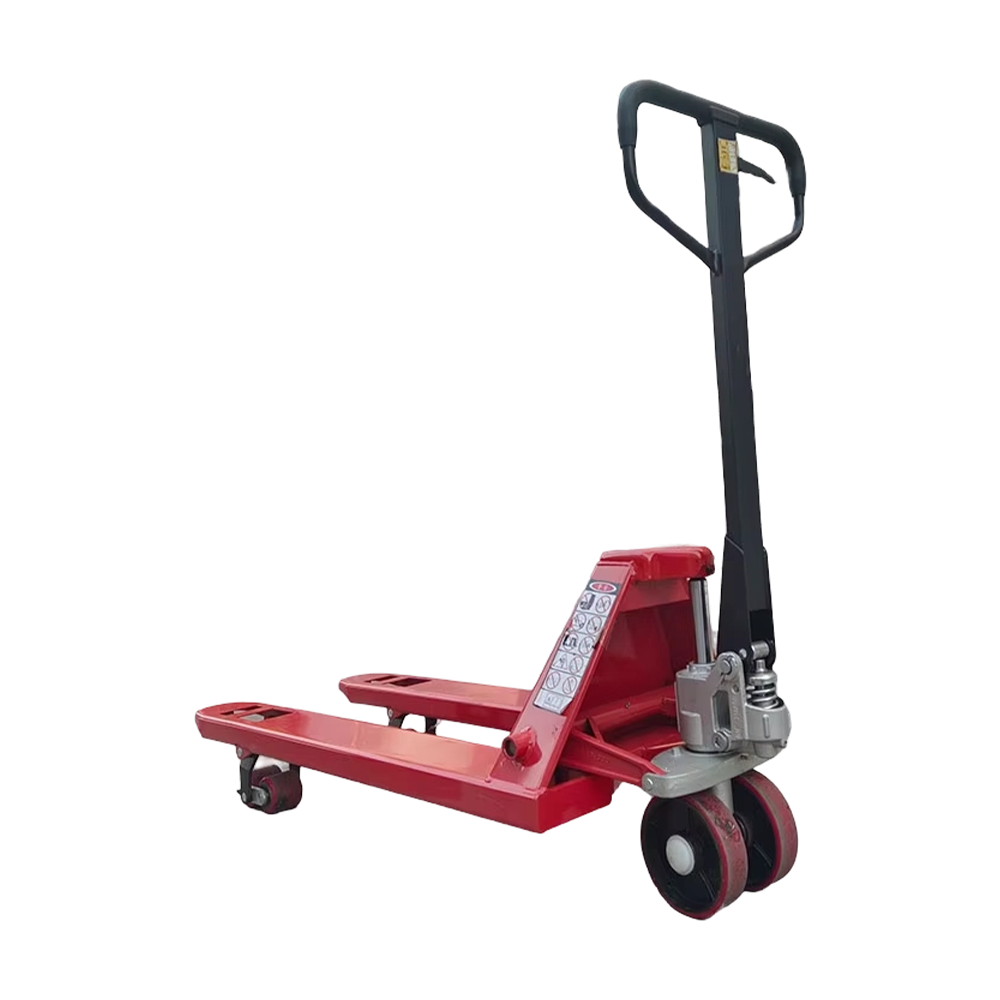
Class III equipment such as an electric pallet truck is lighter than a Class I counterbalance forklift, but it is still a powered industrial truck when it is battery powered. A manual pallet jack, by contrast, is not a powered truck in most regulatory definitions because the operator provides the propulsion. It remains a material handling tool with its own load limits, but it is usually not placed in the same training and licensing category.
This distinction explains why the phrase heavy equipment is not enough. For a safety plan, you need to know the powered industrial truck class, the rated load, the load center, the mast height, and the total equipment weight.
One of the most common procurement mistakes is looking only at rated capacity. The rated capacity tells you what the forklift can lift, not what the forklift weighs or how that weight lands on the floor. A 1.5-ton stacker can weigh less than half of a 2-ton counterbalance forklift, and both can cause serious damage if the warehouse is not prepared.
For facility planning, collect four values from the manufacturer or dealer: total empty weight, front axle load, rear axle load, and wheel load. These values matter more than the brochure capacity because they determine slab stress, dock leveler capacity, racking point loads, and elevator limits.
| Forklift type | Typical capacity range | Typical total weight range | Common warehouse application |
|---|---|---|---|
| Electric pallet truck | 1.5–3.0 tons | 0.5–1.2 tons | Horizontal transport, loading docks, order staging |
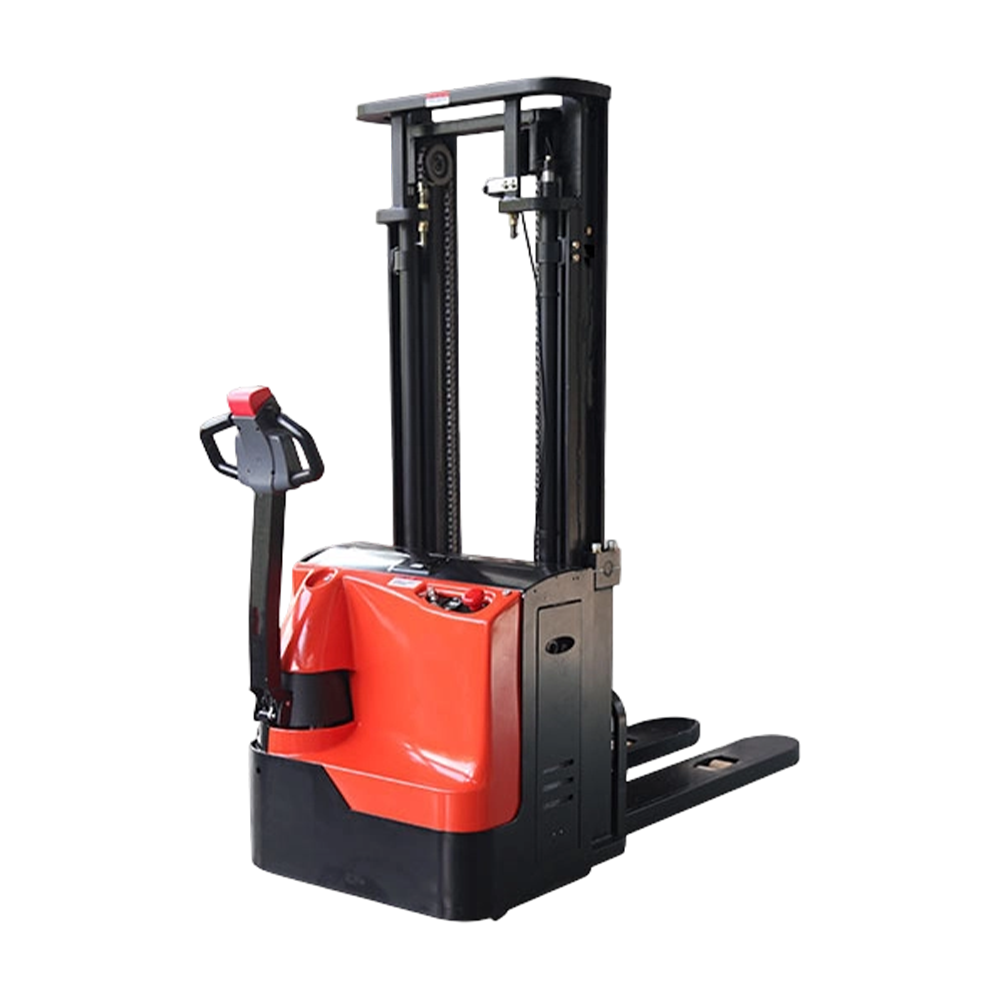
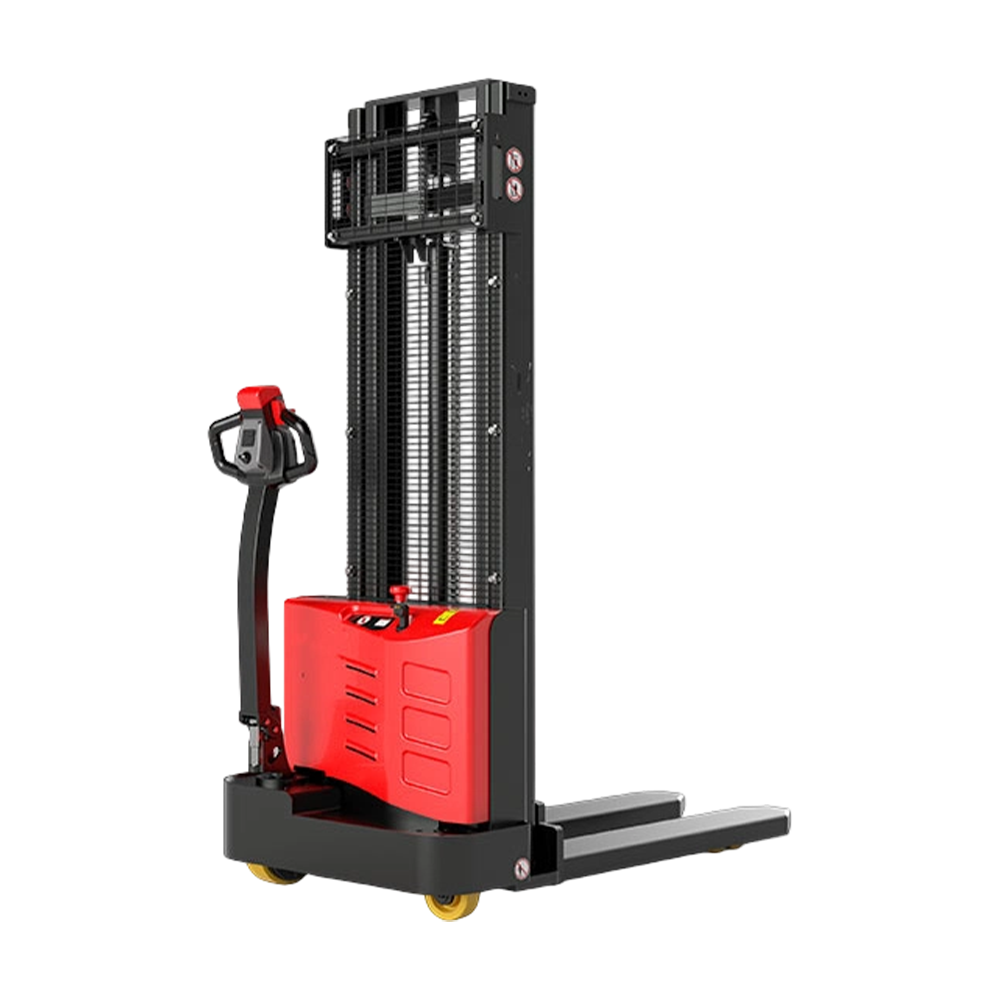
| Electric stacker | 1.5–2.0 tons | 1.0–2.0 tons | Lifting pallets to low rack heights in tight spaces |
| Stand-up reach truck | 1.2–2.5 tons | 2.5–4.5 tons | Narrow-aisle pallet storage at medium to high rack positions |
| Three-wheel electric counterbalance forklift | 1.5–2.0 tons | 3.0–4.0 tons | Dock work, staging, and indoor transport where turning radius matters |
| Four-wheel electric counterbalance forklift | 2.0–3.2 tons | 3.5–5.5 tons | General indoor warehouse loading, transport, and stacking |
| Diesel or LPG counterbalance forklift | 2.5–5.0 tons | 4.0–8.0 tons | Heavy indoor or outdoor loads, ramps, uneven pavement |
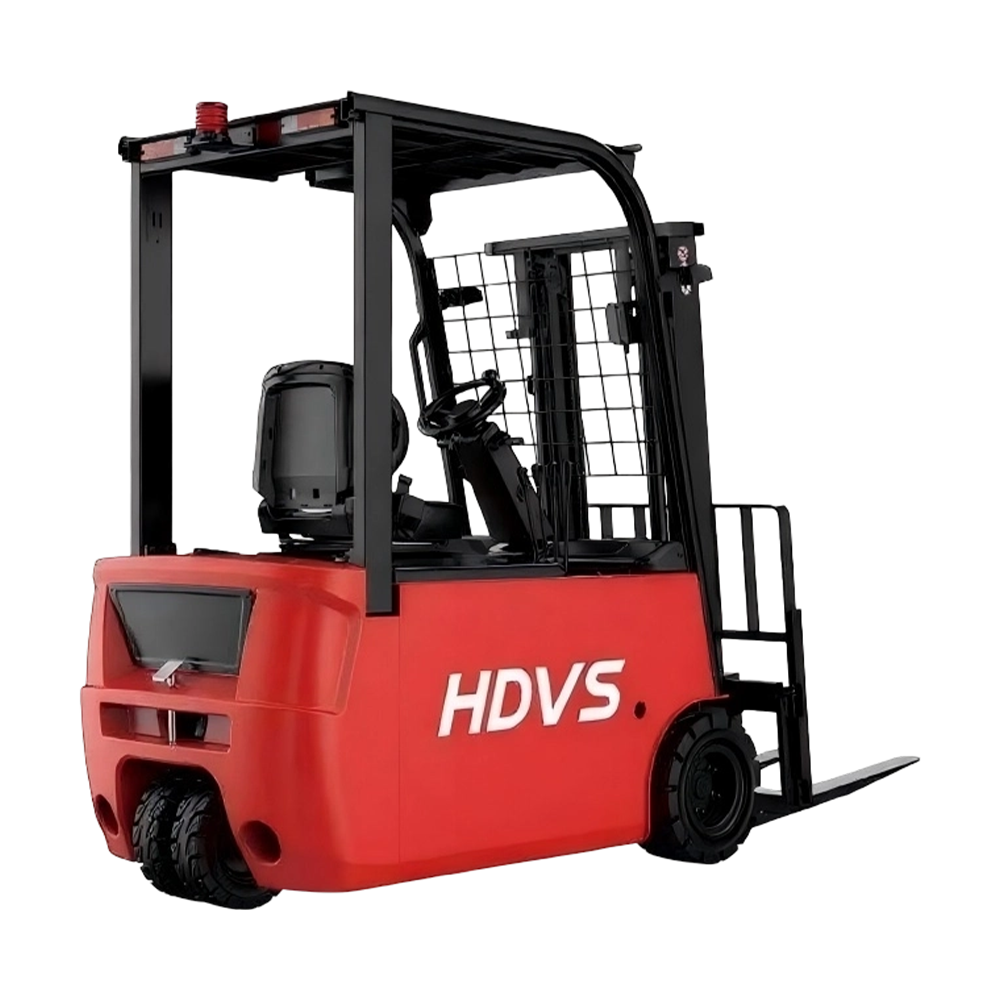
A 2.5-ton lead-acid electric counterbalance forklift is a common starting point for many warehouses that need a mix of loading and racking work. It carries enough load for most pallets, but its total weight can be much higher than the capacity printed on the fork tag, so the facility must be evaluated before purchase rather than after delivery.
 2.5 Ton Lead-Acid Electric Counterbalance Forklift for Warehouse FloorsThis forklift concentrates its load through small wheel contact patches, so the machine's total weight can far exceed its rated capacity. Checking floor load limits before purchase is essential.View Product →
The word heavy matters most where the machine stands still. A warehouse floor is usually designed for a uniform load such as 20 kPa or 30 kPa, but a forklift does not spread its load evenly across the floor. The machine concentrates its mass through a small contact patch on each wheel.
On a counterbalance forklift, the front axle can carry a large share of the total combined weight when the mast is tilted back and a rated load is lifted. The front wheels are the point where concrete stress is highest. This is why a 2-ton capacity electric forklift can create a wheel load that is much higher than the average floor load calculation suggests.
Front axle load share is approximate and changes with load center, mast tilt, wheelbase, and machine design. Use the axle load data from the forklift nameplate or manufacturer drawing.
Before a warehouse forklift enters a building, review the following facility points. The list is not an engineering calculation, but it shows where the heavy-equipment question becomes practical.
| Facility element | Check | Why it matters |
|---|---|---|
| Concrete floor slab | Thickness, reinforcement, joint spacing, subgrade condition | High point loads from front wheels can crack joints or shear the slab |
| Floor flatness and levelness | F-number or straightedge tolerances | Reach trucks and order pickers are sensitive to uneven floors |
| Rack footings | Point load with the forklift wheel near the rack base plate | Racking columns can be overloaded by wheel loads plus stored pallet loads |
| Dock leveler | Rated capacity at the intended load center | Trailer floors and dock equipment must support total machine weight |
| Ramps and slopes | Maximum gradient, traction, and load handling | Gradients change the axle load distribution and stability |
| Elevator and mezzanine | Permitted load, platform area, and entry conditions | Forklift weight is concentrated and may exceed a uniform load rating |
Heavy equipment classification is not meant to slow down warehouse work. It is meant to prevent a situation where an otherwise capable machine is introduced into a building that cannot support it. When we help customers plan a warehousing and logistics solution, the first step is not the forklift model. It is the material flow, floor condition, racking layout, aisle width, and the loads moving through those aisles.
One of the clearest consequences of the heavy equipment label appears in training. Most warehouse jurisdictions do not require a commercial driver's license to operate a forklift inside a private facility, because a forklift is not built for highway use. Instead, they require documented powered industrial truck training.
At a minimum, a trained forklift operator normally needs classroom instruction, hands-on practice, an evaluation on the actual type of forklift used, and refresher training if the operator demonstrates unsafe behavior, is involved in an accident, or is assigned to a different class of truck.
The daily inspection list is another reason this classification matters. Before every shift, the operator should check the forks, mast chains, hydraulic hoses, tires, battery cables, brakes, horn, lights, and warning devices. A small fluid leak on a counterbalance forklift can compromise brake performance. A bent fork can change the load center and reduce safe capacity.
Heavy equipment status also means unauthorized operation must be prevented. Anyone who can start and drive a forklift needs the required authorization. In many safety audits, the first question is not whether the operator knows how to drive. It is whether the operator has been assessed on that specific machine type in that specific warehouse environment.
Warehouse forklifts are increasingly electric, but electric does not mean light. A lead-acid battery for a 2.5-ton counterbalance forklift can weigh several hundred kilograms. That battery is part of the counterweight system, and it directly affects the total machine weight, axle loads, and maintenance plan.
Lithium batteries are lighter than lead-acid batteries in many cases, but manufacturers may rebalance the truck to achieve the correct stability. The result is that a lithium-powered forklift can have a slightly different empty weight and different axle load distribution than the lead-acid version with the same rated capacity. Buyers should compare truck weights, not just battery type.
| Attribute | Lead-acid electric | Lithium electric | Diesel or LPG |
|---|---|---|---|
| Typical total truck weight | Medium to high | Medium, may be rebalanced | Often the highest |
| Battery charging time | Long, with cooling and equalizing needs | Shorter, opportunity charging possible | Refueling, not charging |
| Emissions inside warehouse | Zero exhaust at point of use | Zero exhaust at point of use | Needs ventilation, especially for LPG |
| Indoor suitability | Good | Good | Suitable only with emissions controls and ventilation |
| Cold storage behavior | Capacity may drop in cold conditions | Cold-storage-rated lithium packages are available | Can start better than some batteries in very cold areas, but ventilation remains a concern |
| Maintenance requirement | Watering, cleaning, equalization | Lower routine battery maintenance | Engine oil, filter, exhaust, fuel system checks |
Cold storage is one of the most demanding warehouse applications. A cold room is hard on batteries, hydraulic systems, and electronic components. For freezer and refrigerated dock operations, a cold-storage-rated lithium forklift is often chosen because it reduces daily battery maintenance and improves performance during cold start conditions. The rated capacity still must be verified, but cold-rated components can make a meaningful difference in uptime.
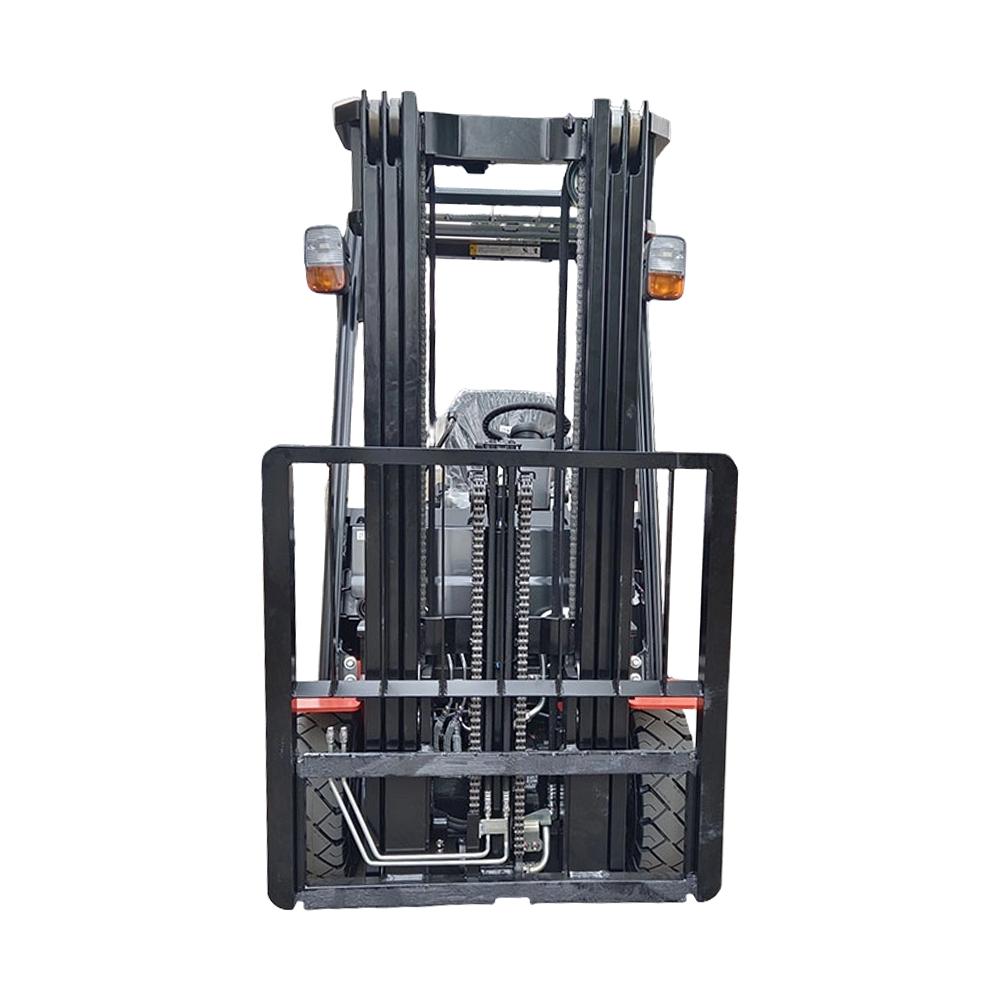
 Cold Storage Lithium-Ion Electric Forklift in 1.5/1.8/2 Ton CapacitiesFor freezer and refrigerated dock operations, this lithium-powered forklift reduces daily battery maintenance and improves cold-start performance, making it a reliable choice for demanding cold storage environments.View Product →
Power source also affects the floor. If the battery is heavier, the point loads change. If the forklift is refueled with LPG, the tank changes the total truck weight as it empties. These may seem like minor details, but they help explain why a warehouse forklift is more than a simple pallet mover.
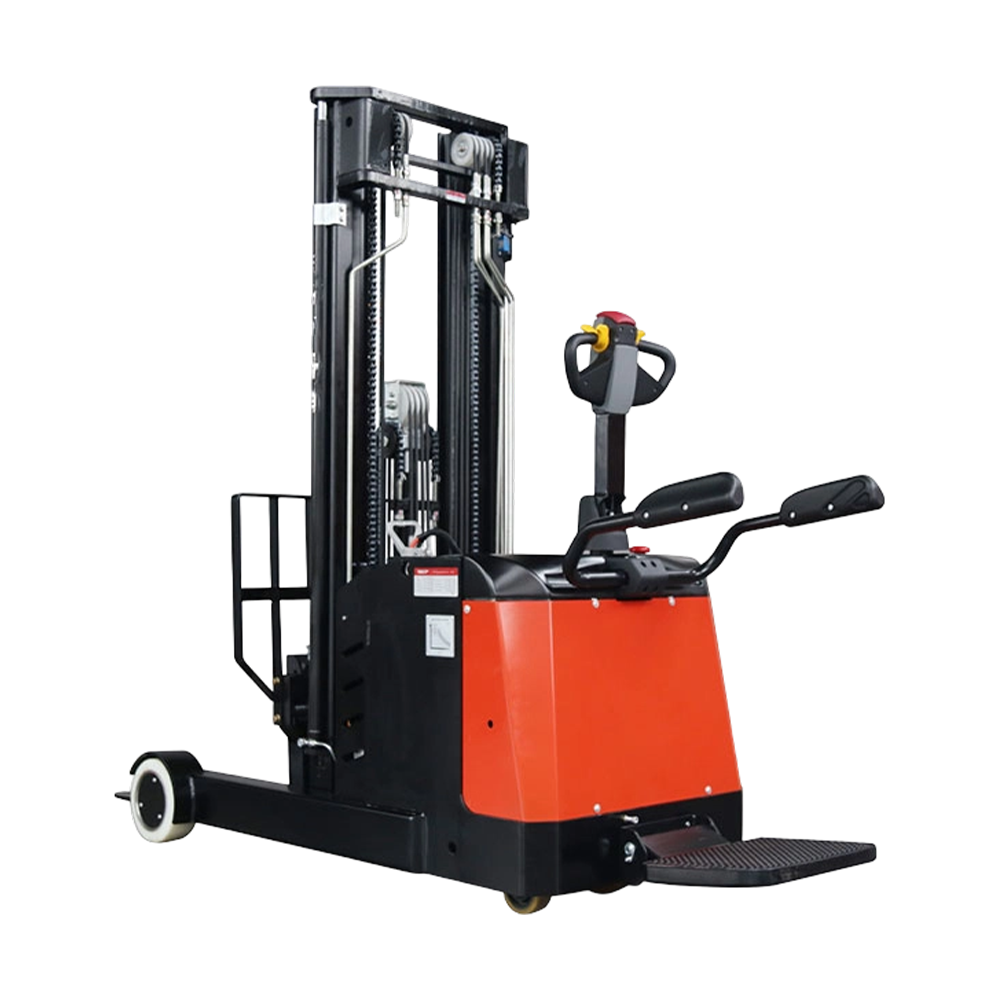
Reach trucks and order pickers do not always look as massive as a counterbalance forklift, but they are still heavy machines. A stand-up reach truck with a 1.2 to 2.5-ton capacity can have a total weight in the same range as a small car. The difference is that it carries that weight up and down narrow aisles while the mast extends to heights that can exceed ten meters.
In a narrow-aisle layout, the risk is not only from the total weight. It is from the combination of weight, height, and restricted clearance. A loaded reach truck moving through a 2.5-meter aisle needs precise steering, racking protection, and an operator who understands the truck's dynamic behavior at height.
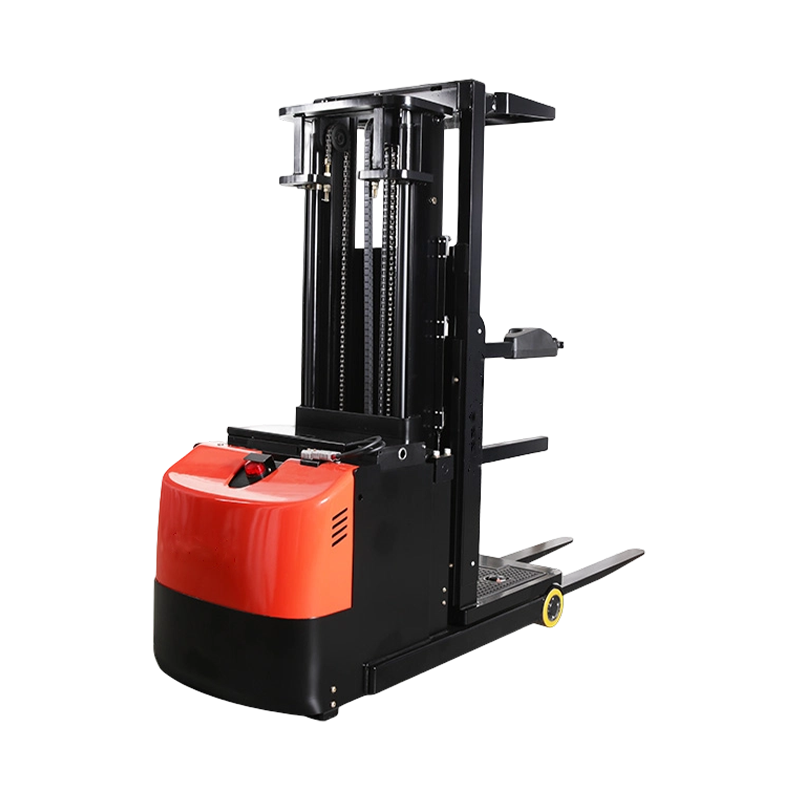
Order pickers add another layer. When the operator is raised with the platform, the machine becomes a lifting platform as well as a forklift. In some jurisdictions, additional fall protection or operator restraint rules apply. The heavy equipment label means the safety system should include guardrails, platform interlocks, and training for working at height.
For warehouses handling pallets in racking, a 1.2-ton stand-up electric reach truck offers a practical balance of capacity, aisle performance, and lift height. The compact body helps inside narrow aisles, while the still-significant empty weight confirms that this is a machine to be treated with care.
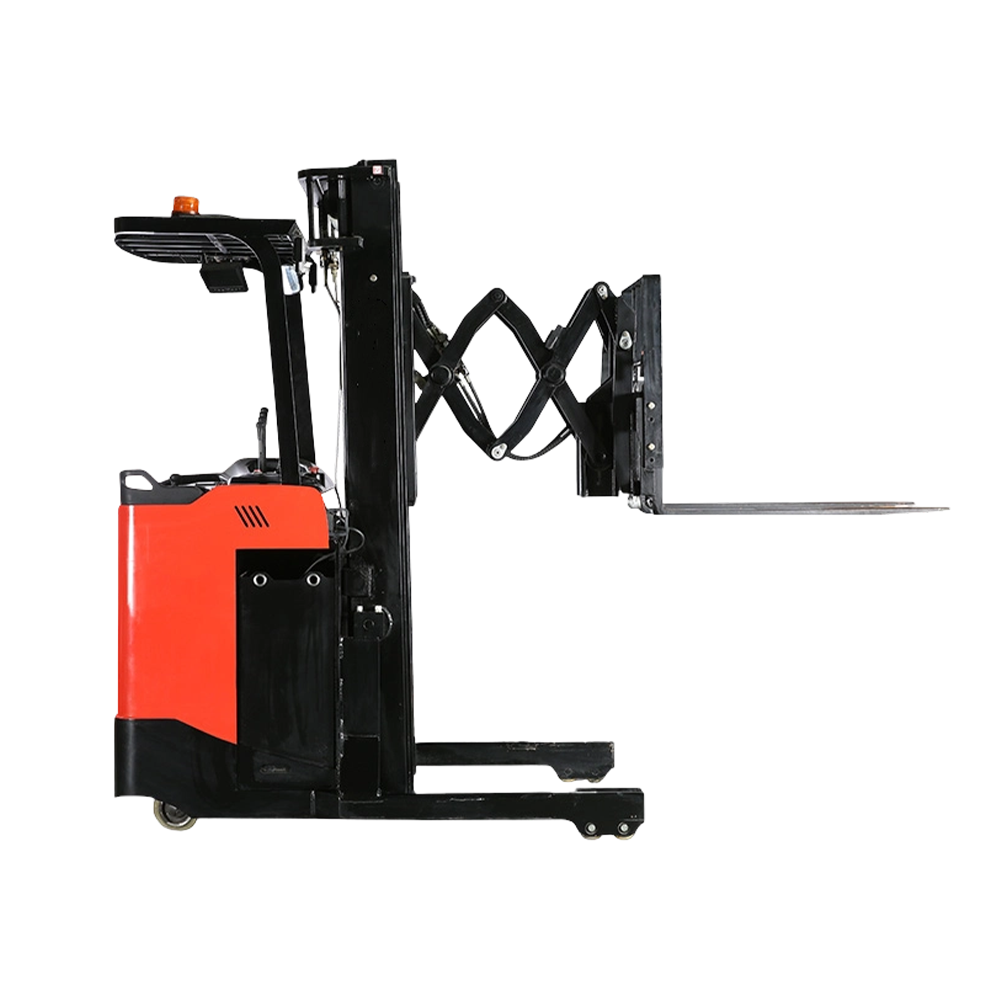 1.2 Ton Stand-Up Electric Reach Truck for Narrow AislesThis compact reach truck balances capacity and aisle performance for racking work, but its significant empty weight means the facility must account for floor stress and operator training requirements.View Product →
The classification of a warehouse forklift as heavy equipment changes more than safety paperwork. It changes the buying conversation. A forklift is not a consumable item. It affects the floor, the racking, the dock, the charging area, the operator training program, and the maintenance budget for years.
A forklift should be selected only after the building has been checked. Slab thickness, wheel loads, racking point loads, door height, and aisle width all decide whether the machine can operate safely.
Different classes and power sources require different training. A warehouse that already has trained lead-acid operators may face different ramp-up costs when moving to lithium or internal combustion equipment.
The lowest quoted purchase price can disappear under floor repair, battery failures, downtime, and operator turnover. Look at total cost over the planned ownership period, including parts availability.
New and used warehouse forklifts are both subject to the same heavy-equipment logic. A used forklift may have a lower purchase price, but it still needs the same operator qualification, the same daily inspection system, and the same facility evaluation. Used equipment also requires a closer check of the forks, mast, overhead guard, brakes, battery, and service history.
We have supplied new and used warehouse forklifts for more than twenty years, and the same purchasing mistake appears repeatedly: buyers choose a capacity number before checking the total weight, mast dimensions, and facility limits. Start from your material flow and building constraints rather than from a brochure photograph. A dedicated warehousing and logistics solution page can help you map that process more clearly, especially when multiple departments are involved in the decision.
Before making a decision, collect the following information and include it in the quote request:
This checklist is especially important when multiple departments are involved. The operations team may focus on throughput, the maintenance team may focus on serviceability, and the facility manager may focus on floor loads. A common heavy-equipment review forces those groups to talk before the machine is delivered.
OSHA uses the term powered industrial truck rather than heavy equipment. For practical purposes, a powered industrial truck must be treated with the same care as heavy equipment because it has a rated load, significant mass, training requirements, and the ability to cause serious injury. The exact legal category depends on the standard that applies to the workplace.
No. A forklift is normally not a highway vehicle, so a commercial driver's license for road use is not the primary requirement. Operators need powered industrial truck training, hands-on evaluation, and authorization from their employer. Local or national rules may add a specific certificate or license, so check the regulations where the forklift will be used.
No. The floor must be evaluated for concentrated wheel loads, not only uniform load. A loaded counterbalance forklift can place a high percentage of its total weight on the front axle, and the individual front wheel load can be much higher than the average building load.
The battery can be lighter, but the total forklift may not be lighter. Manufacturers can reballast the truck to maintain the necessary stability and traction. Buyers should compare complete technical data, including empty weight and axle loads, rather than assuming the whole machine will be lighter.
A manual pallet jack is usually not considered heavy equipment in the same way as a powered forklift because it does not use a motor and has a much lower operating weight. It still has load limits and safe handling rules, but it does not normally trigger the same powered industrial truck training requirement.
No single answer fits every warehouse. The choice depends on aisle width, lift height, load dimensions, floor condition, shift pattern, and whether the machine also works outside or inside a cold room. Our guide on choosing the best warehouse forklift type for your facility covers the selection logic in more detail.
Recommended Products
Recommended NEWS



 English
 中文简体
中文简体 русский
 Español
 عربى
عربى