2026-08-25
Content
It is 7:45 in the morning at a busy distribution center. A forklift operator turns into a narrow aisle with a pallet raised just above the mast. A picker steps out between two racks, eyes on a handheld scanner. The operator hits the brake, the load tilts forward on the forks, and the picker jumps back just in time. No one gets injured that day, but the close call will not appear in any safety report.
Close calls like this repeat every shift in thousands of warehouses and factories. They also explain why safety authorities, OSHA records, and workplace incident analyses consistently converge on one answer when someone asks, "What is the most common forklift hazard?" The most common forklift hazard is a moving forklift coming into dangerous proximity with a person on foot. Pedestrian collisions, often called struck-by incidents, are the most frequently reported category of serious forklift accident in industrial workplaces.
This article gives a direct answer to that question, explains why pedestrian collisions remain so common, and then walks through the other frequent hazards every warehouse manager, safety officer, and equipment buyer should understand. We draw on more than twenty years of experience supplying new and used forklifts, spare parts, attachments, and technical support to material handling operations across many industries. The same patterns appear in almost every facility we visit, and the good news is that most of them are preventable.
If the question is about the single most frequently reported incident type, the answer is clear: the most common forklift hazard is the collision between a forklift and a pedestrian. Workers on foot share floor space with machines that weigh several tons, operate with limited visibility, and require a long stopping distance even at low speed. When a forklift and a pedestrian occupy the same aisle at the same moment, the pedestrian almost always suffers the consequence.
It is worth drawing a separate conclusion from the data, however, because frequency and fatality are not the same thing. While pedestrian collisions are the most common forklift hazard, forklift overturns remain the leading cause of operator deaths. Many serious accidents involve no pedestrian at all. The driver takes a corner too fast, the load shifts, the rear axle lifts, and the truck rolls over. Because the operator is often ejected and then crushed by the overhead guard, tip-over incidents tend to produce fatal outcomes at a much higher rate.
So a complete answer to the question has two parts. Pedestrian struck-by accidents are the most frequently documented forklift hazard in everyday operations. Forklift overturn is the most dangerous event and the most common cause of death. A mature safety program must address both, because reducing one without the other leaves a facility exposed.
Published workplace safety summaries give a sense of the scale. OSHA has long cited roughly 85 forklift-related fatalities and about 34,900 serious injuries per year in the United States, with a further 61,800 injuries classified as non-serious. These figures are discussed and revised as more data becomes available, but the relative ranking of incident types remains remarkably stable across safety analysis reports.
The chart below shows a representative relative frequency of common forklift incident types, based on patterns reported in workplace safety summaries from OSHA and similar national authorities. The percentages are directional rather than audit-grade statistics, but they reflect the repeated order in which hazards appear in incident reviews.
Note: Values are approximate relative frequency indicators, not precise measurement of a single national dataset.
Having a single answer for the most common forklift hazard is useful, but no facility is protected by that one statistic alone. In practice, hazards combine. A wet floor worsens a load that is already unstable. A blind corner becomes deadly when an operator is driving too fast. The ten hazards below are the ones that appear most often in safety reviews, incident reports, and inspection findings.
Pedestrian collisions are the most common forklift hazard because forklifts and people must share space in almost every facility. Loading docks, order-picking aisles, packaging areas, and even break rooms sit close to the travel paths of lift trucks. Pedestrians are harder to see than operators expect, they move in unpredictable directions, and they are often absorbed in their own tasks. Headphones, scanners, and phone usage reduce their awareness even further.
A forklift is stable within a triangle formed by the two front drive wheels and the center of the rear steering axle. This stability triangle shrinks when the load is raised, when the load is off-center, or when dynamic forces push the center of gravity outside the triangle. Taking a corner too fast, braking abruptly on an incline, or driving with a raised load on uneven ground can all tip the truck over. Once it starts, the operator has very little time to react.
An unsecured load is a hazard for everyone nearby. Palletized goods can slide off the forks when the pallet is damaged, when the load is not centered, or when the forks are not fully inserted. Overloaded trucks raise the center of gravity and reduce stability. Underrated pallets can collapse as soon as the forklift lifts them. The operator feels the problem late, when the load has already begun to slide or the pallet has fractured.
Hydraulic side shifter attachment
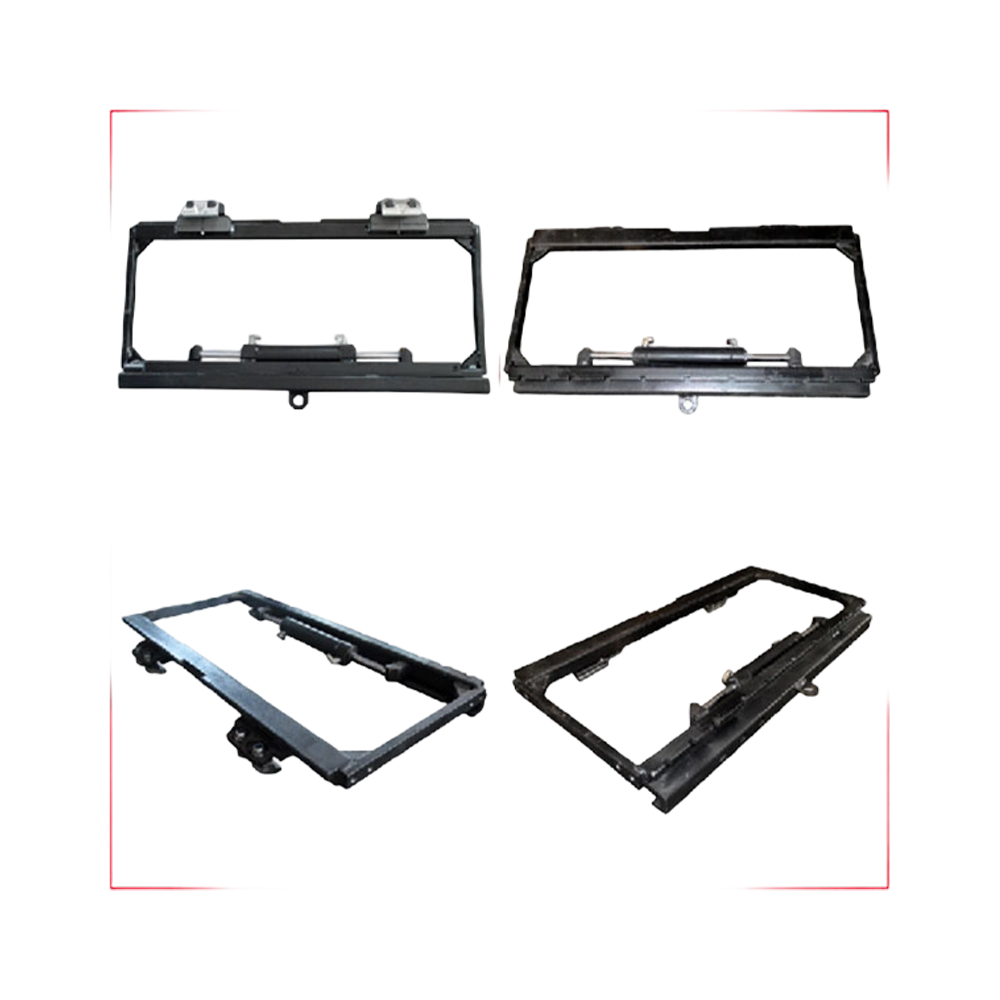 Custom Forklift Accessories Forklift Side Shifter Suppliers, OEM/ODM Factory - SShanghai HanDavos International Trading Co., Ltd. is China Forklift Accessories Forklift Side Shifter Suppliers and OEM Factory, details:View Product →
A side shifter lets the operator adjust the fork position laterally without moving the whole truck. This reduces the temptation to maneuver with a raised load, keeps the pallet closer to the load center, and lowers the chance of the load catching on racking during placement. It is one of the most practical attachments for facilities that handle different pallet widths in tight aisles.
Forklifts carry their loads in front of the operator. A tall pallet can completely hide a pedestrian standing on the other side of the mast. The rear of the counterweight swings wide during turns, which catches pedestrians who assume the front of the truck is the only danger. Many facilities also have blind corners where racking, columns, or stacked goods prevent a driver from seeing cross traffic until the last second.
Unsafe operation is the behavior behind a large share of accidents. Speeding, hard stops, sharp turns, riding with the forks elevated, and using the truck to push other equipment are all examples of operation that violates the physics of the machine. Inadequate training is the reason these behaviors persist. A driver who has not been shown how a stability triangle works, or what a load chart means, cannot be expected to understand why the forklift tips over on a slick floor.
A forklift with failing brakes, worn steering components, leaking hydraulic hoses, or damaged chain links becomes a mobile hazard. Brake failure is particularly dangerous at loading docks, where the truck must stop reliably at the edge of a trailer. Worn tires reduce traction and change the stability of the machine. Hydraulic leaks create slick floor patches and slowly reduce the lifting ability of the mast.
Floor conditions are a frequent aggravator of other hazards. Wet patches from leaks, dust from bulk bags, loose debris near loading areas, uneven expansion joints, and worn concrete can cause a forklift to skid or a load to shift. In outdoor yards, mud, gravel, and potholes create additional risk. The stability of any forklift depends on the grip of its tires, and floor conditions directly determine that grip.
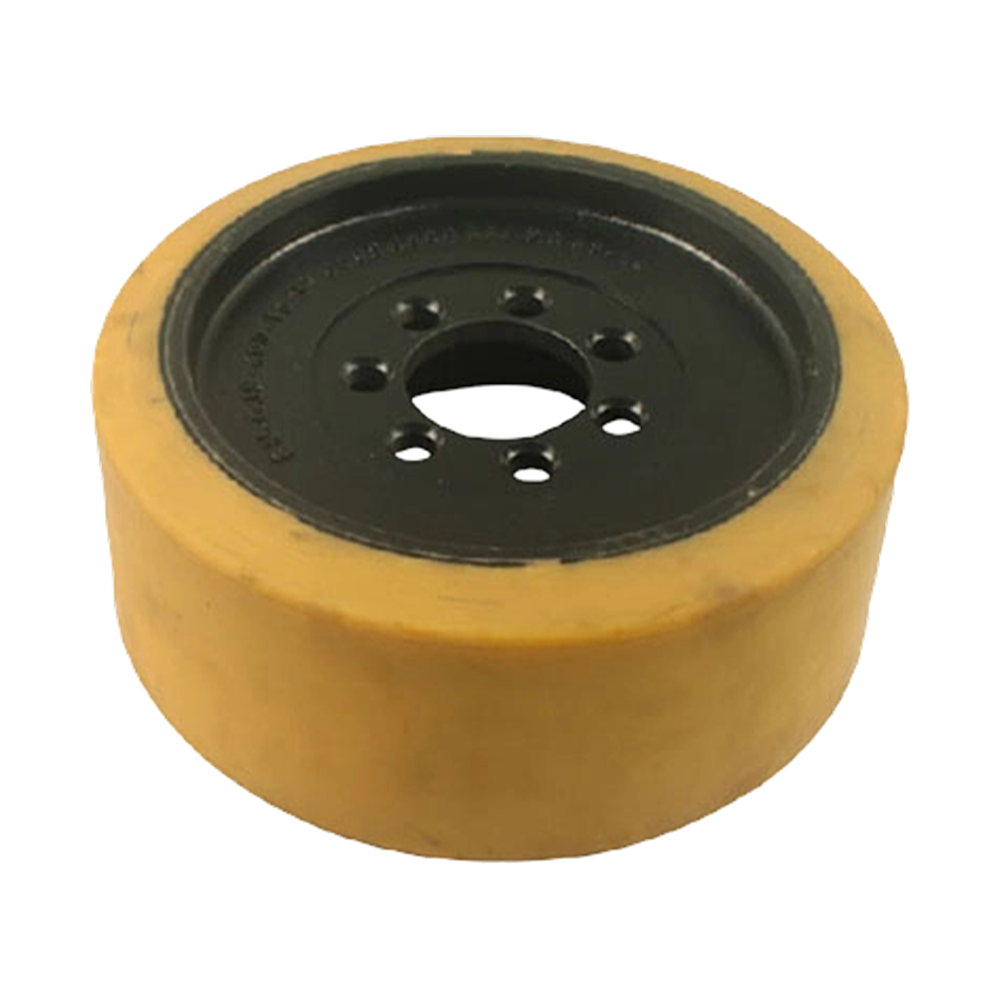
Solid rubber forklift tyres
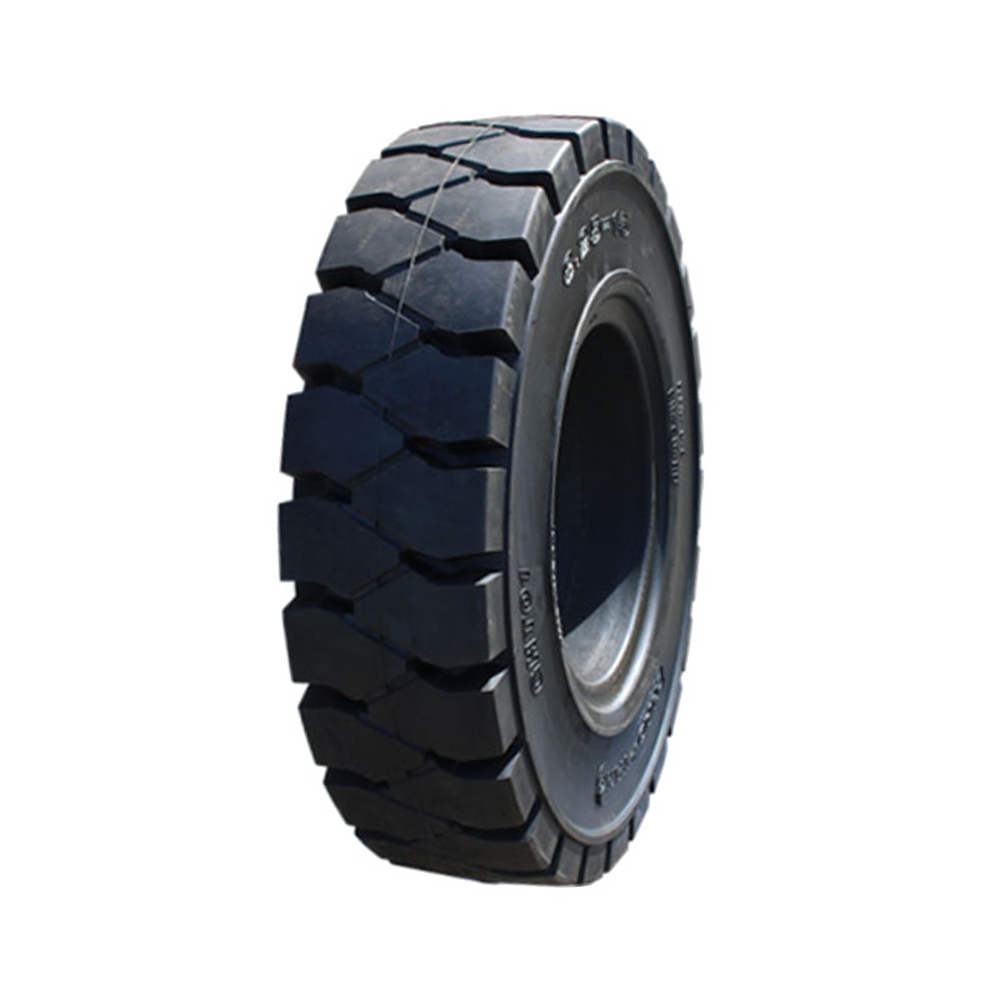 Custom Forklift Parts Solid Rubber Forklift Tyre Suppliers, OEM/ODM Factory - ShShanghai HanDavos International Trading Co., Ltd. is China Forklift Parts Solid Rubber Forklift Tyre Suppliers and OEM Factory, details: ...View Product →
For operations that lose working time to punctured pneumatic tyres, solid rubber tyres remove the deflation risk almost entirely. They maintain a stable ride over uneven indoor surfaces, eliminate emergency stops caused by blowouts, and are a practical first step when floor and tyre-related incidents keep interrupting the shift.
Low doorways, overhead pipes, racking beams, and mezzanine structures can strike an operator or damage the mast when a load is raised too high. The more common version of this hazard is objects falling from racks. Poorly placed cartons, overhanging loads, and damaged racking beams all wait for the moment a forklift passes below. The overhead guard protects the operator from small falls, but it does not protect pedestrians nearby or stop a heavy pallet from coming down on the hood of the truck.
Dock edges are among the most unforgiving places in a facility. A forklift rolling backward off an open dock door can fall several feet, and the consequences for the operator and nearby workers are usually severe. Trailer creep, where a parked trailer moves away from the dock as the forklift drives in, creates a gap between the dock plate and the trailer floor. Ramps add a longitudinal stability risk, because braking or stopping on an incline can shift the load off the forks.
Internal combustion forklifts bring the hazards of fuel themselves. LPG tanks can leak, diesel spills create slip and fire risks, and refueling in a poorly ventilated space exposes workers to carbon monoxide and other combustion products. Battery-powered trucks have their own issues. Lead-acid batteries release hydrogen during charging, which can form an explosive mixture in an enclosed charging room, and battery acid is dangerous to skin and eyes. Operators who remove the battery or connect the charger incorrectly place themselves directly in the risk zone.
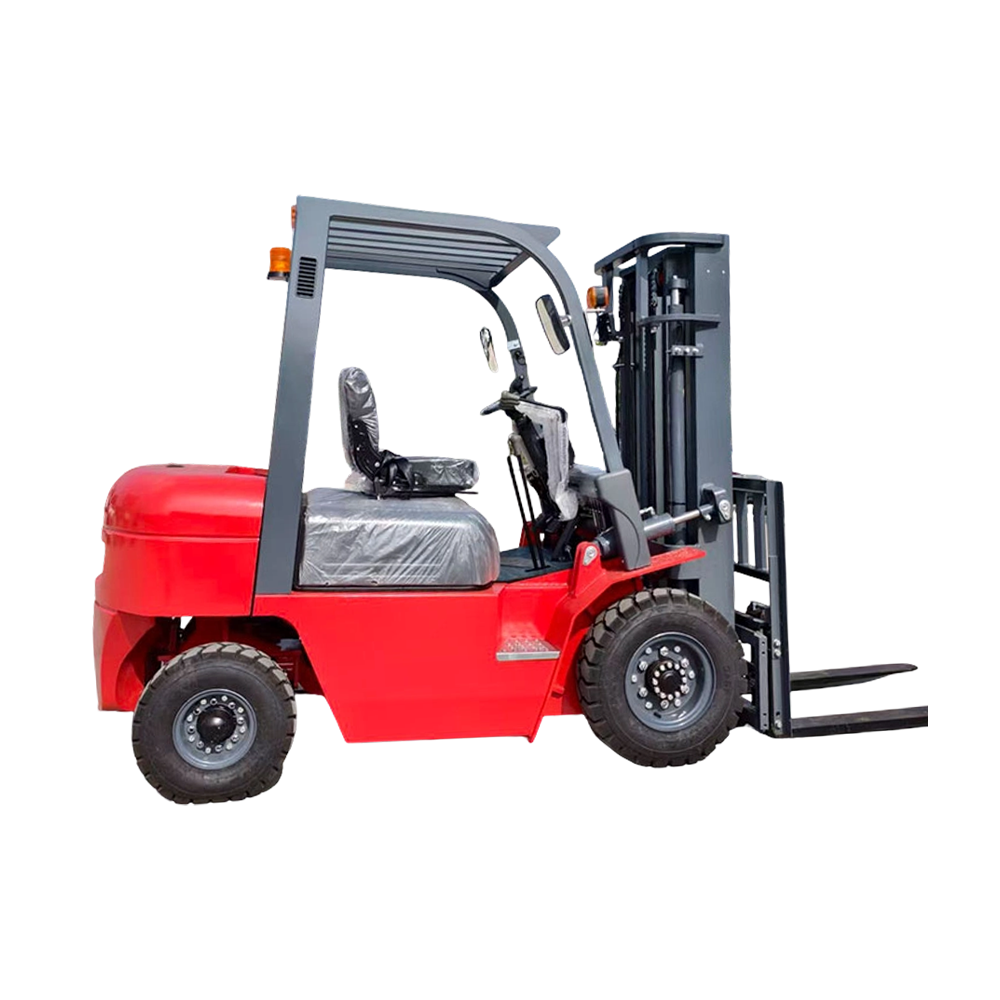
3-ton lithium-ion electric forklift
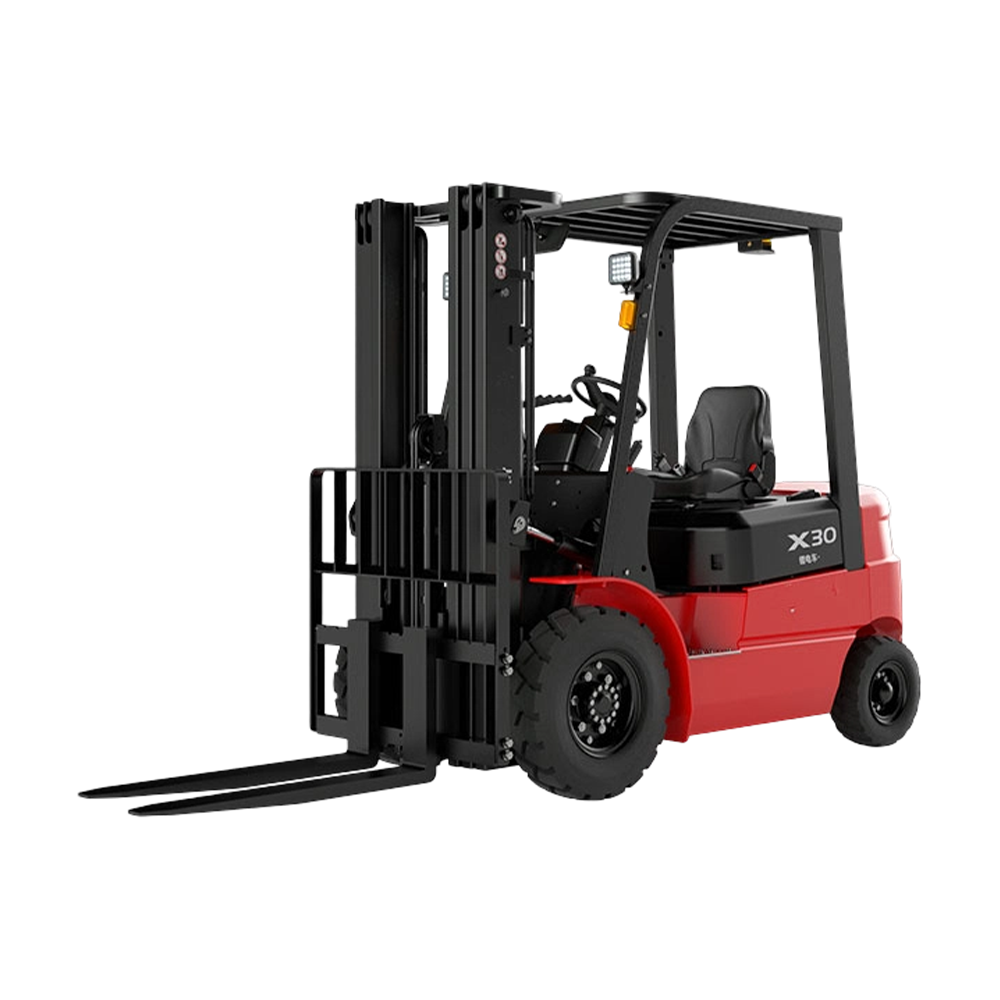 Custom Lithium battery 3.2 Ton 3 Ton Electric Forklift Suppliers, OEM/ODM FactorShanghai HanDavos International Trading Co., Ltd. is China Lithium battery 3.2 Ton 3 Ton Electric Forklift Suppliers and OEM Factory, det...View Product →
For facilities that want to remove liquid fuel handling from the weekly routine, a lithium-ion powered forklift changes the risk profile entirely. No refueling station, no battery acid, no hydrogen gassing during charging, and no combustion emissions in the warehouse. Lithium-ion models also charge during short breaks, which reduces the number of batteries traveling through the building on carts.
If the hazards are well known and the prevention steps are published in almost every safety manual, why do forklift accidents still happen in facilities that believe they have a safety program? The answer is usually a combination of pressure, habit, and poor design.
Production pressure is the largest driver. When shipments are behind schedule, managers urge operators to move faster. The operator takes a corner a little too quickly, skips the pre-shift inspection, or carries the load higher than necessary to save a few seconds at the racking. Speed feels productive until an incident occurs.
Habit is the second factor. Operators who drive the same route every day become blind to hazards they have never seen cause an accident. They stop sounding the horn at intersections. They assume pedestrians will keep out of the way. This normalization of risk usually goes on for months or years before a close call turns into a serious injury.
Facility design is the third factor. Many warehouses were laid out with only the flow of goods in mind. Pedestrian routes cross forklift routes at several points, and there has never been a physical barrier anywhere. In these buildings, no amount of training can completely compensate for a layout that forces people and lift trucks into the same space hour after hour.
A large share of forklift incidents, including overturns and many ground-level collisions, trace back to the loss of the stability triangle. The front wheels are the two fixed points of the triangle, and the center of the rear steering axle is the third. As long as the combined center of gravity of the truck and the load stays inside this triangle, the forklift is stable. If it moves outside, the truck begins to tip.
Practical implications matter more than the geometry. A load with a center of gravity farther forward than the rated load center reduces the actual lifting capacity. A raised mast pushes the combined center of gravity higher and narrows the margin for error. Cornering creates centrifugal force that pushes the center of gravity toward the outside of the turn. Braking moves it forward. Driving on a downhill slope moves it forward even without braking. All of these effects can combine in a single moment.
This is why load capacity plates must be respected, why loads must be carried close to the ground, and why operators should slow down before corners rather than braking inside them. A forklift that feels solid during a quick turn at low weight may be on the edge of overturn with a heavy load at half a meter higher.
Occupational safety practice organizes prevention through a hierarchy of controls. It is a useful structure for forklift hazards because it prevents facility leaders from relying on only one method. Applying the hierarchy to forklift operations gives a clear roadmap.
Facilities that rely only on rules and signs are using the weakest level of the hierarchy. Facilities that combine barriers, separation, training, and equipment selection build a system that continues to protect people even when one layer fails.
Translating hazard knowledge into daily practice requires a plan that covers training, inspections, traffic management, load discipline, housekeeping, and maintenance. Each element supports the others.
OSHA and comparable authorities in many countries require formal forklift operator training that includes instruction in classroom or online format, practical demonstration, and an evaluation of the operator's ability on the actual equipment. In the United States, the standard requires that operators be evaluated at least once every three years, and more often if the operator is observed operating unsafely, has been involved in an accident, or is assigned to a different type of forklift. Training must cover the specific forklift model, the loads handled, and the particular hazards of the facility, not just generic theory.
In practice, effective training has two characteristics. It is repeated at intervals that match the real workload, and it includes scenarios that resemble the facility: a narrow dock, a wet floor patch, a pedestrian walking between racks. The more the training resembles daily work, the more likely the operator is to apply the lessons during a routine shift.
A daily inspection is the first, fastest line of defense against mechanical failure. The operator should complete it at the start of every shift, before the truck enters the aisle. It takes less than fifteen minutes when done properly. If any item on the list shows a defect, the truck should be tagged out of service until the problem is repaired.
| Inspection area | What to check | Pass criteria |
|---|---|---|
| Fluid levels | Hydraulic oil, engine oil, coolant, fuel, or battery electrolyte | All fluids within marked operating range with no visible leaks |
| Forks and load carriage | No cracks, heavy wear, or bending; fork pins and locks secure | Forks free of visible damage and correctly locked in position |
| Mast and chains | Chain tension, rusted links, noisy or jerky movement | Smooth mast travel with no jumping or binding |
| Brakes | Brake travel, stopping action, parking brake hold | Truck stops promptly without pulling to one side; parking brake holds on a slight incline |
| Steering | Excessive free play, unusual resistance, steering wheel return | Steering responds immediately with no grinding sounds |
| Horn and lights | Horn sound, forward and reverse lights, warning beacons | All warning devices audible and visible from the operator position |
| Tires and wheels | Pressure or deformation, cuts, embedded objects, missing lug nuts | Tires show no flat spots, deep cuts, or exposed cords |
| Seat belt | Belt condition, retraction, latch function | Belt extends, retracts, and latches without damage |
| Battery and cables | Secure connections, corroded terminals, damaged charging cables | Connections tight and clean, no exposed wiring |
| Leaks and attachments | Oil or LPG leaks under the truck, attachment hoses and pins | No active leaks; attachment locks fully engaged |
The single most effective measure against the most common forklift hazard, pedestrian collisions, is to redesign how people and trucks move through the building. Physical separation using guardrails and gates removes the need for a pedestrian to rely on the operator's skill. Walkway floor markings alone are helpful only if reinforced by barriers in the highest-risk areas.
Blind corners should have convex mirrors or, when possible, be changed so that racking no longer blocks the view. Intersections need speed limits lower than the straight aisle limit. Loading areas should have a designated person who controls entry when a forklift is backing out of a trailer. A pedestrian walkway that goes around the loading dock, rather than across it, is often the single easiest improvement a building can make.
For a complete view of the process, a structured review of warehouse traffic management can help identify where pedestrian flow and forklift flow cross and which crossings need engineering controls first.
Load discipline is a set of habits that operators must follow without exception. Know the rated capacity of the truck and never exceed it. Use the load capacity chart for attachments, because an attachment changes capacity even when the mast is unchanged. Inspect every pallet before lifting. Center the load on both forks. Fully insert the forks under the load, lift carefully, tilt back slightly, and lower the load to travel height before moving. When a load blocks forward vision, travel in reverse. These habits look basic, but departments with high load discipline have dramatically fewer load-related incidents.
Housekeeping is a direct safety control. Assign specific cleanup times for each shift and do not leave spills for the next crew. Keep aisle intersections clear of empty pallets, stretch wrap, and cardboard. Repair cracked floor joints before they become trip hazards for pedestrian and vibration hazards for loads. In wet climates, add anti-slip coating to ramp surfaces. In dusty operations, schedule air-blower cleaning during lunch breaks. Floor conditions are checked every time a forklift drives over them, and every defect is a risk that only grows until it is fixed.
A forklift fleet without a documented service schedule is a fleet of unpredictable risk. Follow the manufacturer's recommended intervals for oil changes, hydraulic system checks, brake maintenance, chain lubrication, and tire rotation. Keep a maintenance log for each truck so that recurring problems become visible. When a brake component or wheel is found worn, replace it immediately rather than ordering it later. The cost of downtime for a broken forklift is far lower than the cost of an incident caused by a known fault. Facilities that maintain a stock of common service parts and tyres are able to respond to defects the same day, which reduces the temptation to keep a faulty truck running until the end of the shift.
Safety is also an equipment selection decision. The right forklift for the application removes hazards before they ever appear. The wrong one creates risk every time it is used.
Indoor operations should strongly consider electric rather than internal combustion power. An internal combustion forklift operating in an enclosed warehouse produces exhaust fumes that accumulate, even with ventilation. Pedestrians working near the exhaust point inhale combustion products, and the noise of the engine masks horn signals and other warnings. Electric forklifts eliminate exhaust in the workspace, are quieter, and make pedestrian communication easier. For an existing facility, understanding whether an electric forklift makes sense for your warehouse involves comparing total operating cost, charging infrastructure, and shift length against the current internal combustion fleet.
Outdoor and rough-terrain work is a different case. A three-wheel electric forklift has no place in a muddy construction yard. The stability that comes from the correct tire type, a longer wheelbase, and the proper mast configuration is itself an injury prevention feature. Choosing a truck that matches the surface it will travel on every day is one of the most underrated safety measures a buyer can make.
Attachments also deserve attention. A side shifter, fork positioner, or a different tyre specification can eliminate a specific handling problem that currently forces operators into dangerous workarounds. When a facility invests in the correct equipment for the task, the operator is no longer required to compensate with unsafe technique.
The table below summarizes the risks discussed in this article in a single reference. It can be printed and used as a discussion tool in safety meetings or placed near the forklift parking area.
| Hazard | Typical consequence | Key prevention controls |
|---|---|---|
| Pedestrian collision | Crush injury, fractures, sometimes fatal | Separation barriers, marked walkways, mirrors, horns, spotters, speed limits |
| Forklift overturn | Operator crushed by overhead guard or load | Seat belt, low load travel height, slow cornering, load discipline |
| Unsecured or unstable load | Falling load strikes operator or pedestrian | Pallet inspection, centered loads, attachment use, capacity rating |
| Blind spot and obstructed visibility | Collision with pedestrian, racking, or structure | Reverse travel, convex mirrors, spotters, unobstructed intersections |
| Unsafe operation or poor training | Speeding and reckless driving incidents | Certification, refresher evaluation, active supervision |
| Mechanical failure | Brake and steering failure accidents | Pre-shift inspection, scheduled maintenance, maintenance log |
| Floor and surface condition | Skidding, tip-off, load shift on uneven ground | Housekeeping, spill control, floor repair, suitable tires |
| Overhead obstruction and falling objects | Head injury, mast damage, load drop | Clearance signs, low travel height, racking inspection |
| Loading dock and ramp edge | Forklift falls from dock, trailer gap injury | Dock restraints, chocks, marked edges, slow approach |
| Refueling and recharging | Fire, explosion, toxic fume exposure | Ventilated designated area, spill controls, correct battery handling |
The most frequently reported forklift hazard is a pedestrian struck-by collision, where a person on foot is hit by a forklift or by its load. It is followed closely by forklift overturn, which is the most common cause of operator fatalities. A safety program should treat both as priorities.
Forklift overturn is generally identified as the leading cause of operator deaths. The operator can be thrown from the seat and crushed by the overhead guard, or pinned between the truck and the ground. Seat belt use and controlled cornering are the most direct protections.
OSHA has commonly cited around 85 forklift-related deaths and roughly 34,900 serious injuries per year in the United States, with a further 61,800 non-serious injuries. Exact figures vary by year and jurisdiction, but the scale of the problem remains consistent.
In the United States, OSHA requires operators to wear seat belts on forklifts that are equipped with them. Most modern forklifts include a seat belt as standard equipment, and many have an interlocking system that prevents operation until the belt is fastened.
OSHA requires that forklift operators be evaluated at least once every three years. Retraining is also mandatory if an operator is observed using the truck unsafely, is involved in an accident or near-miss, or is assigned to operate a different type of forklift than the one they were originally trained on.
The operator should inspect brakes, steering, horn, lights, tires, forks, mast, chains, fluid levels or battery charge, and the seat belt before the first use of each shift. If any defect is found, the truck should be removed from service and tagged so that another operator does not use it accidentally.
Complete elimination is achievable only when physical separation, automated equipment, or a combination of barriers and restricted access prevents pedestrians from ever sharing space with moving forklifts. In most existing facilities, that level of separation is not realistic immediately, so a layered approach of barriers, mirrors, training, signage, and speed control is the practical target.
The most common forklift hazard is not a mystery. It is the ordinary, repeated interaction between a machine and a person in the same space. It is also the hazard most directly influenced by the decisions managers make every day: where the walkway goes, how fast the forklift is allowed to travel, whether a blind corner gets a mirror, and whether the operator is trained to the level the task demands.
After more than two decades of supplying forklifts, spare parts, and technical advice to facilities around the world, we have seen one pattern hold true. Facilities that treat safety as a system, rather than a poster on the wall, have fewer incidents and higher productivity. The equipment itself matters. A forklift with the wrong tyres, the wrong power source, or the wrong attachments for its environment will keep creating hazards no matter how carefully it is driven.
Start with an honest review of your own facility. Walk the routes that pedestrians use. Watch a full shift from the operator's seat. Look at the inspection logs, not just the incident log. Then choose the prevention layer, or combination of layers, that removes the most risk. That is how the most common forklift hazard stops being the most common forklift accident.
Recommended Products
Recommended NEWS