2026-09-22
Content
Reach Truck — The Definitive Guide to Narrow‑Aisle, High‑Bay Material Handling
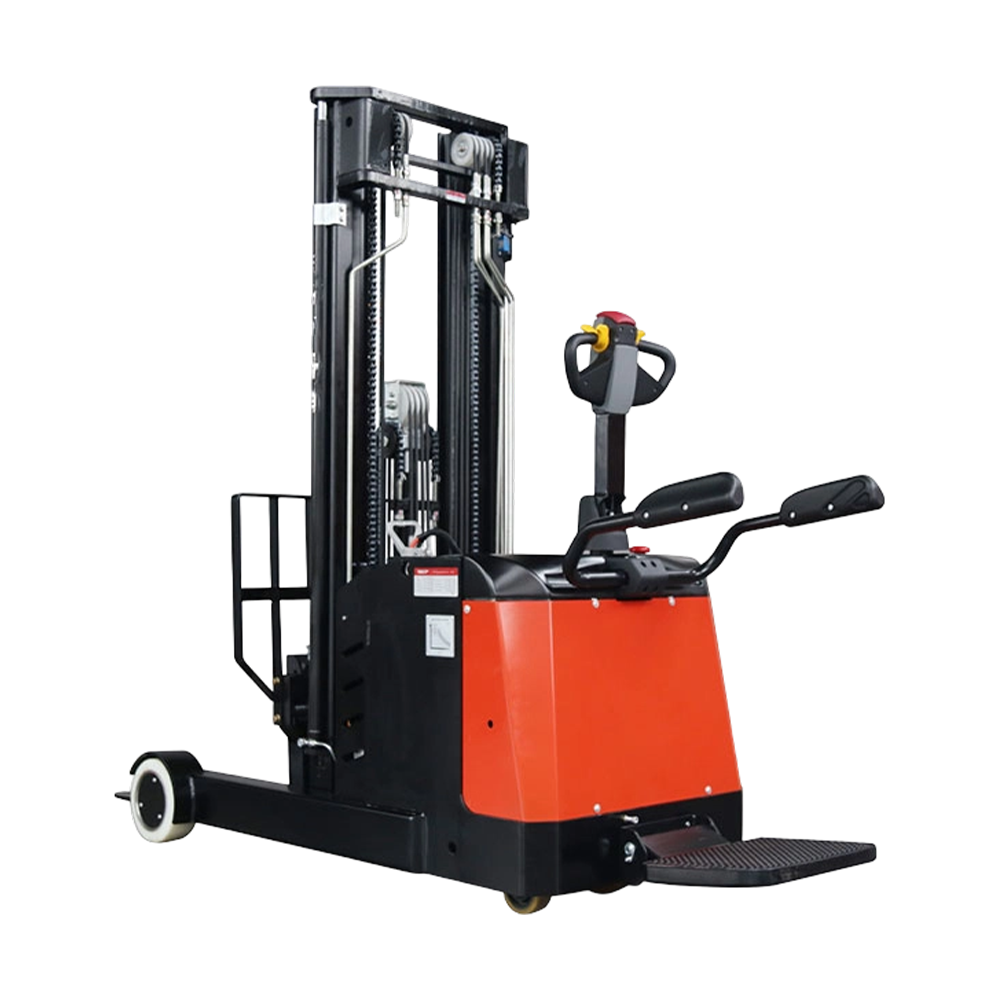
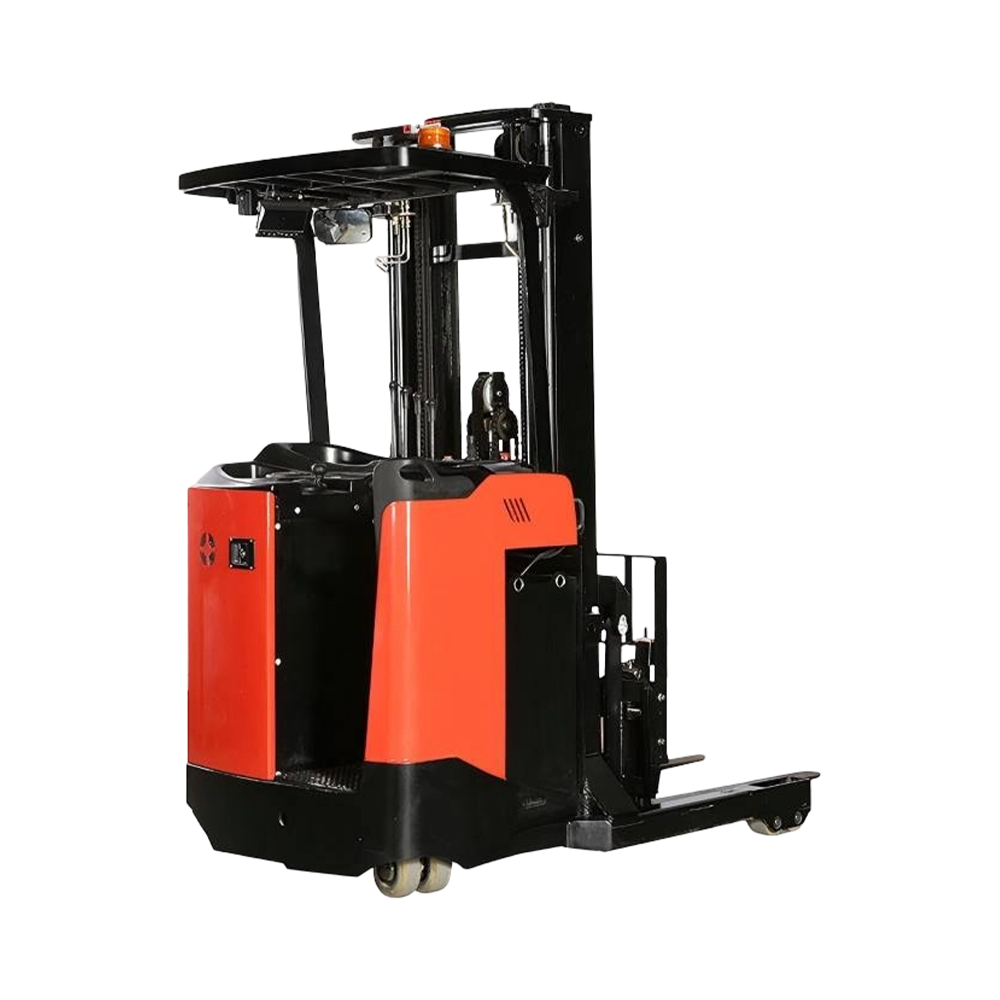
In modern warehousing and distribution, the reach truck has emerged as an indispensable solution for maximizing storage density while maintaining operational efficiency. Unlike conventional counterbalance forklifts that rely on rear-mounted counterweights, the reach truck employs a fundamentally different engineering philosophy: two forward-projecting stabilising legs combined with a pantograph mechanism that allows the forks to extend forward into racking systems. This design enables the reach truck to operate in aisles as narrow as 2.5 to 3 metres (approximately 8 feet)—a significant reduction compared to the 3.5 to 4.5 metres required by standard counterbalance forklifts.
The reach truck is almost exclusively battery-powered, making it an ideal choice for indoor environments where emissions, noise, and floor surface integrity are critical considerations. With lifting heights reaching 8 to 13 metres or more, the reach truck enables warehouses to fully utilise vertical cube space—a capability that translates directly into higher pallet positions per square metre of floor area. For warehouse operators and facility managers evaluating material handling equipment, understanding the reach truck’s capabilities, operational requirements, and total cost of ownership is essential for making informed fleet decisions.
30‑40% narrower than counterbalance forklifts
Some models exceed 13 metres with residual capacity
Deep‑reach configurations add up to 40% more density
Higher capacities available in heavy‑duty variants
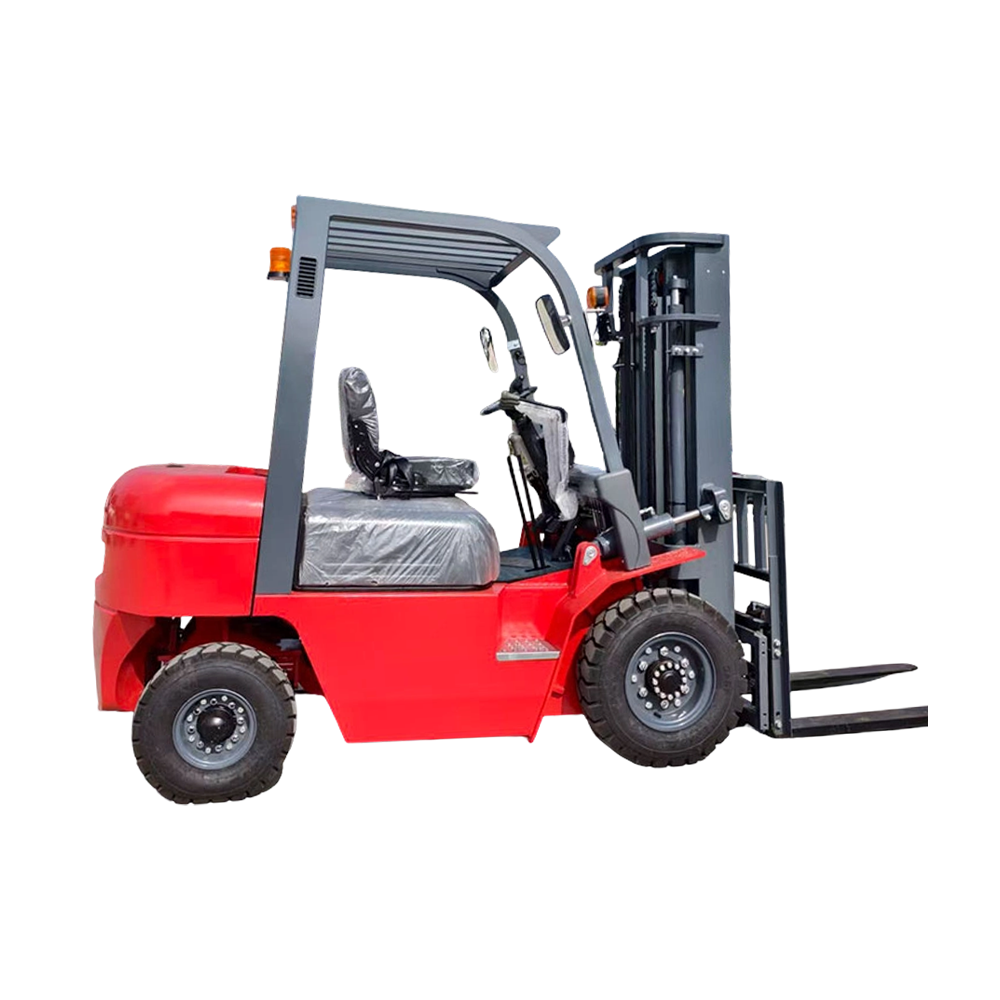
One of the most common questions in material handling is how the reach truck differs from a conventional counterbalance forklift. While both are classified as lift trucks, their design principles, operational envelopes, and application domains are distinctly different. The reach truck is engineered specifically for narrow‑aisle, high‑bay racking environments, whereas the counterbalance forklift is a general‑purpose workhorse capable of operating in both indoor and outdoor settings.
| Comparison Parameter | Reach Truck | Counterbalance Forklift |
| Stability Mechanism | Two forward legs + battery weight | Rear‑mounted counterweight |
| Minimum Aisle Width | 2.5‑3.0 m (8‑10 ft) | 3.5‑4.5 m (11‑15 ft) |
| Typical Lift Height | 8‑13+ m (26‑43+ ft) | 4‑7 m (13‑23 ft) |
| Rated Capacity Range | 1.0‑2.5 tonnes | 1.5‑5+ tonnes |
| Power Source | Electric (battery) almost exclusively | Electric, LPG, diesel, hydrogen |
| Primary Operating Environment | Indoor, smooth floors, high‑bay racking | Indoor/outdoor, loading docks, yards |
| Operator Position | Standing, side‑facing | Seated, forward‑facing |
| Fork Function | Pantograph extends forward into rack | Fixed to mast, truck moves to load |
Key Insight: The reach truck’s ability to extend its forks into the rack while the truck body remains stationary in the aisle is the defining operational advantage. This eliminates the need for the entire vehicle to manoeuvre into the racking bay, enabling the narrow aisle widths that drive storage density gains of 20 to 40 percent.
* Estimates based on typical racking configurations. Actual results vary by layout.
When evaluating a reach truck for a specific application, several key technical parameters must be considered. The relationship between load capacity, lift height, and aisle width is interdependent—understanding these trade‑offs is critical for proper equipment selection.
| Parameter | Typical Range | Notes |
| Rated Load Capacity | 1,400 – 2,500 kg | Measured at 600 mm load centre |
| Maximum Lift Height | 5,030 – 13,000 mm | Triplex mast configurations |
| Travel Speed (loaded) | 10.5 – 14.0 km/h | Varies by model and battery configuration |
| Lift Speed (loaded) | 0.45 – 0.81 m/s | Higher speeds improve throughput |
| Battery Voltage | 36V – 80V | Higher voltage typically supports higher capacity |
| Service Weight (with battery) | 3,050 – 3,620 kg | Varies by capacity and mast configuration |
| Turning Radius | 1,722 – 1,899 mm | Compact turning for narrow aisles |
Residual Load Capacity: A reach truck’s rated capacity decreases as lift height increases. For example, a reach truck rated at 1,600 kg at 600 mm load centre may have a residual capacity of approximately 1,000 kg when fully extended to 13 metres. Operators must always consult the load capacity chart specific to their reach truck model.
Operating a reach truck in narrow aisles at heights exceeding 10 metres demands advanced safety engineering. Modern reach trucks incorporate multiple redundant safety systems designed to protect both the operator and the surrounding warehouse infrastructure.
The transition from traditional lead‑acid batteries to lithium‑ion power has transformed reach truck operations. Lithium‑ion batteries offer significant advantages in charging speed, maintenance requirements, and total cost of ownership, though the initial capital investment is higher.
| Feature | Lithium‑Ion | Lead‑Acid |
| Full Charge Time | ~2 hours | 8‑10 hours |
| Opportunity Charging | Yes (7% in 10 minutes) | Not recommended |
| Maintenance Requirement | Maintenance‑free | Weekly water refilling, cleaning |
| Cycle Life | 2,000+ cycles | 1,000‑1,500 cycles |
| Energy Efficiency | 40% lower consumption vs. lead‑acid | Baseline |
| Total Cost of Ownership (10‑year) | ~35% lower | Higher due to maintenance and replacements |
| Battery Swap Required | No | Yes (multi‑battery operations) |
Operational Impact: The ability to opportunity‑charge a lithium‑ion powered reach truck during breaks (lunch, shift changes) means the vehicle can operate continuously across multiple shifts without battery swaps. This eliminates the need for battery change‑out areas, specialised extraction equipment, and the associated labour costs.
Operating a reach truck requires specialised training that is distinct from counterbalance forklift certification. An operator certified on a counterbalance forklift is not automatically qualified to operate a reach truck—and vice versa. The operational dynamics, control interfaces, and hazard profiles of a reach truck are fundamentally different.
In most regulatory frameworks, reach truck operators must complete a formal training programme that covers:
Conversion courses are available for operators already qualified on other lift truck types. These are not short formalities but focused training programmes that cover everything specific to the reach truck—typically lasting 1 to 2 days for experienced operators. Novice reach truck training generally requires 5 days. Refresher training is recommended every 3 to 5 years, or following any incident or change in operating conditions.
Critical Safety Rule: Never travel with the forks raised more than 4‑6 inches above the floor. A reach truck with elevated forks has a significantly higher centre of gravity and is at substantially greater risk of tip‑over, particularly when manoeuvring in narrow aisles.
While the initial purchase price of a reach truck is typically higher than that of an equivalent‑capacity counterbalance forklift, the total cost of ownership over the equipment lifecycle tells a different story. The reach truck’s ability to increase storage density and reduce facility footprint often delivers a compelling return on investment.
| Cost Component | Reach Truck (Electric) | Counterbalance (LPG/Diesel) |
| Typical 5‑Year TCO | $20,000‑$50,000 | 40‑60% higher |
| Energy Cost per Operating Hour | Lower (electricity vs. fuel) | Higher (fuel price volatility) |
| Maintenance Cost Reduction (Li‑ion) | 20‑25% lower | Baseline (higher due to engine/transmission) |
| Expected Service Life | 10,000‑15,000 hours | 12,000‑15,000 hours |
| Storage Density Value | 20‑40% more pallet positions | Baseline |
ROI Consideration: A warehouse operating with reach trucks can achieve the same storage capacity in a smaller footprint—potentially avoiding the need for facility expansion or new construction. The storage density gains alone often justify the reach truck investment within 12 to 24 months of operation.
Challenge: 12‑metre high racking, 2.8‑metre aisles, 1,600 kg average pallet weight.
Solution: Reach truck fleet with 13‑metre lift capacity and lithium‑ion batteries.
Result: 34% increase in pallet positions; 22% reduction in cycle times.
Challenge: ‑25°C operating environment, narrow aisles, high throughput.
Solution: Cold‑store specification reach trucks with specialised hydraulics and battery thermal management.
Result: Zero product damage from handling; 18% faster put‑away vs. previous equipment.
Challenge: Mixed pallet sizes, double‑deep racking, 2.5‑metre aisles.
Solution: Double‑deep reach trucks with pantograph reach.
Result: 40% storage density improvement; eliminated off‑site storage requirement.
Regular maintenance is essential for maximising reach truck uptime and service life. The hydraulic system and drive unit are the most failure‑prone systems on a reach truck, with hydraulic hoses and gearboxes identified as the most critical components.
Energy efficiency is a major advantage of the electric reach truck. Typical reach truck energy consumption ranges from 2.99 to 4.7 kWh per operating hour, depending on the model, load, and duty cycle. Regenerative braking systems further reduce energy consumption by recovering kinetic energy during deceleration.
* Based on VDI cycle consumption standards. Actual consumption varies by duty cycle.
The reach truck operator typically stands in a side‑facing position within the operator compartment. This stance provides excellent visibility down the aisle while minimising the neck and torso twisting that would be required in a forward‑facing seated position when operating in narrow aisles.
Modern reach trucks incorporate a range of ergonomic features designed to reduce operator fatigue during extended shifts:
Operator Retention: Warehouses that invest in ergonomically designed reach trucks typically report lower operator turnover and fewer lost‑time injuries related to musculoskeletal strain. The reach truck’s side‑standing position, combined with modern suspension systems, enables operators to work full shifts with reduced fatigue.
Reality: The reach truck is a fundamentally different machine class. Its pantograph mechanism, side‑standing operator position, and narrow‑aisle design require separate training and certification. The reach truck is not a “scaled‑down” forklift—it is a specialised tool for a specific application.
Reality: Certification on one truck type does not transfer to another. The reach truck’s rear‑wheel steering, reach mechanism, and load centre dynamics are distinct. Formal reach truck training is a legal requirement in most jurisdictions and a critical safety measure.
Choosing the right reach truck for a specific warehouse application requires careful evaluation of several operational parameters:
The reach truck represents a specialised but essential category of material handling equipment for any warehouse operation seeking to maximise storage density and operational efficiency.
From its distinctive pantograph mechanism and narrow‑aisle capability to its advanced lithium‑ion battery options and ergonomic operator compartment, the reach truck offers a compelling value proposition for high‑bay, high‑density storage environments. The reach truck delivers measurable gains in pallet positions per square metre, reduces facility footprint requirements, and enables warehouses to scale operations without costly expansion.
However, realising these benefits requires proper equipment selection, rigorous operator training, and disciplined maintenance practices. The reach truck is not a one‑size‑fits‑all solution—it is a precision tool that delivers maximum value when matched to the right application and operated by properly trained personnel.
For warehouse managers and facility operators evaluating their material handling fleet, the reach truck deserves serious consideration. The combination of storage density gains, operational efficiency improvements, and total cost of ownership advantages makes the reach truck one of the most impactful equipment investments available to modern warehousing operations.
Recommended Products
Recommended NEWS



 English
 中文简体
中文简体 русский
 Español
 عربى
عربى